






Blackout Tattoos: What to Know Before You Commit


Key Takeaways
- A blackout tattoo is a major commitment in terms of pain, time, and cost.
- The procedure is intense and requires an artist who specializes in this demanding style of black tattoos.
- Aftercare is crucial and often more involved than with other tattoos.
- There are significant risks, especially the potential to hide signs of skin cancer.
- Removal is exceptionally difficult and expensive, making the decision essentially permanent.

A blackout tattoo makes a powerful statement. It's a style where a large section of skin is covered in solid, opaque black ink. These designs are bold, visually striking, and increasingly popular. But getting a blackout tattoo is a significant decision. It involves a lot of pain, time, and money, and it's a choice that lasts a lifetime. This is what you should know before you decide to commit to this intense form of body art.
Why Do People Get Blackout Tattoos?
People choose bold, solid black tattoos for a few key reasons. The style is simple yet powerful, creating a look that is both modern and timeless. It's a dramatic form of self-expression that definitely gets noticed.
Covering Up Old Tattoos
The most common reason for a blackout tattoo is hiding old ink. For a large, dark, or detailed piece you regret, a solid patch of black is a great option. It completely hides the old design, giving you a fresh start where laser removal or other cover-ups might fall short.
A Bold and Simple Style
Some people just love the look. A solid black sleeve or leg has a unique and powerful appearance that feels clean and simple. It's a choice for a graphic style that is very different from tattoos with detailed lines or bright colors. The solid black ink is striking because of its pure simplicity.
A Background for New Art
A blackout tattoo can also serve as the background for new artwork. An artist can tattoo the solid black around a design, leaving parts of your skin untouched. Your bare skin creates the final image—like geometric patterns, mandalas, or flowers—against the dark ink. This technique creates a very personalized and striking effect.
Marking a Personal Change
For some, a blackout tattoo is deeply personal. It can mark the end of a hard time, almost like a personal ceremony. Getting this tattoo is a way to claim ownership of your body and show a new direction in your life.
4 Common Blackout Tattoo Design Styles
While the concept sounds simple, a blackout tattoo can take many forms. The style is versatile, allowing for personal expression that goes beyond just solid coverage on a limb.
Solid Blackout Coverage
This is the classic approach: a full arm, leg, or large portion of the back or chest is completely saturated in black ink. The goal is a smooth, even, and totally opaque finish. It's the most common form and what most people picture when they think of a blackout tattoo.
Black Tattoo Bands
Solid black bands are another popular choice. These can range from a single, thick band around the forearm or calf to a series of stripes. They offer a bold, graphic look without the commitment of covering an entire limb and are often used to hide smaller, older tattoos.
Geometric and Negative Space Designs
This style uses the skin as a design element. An artist will black out a large area but leave intricate patterns—like honeycombs, stripes, or mandalas—un-inked. This creates a high-contrast design that is built from the absence of ink.
White on Black Tattoos
This is a more complex, two-stage process. First, the blackout tattoo is completed and allowed to heal fully, which can take several months. Afterward, an artist uses white or light-colored ink to tattoo a new design directly on top of the blacked-out area. The high contrast creates a stunning visual effect.

The Blackout Tattoo Process: Consultation to Completion
Getting a blackout tattoo is a big commitment that takes time and patience. You will need a high pain tolerance and a good relationship with a skilled artist who has the right equipment.
Finding a Skilled Artist
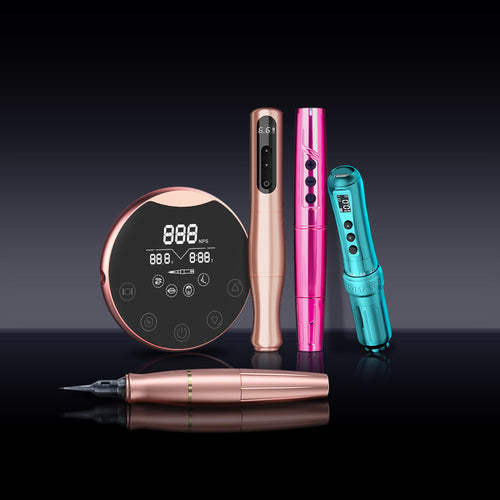
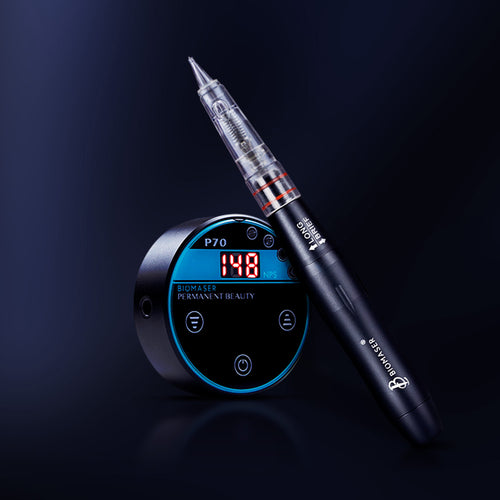
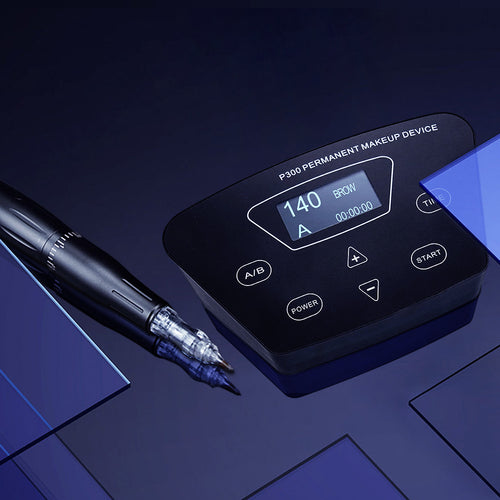
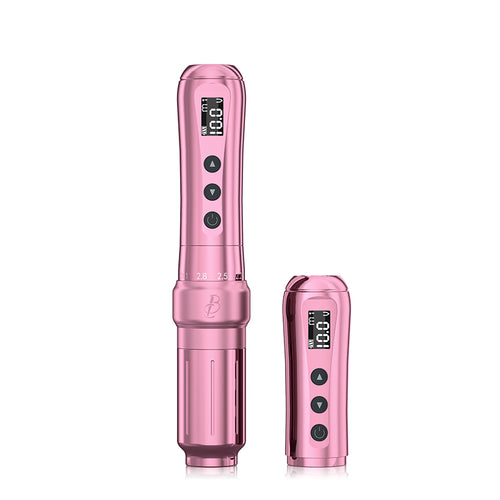
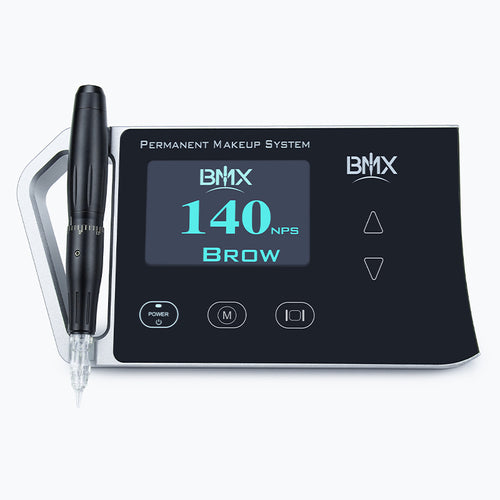
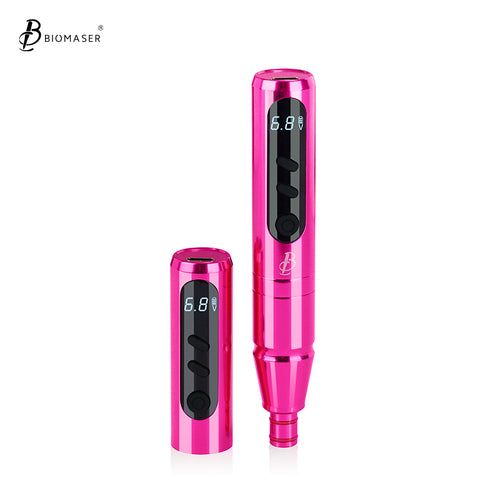
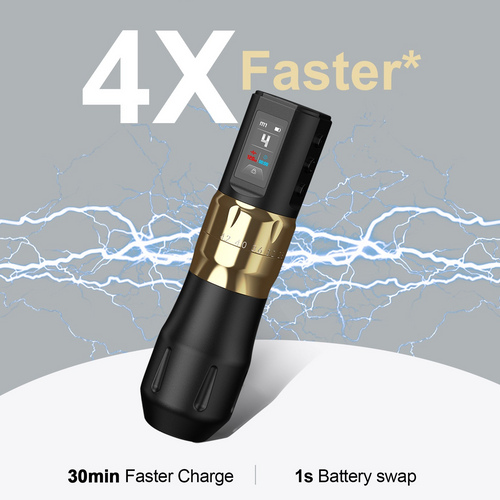
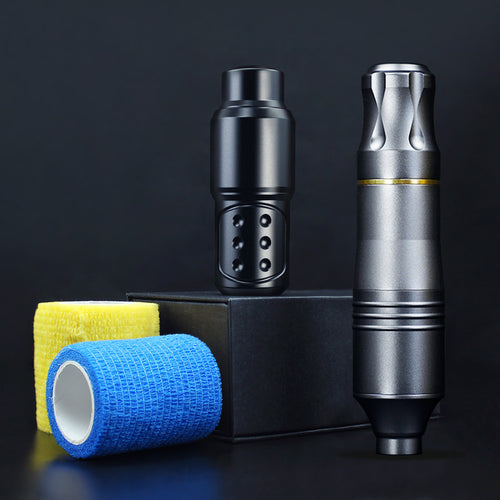
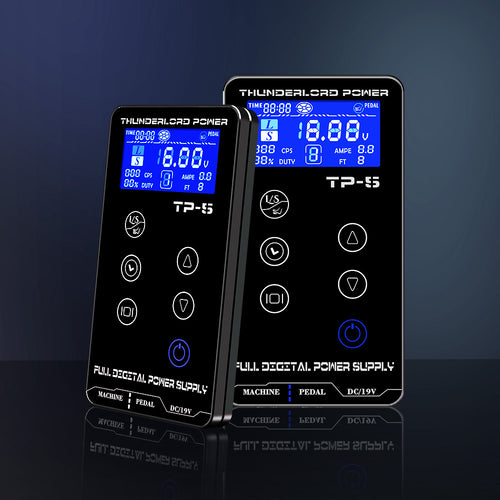
This is the most important part. You need an artist who has a lot of experience with large, solid black tattoos. Ask to see photos of their healed blackout work, not just fresh ink. An inexperienced artist could leave you with a patchy, uneven tattoo that will need more sessions to fix. A specialist will know how to pack the ink tightly so it looks smooth and solid. An experienced artist uses specific techniques and professional tattoo machines to ensure even ink distribution for such large-scale work.
The Consultation Appointment
During your consultation, you and your artist will plan out the tattoo. You'll decide on the exact shape and size, the estimated number of appointments, and the total cost. This is the time to ask any questions you have. Be clear about what you want, and listen to the artist's professional advice.
The Tattooing Sessions
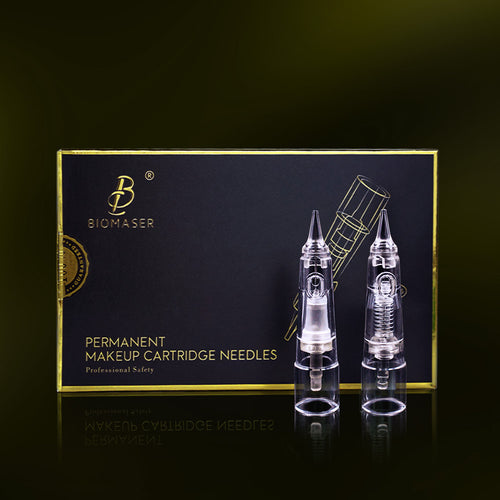
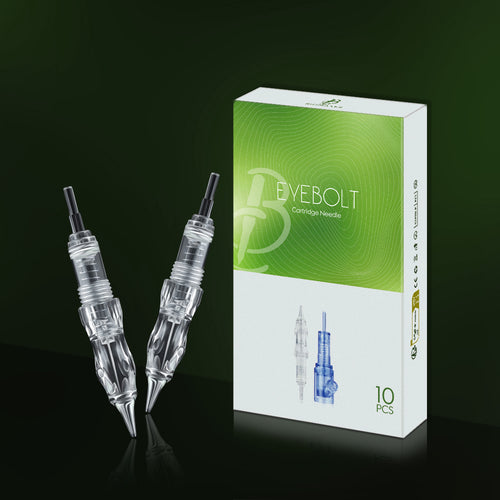
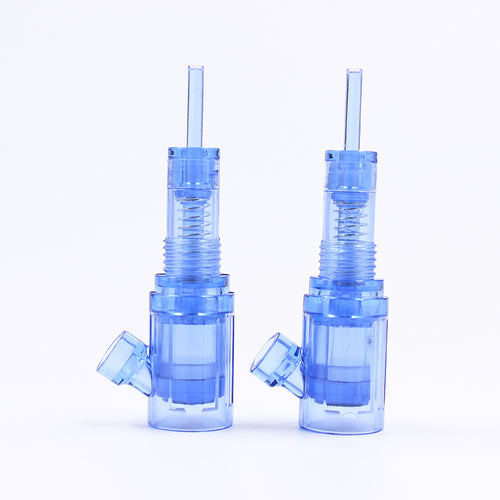
A blackout tattoo is always a multi-session project. A full sleeve can require 20 to 40 hours of work, split into sessions that last 3 to 5 hours each. Your skin needs time to heal between appointments, so the entire tattoo can take several months or even up to a year. The artist uses different types of tattoo needles to slowly pack the black ink into your skin until the area is completely filled.
Are Blackout Tattoos Painful?
Most people say that blackout tattoos hurt more than regular tattoos with lines or shading. The artist has to work on the same area of skin repeatedly to get the black ink fully saturated. The long sessions also add to the pain. Bony spots with thin skin, like your elbow, wrist, or shin, are usually the most painful areas.
What Is the Healing Process for a Blackout Tattoo?
Healing a blackout tattoo can take a while and be intense. For the first few days, the area will likely be very swollen, red, sore, and may ooze a bit. Your skin will feel tight and warm to the touch. Since so much ink is packed into the skin, the peeling stage is usually more dramatic. Instead of small flakes, your skin might peel off in large, dark sheets. This is a normal part of healing, but it can look scary if you don't expect it. It is very important to follow your artist's aftercare instructions to prevent infection or other problems.
How Do I Take Care of My New Blackout Tattoo?
Good aftercare is key to helping your blackout tattoo heal well and look great. Always listen to your artist's specific instructions first, but here are the general steps to follow.
- Listen to Your Artist: Your tattoo artist will give you their preferred aftercare routine. Follow their advice carefully, as they know what works best for their style of tattooing.
- Handle the Bandage Correctly: Keep the initial bandage on for the amount of time your artist recommends. This might be a few hours for plastic wrap or several days for a clear, medical-style adhesive bandage.
- Wash It Gently: Wash the tattoo 2-3 times a day with your hands, using lukewarm water and a mild, unscented soap. Don't use a washcloth or loofah. When you're done, pat it dry with a clean paper towel.
- Moisturize Lightly: After the first couple of days, apply a very thin layer of unscented lotion after washing. You only need a small amount to keep the skin from getting too dry. Don't slather it on; the tattoo should not look wet or greasy. The fragrances in scented products can irritate healing skin, potentially causing scarring and ink fading.
- Don't Pick or Scratch: Your tattoo will start to peel and scab. With a blackout, this often looks like large, inky sheets of skin coming off. This is normal. Let it flake off on its own. Picking at it can pull the ink out and lead to tattoo scarring.
- Avoid Soaking in Water: Do not submerge your healing tattoo in water. This means no baths, swimming pools, hot tubs, or trips to the lake or ocean until it is fully healed. Quick showers are fine.
- Keep It Out of the Sun: Direct sunlight is bad for a new tattoo. It can damage the healing skin and cause the ink to fade. Keep it covered with loose clothing. Once fully healed, use a high-SPF sunscreen on your tattoo to keep the black rich and dark for years to come.
- Wear Loose Clothing: Tight clothes can rub against your new tattoo, causing irritation and pulling off scabs. Stick to loose, soft fabrics to let your skin breathe and heal.

6 Key Risks and Considerations for Black Tattoos
Beyond the pain and recovery, there are serious long-term factors to weigh. This is a life-altering decision with consequences you should fully accept before starting the process.
Infection and Allergic Reactions
Like any tattoo, there is a risk of infection if aftercare is neglected. Some people may also have allergic reactions to black ink, although this is less common than with colored inks.
The "No Going Back" Factor
Laser removal of a blackout tattoo is practically impossible. The amount of ink is too dense, and the process would be excruciatingly painful, incredibly expensive, and likely leave behind significant scarring and faded grey patches. Consider a blackout tattoo to be completely permanent.
Sun Sensitivity
Black ink absorbs more heat and UV radiation than un-inked skin. Your blacked-out limb will feel hotter in the sun and may be more susceptible to sun damage over your lifetime.
Monitoring Your Skin Health
A major downside is that a blackout tattoo completely covers the skin, making it impossible to monitor for changes. You won't be able to see new moles, freckles, or suspicious spots that could be signs of skin cancer. If you have a family history of skin cancer, this is a serious risk to discuss with a dermatologist.
Potential Imperfections
Even with a great artist, achieving a perfectly solid black field is difficult. Some areas may heal slightly lighter than others, or you might experience a "tattoo blowout," where the ink spreads under the skin. Be prepared for the possibility that you'll need a touch-up session after it's fully healed.
Social and Professional Impact
A large, visible blackout tattoo is a bold statement that will draw attention. While society is more accepting of tattoos than ever, some people may still hold negative judgments. Consider how a highly visible and intense tattoo might affect your personal and professional life.
Who Is a Good Candidate for a Blackout Tattoo?
This intense style isn't for everyone. A good candidate is someone who has done their research and is fully prepared for the commitment on every level.
The Decisive Individual
This is not a tattoo for someone who is indecisive or prone to changing their mind. You should be 100% certain about this choice and have a clear vision for why you want it.
The Cover-Up Tattoo Seeker
If your primary goal is to cover a large, unwanted tattoo that can't be fixed otherwise, you are a prime candidate. The blackout tattoo is the most effective cover-up tattoo method available.
The Pain-Tolerant
You need to have a high tolerance for pain and the mental fortitude to sit for many hours of intense work, session after session.
The Financially Prepared
A good candidate has saved and budgeted for the entire project. You understand that quality work is expensive and are prepared to pay for a skilled artist without cutting corners.
The Diligent Healer
You must be committed to the rigorous aftercare process. If you can't stick to a strict cleaning and moisturizing schedule and protect your tattoo from the sun, your final result will suffer.
4 FAQs About Blackout Tattoos
Q1: How much do blackout tattoos cost?
A: The cost varies greatly depending on the size, placement, and the artist's hourly rate. A full sleeve can cost several thousand dollars and take many sessions to complete. A consultation is necessary to get an accurate price estimate.
Q2: Are blackout tattoos more painful than regular tattoos?
A: Yes, most people find them more painful. The dense ink packing and long sessions contribute to a higher level of pain compared to tattoos with more line work and shading.
Q3: Can you tattoo white ink over a blackout tattoo?
A: Yes, this is a popular style. Once the blackout tattoo is fully healed, a skilled artist can use white ink to create a high-contrast design on top. Keep in mind that white ink can fade or take on a yellowish tint over time.
Q4: How long does a blackout tattoo take to fully heal?
A: The surface of the skin typically heals in two to three weeks. However, for the deeper layers of skin to fully regenerate, it can take two months or even longer.
