





How to Choose the Best PMU Pigment Colors for Different Skin Tones


When you do permanent makeup, picking the right pigment color is very important. Knowing how different colors react with different skin tones is often what makes the difference between a natural look and a clear mistake. This guide will teach you how to match colors perfectly for flawless, long-lasting results.
How Skin Tone and Undertone Affect Pigment Color
You need to properly check out your client's skin before choosing any permanent makeup color. A lot of experts only look at how light or dark the skin is, but that's not the whole picture.
Fitzpatrick Skin Types
The Fitzpatrick Scale categorizes skin into six types, from very fair (Type I) to very deep (Type VI). This gives you a starting point for pigment selection, but undertones reveal the complete picture.
| Type | Skin Color | Reaction to Sun | Common Traits |
| I | Very fair, often with freckles | Always burns, never tans | Red or blonde hair; light eyes |
| II | Fair | Usually burns, tans minimally | Light hair and eyes are common |
| III | Light to medium | Sometimes burns, tans gradually | Dark blonde or light brown hair |
| IV | Medium to olive | Rarely burns, tans easily | Brown or black hair; deeper melanin |
| V | Brown | Minimal burning, always tans | Rich brown skin with strong melanin |
| VI | Deep dark | Never burns, deeply pigmented skin | Very high melanin levels |
How to Identify Undertones for Better Pigment Matches
Three main undertone categories exist:
- Cool undertones: Pink, red, or bluish hues beneath the surface
- Warm undertones: Yellow, peachy, or golden qualities
- Neutral undertones: A balanced mix of cool and warm
Here's how to identify them quickly: check the veins on the inner wrist. Blue or purple veins indicate cool undertones, while green veins suggest warmth. You can also notice which metal jewelry flatters your client. Silver looks best on cool undertones, while gold enhances warm ones.
If you know about undertones, you can avoid common mistakes like giving cool-toned clients orange eyebrows or warm-toned people ashy lips. How PMU pigments heal and look over time will depend on the amount of melanin in each skin tone.
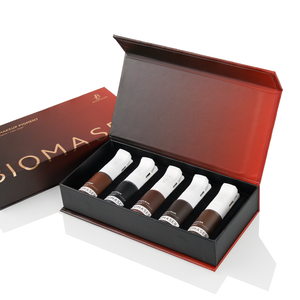
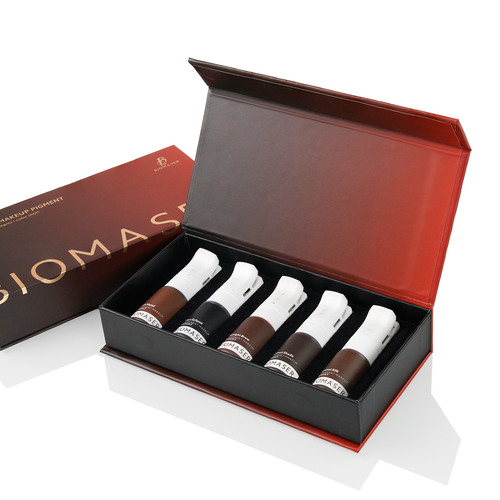
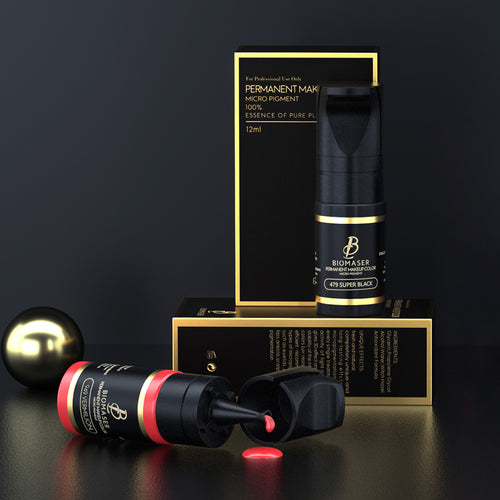
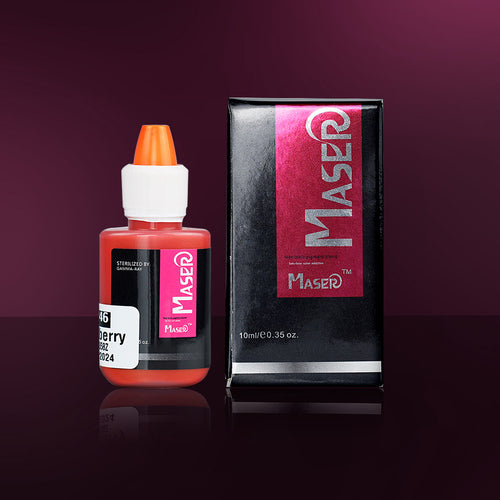
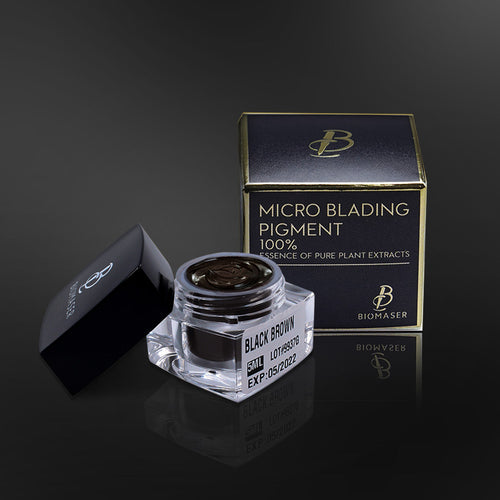
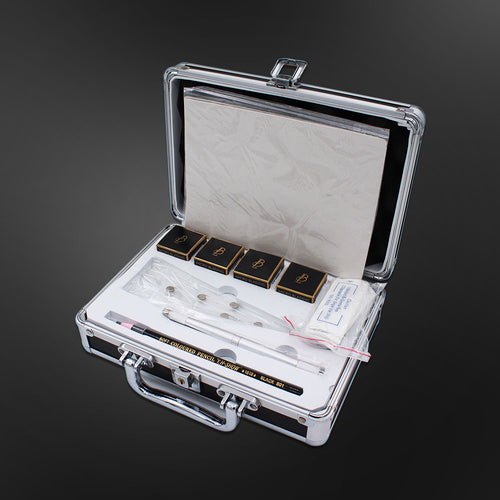
Biomaser Eyebrow & Eyeliner Pigment Collection
Selecting Eyebrow Pigments for Natural Results
Eyebrow color selection requires careful attention to both skin tone and natural hair color. The goal is creating brows that look like they grew there naturally, not like they were drawn on with a marker.
Fair to Light Skin Tones
Clients with Fitzpatrick Types I and II need softer, lighter shades. Taupe, soft brown, and ash-blonde families work beautifully here. The biggest mistake is going too warm or too dark. This creates a harsh, artificial appearance. For cool undertones, stick with ash-based colors. For warm undertones, consider soft caramel or honey tones. Always start lighter than you think necessary, as you can build depth during touch-ups.
Medium Skin Tones
Medium complexions (Fitzpatrick III-IV) offer more flexibility. These clients can handle richer browns and deeper taupes. Pay attention to undertones—cool-toned clients look best with neutral or slightly cool browns, while warm-toned individuals shine with golden or chestnut shades. Olive skin tones may need custom mixing to avoid colors that pull too red or too green.
Deep to Dark Skin Tones
Darker skin (Fitzpatrick V-VI) requires rich, saturated permanent makeup ink that won't heal to an ashy or muddy finish. Deep chocolate, espresso, and warm black-brown shades create beautiful definition. Building color gradually through layering prevents over-saturation while achieving the desired depth. Never use cool-toned or light pigments that will create an unnatural gray appearance.
Coordinating brow color with existing hair creates harmony. Generally, brows should match the hair or be one to two shades lighter, never darker. This prevents a heavy, aged look.
Choosing Lip Pigments That Enhance Natural Beauty
When doing lip treatments, extra care needs to be taken because lips have their own natural color that affects how they turn out. The PMU lip tint you choose will depend a lot on your skin tone and the existing lip color.
| Skin Tone | Best Color Families | Colors to Avoid |
| Fair (I-II) | Soft pink, nude-pink, peachy coral | Deep berries, dark browns (too harsh) |
| Medium (III-IV) | Rose, mauve, warm coral, terracotta | Very pale nudes (washes out), orange-red |
| Deep (V-VI) | Berry, plum, rich nude, brick red | Cool pinks (appear ashy), light shades |
For clients with dark or uneven lip pigmentation, PMU color correction becomes necessary. Apply a neutralizing pigment first. For example, orange tones can counteract blue-gray discoloration, or peach tones for purple darkness; then layer the desired shade on top. This two-step process ensures the final color appears true to what you intended.
The method makes lips look fuller and more defined while keeping their natural look. By slowly blending the pigment from the lip line to the center, you can avoid hard borders that look artificial.
Selecting Eyeliner Pigments for a Natural or Bold Finish
Eyeliner offers more creative freedom than brows or lips, but skin tone still matters. The intensity and undertone of your permanent makeup pigment choice affect how defined and natural the result appears.
Choosing the Right Black Shade
Black eyeliner works universally, but the shade of black matters:
- Cool-toned clients: True black or charcoal
- Warm-toned clients: Black-brown or soft black with subtle warmth
- Fair skin: Slightly softer blacks or rich browns for everyday wear
- Deep skin tones: Richest, most saturated colors for definition
For a softer everyday look, brown-based liners create definition without harshness.
Creative Color Options
Specialty shades can enhance eye color and skin tone beautifully:
- Navy for blue or green eyes
- Charcoal for a softer alternative to black
- Subtle bronze for warm-toned clients
These colors should complement the client's undertone and lifestyle needs. Deep skin tones can handle the most intensity, while fair skin requires careful consideration to avoid overwhelming contrast.
How a Good PMU Consultation Builds Trust and Better Results
A thorough consultation prevents disappointment and builds confidence in your expertise. Taking time to assess skin properly shows professionalism and care.
Pre-Procedure Assessment Steps
- Examine skin in natural lighting (artificial light distorts color perception)
- Take high-quality photos from multiple angles
- Discuss lifestyle, including sun exposure and skincare routines
- Show before-and-after examples of similar skin tones
- Perform small patch tests with different PMU pigments if needed
Documentation Is Critical
- Record everything for future reference:
- Exact pigment brands and shades used
- Mixing ratios for custom colors
- Detailed notes about client's skin characteristics
- Photos of the completed procedure
Over time, this information helps you get better at choosing colors and comes in very handy for touch-up visits. Telling people what to expect during the healing process will keep them from getting panicked. For example, say that colors will look darker right after the treatment, much lighter while they heal, and back to their true color after four to six weeks.

Master PMU Color Selection for Every Client
It takes both science and art to choose the right pigment color. Knowing the Fitzpatrick Scale gives you structure, but understanding the undertones and taking into account your own traits makes the results truly unique. Quality PMU pigments combined with proper technique ensure colors heal beautifully and last longer. Thorough consultations build trust and set realistic expectations, which makes clients feel more at ease in mind, and refer others to your services.
FAQs
Q1: What happens if I choose the wrong pigment color for my client's skin tone?
The wrong color choice results in unnatural-looking permanent makeup that doesn't complement the client's features. Common issues include eyebrows that turn orange or red on cool-toned skin, lips that appear ashy or gray on warm-toned skin, or pigments that fade to unexpected colors. Color correction procedures become necessary, involving complementary tones to neutralize unwanted hues before applying the correct shade.
Q2: Can I mix different pigments together to create a custom shade?
Yes. You can mix pigments within the same brand to create custom shades that match your client's undertones. Keep notes of your exact ratios for future touch-ups. However, avoid mixing pigments from different brands because their formulations vary, which may lead to unpredictable color shifts and may not meet safety guidelines. In the U.S., PMU pigments fall under FDA oversight for ingredient safety, and staying within one brand helps maintain stability and compliance.
Q3: How long does it take for permanent makeup pigments to show their true color?
The complete healing process takes four to six weeks before you see the true final color. Immediately after the procedure, colors appear much darker and more intense. During the first week, the treated area may darken further as it scabs. As scabs naturally shed, the color seems very light or patchy. By week four, the pigment settles and the true healed color emerges.
