




Signs of a PMU Infection and When to See a Doctor: A Safety Guide

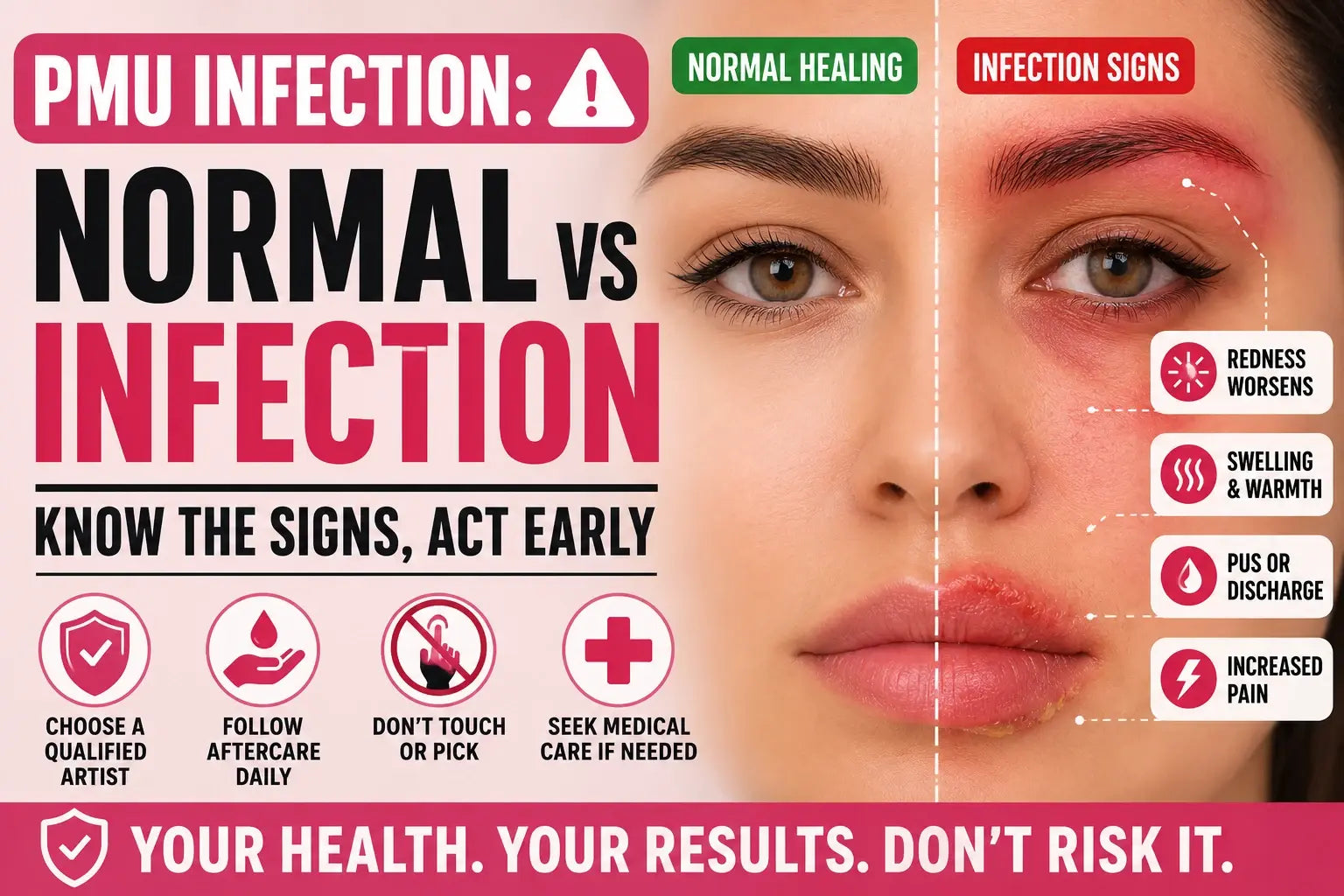
Permanent makeup like microblading or lip blushing leaves beautiful results, but the process creates tiny skin wounds. Mild redness, swelling, and soreness are completely normal as your skin begins to fix itself. Knowing the difference between this typical healing and a real infection keeps you safe. Spotting a problem early prevents serious health issues and protects your final cosmetic look.
What Is Considered Normal After a PMU Procedure?
- Mild redness and swelling are expected for the first two to three days after the procedure. The skin around the treated area will look pinkish or slightly red, similar to a light sunburn, because of the localized tissue impact.
- Temporary tenderness or discomfort happens when you touch the area or move your face. This minor soreness should peak within the first twenty-four hours and then steadily decrease over the following days.
- Light scabbing and peeling happen as new skin forms underneath the treatment site. Flaking is a positive sign that the dead outer skin layer is shedding, and you must never pick at these small flakes.
- Slight color changes during healing are also standard. The pigment often looks very dark for the first few days, turns lighter or appears patchy as the skin peels, and then stabilizes into the final intended shade within a few weeks.
Why PMU Infections Can Occur
- Improper sterilization of equipment introduces dangerous pathogens directly into the open skin wounds. If a technician uses contaminated tools, bacteria can easily enter the deeper layers of your dermis.
- Contaminated pigments or supplies can also carry microscopic germs. Using low-quality or unsterile PMU supplies poses a major health risk if the liquids or containers contain bacterial growth.
- Poor aftercare practices at home account for many post-procedural complications. Skipping the daily cleaning steps or using unapproved creams creates a perfect environment for environmental bacteria to grow on the raw skin.
- Touching the area with unwashed hands transfers common skin bacteria like Staphylococcus directly into the open cosmetic wounds. Your fingers carry millions of invisible germs from everyday surfaces like phones and door handles.
- Individual health factors that may increase risk include diabetes, a weak immune system, or poor blood circulation. These underlying medical issues slow down the natural recovery process and make it harder for your body to fight off invading bacteria.
Early Signs of a PMU Infection You Need to Know
Spotting the initial warning signs of a skin infection helps you get treatment before the bacteria spread deeper into your facial tissues or bloodstream.
Persistent or Worsening Redness
How infection-related redness differs from normal healing is that it intensifies over time instead of fading away. Normal pinkness drops significantly by day three, whereas infection-related redness grows deeper, darker, and more vibrant.
When redness begins spreading beyond the treated area, it means the bacteria are actively migrating into neighboring healthy skin tissues. This expanding red border is a clear indicator that the body is losing the local fight against the germs.
Excessive Swelling and Warmth
Signs of inflammation that may indicate infection include skin that looks tight, shiny, and highly swollen past the third day. If the swelling increases or expands to your eyelids or cheeks, the inflammation is abnormal.
Areas that feel hot to the touch mean your immune system is working too hard or the bacteria are multiplying rapidly. This physical heat radiates from the skin site and can be felt easily with the back of a clean hand.
Increasing Pain Instead of Improvement
Normal discomfort versus worsening pain is easy to distinguish if you track your daily comfort levels. Normal soreness lessens every single morning, while an infected wound becomes increasingly painful to touch or move.
Throbbing or burning sensations that should not be ignored indicate deep tissue irritation or nerve pressure from trapped fluid. A continuous, heavy throbbing sensation that disrupts your sleep is a strong indicator of a developing infection.
Unusual Discharge or Pus
Clear healing fluid versus yellow, green, or thick discharge is the most reliable way to identify an infection. Clear or slightly amber lymph fluid is normal in the first day, but thick, cloudy, or colored fluid is never normal.
Pus is a significant warning sign because it consists of dead white blood cells, cellular debris, and living bacteria. Seeing yellow or green pus oozing from the scabs means your body is actively fighting an active bacterial invasion.
Unpleasant Odor from the Treated Area
What abnormal smells may indicate is the presence of specific anaerobic bacteria that release foul-smelling gases as they multiply. A healthy healing skin wound has absolutely no noticeable smell.
Why odor often accompanies bacterial growth is because decomposing tissue and trapped fluids create a strong, sour, or musty scent. If you smell something bad coming from your face, the wound requires immediate attention.
Serious Symptoms That Require Prompt Medical Attention
Some infection symptoms show that the bacteria have broken past the local skin barrier and are now threatening your entire systemic health or facial structures.
Fever and Chills
If the infection enters your bloodstream, your immune system triggers a fever to fight the germs across your whole body. This means the bacteria or their toxins are entering your broader system.
You should never ignore a fever after PMU because it signals a systemic infection. Developing a fever over one hundred degrees Fahrenheit alongside chills means you need medical doctors, not cosmetic advice.
Swollen Lymph Nodes
Common locations where swelling may occur include the areas under your jaw, along your neck, or right in front of your ears. These small nodes feel like hard, tender peas or marbles under the skin.
What it may suggest about the body's immune response is that your lymphatic system is working hard to filter out dangerous bacteria from your face. Swollen nodes prove the infection is travelling along your internal fluid pathways.
Red Streaks or Rapidly Expanding Inflammation
Potential signs of a more serious infection include thin red lines tracking away from the permanent makeup site toward your neck or heart. This is a medical emergency known as lymphangitis.
Expanding inflammation can lead to blood poisoning or deep tissue destruction. Immediate antibiotics are required to halt this dangerous progression before it worsens.
Abscess Formation
Recognizing localized collections of infection involves looking for a painful, swollen, fluid-filled lump under the skin surface. The area looks like a large, hard boil that feels extremely tender when pressed.
Risks of attempting self-treatment include popping or squeezing the abscess, which forces the trapped bacteria deeper into your facial tissues or into delicate blood vessels that connect directly to your brain.
When Should You Contact Your PMU Artist vs. a Doctor?
It is important to know who to call when you face issues, as cosmetic technicians excel at beauty advice but lack medical licenses to diagnose diseases.
Questions That Can Be Directed to Your PMU Artist
- Normal healing concerns are perfect to discuss with your artist. You can ask them about the typical timeline for your specific skin type or request reassurance about how the area looks during the first forty-eight hours.
- Scabbing and peeling questions can also go to the technician. They can tell you if the flaking pattern is typical for the technique used and remind you how to let the skin shed naturally.
- Aftercare product guidance is another great topic for your artist. They can clarify how often to apply the recommended ointment or suggest safe, scent-free alternative moisturizers if your skin feels overly dry.
Situations That Require Medical Evaluation
- Persistent redness, swelling, or pain that lasts beyond four days demands a visit to a medical clinic. If these symptoms stay the same or worsen, a doctor needs to inspect the tissue.
- Fever or systemic symptoms like body aches, sudden weakness, or shaking chills mean you must see a doctor immediately. Cosmetic artists cannot prescribe the oral medications needed to cure these internal issues.
- Pus, drainage, or suspected infection require professional medical diagnosis. A doctor will swab the fluid to find the exact bacteria and give you the correct prescription antibiotic ointment or pills.
- Severe allergic reactions to the pigments also require a doctor. If you experience intense, unending itching, raised hives, or hard bumps weeks after the procedure, medical treatments like topical steroids are often necessary.
Emergency Symptoms That Need Immediate Care
- Difficulty breathing or swallowing means you are experiencing a life-threatening anaphylactic reaction. Call emergency services or go to the nearest hospital emergency room immediately.
- Severe facial swelling that closes your eyes or alters your airway is another critical emergency. Swelling on the face can progress rapidly and block your breathing passages if left untreated.
- Widespread allergic reactions that cause rashes all over your body require instant emergency intervention. This shows a rapid, systemic rejection that needs immediate medical injections to control.
- Signs of a rapidly progressing infection, such as skin turning purple, black, or blistering rapidly, require emergency room care. Fast action prevents severe tissue loss and permanent facial scarring.
What Happens If a PMU Infection Is Left Untreated?
Ignoring the signs of a skin infection after permanent cosmetic work leads to serious health consequences and ruins the costly cosmetic work you just received.
Potential Short-Term Complications
- Delayed healing occurs because your body has to spend all its energy fighting bacteria instead of rebuilding skin cells. This stretches a normal two-week recovery into a painful, month-long ordeal.
- Scarring happens when heavy inflammation and deep infection destroy the delicate layers of your facial skin. This results in permanent texture changes, raised keloids, or pitted spots across your eyebrows or lips.
- Pigment loss or uneven retention is a common side effect of a localized infection. The excessive oozing, pus, and scabbing push the color particles out of the skin, leaving you with patchy, blank, or distorted lines.
Potential Long-Term Risks
- Chronic skin damage can leave the treated area permanently sensitive, discolored, or prone to recurring irritation. The skin barrier may remain weak and easily damaged for many years to come.
- More extensive infection can spread to your facial bones, deep blood vessels, or enter your bloodstream, causing a life-threatening condition called sepsis. Sepsis requires intensive hospital care and intravenous antibiotics.
- Corrective treatment requirements become very expensive and painful. You will have to pay for laser treatments, scar removal procedures, or complex microblading revisions once the skin finally heals completely.
How to Reduce Your Risk of PMU Infection
Taking preventive steps before, during, and after your cosmetic procedure keeps your skin safe and ensures your final permanent makeup looks beautiful and sharp.
Choose a Qualified and Hygienic PMU Professional
Proper licensing and training ensure your technician understands bloodborne pathogens and sanitation protocols. Check that their studio has a valid health department permit visible on the wall before sitting in the chair.
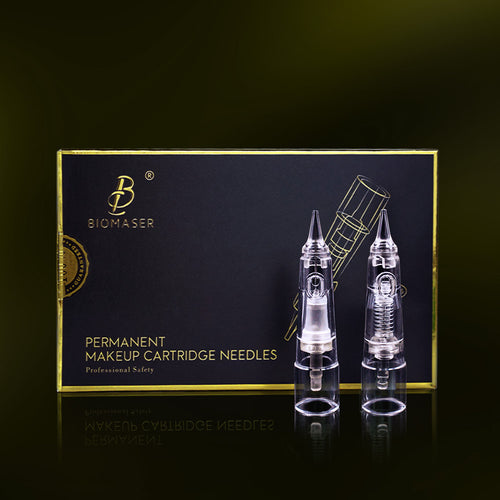
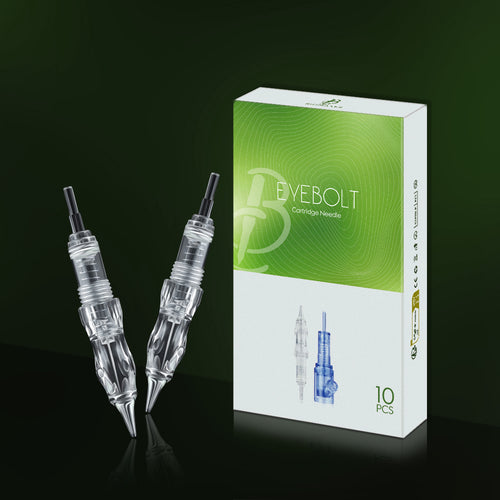
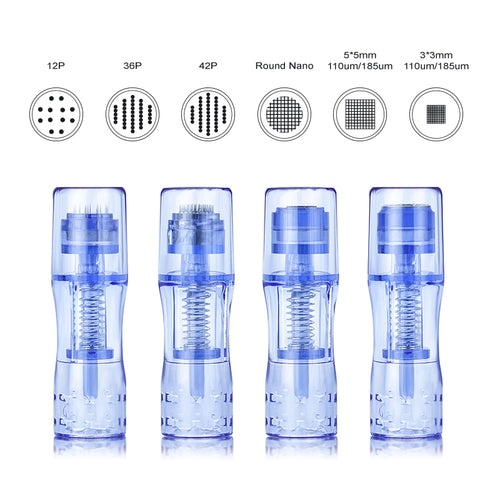
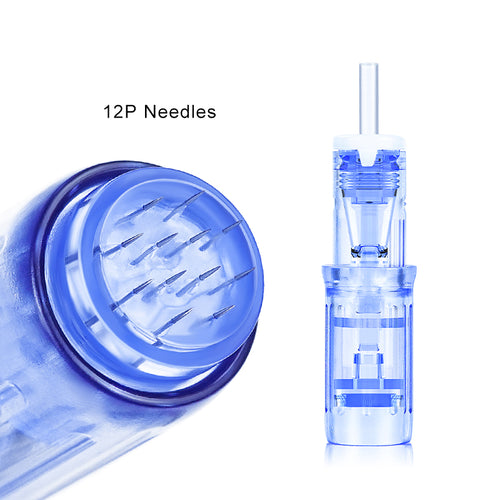
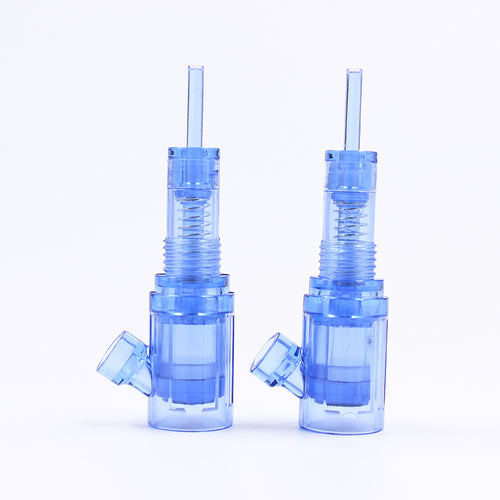
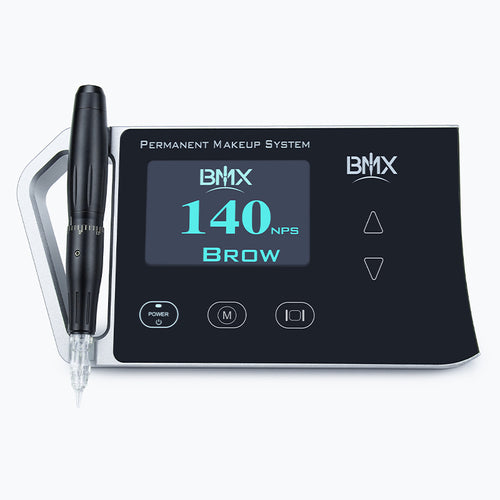
Sterile equipment and safe practices are non-negotiable. Ensure the artist opens single-use permanent makeup cartridge needles right in front of you from sealed blister packs, and verify that all other permanent makeup equipment is fully covered in disposable plastic protective barriers to avoid cross-contamination.

Biomaser Pinky Ultra PMU Needle Cartridges
Follow Aftercare Instructions Carefully
- Keeping the area clean requires following your specific PMU aftercare routine exactly as prescribed. Gently blot away excess lymph fluid with a clean, damp tissue according to the instructions to prevent thick crusts from forming.
- Avoiding unnecessary touching prevents introducing new germs to the raw skin. Never scratch, pick, or rub the healing area, even if the peeling process becomes incredibly itchy or looks unsightly during the week.
- Preventing contamination during healing means using a clean cotton swab to apply thin layers of ointment instead of using your bare fingers. Keep your hair pinned back away from your face so dirty strands do not rub against the open skin wounds.
Protect the Healing Area
- Avoid swimming pools, hot tubs, and saunas for at least two full weeks after your appointment. These water sources are filled with bacteria, chlorine, and sweat that easily enter open wounds and cause severe infections.
- Limit excessive sweating and sun exposure by skipping heavy gym workouts and avoiding direct sunlight during the initial recovery phase. Sweat carries bodily bacteria into the treated skin, while UV rays damage the healing cells.
- Use only approved aftercare products provided by your technician or recommended by a medical professional. Avoid applying heavy makeup, chemical face washes, anti-aging creams, or thick petroleum products over the fresh wounds, as these clog the skin and trap bacteria.

BIOMASER All PMU Foam Cleanse
Protect Your Skin and Save Your PMU Results
Mild pinkness, swelling, and light flaking are just normal signs of your skin fixing itself. However, if you notice throbbing pain, expanding redness, yellow pus, or a sudden fever, bacteria are likely at work. Never wait for these warning signs to disappear on their own. Calling a medical doctor immediately stops the spread of germs, guards your physical health, and keeps your new cosmetic look from turning into a scarred, patchy mess.
FAQs
Q1: How can I tell if my PMU is infected or just healing normally?
Normal healing symptoms improve daily and fade away within a few days. Infection symptoms worsen over time, causing increasing redness, heat, throbbing pain, yellow fluid, or a systemic fever.
Q2: Is redness after PMU always a sign of infection?
No, mild pinkness or redness is completely standard for the first forty-eight to seventy-two hours. It becomes an infection concern if the redness spreads outward, turns darker, or occurs alongside pus and throbbing pain.
Q3: Should I contact my PMU artist or a doctor if I suspect an infection?
You must contact a licensed medical doctor or visit an urgent care clinic immediately. PMU artists are not trained or legally allowed to diagnose skin infections or prescribe the necessary antibiotic medications.
Q4: Can PMU infections be prevented?
Yes, you can significantly lower your risks. Choose a licensed professional who uses sterile PMU supplies and fresh PMU cartridge needles, and follow your daily cleaning instructions diligently at home.
