






Titanium Dioxide in PMU Pigments: What You Should Know

Titanium Dioxide is found in almost every makeup bag, sunscreen bottle, and food item on the shelf. In permanent makeup, this mineral creates the soft pinks and bright nudes clients crave. Despite its popularity, online debates leave many artists and clients questioning its safety and long-term look. Getting the facts straight is the best way to move past the rumors.
What Is Titanium Dioxide (TiO2) in Permanent Makeup Ink?
Titanium Dioxide is a white powder that comes from natural minerals found in the earth. In chemistry, it is an inorganic pigment. This means it is made from minerals rather than carbon-based chemicals. Unlike some other dyes that are thin or see-through, this mineral is very dense and reflects light, which is why it looks so bright white.
Why It Is Used in PMU
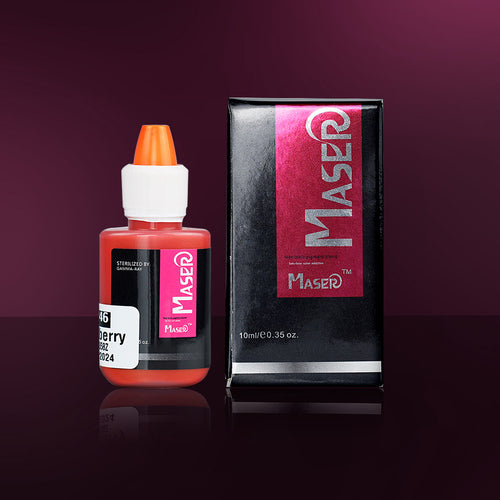
The main job of Titanium Dioxide is to provide "opacity," which is just a fancy way of saying it covers things up well. If you have a dark or cool-toned spot on your skin that needs hiding, this ingredient does the heavy lifting. It is also used to turn a dark red into a soft pink or a deep brown into a light tan. Without it, many of the pastel and nude shades people love for pmu lip pigment wouldn't exist.
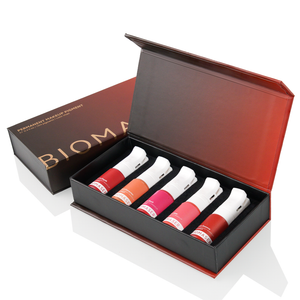
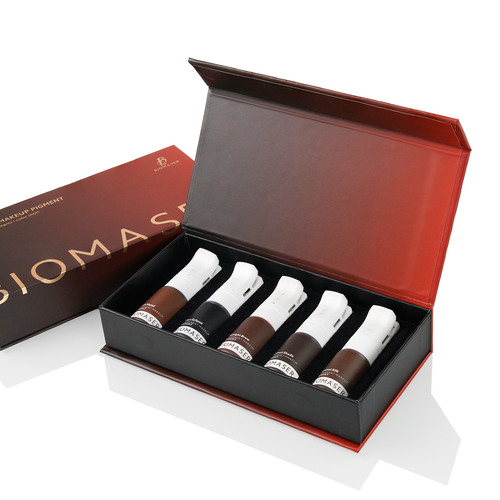
Biomaser Lips Pigment Collection
Where You Will Find It
You will see this ingredient in many different types of permanent makeup ink. It is a staple in:
- Lip Blushes: To create those soft, creamy pinks and corals.
- Correctors: To neutralize unwanted colors from old tattoos.
- Camouflage: Used for hiding scars or skin patches.
- Light Brow Colors: To make blonde or light taupe shades for fair-skinned clients.
Is Titanium Dioxide Safe for the Skin?
Safety is the top priority for anyone getting a tattoo on their face. Because this ingredient is so common, it has been studied a lot by scientists and government health groups.
How the Body Reacts to It
For most people, Titanium Dioxide is very safe. It is "inert," which means it does not react with other chemicals or cause issues inside the body. This is why it is a main ingredient in sunscreens and even medical implants. When it is put into the skin as a pigment pmu, the body usually accepts it without any trouble or allergic reactions.
The Size of the Particles
The particles of Titanium Dioxide are larger and heavier than the particles in black or organic red inks. Because they are bigger, they tend to stay where they are put. While smaller particles might move slightly or fade faster, these white particles stay in the skin for a long time. This is a double-edged sword: it provides great coverage, but it also stays around much longer than other colors.
Rules and Regulations
In places like Europe, the EU REACH regulations have set very strict rules for how pmu pigments are made. These laws make sure that the Titanium Dioxide used is pure and does not contain harmful heavy metals. High-quality manufacturers follow these rules to ensure their products are as safe as possible for the person sitting in the chair.
How Titanium Dioxide Changes Healed Results
The way a tattoo looks the day it is finished is rarely how it looks a year later. Titanium Dioxide changes the "texture" of the color as it sits in the skin over time.
A Powerful Tool for Covering Mistakes
If an artist is trying to fix an old, faded tattoo that has turned blue or purple, they need an ink that can block out those old colors. Titanium Dioxide acts like a primer or a concealer. It sits over the old color so the new color can shine on top. This makes it a vital tool for correction work.
The Risk of an Unnatural, Heavy Look
Because this pigment is a thick white, using too much of it can make the skin look "chalky" or "pasty." Instead of the color looking like it is part of the skin, it can look like it is sitting on top of it, similar to heavy house paint. This is especially common in brow procedures if the artist uses a color with too much white in it.
Does White Pigment Actually Turn Yellow?
There is a common myth that Titanium Dioxide turns yellow. In reality, the white pigment itself stays white. What usually happens is that the organic colors mixed with it (like reds or blacks) fade away faster. When the other colors disappear, the yellowish or white base of the inorganic pigment is all that is left behind.
Laser Removal Risks for Titanium Dioxide Pigments
Clients who want to change their look often look for laser treatments. While lasers work great for many tattoos, they react poorly to titanium dioxide. This can lead to surprising results that are difficult to fix.
Laser Heat Turns White Ink Black
The most serious risk with this ingredient is called "paradoxical darkening." When the intense light and heat from a laser hit white particles, a chemical reaction occurs. Instead of fading away, the white ink instantly turns dark gray or deep black. This happens because the laser energy strips oxygen away from the titanium.
This is a serious issue. Imagine a client trying to remove a light pink lip tattoo or a beige scar camouflage. If that ink contains a lot of white, the laser might leave them with black spots on their face. This is very hard to fix and can take many more sessions to lighten. Artists must warn clients about this before using heavy white-based colors.
Safer Ways to Remove Permanent Makeup
Since lasers can cause these dark stains, other methods are often a better choice for certain pmu pigments. Non-laser options like saline removal or glycolic acid treatments work differently. Instead of using heat to break down the ink, these methods lift the permanent makeup out through the surface of the skin.
- Saline Removal: Uses a salt solution to draw the ink out naturally.
- Acid Removal: Uses specialized liquids to bond with the pigment and pull it upward.
These techniques do not cause the ink to change color, making them safer for tattoos that contain white minerals.
How to Identify Quality PMU Pigments
Finding a safe, stable product is the key to success. A manufacturer's recipe determines if the tattoo heals beautifully or causes issues later.
Finding Titanium Dioxide on the Label
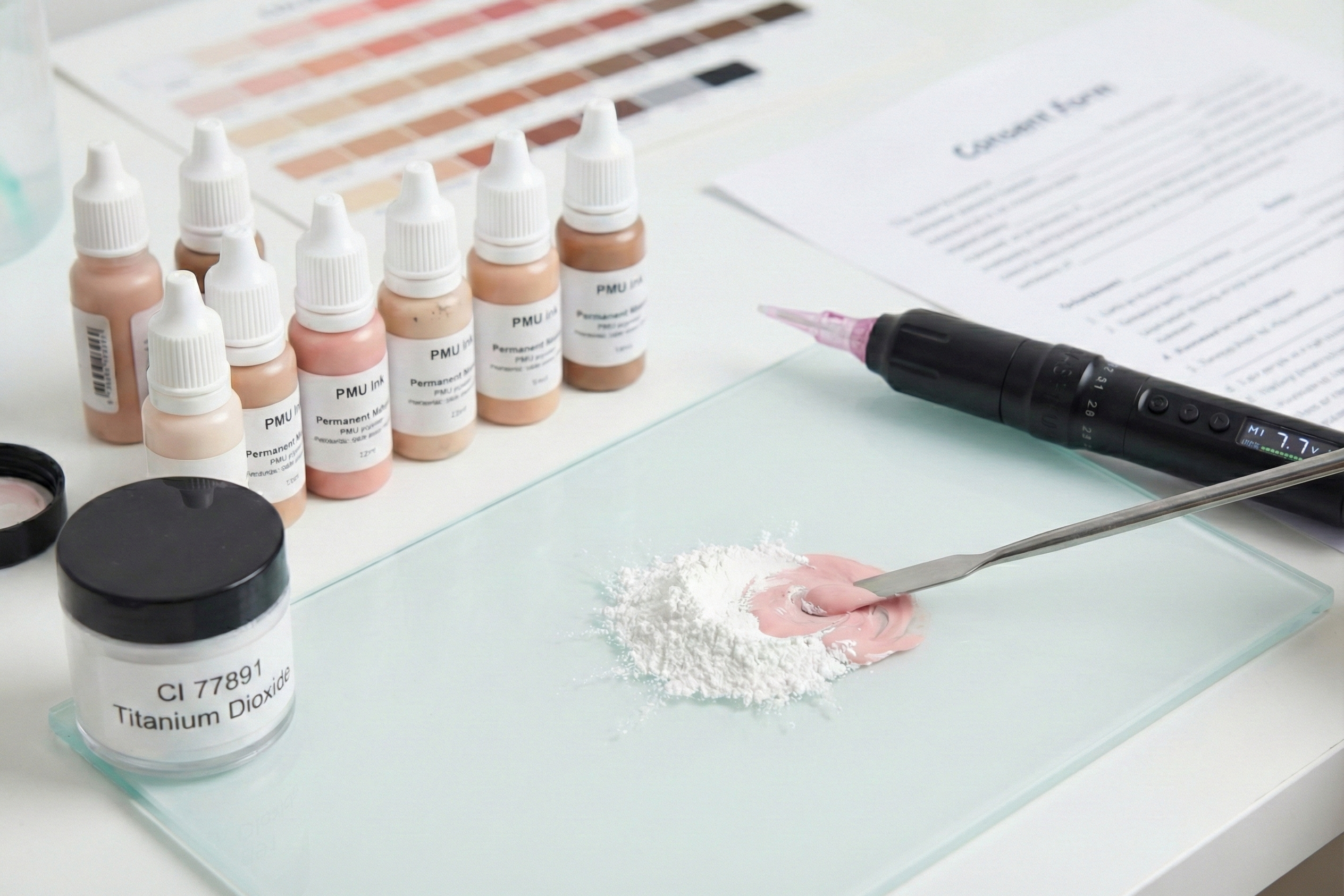
Check the ingredient list on your bottle for CI 77891. This code is the official number for titanium dioxide. Seeing this helps you plan your technique and discuss future removal risks with your client.
The Right Formula Matters
The best pmu pigments use a careful balance. They need enough white for coverage but not so much that the skin looks like plastic. Top brands test how their colors heal over many months. They grind particles to the perfect size so the permanent makeup blends smoothly without looking chalky.
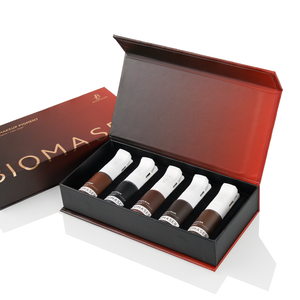
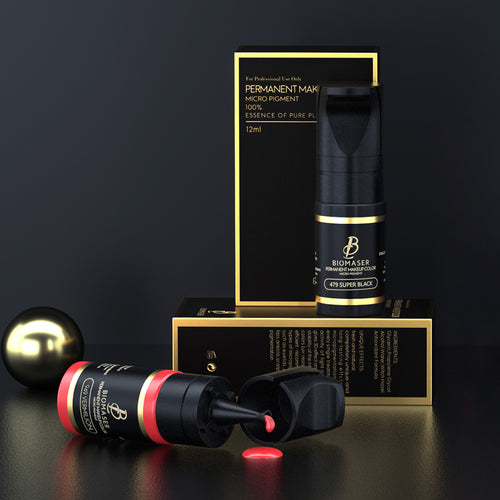
Biomaser Eyebrow & Eyeliner Pigment Collection
Balancing Color and Safety with Your Pigment PMU
Titanium dioxide is a powerful tool for creating stunning, high-coverage looks. While it requires a careful hand and knowledge of laser risks, it remains a top choice for beautiful lip blushes and effective cover-ups. Use this mineral wisely to achieve the soft, lasting shades your clients love in their permanent makeup.
FAQs About Titanium Dioxide in PMU Pigments
Q1: Can titanium dioxide cause an allergy?
Allergic reactions to Titanium Dioxide are extremely rare. It is considered one of the most skin-friendly ingredients in the world. Most "tattoo allergies" are actually caused by red dyes or fragrances, not by the white mineral base.
Q2: Why do some brow artists avoid titanium dioxide?
Some artists prefer to use "organic-only" lines for eyebrows. They do this because they want the color to fade away completely over time. Since Titanium Dioxide stays in the skin so long, it can leave a light residue behind after the other colors have vanished. Avoiding it can lead to a "cleaner" fade.
Q3: Should I be afraid of titanium dioxide?
There is no need for fear. It is a tool. In the hands of a skilled artist who understands how it heals and how it reacts to lasers, it is a very helpful ingredient. It allows for beautiful lip colors and the ability to fix old mistakes that would otherwise be permanent.
