






Building a PMU Portfolio While You Only Have Practice-Skin Work

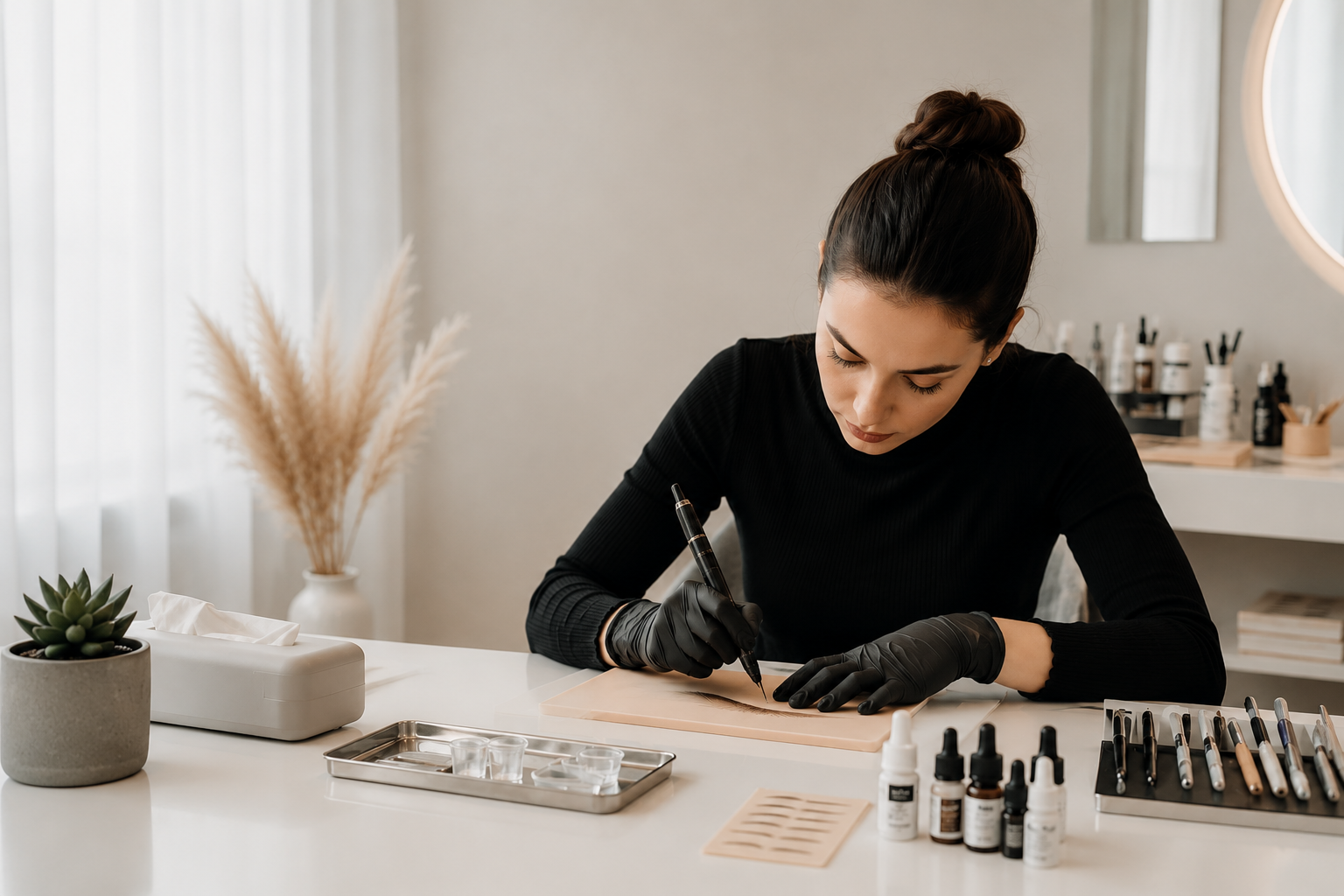
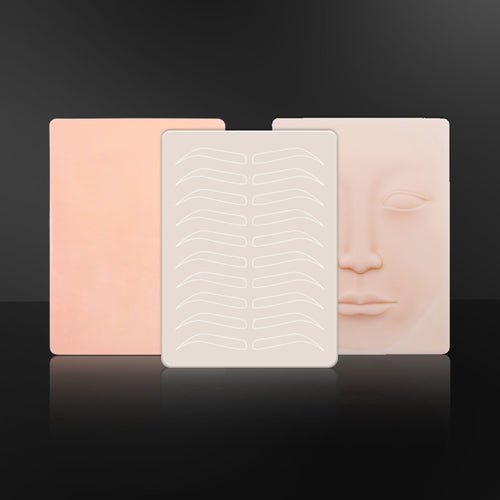
Yes---you can publish practice-skin work as a starter PMU portfolio. The essential condition is clarity: label every image as practice on synthetic skin and never present it as live-client, healed, or real-skin work.
A transparent practice portfolio can show that you are developing control, design judgment, consistency, and documentation habits. It cannot show how pigment heals, retains, or appears in different skin types, nor can it stand in for live-client consultation, comfort, consent, or procedure experience. Treat it as evidence of disciplined training---and as a bridge to mentor feedback and supervised-model opportunities.
Define What Your Portfolio Can Honestly Prove

Practice skin is useful because it lets viewers see the parts of your work that are visible and repeatable. A carefully curated gallery can demonstrate:
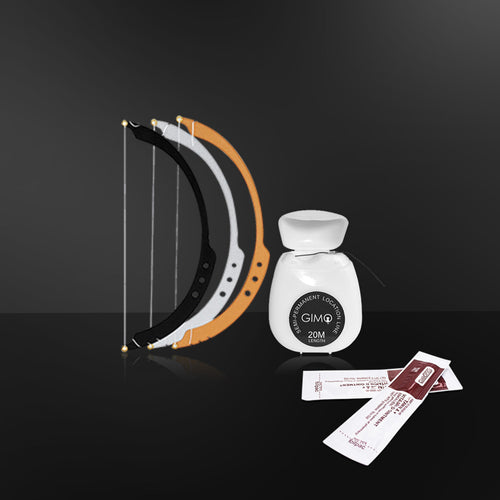
- Brow mapping and balanced design
- Line direction and consistent stroke placement
- Pixel or shading placement
- Shape control in eyeliner exercises
- Lip outline, saturation, and symmetry practice
- Color planning and clean execution on a synthetic surface
- Progress in your most recent training work
Readers who want to strengthen these skills can follow structured practice-skin drills before selecting final portfolio pieces.
Keep the language tied to what the image actually shows. A caption such as "Powder-brow shading exercise on synthetic skin" is accurate. A caption such as "Soft healed powder brows" is not, because the image does not show healed work on human skin.
The goal is not to make practice skin look like a client result. The goal is to make your current level of practice easy to evaluate.
Curate a Small Gallery with a Clear Point of View
A portfolio is stronger when it is selective. Avoid posting every sheet, every early attempt, or every variation from a single training day. Instead, retain the pieces that best represent the quality you can reproduce now.
Choose work that is:
- Recent enough to reflect your current technique
- Cleanly executed and easy to assess
- Consistent with the PMU services you intend to continue training in
- Varied enough to show more than one exercise, without adding weak work for volume
- Organized by service type or skill, such as brows, eyeliner, lips, mapping, or shading
If your brow exercises are much stronger than your lip work, lead with brows. You do not need to appear equally developed in every service. A narrow, honest portfolio is more credible than a broad gallery that includes work you would not want a mentor or studio to evaluate closely.
Build Sections That Prevent Confusion
A simple starter portfolio can include the following sections:
-
Practice Skin Portfolio Clearly labeled images organized by brows, eyeliner, lips, or other relevant exercises.
-
Training and Education List completed training accurately, including dates and the scope of the course. Do not imply that a certificate alone authorizes live procedures.
-
Current Development Focus Briefly state what you are practicing---for example, "Currently refining powder-brow saturation and consistent pixel placement on synthetic skin."
-
Live Models and Healed Results Mark this section as forthcoming rather than filling it with practice work. This makes the distinction unmistakable.
-
Availability Status Use direct wording such as "Currently building a practice portfolio" or "Seeking mentor feedback and supervised-model opportunities where permitted."
This structure gives studios, mentors, and future clients a truthful picture: you are trained, actively practicing, and not overstating your experience.
Label Every Image Where Viewers Will See It
Your disclosure should not depend on a viewer reading a long bio, opening a caption, or guessing from the background. Put the practice-skin label in the image description, portfolio category, or opening line of the caption.
Use plain language. These templates work because they leave little room for interpretation:
- Practice on synthetic skin --- not a live model
- Training exercise on practice skin
- Synthetic-skin brow mapping and shading practice
- Practice skin only; not a healed client result
- Portfolio exercise completed during PMU training
- No live-skin work shown in this post
Avoid labels that blur the distinction, such as "brow transformation," "client-ready results," "before and after," or "healed effect." Even if the image is attractive, viewers should not have to investigate whether it depicts real skin.
If you post a product endorsement and have a material connection to the brand---such as payment, free product, or another benefit---disclose that relationship clearly where viewers are likely to notice it. That is separate from identifying practice skin, but both habits support transparent communication.
Photograph Practice Skin for Accurate Review
Professional presentation does not mean making the work look more advanced than it is. Your photos should help a mentor, studio owner, or prospective client understand the actual exercise.
Use a repeatable photo process:
- Place the practice skin on a clean, neutral background.
- Use consistent lighting from one portfolio piece to the next.
- Photograph the full piece first, then add close-ups that show linework, density, saturation, or mapping.
- Keep the camera angle consistent when comparing similar exercises.
- Crop for clarity, not to hide uneven areas or remove relevant context.
- Use only minimal corrections needed for a faithful image presentation.
Do not use filters, retouching, AI alteration, or color edits that change apparent pigment tone, density, symmetry, texture, or saturation. Practice skin already differs from live skin; editing it into something that appears like a healed result creates more confusion, not more professionalism.
A useful rule is simple: if an edit would change how a mentor evaluates your technical work, leave it out.
Show Progress Without Publishing Every Mistake
You do not need to hide the fact that you are learning. You do need to decide what belongs in a public portfolio and what belongs in a private practice archive.
Keep early work for your own comparison, instructor feedback, and skill tracking. Publish the strongest current examples. If you want to demonstrate progress publicly, do it with intention:
- Share two clearly labeled exercises completed at different stages of training.
- Explain the specific skill you were refining.
- Keep both images labeled as synthetic-skin practice.
- Focus on the learning process rather than claiming a finished professional result.
For example: "Practice-skin brow exercise focused on more even shading and cleaner tail placement." This communicates reflection and growth without asking viewers to mistake training work for client work.
Use the Portfolio to Request Feedback
A practice portfolio has a practical job before it has a marketing job: it helps qualified reviewers see where you are now.
When approaching a mentor or studio, make the request specific. Instead of asking whether your work is "good enough," ask for feedback on the skills shown in the images.
"I'm building a transparently labeled PMU practice-skin portfolio and would value feedback on my current brow, liner, and lip exercises. I'm especially working on consistency, mapping, and clean saturation. When my work meets your expectations, I would like to discuss supervised-model opportunities."
This approach is more useful than trying to appear fully established. It signals that you understand the difference between practice and live work, can accept critique, and are building a documented path forward.
Move From Practice Skin to Supervised Case Studies Carefully
A polished practice gallery is not, by itself, a reason to begin offering paid PMU procedures, collecting deposits, or promoting live-model availability. Use it first to obtain review, mentorship, and a clearer assessment of your readiness.
Before moving into live models or operating as a business, verify the requirements that apply where the work will be performed. In the United States, business location affects the taxes, zoning rules, registrations, licenses, and permits that may apply to the operation, as outlined in the Small Business Administration's business-launch guidance. PMU and body-art requirements can differ across states, provinces, counties, cities, studios, and insurers.
A trust-first progression looks like this:
- Publish your strongest practice-skin work with unambiguous labels.
- Use the gallery to request technical feedback from a mentor or prospective studio.
- Confirm applicable training, regulatory, facility, consent, supervision, and insurance requirements.
- Pursue supervised models only when the relevant requirements and oversight are in place.
- Build separate, accurately documented fresh, healed, and touch-up case studies as live experience becomes appropriate.
Publish the practice portfolio now. Make its limits obvious. Then let that honesty support the next opportunity---feedback, mentorship, and eventually supervised real-skin case studies built on a foundation of trust.
Legal Disclaimer
This article is provided for general informational and educational purposes only and does not constitute legal, tax, insurance, regulatory, or professional advice. Requirements may vary by jurisdiction and change over time. Consult a qualified local attorney, licensed insurance professional, accountant, or relevant regulator for advice tailored to your studio and circumstances.
