




How to Choose the Best Lighting for Your PMU Studio

Key Takeaways
- Choose PMU lighting for color accuracy, even coverage, shadow control, and comfort, not brightness alone.
- Look for a high-CRI light, adjustable brightness, and a useful color-temperature range.
- Ring lights, LED panels, half-moon lights, and magnifying lamps each suit different studio setups.
- Position the light so you can see the treatment area clearly without leaning or working around harsh shadows.
- Good lighting should support your entire PMU setup, including your equipment, supplies, and tools.
Lighting can change how clearly you see skin, pigment, facial contours, and fine details during a PMU procedure. A room may look bright enough, yet the treatment area can still have dark spots or distracting glare.
For brow work, lip blush, permanent eyeliner, and other cosmetic tattooing services, clear visibility helps you work with greater consistency. Good lighting also makes it easier to keep a comfortable posture during long appointments. That makes PMU studio lighting more than a room feature. It should be treated as part of the working setup, alongside your permanent makeup equipment, supplies, and tools.
What Should You Look for in PMU Studio Lighting?
Several lighting features affect the quality of your work at the treatment chair. Looking at these factors together will help you choose a light that fits your procedures and studio space.
High CRI for Better Color Rendering
CRI, or Color Rendering Index, describes how accurately a light source shows colors compared with a reference light. NIST notes that CRI has limits and does not cover every part of color quality, but it remains a widely used measure for light sources.
So, what CRI is best for PMU work? A CRI of 90 or higher provides a useful starting point, while many professional PMU lighting sources recommend 95 or higher for color-focused work.
Adjustable Color Temperature
Color temperature, measured in Kelvin (K), affects how warm or cool a light appears. Warm light can give a room a softer look, while neutral or daylight-balanced light tends to provide a clearer working environment.
So, what color temperature is best for PMU? There is no single setting that works for every artist or procedure. PMU lighting sources commonly recommend neutral to daylight-balanced ranges, with some recommending roughly 4000–5000K and others using higher daylight settings.
An adjustable light gives you more control. You can choose a setting that feels comfortable for close-up work and keep your lighting consistent during pigment selection and procedures.
Even Illumination and Shadow Control
A bright light can still be a poor choice if it leaves parts of the face in shadow. Your hand, machine, brow bone, nose, and other facial contours can block a single light source.
For artists asking how to reduce shadows when doing PMU, the answer starts with light placement and coverage. A broad, well-positioned source can spread light across the treatment area and reduce hard shadows.
This is especially useful for brow mapping and detailed strokes, where small changes in visibility can affect your view of the work.
Adjustable Brightness
Your ideal brightness can change during an appointment. A consultation does not require the same light level as detailed brow work. Look for a light with smooth brightness control. This lets you adjust the output for:
- Brow mapping
- Pigment application
- Lip procedures
- Eyeliner work
- Client review
- Treatment photography
The goal is enough light to see fine details clearly without creating glare or visual discomfort.
Ergonomics and Stability
The best light for PMU artists should make your work position easier, not force you to adjust your body around the fixture.
Look for adjustable height, flexible positioning, and a stable base. The light should give you a clear view of the treatment area while allowing your shoulders, neck, and back to stay in a natural position.
Stability also matters. A lamp that shifts during a detailed procedure can interrupt your visual reference and require repeated adjustments.
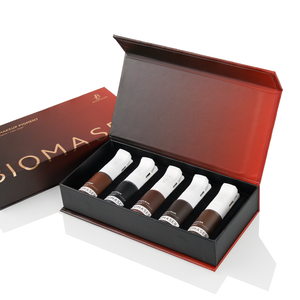
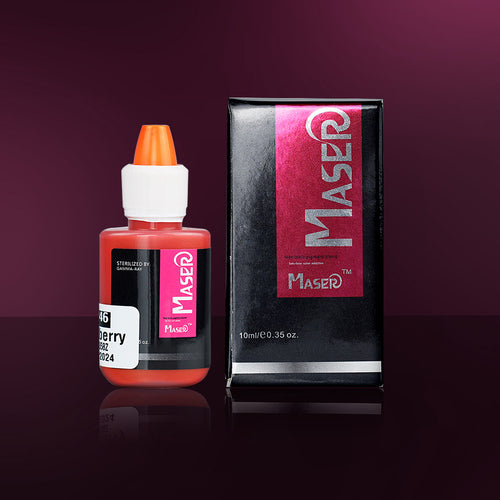
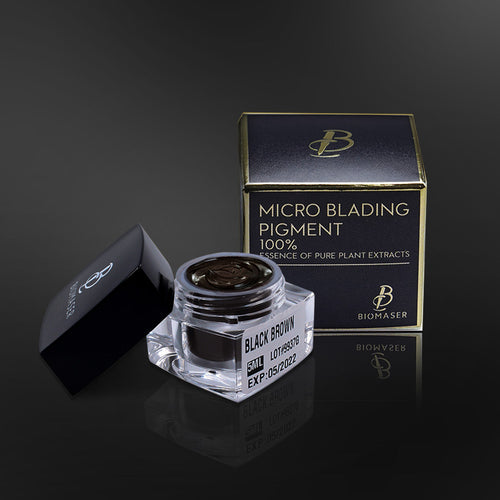
Biomaser Eyebrow & Eyeliner Pigment Collection
Which Type of Light Is Best for a PMU Studio?
Different light designs solve different problems. Your available space, treatment style, photography needs, and budget can help narrow the choice.
Ring Lights
Ring lights remain popular because they are easy to set up and can provide broad facial illumination. Many also include brightness and color-temperature controls. They can work well for PMU, especially for artists who also create photos or videos. Their main limitation comes from positioning. A ring light placed at a single angle can still create shadows, and its frame may get in the way of your hands or equipment.
So, in the ring light vs. half moon light for PMU comparison, do not focus only on the shape. Look at coverage, adjustability, working space, and shadow control.
LED Panel Lights
LED panels can provide a broad beam and strong illumination across the treatment area. Many models also allow brightness and color-temperature adjustments.
A single panel can work well in a smaller setup, but its direction still matters. You may need to reposition it during different procedures or add another light source to improve coverage. For artists who already use a separate setup for photography, an LED panel can also serve multiple purposes.
Half-Moon or Arc Lights
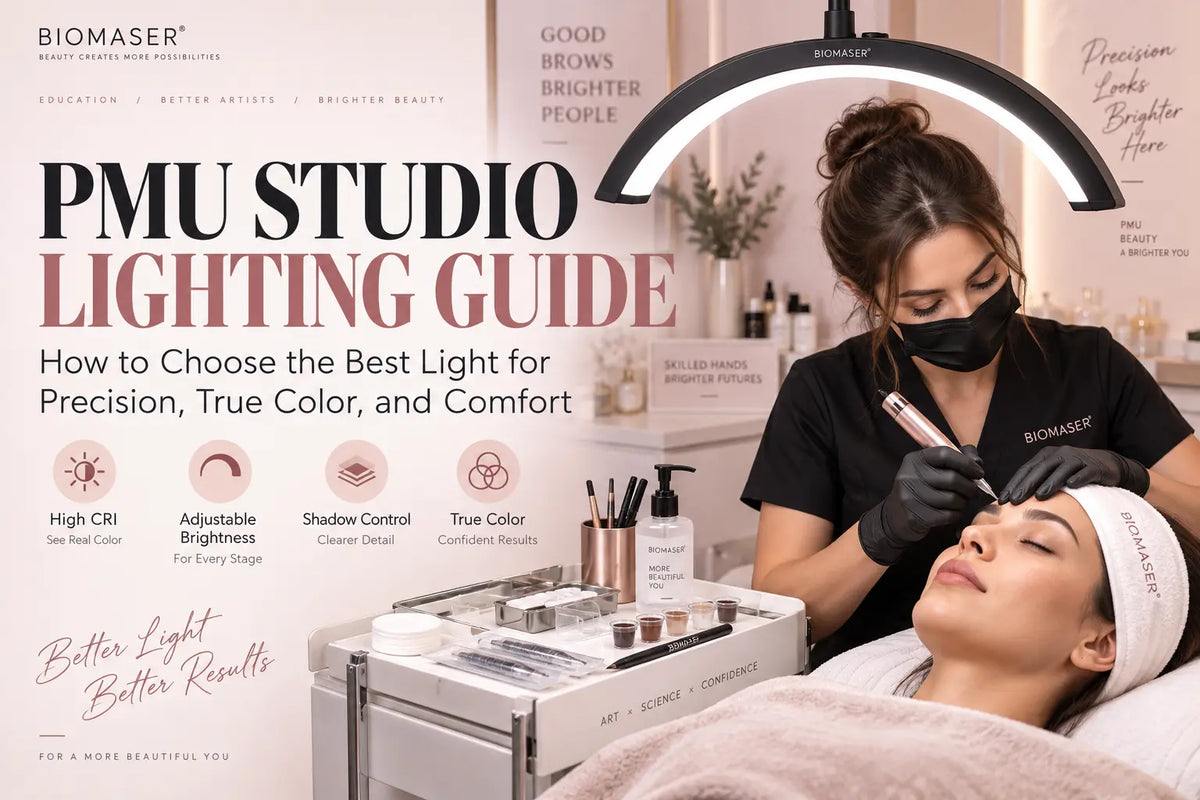
Half-moon and arc-style lights are designed to spread light across a wider area around the client’s face. This can help reduce shadows from the artist’s hands and facial contours. Their curved design can also leave more room for the artist to work through the opening rather than placing a large fixture directly between the artist and client.
For a dedicated PMU workstation, this type of light can be a practical choice when broad coverage and easy access are high priorities. Specialized PMU lighting sources frequently emphasize shadow reduction and ergonomic positioning with this design.
Magnifying Lamps
Magnifying lamps combine close-up lighting with magnification. They can be useful for highly detailed work, but they may not suit every PMU artist. Consider the size of the illuminated area, the position of the lens, and how easily you can move your hands around the fixture. A magnifying lamp can serve as a useful secondary tool rather than the main light for an entire treatment area.
How to Position Your Lighting for Better PMU Work
A high-quality light cannot perform well if it sits in the wrong place. Positioning should give you a clear view of the treatment area while keeping your workspace comfortable and consistent.
Keep the Treatment Area Evenly Lit
Place the main light close enough to illuminate the face without blocking your hands or equipment. Pay extra attention to areas that naturally create shadows, such as the brow ridge, eyelids, nose, and upper lip. Overhead room lights can provide ambient illumination, but they should not be your only source for detailed PMU work.
Avoid Mixed Color Temperatures
Using warm ceiling bulbs, cool task lighting, and daylight from a window at the same time can create an inconsistent visual environment.
If you are assessing pigment colors, try to keep the main working light controlled and consistent. This makes it easier to compare colors during different appointments.
Match the Light to Your Working Position
Sit in your normal treatment position and check the entire face from your usual working angles. You should not need to lean forward, twist your neck, or move your head around the fixture. The light also needs to leave enough room for your PMU device, tray, chair, and other permanent makeup accessories.
Use Natural Light Carefully
Natural daylight can provide a useful color reference, but it changes with the time of day, weather, and season. That makes it difficult to use as your only lighting source. A consistent artificial light gives you greater control over your treatment environment.

Biomaser Claro Wireless PMU & Tattoo Machine Kit with Needles & Accessories
How Lighting Fits Into Your Complete PMU Studio Setup
Lighting works best as part of a complete workstation. It should support your PMU device, pigments, supplies, and other tools rather than compete for space.
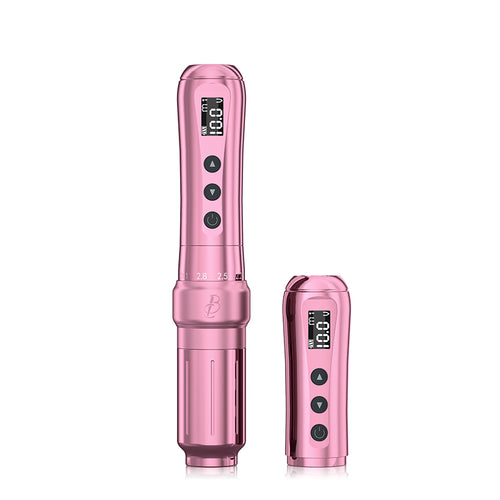
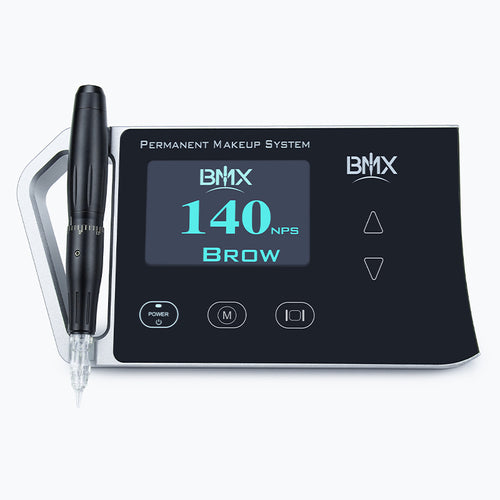
Lighting and Your PMU Device
Your PMU device needs to move freely around the treatment area. A large lamp or poorly placed stand can interfere with hand movement and force you into an awkward position.
Keep enough space around the treatment area so you can control the device while maintaining a clear view of the skin.
Lighting and PMU Pigments
Lighting also matters when you assess pigment appearance. Skin undertones and pigment colors can look different under different light sources.
A consistent, high-quality light gives you a more reliable visual reference while comparing pigments and assessing their appearance during a procedure.
Lighting as Part of Your Permanent Makeup Equipment
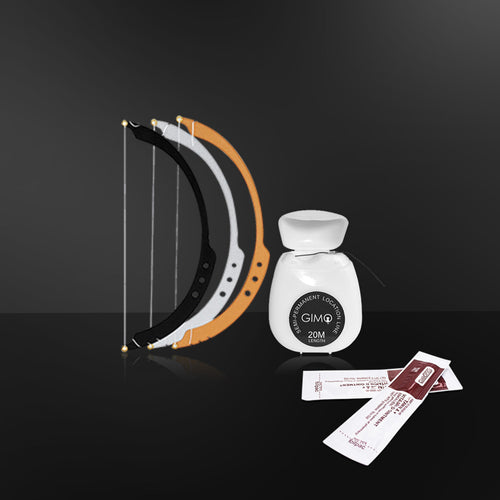
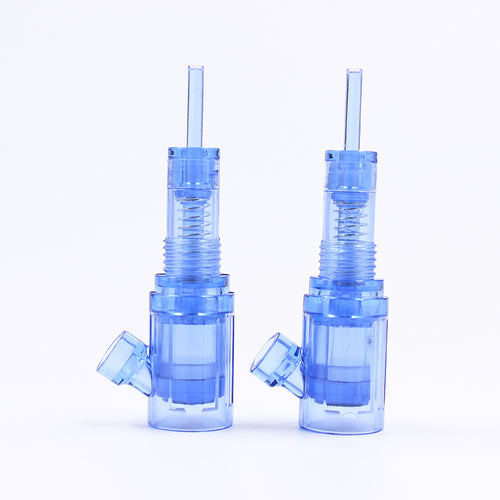
Your permanent makeup equipment may include cartridges, pigments, mapping tools, work trays, client furniture, and other supplies.
Permanent makeup tools and accessories should remain easy to see and reach without blocking the main light. A clean layout also makes it easier to keep the treatment area organized.
Match Your Lighting to the PMU Services You Perform
Your lighting needs can change with the type of PMU work you perform. A setup that works well for brows may need a few adjustments for lips or eyeliner.
Brows and Microblading
For microblading and brow procedures, focus on fine detail, mapping, symmetry, and shadow control. The best lighting for microblading should give you a clear view of the brow area without forcing you to lean toward the client.
Lip Blush
Lip procedures need even illumination across a wider area. Accurate color rendering also matters when assessing the lips and pigment. Avoid harsh shadows around the mouth that can make the treatment area harder to read.
Permanent Eyeliner
Eyeliner work requires close, controlled visibility around the eye. A light with flexible positioning can help you keep the treatment area visible without placing the fixture directly in your working path.
PMU Photography and Documentation
Your lighting can also affect treatment photos. Consistent color temperature and even facial illumination can make before-and-after images easier to compare.
If you use the same lighting approach for documentation, try to keep the position and settings consistent from session to session.
A Practical Checklist for Choosing Your PMU Studio Light
Use this checklist while comparing lighting options. The right choice should fit both your technical needs and the physical layout of your workstation.
Color Quality
- Look for CRI 90+.
- Consider 95+ for color-focused PMU work.
- Check the manufacturer’s lighting specifications.
- Remember that CRI does not describe every aspect of color quality.
Light Control
- Adjustable brightness
- Adjustable color temperature
- Even illumination
- Good shadow control
- Comfortable, low-glare output
Ergonomics
- Adjustable height
- Flexible positioning
- Stable base
- Enough room for your hands and PMU device
- A setup that supports an upright working position
Studio Fit
- Fits your treatment chair or bed
- Works within your available floor space
- Does not block other permanent makeup equipment
- Can support photography if needed
Choose PMU Lighting That Fits Your Workflow
The best lighting for permanent makeup should make every detail easier to see without causing glare, harsh shadows, or poor posture. Choose high color accuracy, adjustable brightness, even coverage, and a setup that fits your PMU studio. Your light should also work smoothly with your permanent makeup equipment and supplies. Find a setup that feels natural at the treatment chair, and you’ll have a clearer view of your work from start to finish.
PMU Studio Lighting FAQs
Q1: What Type of Lighting Is Best for a PMU Studio?
High-CRI, adjustable lighting with even coverage and good shadow control is a strong choice for most PMU studios. The ideal fixture also needs to fit your treatment chair, working distance, and available space.
Q2: What CRI Should a PMU Light Have?
A CRI of 90 or higher is a useful starting point. A rating of 95 or higher can be preferable for color-focused work. CRI should still be considered alongside color temperature, light distribution, and overall light quality.
Q3: Is a Ring Light Good for Permanent Makeup?
Yes, a ring light can work for PMU, especially in smaller workspaces or setups that also support photography. Check its color rendering, brightness control, positioning, and shadow performance rather than choosing it based on shape alone.
Q4: How Does Lighting Affect PMU Pigment Selection?
Lighting can change how skin and pigment colors appear to your eyes. Consistent, high-quality lighting gives you a more reliable visual reference for comparing pigments and assessing their appearance during a procedure. It does not replace proper pigment knowledge, technique, or other factors that affect healed results.
