




How Painful Is Permanent Makeup? A Pain Level and Sensation Guide

Do you dream of waking up with perfect brows or lips, but fear the needle holds you back? You aren't alone. It's normal to be scared, but the experience is probably not as scary as you think. When it comes to comfort levels for brows, eyeliner, and lips, this guide tells you exactly what to expect. Let's clear things up so you can feel calm and confident when you go to your appointment.
What Does Permanent Makeup Feel Like?
Permanent makeup uses a small needle to deposit pigment into the top layers of your skin. Unlike body tattoos that go deep, PMU stays shallow, which means closer to the surface. This makes a big difference in how it feels. You might feel:
Scratching
Most people describe it as a light scratching feeling, like someone gently dragging a fingernail across your skin. It's not sharp pain, but just annoying for some.
Vibration and Pressure
You'll feel the PMU machine buzzing against your skin more than the needle itself. Many clients say it feels like an electric toothbrush pressed against their face. The vibration feels strange, especially around your nose or forehead, but it doesn't hurt.
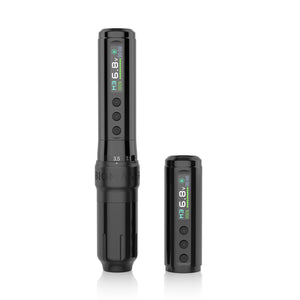
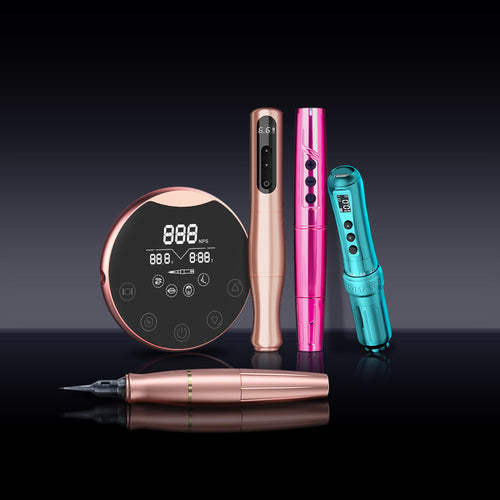
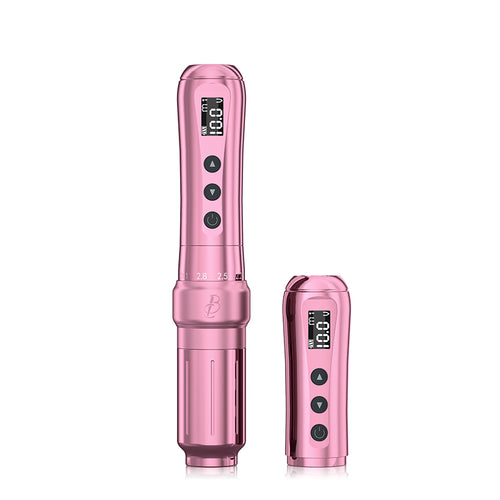
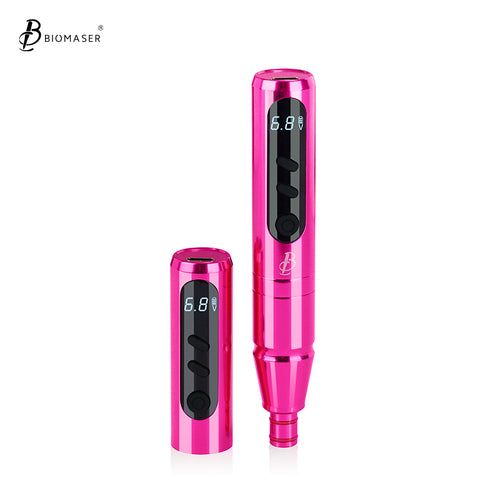
Biomaser Plenilune U1 Pro Wireless Tattoo & PMU Machine With Adjustable Stroke
Mild Stinging
You might feel a quick sting or "spicy" sensation in sensitive spots like the arch of your eyebrow or the cupid's bow of your lips. If this happens, your artist will apply more numbing gel to calm the area.
Because the needle only touches the top skin layers and numbing cream is used throughout, PMU feels much milder than body tattoos. Most clients find it more annoying than painful; it's manageable and quick.
A Realistic Pain Scale for PMU Procedures
We can use a standard pain scale ranging from 0 to 10 to help you picture what it's like. When a good permanent makeup anesthetic is used, most treatments are much lower on this scale than you might think.
| Pain Level (0-10) | Description of Feeling | Common Procedures |
| 0 - 2 (Low) | Little to no pain. You feel vibration or pressure, but you could easily fall asleep. | Microblading (after numbing), Powder Brows. |
| 3 - 5 (Mild) | Noticeable discomfort. It feels like scratching or light sunburn. Annoying but tolerable. | Eyeliner, Ombre Brows (first pass). |
| 6 - 7 (Moderate) | "Spicy" or stinging. Your eyes might water, or you may need a break. | Lip Blushing, some Eyeliner styles. |
| 8 - 10 (High) | Sharp, intense pain. This is very rare in PMU unless no numbing is used. | Traditional deep body tattoos on sensitive spots. |
Once the numbing cream kicks in, most clients say their pain is between 2 and 4. If you ever feel like you're getting close to a 6 or 7, your artist can adjust their technique or put more anesthetic on the skin.
Breaking Down Pain Levels by Different PMU Types
Different parts of your face have different levels of sensitivity. Here's what to expect for each type of PMU.
Eyebrows (Microblading / Ombre Brows)
Pain level: 2–4 out of 10
Eyebrows are the easiest area to get done. The skin here is thicker and less sensitive than your eyes or lips. You'll feel light scratching or scraping, but it's mild. With microblading, you'll mostly hear a scratching sound. With machine brows (ombre or powder), you'll hear a low hum.
The discomfort is so mild that many clients actually fall asleep during their appointment.
Eyeliner Tattoo / Lash Line Enhancement
Pain level: 4–6 out of 10
Having a needle near your eye sounds scary, but it's not as bad as you'd think. The eyelid skin is very thin, so artists use an extremely light touch. It feels more like tickling or gentle pressure along your lash line than actual pain.
Your eyes will probably water and that's just a natural reflex. Some people feel occasional stinging, but topical numbing keeps it manageable.
Lip Blushing / Lip Tattoo
Pain level: 5–7 out of 10
Lips are the most sensitive area for PMU. They have thin skin packed with nerve endings, which makes them feel more intense. You'll likely feel stinging, tingling, or a heat-like sensation as the artist works.
Lips also swell faster than other areas, which adds to the feeling of tightness during your session. Numbing cream helps a lot, but lips still tend to feel more than brows or eyeliner.
What Factors Influence Your PMU Pain Level
Pain is subjective, and several variables can shift your experience from comfortable to uncomfortable. Being aware of these factors allows you to control them where possible.
- Menstrual Cycle: Your body is significantly more sensitive to pain just before and during your period.
- Anxiety Levels: If you are tense, your body releases stress hormones that amplify pain signals.
- Caffeine Consumption: Drinking coffee before your appointment can make you jittery and increase skin sensitivity.
- Artist Technique: A heavy-handed artist will hurt more than one who uses a gentle, layering approach.
- Skin Type: Thinner or mature skin may feel the vibration more intensely than younger, thicker skin.
- Previous Skin Damage: Scar tissue from old tattoos or injuries can sometimes be more sensitive to rework.
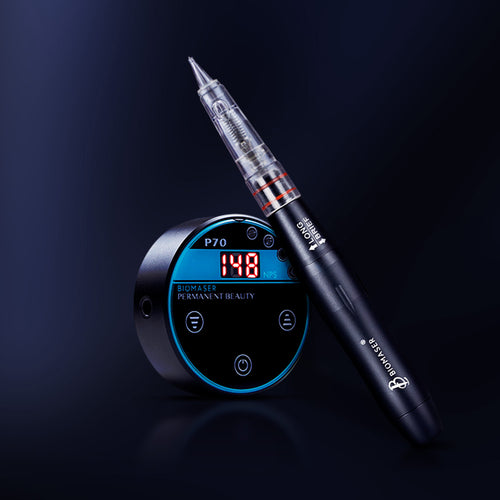
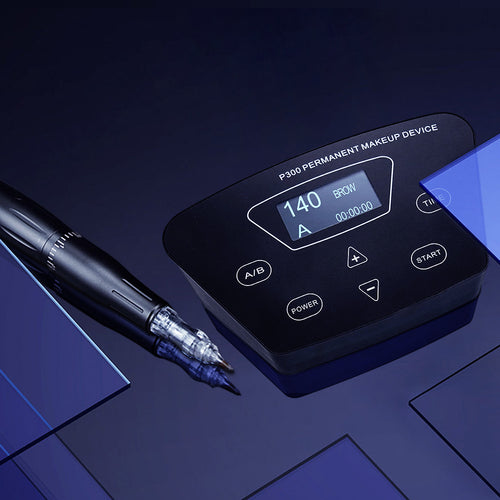
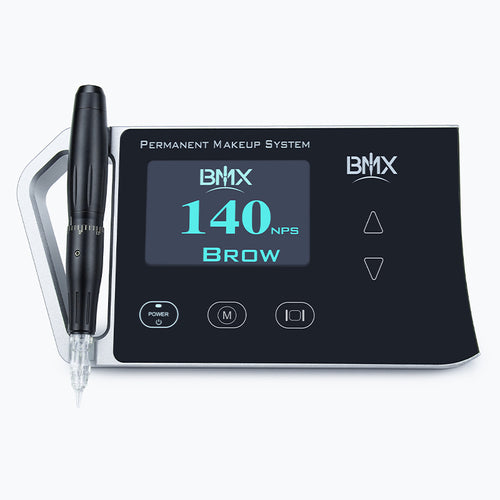
- Professional Digital Machine: A high-quality digital device ensures a stable needle frequency, reducing skin pulling and making needle penetration smoother, which decreases discomfort.
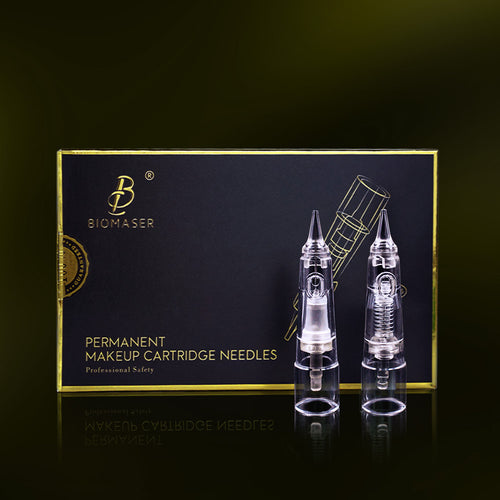
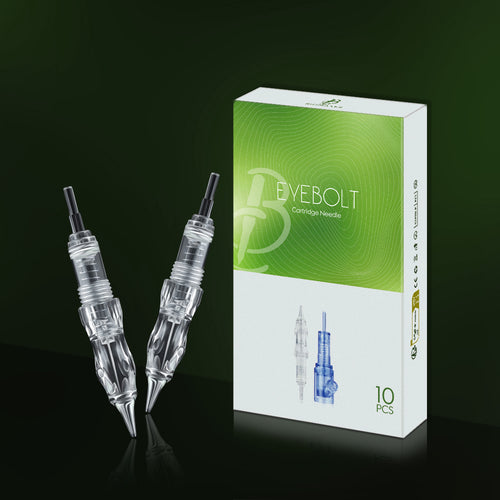
- Sharp, High-Quality Needles: Using single-use, fine, and sharp needles allows clean penetration instead of tearing the skin, which significantly reduces pain and promotes faster healing.
While you cannot change your genetics or skin type, you can time your appointment wisely. Avoiding caffeine and scheduling around your cycle are simple ways to keep your pain threshold high.
Why PMU Hurts Less Than Body Tattoos
If you have a traditional tattoo on your body, you might be expecting that same dragging, burning pain on your face, but they are quite different. Modern digital PMU machine technology is designed specifically for delicate facial features.
Shallower Needle Depth
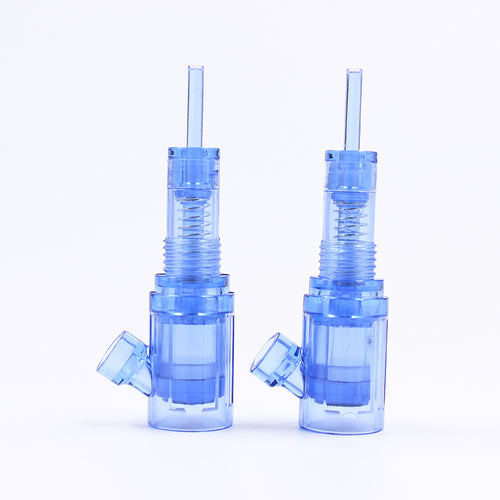
Body tattoos deposit ink deep into the dermis to ensure the bold lines last a lifetime. In contrast, PMU cartridge needles are designed to deposit pigment very superficially in the upper dermis. This shallower depth means the needle bypasses many of the deeper pain receptors that body tattoos aggravate.


Less Pigment Density
Permanent makeup is about layering soft color to create a natural look, known as "pixelating." Traditional tattoos often require packing solid color into an area, which causes significant trauma to the skin. The airy, light movement of a PMU device creates much less resistance and trauma.
More Advanced Numbing Protocols
In the traditional tattoo industry, numbing cream is often frowned upon because it can change the skin texture. In the PMU industry, it is the standard. Artists use pre-numbing agents before they start and secondary numbing gel on broken skin throughout the process to keep you comfortable.
Summary:
The combination of refined equipment, lighter hand pressure, and chemical anesthetics makes cosmetic tattooing a much milder experience than body art. The goal is enhancement, not deep saturation, which saves you a lot of discomfort.
How to Make Permanent Makeup Hurt Less
You can take steps to make sure everything goes smoothly, instead of being a passive participant in this process. Getting ready is the key to a pain-free experience.
- Skip the Morning Coffee: Caffeine increases blood pressure and sensitivity, so switch to decaf for the day.
- Eat a Good Meal: Going in on an empty stomach can make you feel lightheaded and lower your pain tolerance.
- Stay Hydrated: Well-hydrated skin takes pigment easier, meaning the artist has to make fewer passes.
- Bring Headphones: Listening to a podcast or music can distract your brain from the sound of the machine.
- Communicate: If you feel a spot getting "spicy," tell your artist immediately so they can re-apply numbing gel.
Treat your body well before you arrive at the studio. A calm, fed, and hydrated body handles the minor stress of the procedure much better than a caffeinated, hungry one.
What to Expect After the Procedure (Healing Sensations)
After your appointment, you'll go through a healing phase. Here's what's normal and what's not.
The First 1–2 Days
The treated area will feel sore and tight, similar to a mild sunburn. It may feel warm and tender to the touch.
- Lips: Expect more swelling and sensitivity during the first 24 hours. They'll feel very dry and puffy, almost like you got lip filler. This is the worst part, and it typically calms down by the next morning.
- Eyeliner: You might have slight puffiness or watery eyes for a day or two.
- Brows: Minimal discomfort. Most people barely notice anything.
Days 3–7: The Itchy Phase
Around day three or four, your skin will start to peel and flake. This is the most annoying part because you'll feel itchy but can't scratch. The itching means your skin is healing. You need to let the dry skin fall off naturally—don't pick at it or you'll pull out the pigment.
Other Normal Sensations
- Tightness as the area heals
- Dryness that makes the skin feel stiff
- Sensitivity to touch
Product Sensitivity
For the first week, only use the ointment your artist recommends. Makeup, harsh cleansers, and strong skincare ingredients (like retinol) will sting and can disrupt healing.
When to Get Help
Contact your artist or a doctor if you notice:
- Unusual pain that gets worse instead of better
- Excessive swelling that spreads
- Signs of infection (pus, extreme redness, heat, or fever)
FAQs
Q1: Does permanent makeup hurt even with numbing?
Numbing agents significantly reduce pain signals, often making the procedure feel like simple pressure or vibration. However, you may still feel scratching sensations or mild stinging in highly sensitive areas. Most clients find the sensation annoying rather than painful and are surprised by how easy the process is.
Q2: Which PMU procedure is the most painful?
Lip blushing is generally considered the most sensitive procedure. The lips have a high concentration of nerve endings and very thin skin, making them more reactive than brows or eyelids. However, artists use strong secondary anesthetics that work rapidly on broken skin to keep the discomfort manageable.
Q3: Does PMU hurt more than a tattoo?
No, permanent makeup is significantly less painful than a traditional body tattoo. This is due to the shallow depth of the needle insertion, the lighter hand pressure used by the artist, and the extensive use of topical numbing creams, which are standard in cosmetic procedures but rare in traditional tattooing.
Q4: Can I take painkillers before my appointment?
You should avoid aspirin, ibuprofen, or any blood-thinning painkillers for at least 24 hours before your appointment, as these can cause excessive bleeding and affect pigment retention. Acetaminophen (Tylenol) does not thin the blood and is generally considered safe to take, but always consult your artist first.
Book Your Permanent Makeup Session
If you are ready to save time on your morning routine, find a qualified artist who uses quality permanent makeup supplies and book your consultation today!
