












Is PMU Under-Eye Camouflage Right for You? Benefits, Limitations, and What to Expect

Key Takeaways
- PMU under-eye camouflage can help create a more even-looking under-eye tone, especially when discoloration comes mainly from pigmentation.
- It cannot correct every type of dark circle, such as hollowness, structural shadows, or visible blood vessels.
- Results can last for a long time, but color may fade or change, and removal can be difficult.
- A professional consultation, realistic expectations, safe practices, and proper aftercare should guide the decision.
Dark circles can have several causes, so the right cosmetic option can vary from person to person. For some people, the main concern is pigmentation. For others, thin skin, visible vessels, puffiness, or a hollow under-eye area creates much of the darker appearance.
PMU under-eye camouflage offers a long-lasting way to reduce the visible contrast caused by certain types of discoloration. The process uses permanent makeup techniques to place pigment into the skin rather than sitting on the surface like concealer. That makes the decision different from choosing a new makeup product. It is worth looking at the potential benefits, limitations, risks, and healing process to decide if this treatment fits your needs.
What Is PMU Under-Eye Camouflage?
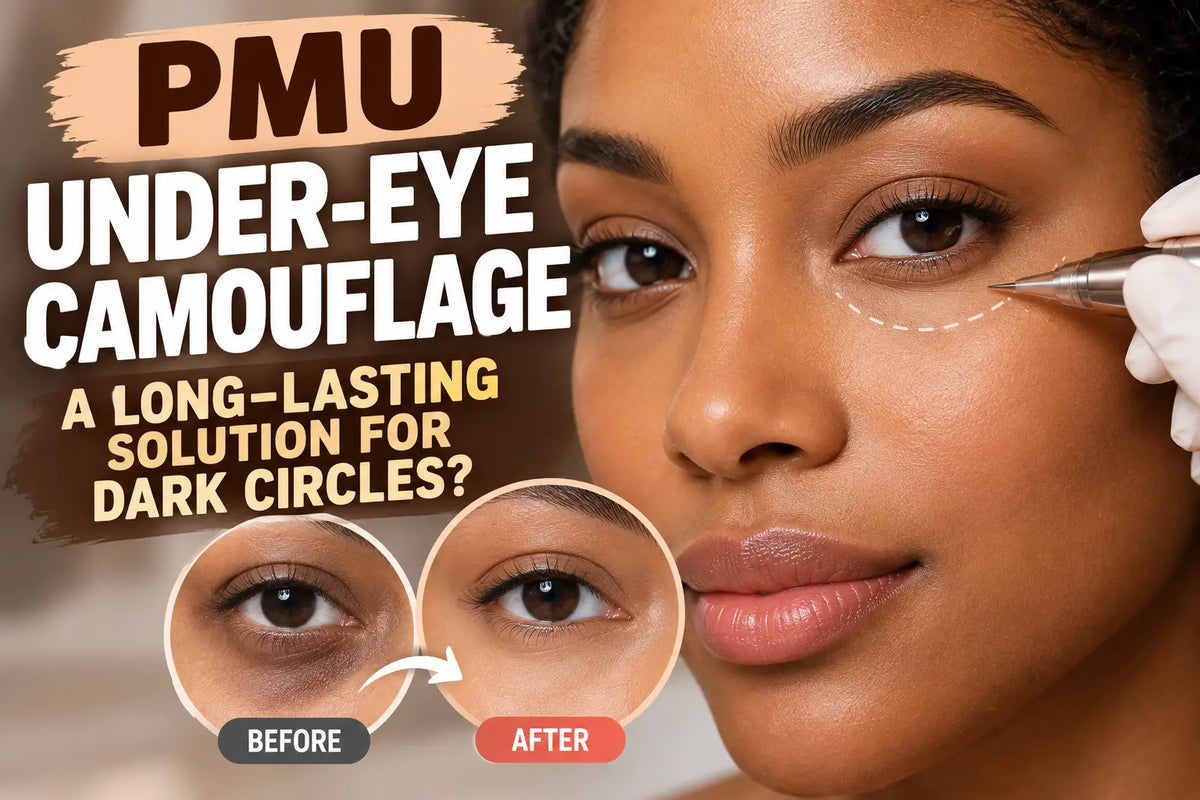
PMU under-eye camouflage uses micropigmentation to make the skin beneath the eyes look more even in color. A practitioner selects a pigment based on the client's skin and discoloration, then places it into the skin with a PMU device.
How Under-Eye Camouflage Works
Traditional concealer sits on the surface of the skin and can be removed at the end of the day. Under-eye camouflage uses permanent makeup techniques, so the pigment remains in the skin after the treatment and healing process. A well-planned treatment aims for a smoother visual transition between the darker area and the surrounding skin.
What Under-Eye Camouflage May Address
Under-eye camouflage may be considered for visible pigment-related discoloration, including some brown or gray-brown areas. The treatment may help reduce the contrast that makes these areas stand out.
Dark circles can also come from vascular factors, thin skin, facial anatomy, or shadows from hollows and tear troughs. Medical reviews describe dark circles as a multifactorial concern, so identifying the main cause matters when choosing a cosmetic treatment.
What It Cannot Correct
- Pigment cannot fill a hollow or change the shape of the bone and soft tissue beneath the eye. If the darker appearance mainly comes from a tear trough or another structural shadow, camouflage may have limited value.
- It also cannot remove visible blood vessels or treat an underlying skin condition. A consultation can help determine if pigment camouflage matches the concern you want to improve.
What Are the Benefits of Under-Eye Camouflage?
Looking at the potential under-eye camouflage benefits can help you decide if a long-lasting cosmetic treatment fits your daily routine and appearance goals.
A More Even-Looking Under-Eye Tone
The main goal is to reduce the visible contrast between a darker area and the surrounding skin. With suitable pigment selection and a healed result that blends well, the under-eye area may look more uniform.
Less Reliance on Daily Concealer
People who regularly use concealer to cover discoloration may like the convenience of a long-lasting camouflage option. You may still choose to wear makeup, but the amount needed to cover the treated area could be reduced.
A Long-Lasting Cosmetic Option
Unlike topical makeup, PMU pigment remains in the skin. This can make it appealing to people who want a lower-maintenance approach to visible discoloration.
Still, "long-lasting" should not be treated as "unchanging." Permanent makeup can fade, and its appearance can shift over time.

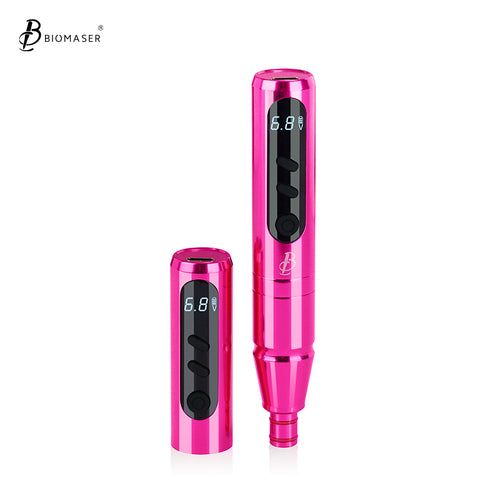
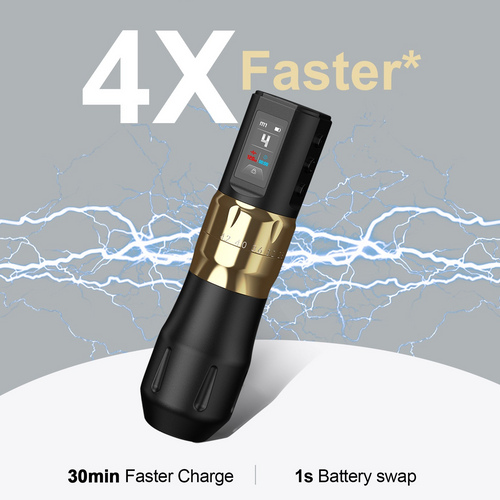
Biomaser Claro Wireless Tattoo & PMU Machine with RCA
What Are the Limitations of PMU Under-Eye Camouflage?
The potential benefits only tell part of the story. Knowing the limitations can help you set a realistic target and avoid expecting pigment to solve every type of dark circle.
It Does Not Treat Every Cause of Dark Circles
Dark circles may result from pigmentation, vascular visibility, thin skin, swelling, wrinkles, or structural shadows. Some people have several of these factors at the same time.
If your main concern comes from a hollow under-eye area, for example, pigment will not add volume or remove the shadow created by that hollow.
Color Can Change Over Time
PMU pigments can fade or change in appearance as the skin ages and the pigment interacts with the surrounding tissue. Sun exposure and changes in the treated area can also affect how the result looks over time.
Removal Can Be Difficult
Permanent makeup requires more commitment than regular makeup. If the result is not what you hoped for, removing implanted pigment may require additional procedures, and complete removal cannot be guaranteed.
The FDA notes that tattoos and permanent makeup can be difficult to remove and may sometimes leave permanent discoloration.
A Perfect Skin-Tone Match Is Not Guaranteed
The under-eye area does not always match the rest of the face. Skin tone, undertone, existing pigmentation, and the condition of the skin can all affect the final appearance. For that reason, a practitioner should assess the actual treatment area rather than simply selecting a pigment that looks similar to your foundation shade.
Who Is a Candidate for Under-Eye Camouflage?
There is no single checklist that makes someone a perfect candidate. A consultation should focus on the type of discoloration, skin condition, treatment goals, and expectations.
People With Pigment-Related Discoloration
People whose main concern is visible pigmentation may have a clearer reason to consider camouflage than people whose darkness mainly comes from deep hollows or shadows. That does not guarantee a particular result. It simply makes the treatment goal more closely aligned with what pigment camouflage can change visually.
People With Realistic Expectations
A good candidate should know that the goal is cosmetic camouflage rather than complete removal of every dark-circle factor. It is also important to accept that the color may change during healing and that future maintenance may be needed.
People Ready to Follow Aftercare Instructions
PMU aftercare plays an important role in the healing process. Clients should be prepared to follow the practitioner's instructions about keeping the area clean, avoiding unnecessary irritation, and protecting the treated skin.
When Professional Assessment Is Especially Important
Extra care may be needed if the treatment area has active irritation, inflammation, infection, open skin, or a recent cosmetic procedure.
Tell the practitioner about relevant allergies, previous reactions to pigments or tattoos, and recent treatments around the eyes. PMU can cause infectious, allergic, and inflammatory complications, particularly when hygiene and aftercare are inadequate.
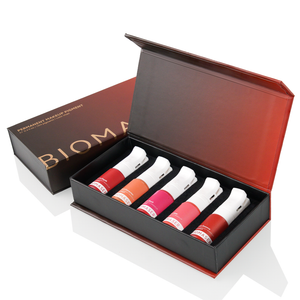
Biomaser Lips Pigment Collection
What Should You Expect From the PMU Under-Eye Camouflage Process?
Knowing the basic steps can make the consultation more productive and give you a clearer idea of what the treatment involves.
Consultation and Skin Assessment
The practitioner should first discuss your goals and examine the under-eye area. This includes looking at the color and pattern of the discoloration, surrounding skin, and factors that may affect the result.
A useful consultation should also cover your expectations, relevant skin history, previous cosmetic procedures, and aftercare requirements.
Pigment Selection and Treatment Planning
PMU pigments should be selected for the individual client rather than chosen from a simple "light skin" or "dark skin" formula.
The practitioner may consider skin tone, undertone, existing discoloration, and the desired healed appearance. The goal is a natural-looking transition rather than an obvious block of color.
Healing and Color Changes
The fresh result may look different from the healed result. Temporary redness, swelling, or other skin changes can occur after micropigmentation, and the color can appear stronger during the early healing period. Under-eye camouflage healing should be judged over time rather than based only on the immediate appearance. If you plan to track your progress, consistent photos can help.
Maintenance and Future Touch-Ups
PMU is long-lasting, but it does not promise a fixed appearance for life. Fading and color changes can occur, so some clients may choose a future touch-up based on their healed result and practitioner advice. The timing should be individualized rather than based on a universal schedule.
What Are the Risks and Safety Considerations?
Because PMU places pigment into the skin, safety deserves as much attention as the cosmetic goal.
Infection and Hygiene
Unclean equipment or poor hygiene can increase the risk of infection. The FDA advises consumers to confirm that tattooing equipment and needles are clean and sanitary. Ask how the practitioner handles needles, equipment, pigments, surface preparation, and disposal.
Allergic and Inflammatory Reactions
Some people can develop reactions to tattoo or permanent makeup inks. Reported complications include allergic and inflammatory reactions, as well as infection and scarring. If you have a history of reactions to tattoos, pigments, or cosmetic products, share that information during the consultation.
H3 Pigment Migration and Unwanted Color Changes
Implanted pigment can sometimes move outside the intended area or develop an unwanted appearance. Pigment placement and the condition of the skin can affect the cosmetic result. The risk is another reason to choose an experienced practitioner and avoid treating the procedure like ordinary makeup application.
Choosing a Qualified Practitioner
Look for a practitioner with relevant PMU training and experience with under-eye work. Ask to see healed results rather than relying only on fresh treatment photos. Also check the requirements that apply in your state or local area. PMU regulation and training requirements vary across the United States.
What Questions Should You Ask Before Choosing Under-Eye Camouflage?
A detailed consultation can help you decide if the treatment fits your goals and gives you a chance to discuss concerns that may not be obvious from photos alone.
- Is my under-eye darkness mainly pigmentation, vascular color, or structural shadowing?
- What result is realistic for my skin?
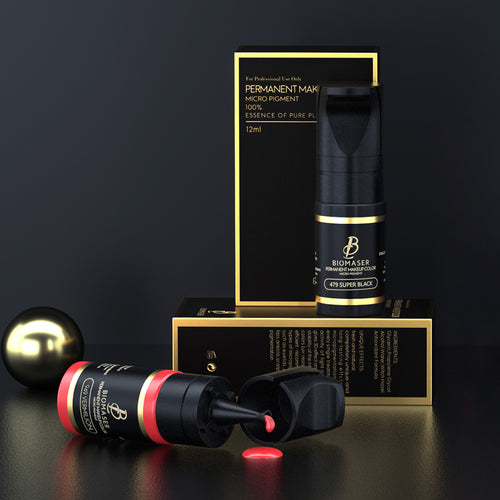
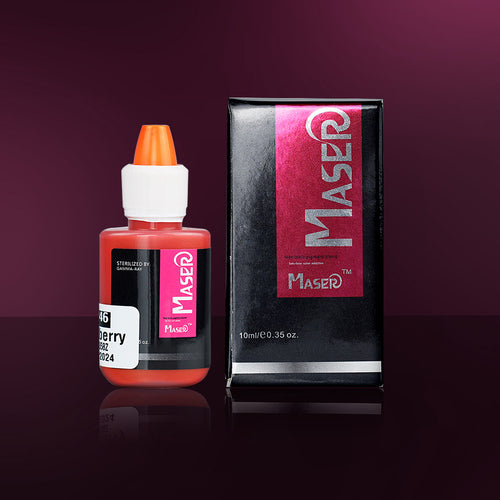
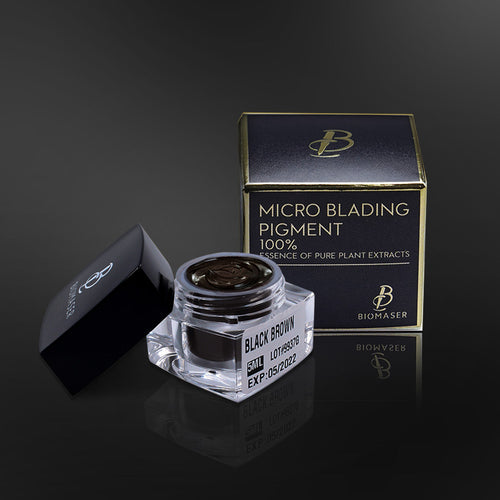
- Which PMU pigment system will be used?
- What should I expect during healing?
- What permanent makeup aftercare will I need?
- What options are available if I am unhappy with the healed result?
- How much experience do you have with under-eye camouflage?
Asking these questions can also help you compare practitioners based on their process, communication, hygiene practices, and experience.
Decide on Under-Eye Camouflage With Realistic Expectations
The best starting point for PMU under-eye camouflage is a professional assessment that looks at the actual source of the darkness, your skin characteristics, and your desired result. Take time to review healed work, ask about PMU pigments and safety practices, and learn the required PMU aftercare.
Permanent makeup for dark circles is still a long-term cosmetic decision. Knowing both the potential benefits and the under-eye camouflage risks can help you decide if the treatment fits your needs.
Frequently Asked Questions About Is PMU Under-Eye Camouflage Right for You? Benefits, Limitations, and What to Expect
Q1: Is PMU Under-Eye Camouflage Permanent?
PMU is designed to be long-lasting because pigment is implanted into the skin, but its appearance can fade or change over time. Removal can also be difficult, so it should be treated as a long-term cosmetic decision.
Q2: Can Under-Eye Camouflage Remove Dark Circles Completely?
No. Under-eye darkness can come from pigmentation, vascular factors, thin skin, hollows, or structural shadows. Camouflage mainly changes the visual appearance of discoloration and does not correct every underlying cause.
Q3: How Long Does PMU Under-Eye Camouflage Last?
There is no single lifespan that applies to every client. Pigment can fade and change over time due to individual skin characteristics, exposure, and other factors. A practitioner can give more specific expectations based on the pigment system and your skin.
Q4: What Happens During Under-Eye Camouflage Healing?
The treated area may look stronger or different immediately after treatment and can experience temporary redness or swelling. The color settles as the skin heals, so the fresh result should not be treated as the final appearance. Following the practitioner's aftercare instructions is important during this period.
