





How to Clean Tattoo Practice Skin and Remove Excess Ink

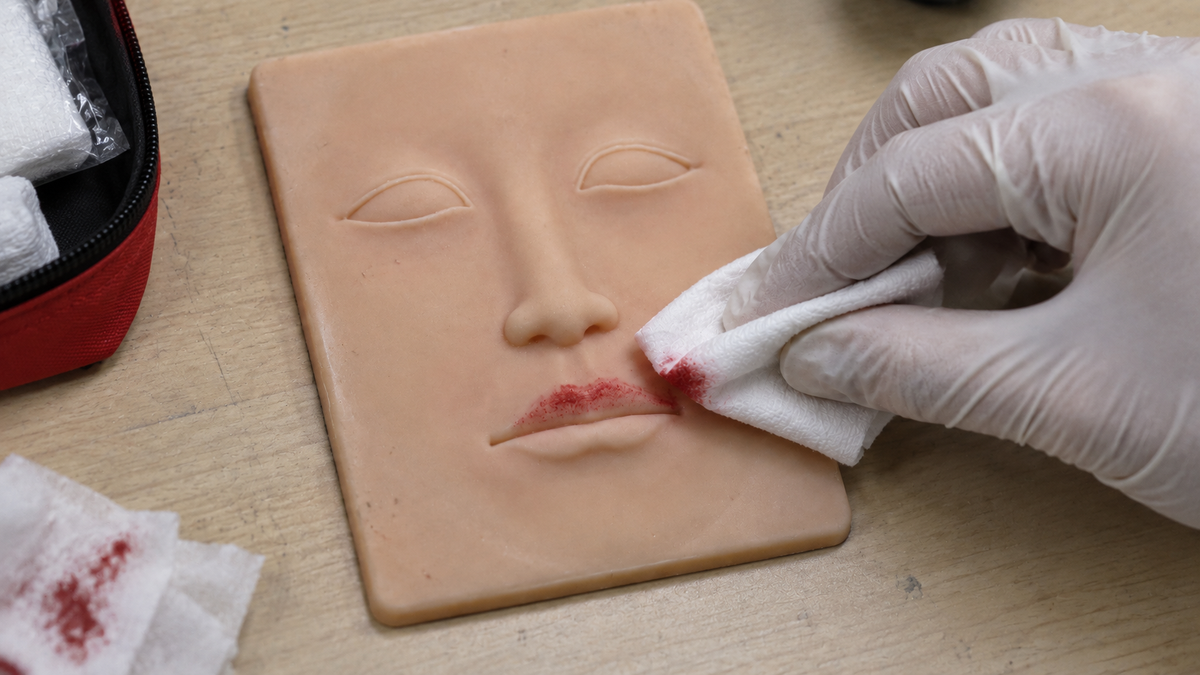
Ink left on practice skin can hide the next line, make a clean sheet look worn out, and make it harder to tell whether a mark came from your latest pass. Cleaning is therefore part of getting useful practice feedback.
Wipe excess ink while the mark is still fresh
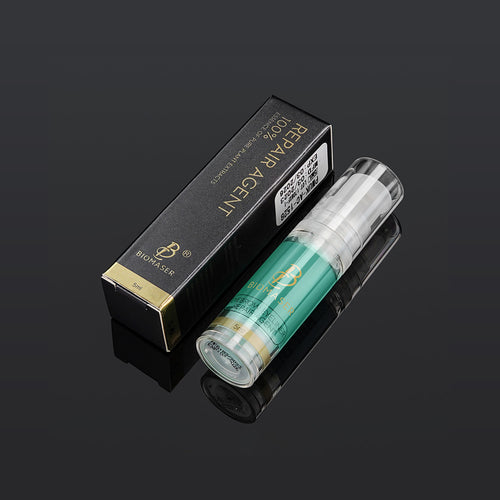
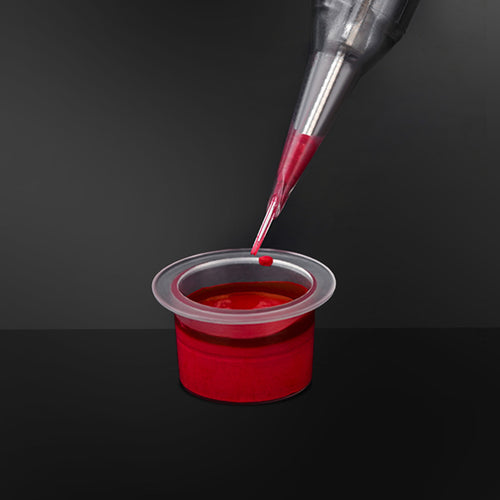
During a tattoo, PMU, or microblading drill, remove excess pigment before judging the line. First blot any pool of loose ink with a clean paper towel instead of dragging it over the design. For the film that remains, apply a small amount of BIOMASER All PMU Foam Cleanse and wipe gently with a clean section of towel, following the product directions. When using it on a new practice-skin material, test a small, inconspicuous area first. A very thin layer of petroleum jelly can also help lift loose pigment; use only a small amount and stop if the surface becomes tacky or changes texture.
Wipe in one direction when possible, then fold to a clean part of the wipe before making another pass. This keeps pigment from being spread back across the sheet. If a mark remains visible after the excess ink is removed, evaluate the mark itself instead of repeatedly rubbing the same area.
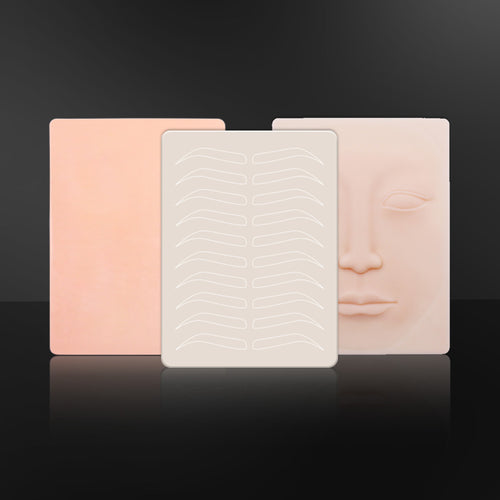
The Biomaser 3D practice skin has a surface that is easy to wipe during practice.

Clean the sheet after a practice session
When the session is finished, remove loose pigment before putting the sheet away. If petroleum jelly leaves a film, use a small amount of mild soap and lukewarm water only when the product's care instructions allow it. Do not immerse a shaped piece simply because a flat sheet can be rinsed. If no care instruction is available, test the method on a small, inconspicuous area first and check whether it leaves tackiness, whitening, swelling, or a change in surface texture.
Avoid treating a stronger solvent as a better cleaner. Abrasive pads, scraping tools, and untested solvents can roughen the surface or change how a needle, blade, or pen moves across it. That can create a new training problem: the sheet may feel different because it was damaged during cleanup, not because your technique changed.
Do not soak a shaped practice skin unless its care instructions explicitly allow it. Water or cleaner trapped around raised features, edges, or backing material can make storage harder and may affect the sheet's shape. Wipe away remaining moisture and let the surface dry fully before storing it flat or in the position recommended by the manufacturer. Keep it covered to prevent dust, pigment, or residue from settling on the surface.
When a stain is only cosmetic
Some pigment can leave a tint even after the surface is clean. A light stain does not automatically mean the sheet is unusable. Check whether the working surface is still smooth, whether the shape has recovered, and whether new marks remain easy to see against the background.
Keep using the sheet when:
- the surface is intact and does not shed or tear;
- the sheet still lies or sits in its intended shape;
- old pigment does not obscure the new mark you are evaluating; and
- cleaning has not made one area noticeably slick, gummy, or rougher than another.
Consider replacing it when residue hides the marks you need to assess, the surface has cuts or deep grooves, the sheet stays warped, or cleaning has changed its response. A low-cost sheet is no longer saving time if you have to guess whether a result came from your movement, the old stain, or a damaged surface. If replacement is necessary, compare silicone, rubber-based, and vinyl practice skins by surface response, rebound, and consistency before choosing the next sheet.
A simple cleanup check before the next drill
Before starting another exercise, inspect the sheet under the same light you use to judge your work. Wipe away visible residue, let the surface dry, and make one small test mark in an unused area. If the mark is clear and the surface feels consistent, continue with the planned drill. If the test area feels unusually slippery, sticky, or uneven, move to another part of the sheet or replace it.
Cleaning should make the next practice result easier to read. It should not become a way to force a damaged sheet back into service or a reason to use pressure, solvent, or repeated passes that the material was not designed to tolerate.
If a clean, undamaged sheet still seems to require extra force or repeated passes, see why fake skin can feel harder to tattoo than real skin before changing your pressure.
