




The 3-Point Stretch: An Essential Skill for Flawless Permanent Makeup
Achieving sharp, flawless lines in permanent makeup requires more than just skilled hands. The skin being worked on stretches, wrinkles, and moves unpredictably—even the most confident, skilled strokes can turn into a shaky mess. This is where proper stretching methods come into play: they transform unpredictable skin into a smooth work surface.
Why Stretching the Skin Correctly Changes Everything in Permanent Makeup (PMU)
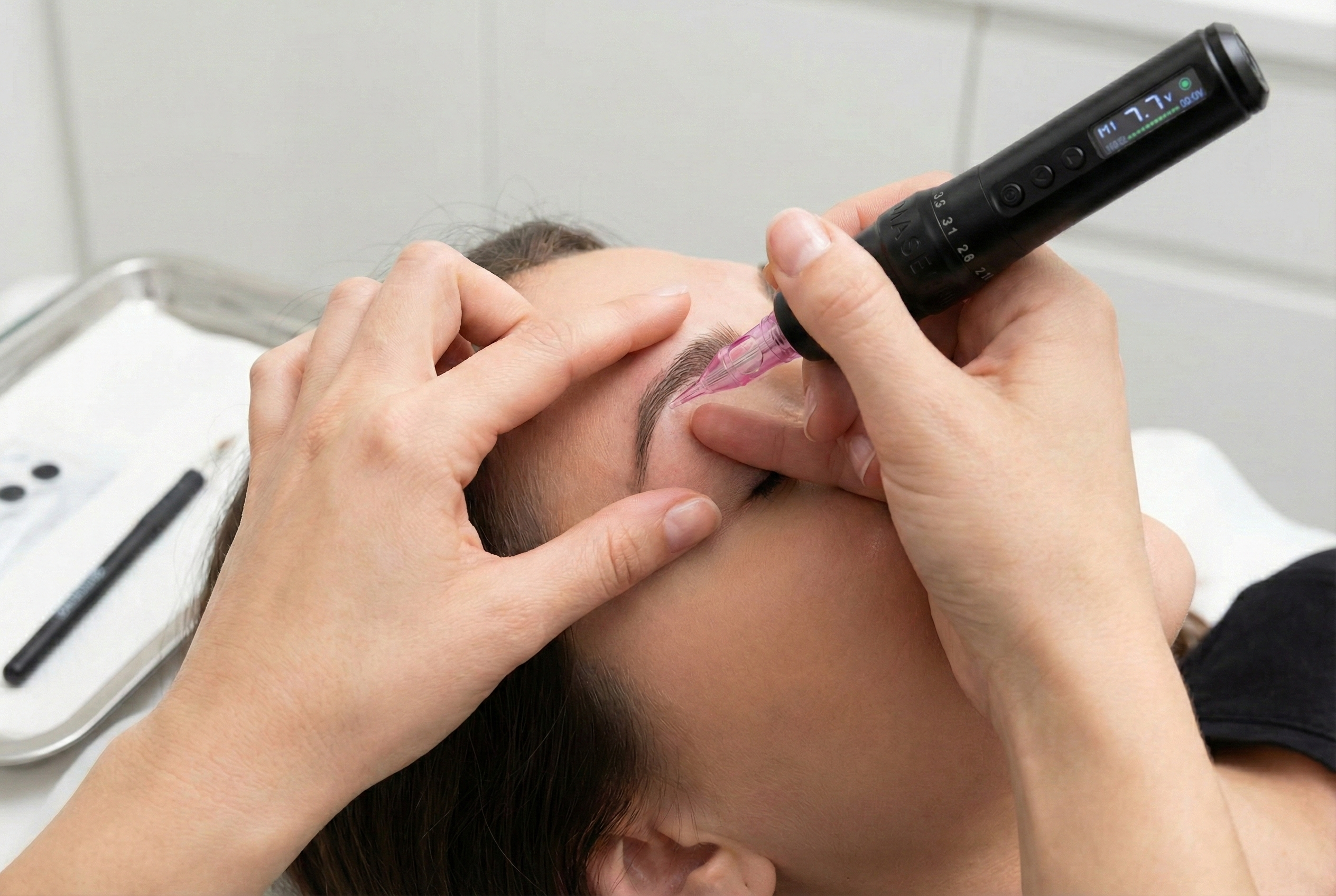
The 3-Point Stretch: This technique uses the fingers of both hands to stretch the skin in three directions. Here’s how it works: one hand uses two fingers to spread and anchor the skin, while the working hand extends the pinky finger or uses the palm to establish this crucial third pressure point. This triangular formation keeps the skin flat, eliminates any bouncing movement, and provides a stable surface for precise pigment placement.
What Happens Without Proper Stretching?
The blade or needle faces a constantly shifting surface. Loose skin causes uneven pigment levels, wavy lines, and poor retention. Pigment may settle too shallowly in one spot and excessively deep in another. When this happens, the result can be patchiness or an unsightly blur.
What Happens With Correct Stretching?
A well-stretched surface ensures the needle always enters at the right angle. PMU pigment is deposited exactly where it should be—in the upper dermis. The result is clean, predictable, and professional.
Good stretching also reduces trauma. Stable skin means fewer passes to achieve the ideal color. Fewer passes lead to better healing and more satisfied clients.
When the 3-Point Stretch Is Especially Important
Not all permanent makeup procedures face the same challenges. Some skin types and techniques demand extra attention to stretching.
Working With Aging or Thin Skin
Older clients present unique challenges, as their skin loses elasticity. What once snapped back quickly now becomes saggy, wrinkled, and moves unpredictably. Eyelids, in particular, grow thin and paper-like. In these cases, a firmer, more deliberate stretch is needed—always with gentleness, as thin skin bruises easily.
Creating Realistic Hair-Like Strokes
Microblading and hair-by-hair stroke techniques require absolute precision. Each stroke must resemble a natural hair: perfectly straight lines with consistent depth. Any tremor becomes immediately visible.
Semi-permanent makeup techniques involving detailed work—whether on eyebrows, eyeliner, or lip definition—rely on skin that doesn’t move mid-stroke. The difference between a sharp stroke and a blurred one usually lies in how well the skin was stretched.
Getting Initial Strokes Right Is Critical
Starting well is more important than you might think. Initial strokes establish the foundation for the entire procedure.
Beginning on well-stretched skin offers two key benefits: first, it minimizes tissue damage; second, it ensures pigment is deposited cleanly. Subsequent passes layer more evenly over this solid base, allowing color to build without creating patches or irregularities.
How to Perform the 3-Point Stretch (Step-by-Step)
Mastering finger placement takes practice, but the principles are consistent across different procedures.
1. Position Your Anchor Fingers First
Start with your non-dominant hand. Place your index and middle fingers over the area to be treated. For eyebrows, position one finger above the brow line and one below, keeping a slight gap between them. This creates the first two tension points. Some professionals prefer using the thumb and index finger—both options work. Let comfort and a sense of control guide your choice.
2. Add the Third Point With Your Working Hand
The working hand serves two functions simultaneously: while holding the tool, extend your pinky finger or use the side of your palm to pull the skin in the opposite direction of the anchor fingers. This completes the tension triangle. The key is to maintain all three tension points consistently and simultaneously.
3. Stretch Small Sections at a Time
Avoid stretching an entire eyebrow at once. Working on areas the size of your thumbnail provides greater control and keeps tension even. Hold the stretch firm until you complete each stroke. If you release tension mid-stroke, the skin springs back and displaces the pigment, causing uneven depth and patchy results.
4. Adjust Your Position as You Progress
Eyebrows, lips, and eyes are not flat—they follow the face’s natural contours. As you move forward, adjust the stretch for each new area. Your finger placement should adapt to the facial anatomy you’re working on.
Use bony structures as references: the supraorbital bone (brow bone), for example, is an excellent anchor point. Press gently against bony surfaces to keep the stretch firm and prevent the skin from going slack.
5. Double-Check Before Each Stroke
Before inserting the needle, pause and observe: Is the skin truly flat? Can you still see fine lines or texture in the work area?
If yes, adjust the pressure and stretch a little more until you achieve a smooth, taut surface (like a drumhead). Different skin types require specific adjustments: thicker skin may need more pressure, while thin skin demands controlled firmness without overstretching.
How to Choose a Permanent Makeup Machine Compatible With Your Stretching Technique
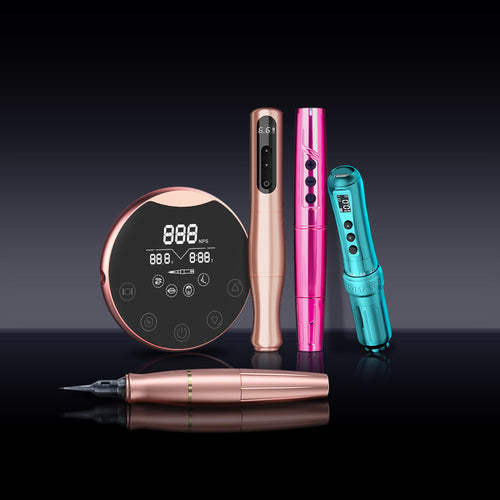
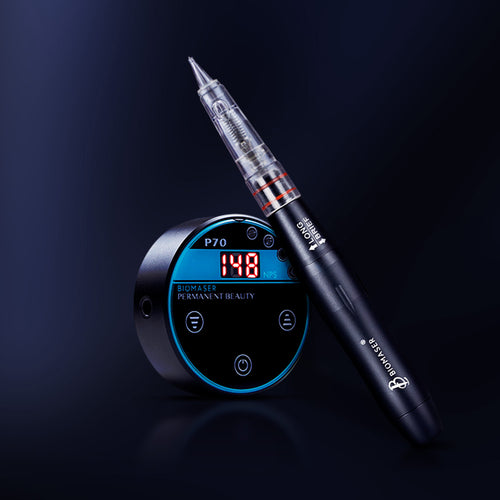
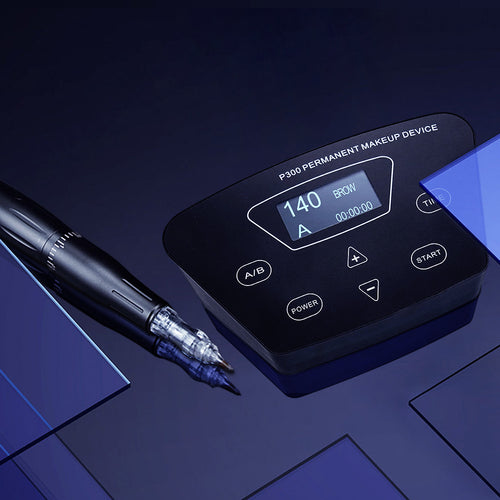
The best stretching technique needs quality tools to be fully effective. The PMU machine plays a crucial role in stabilizing the work surface.
Choose Lightweight Machines With Low Vibration
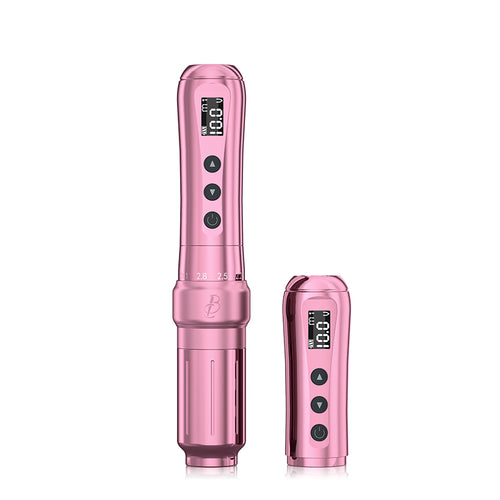
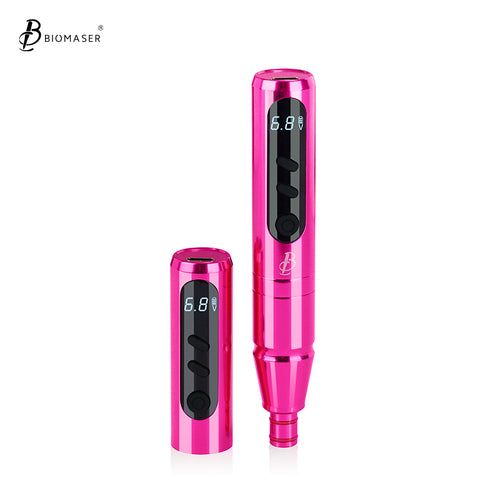
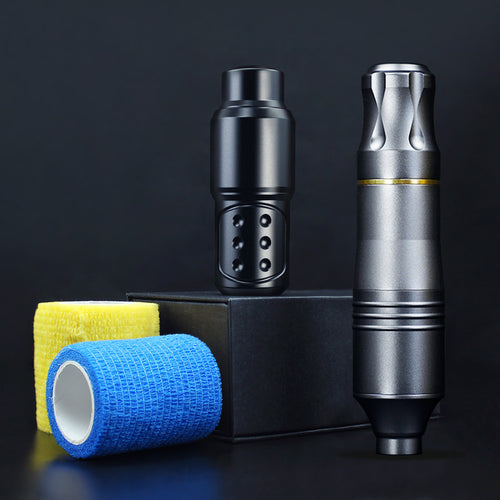
Heavy machines cause fatigue faster, making it harder to maintain the anchored pinky during long procedures. Prefer lightweight, low-vibration rotary pen-style devices.
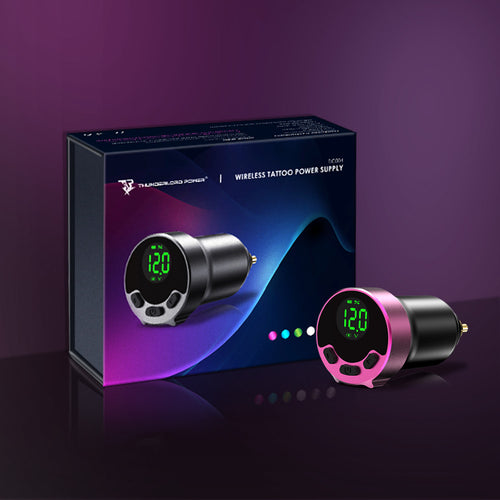
Wireless machines offer greater freedom of movement, preventing cables from interfering with your grip or stretch. Low vibration promotes hand stability and avoids unwanted movement of the stretched skin.

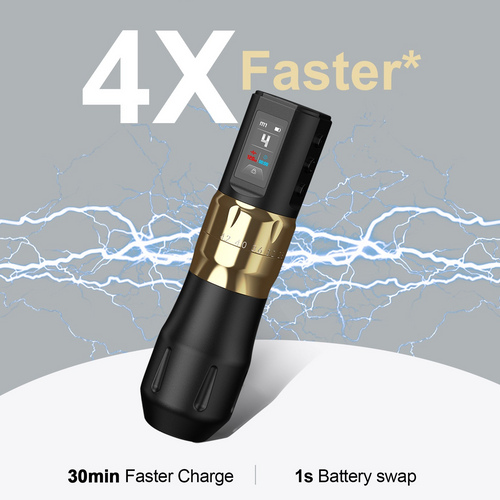
THUNDERLORD POWER HyperCharge U9 Fast Charge tattoo Machine with Adjustable Strokes
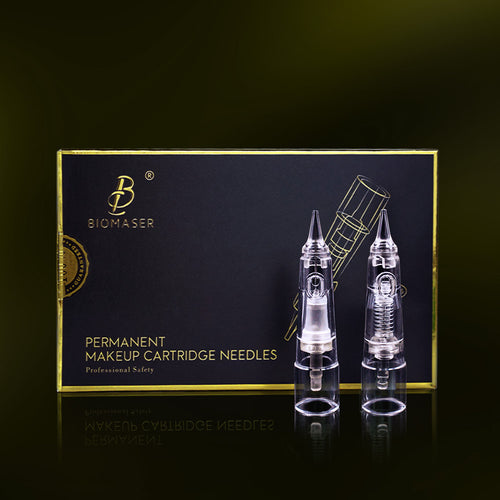
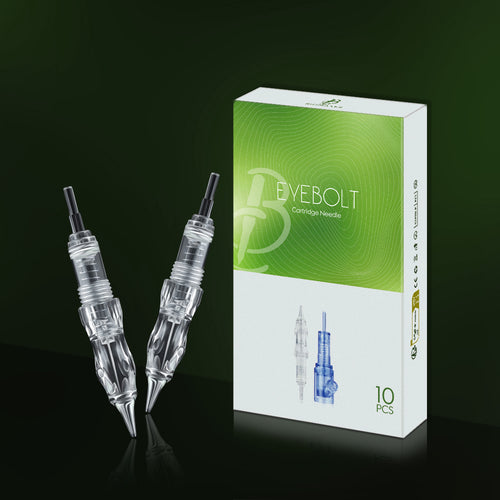
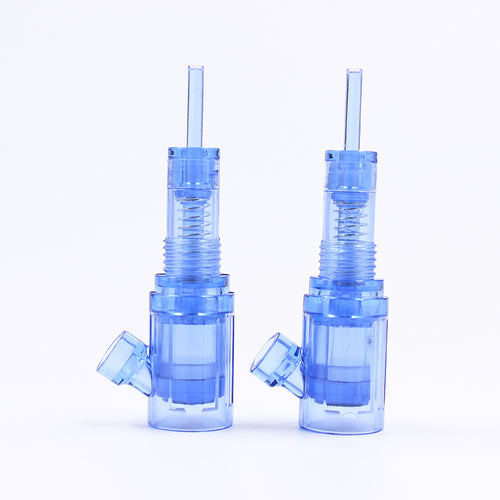
Use High-Quality, Sharp Needle Cartridges
Quality cartridges glide smoothly over taut skin without requiring excessive force for penetration. This results in clean pigment deposition and less tissue trauma.
Additionally, cartridge systems ensure hygiene and practicality, allowing quick switches between different configurations for eyebrows, eyeliner, and lips.


Prioritize an Ergonomic, Comfortable Grip
Pen-style handpieces with good balance provide greater comfort and control—especially when one hand is stretching and the other is controlling the needle. An ergonomic design reduces hand and wrist strain, enabling longer sessions without discomfort.
Opt for Adjustable Settings and Universal Compatibility
Adjustable stroke length and needle depth allow adaptation to different skin types and procedures. Universal cartridge compatibility avoids reliance on a single brand.
A well-configured machine complements your stretching technique rather than hindering it.
5 Common Stretching Mistakes in Permanent Makeup and How to Fix Them
1. Ignoring Stretching or Pulling Superficially
This causes immediate problems: loose skin bounces under the needle, resulting in wavy lines and uneven depth. Multiple passes are then needed for correction, increasing trauma and prolonging healing. Always perform a full stretch before starting any stroke.
2. Stretching Too Large an Area at Once
Wide stretching causes the central region to lose tension while the edges become overstretched. Work on small areas (approximately 1–2 centimeters), readjusting the stretch for each new section.
3. Using Low-Quality Equipment
Heavy or poorly designed machines generate excessive vibration and hand fatigue, compromising stretch stability. Dull needles require more force to penetrate, potentially dragging or distorting even well-stretched skin. Invest in equipment that supports your technique.
4. Treating All Skin Types the Same Way
An effective stretch for young skin may not be enough to smooth wrinkles in aging skin. Aging skin requires more attention and often a firmer pull. Adjust pressure based on the skin’s response.
5. Incorrect Machine Configuration
Even with perfect stretching, improper depth or stroke length settings ruin results. Too shallow causes rapid fading; too deep can lead to scarring or blurring. Always adjust settings according to skin type and procedure.
Practice stretching on different skin types and develop muscle memory until your fingers automatically find the correct positions.
Buy Quality PMU Supplies for Professional Results
Excellence requires excellent tools. Ensure you use permanent makeup supplies designed for precision, comfort, and performance. Your hands—and your clients—deserve equipment that delivers consistency and safety.
Frequently Asked Questions (FAQs)
Q1: Do All Permanent Makeup Procedures Require the 3-Point Stretch Technique?
Most procedures benefit from proper stretching, though intensity varies. High-precision techniques like microblading, hair-by-hair strokes, and fine eyeliner require firm stretching. Less intensive methods (e.g., pixelated brows or shading) can tolerate lower tension, but stable skin always contributes to more consistent results.
Q2: How Does Machine Quality Affect Results, Even With Correct Stretching?
Poorly designed machines generate vibration and fatigue, making it hard to maintain stretching. Excessive vibration causes micro-movements in taut skin, compromising pigment placement precision. Quality equipment supports your technique rather than opposing it.
Q3: What Signs Indicate Good Skin Tension Before Needle Insertion?
Well-stretched skin appears flat and smooth, with no visible lines or prominent texture. It should be taut like a drumhead without causing excessive paleness or discomfort to the client. If the skin still gives way to touch or shows fine lines, increase tension before proceeding.
