






Permanent Blush Explained: How Cheek Tattoos Work & Who They're For

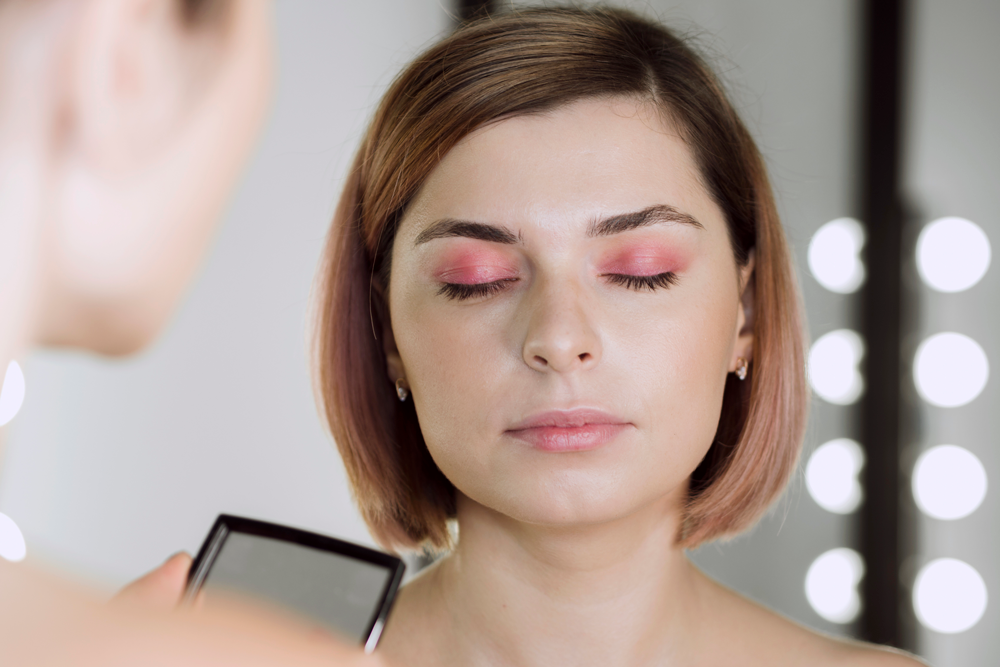
Wake up with rosy cheeks each morning without ever using a makeup brush. This is made possible by permanent cheek blush. This procedure uses tattooing techniques to add lasting color to your cheeks. We shall address how this procedure works, the level of pain involved, the healing time for this tattooing procedure, the aftercare needs, how this treatment can last, and who the best candidates are in this article. Just read on and find out!
What Exactly Is Permanent Cheek Blush?
You can think of permanent cheek blush as makeup that lives in your skin instead of sitting on top of it. It's part of the cosmetic tattooing world, right alongside microbladed eyebrows and lip blushing.
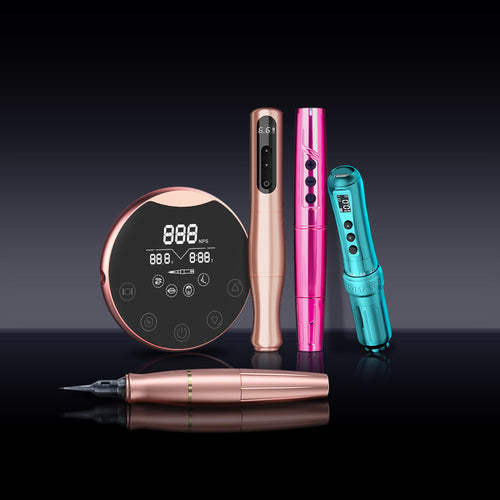
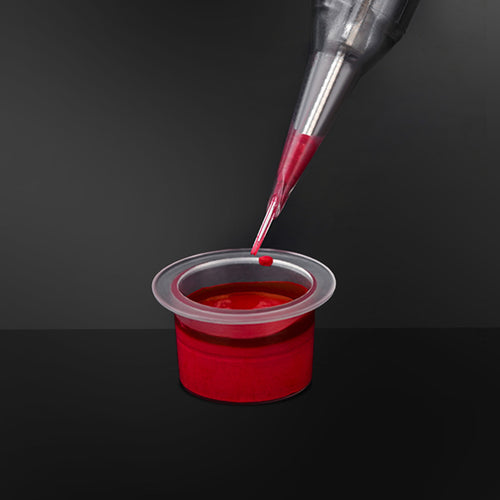
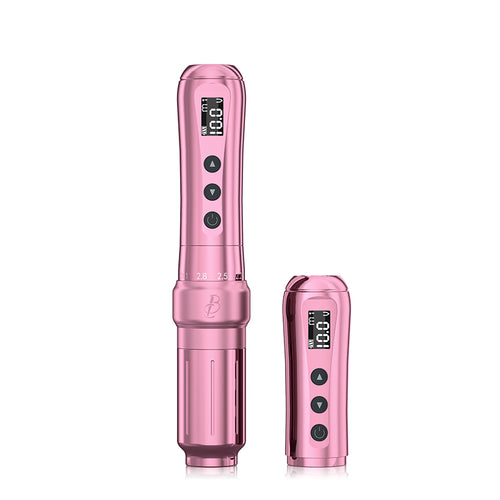
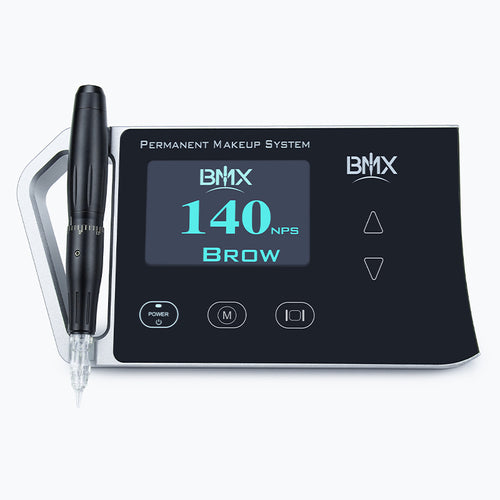
A trained technician uses a permanent makeup machine to place PMU pigments into the top layers of your cheek skin. But the difference is that they're not going as deep as regular tattoos. The color stays in the dermal layer, which means you get a soft, makeup-like effect instead of something that screams "tattoo."
The key is that it creates a believable, everyday blush that makes you look like you've got naturally rosy cheeks. No one should be able to tell you got it done, and that's why people love it. It should just look like your skin has this healthy, pretty glow to it.
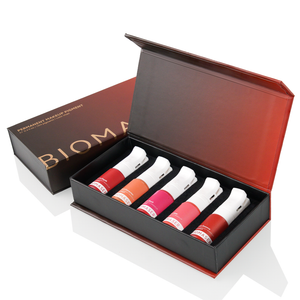
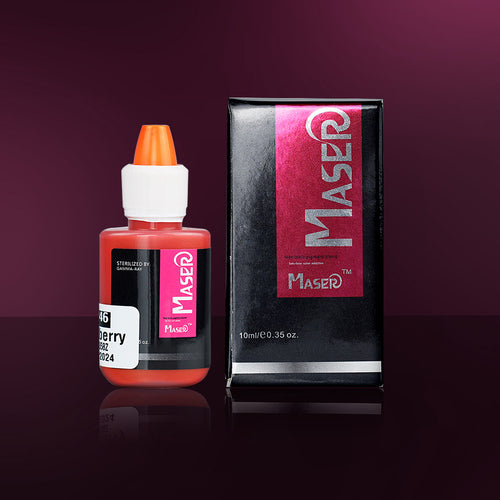
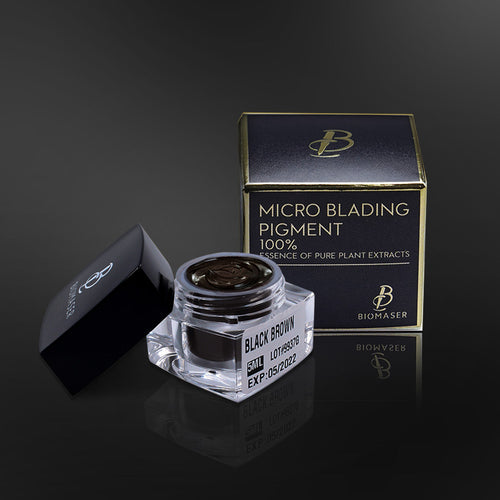
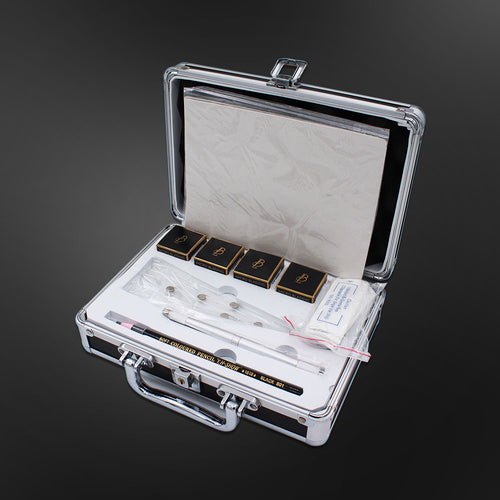
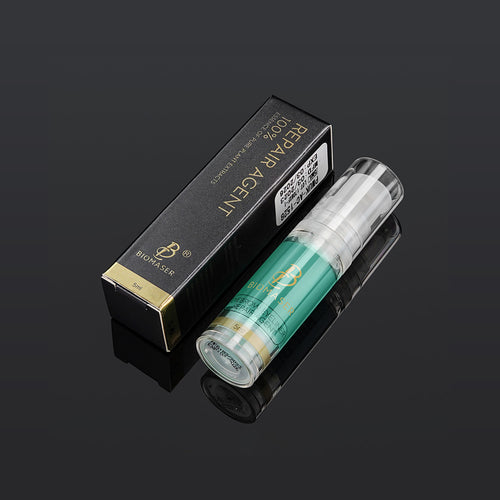
Biomaser Lips Pigment Collection
How the Procedure Works: Step by Step & What to Expect
Getting a cheek tint tattoo isn't something you just walk in and do. It starts with a real conversation.
Start with a Consultation
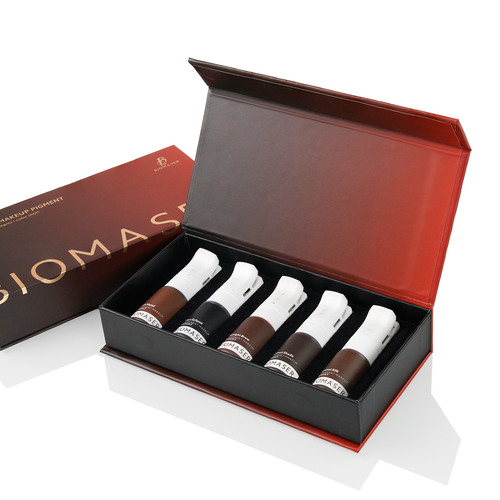
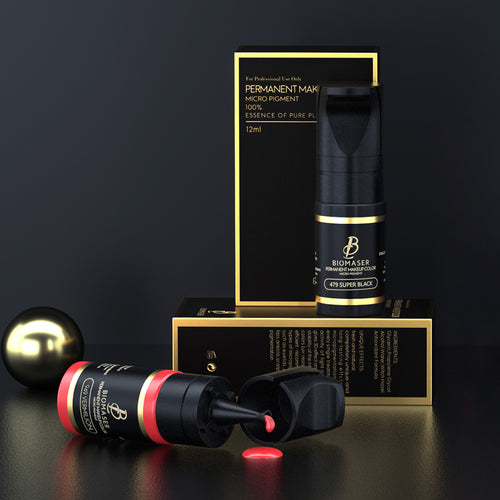
You'll sit down with your technician and talk through what you want. They'll help you pick the right shade from their PMU pigments collection and figure out where exactly the color should go based on your face shape and bone structure. During the consultation, you can talk about your thoughts with the technician to get your perfect customized PMU cheek blush result:
- Choose Your Perfect Shade: Maybe you want a soft pink. Maybe coral or peach works better with your skin tone. The options cover cool, warm, and neutral undertones.
- Decide Where the Color Goes: Some people want their blush higher up on the cheekbones for that lifted look. Others prefer it on the apples of their cheeks for something more youthful. You can even go for a wider, sun-kissed effect.
- Pick Your Color Intensity: You're not stuck with one level. Your technician can make it super subtle or a bit more noticeable, depending on what you're comfortable with.
This customization piece is huge. Your tattoo blush won't look like anyone else's because it's built around your specific features and what you actually want.
Apply Numbing Cream
Once that's sorted, they'll apply numbing cream. This stuff needs time to work, so there's a bit of a wait.
Deposit the Pigment
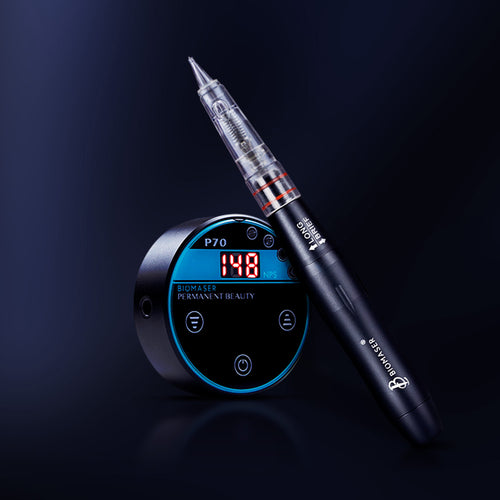
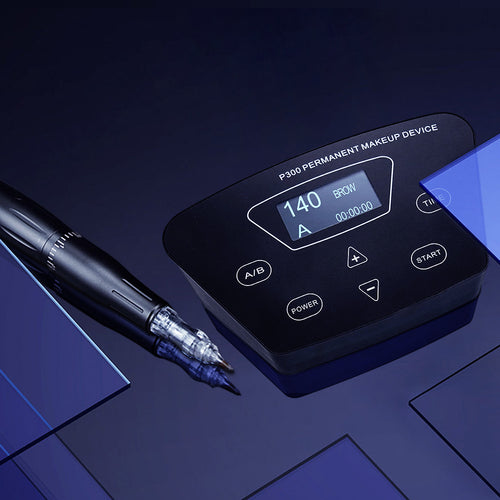
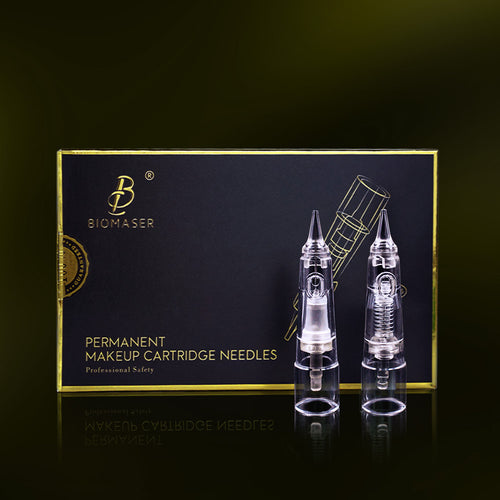
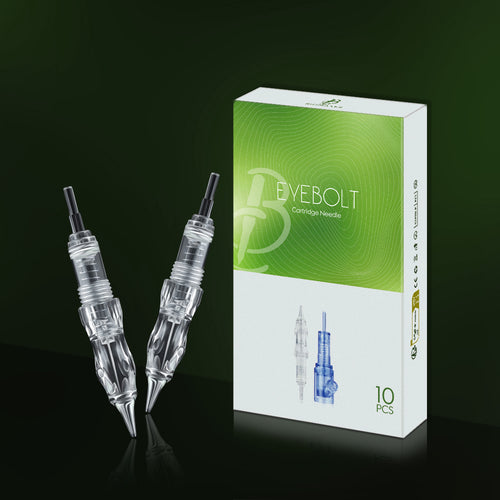
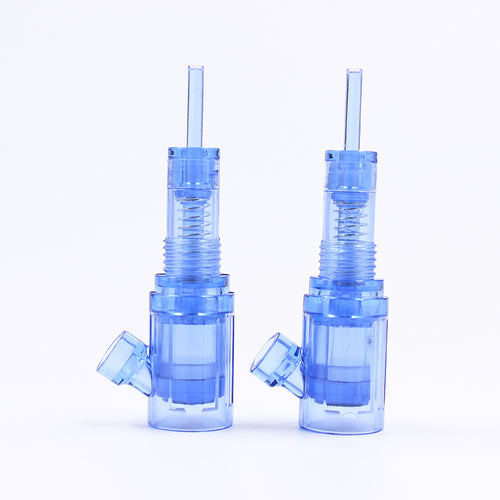
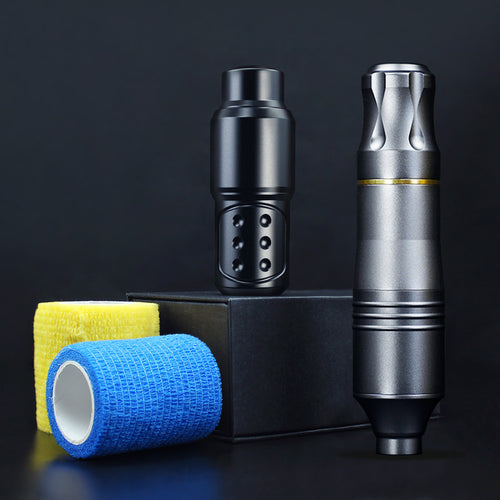
This is where the actual tattooing process begins. The technician uses their permanent makeup machine with super fine needles to inject colors into your cheeks. They're pretty much painting your blushes.
The whole process may take about two to three hours. This would include everything: setting up, performing the procedure, and going over aftercare instructions.
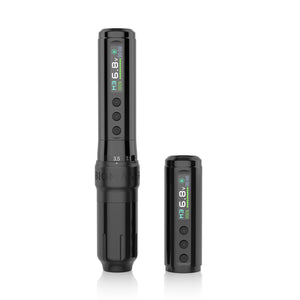
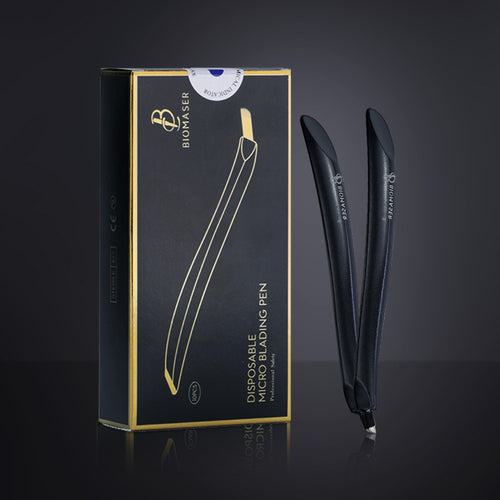
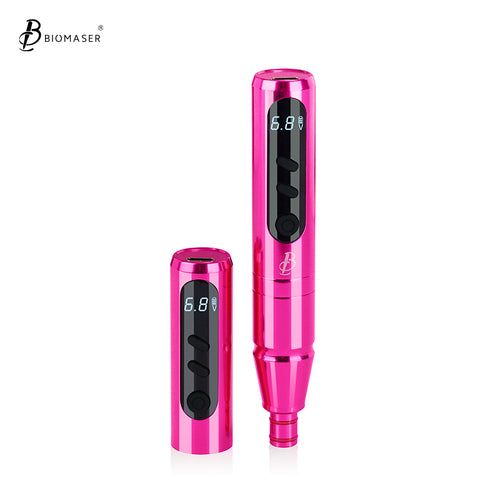
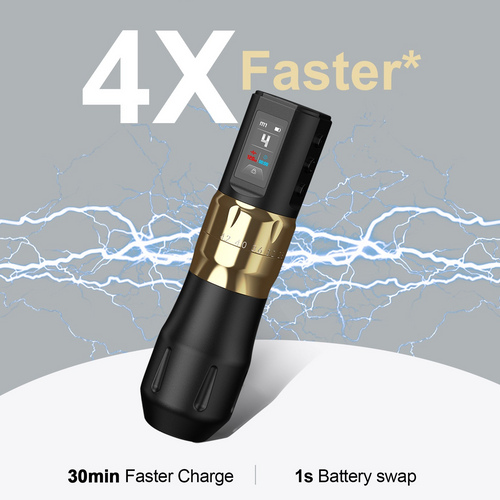
Biomaser Plenilune U1 Pro Wireless Tattoo & PMU Machine With Adjustable Stroke
Does Getting Permanent Blush Hurt?
Most people say it's not as bad as they thought it would be. The numbing cream does a lot of the heavy lifting. With that on board, most clients describe the feeling as a light scratching sensation or little pricks. Not fun, exactly, but manageable.
After you leave the appointment, your cheeks might feel like you got a mild sunburn. Some redness and puffiness are normal. These symptoms usually calm down within a few days as your skin starts healing. However, any time you're breaking the skin barrier, there's risk involved. That's just reality. You could have irritation, an allergic reaction to the pigments, or in rare cases, an infection if things aren't kept clean.
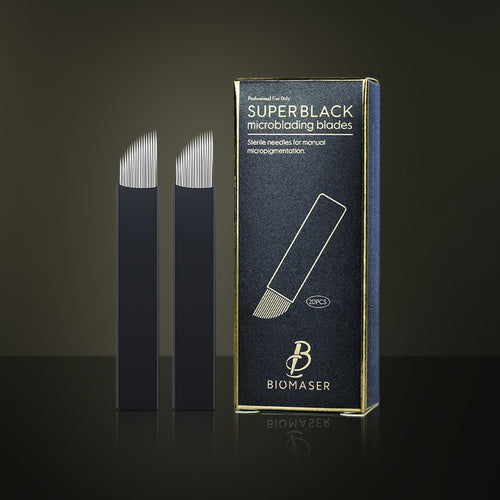
So, picking a good technician really matters. They should be using sterile PMU supplies, following hygiene rules, and giving you clear aftercare instructions. Do your part by following those instructions exactly, and you'll minimize the risks big time.
How to Care for Your Cheeks During the Healing Phase
Healing from a permanent cheek blush tattoo follows a pretty standard timeline. Knowing what's coming helps you plan around it.
The Healing Process: What to Expect
- First couple days: Your cheeks are going to look darker and more intense than the final result. That's completely normal as the pigment hasn't settled yet. You might see some redness and a bit of swelling too.
- Days 2 through 4: The swelling starts going down. Redness fades. Your skin might feel tight or dry as it begins the healing process. Some light flaking can start around now.
- Days 5 to 10: This is usually when peeling or light scabbing shows up. The color starts looking softer and more natural as things settle in. Do NOT pick at any flaking skin, no matter how tempting. That messes with how the pigment sets.
- After week 2: Your skin keeps healing underneath, and the true color starts showing through. The intense look from day one mellows out into that subtle flush you wanted. Most technicians want you to wait four to six weeks before coming back for a touch-up so they can see the actual final result.
Essential Aftercare Tips for Best Results
Good PMU aftercare makes the difference between great results and disappointing ones.
- Keep things clean. Use a gentle, fragrance-free cleanser and be soft with the area. No makeup on your cheeks for at least a week — your skin needs to breathe and heal without anything blocking it.
- Skip the gym, saunas, and hot yoga for the first week. Sweating heavily isn't your friend right now. The same goes for swimming pools, hot tubs, and long soaking baths. Keep your face out of the water as much as possible.
- Sun protection is critical. UV rays will fade your pigment faster and can mess with how it heals. Once you're healed, always use sunscreen on your cheeks.
- Put your strong skincare products away temporarily. Anything with retinoids, glycolic acid, or other intense actives needs to stay far from your treated cheeks until healing is done.
Risks, Drawbacks & Limitations of Permanent Cheek Blush
No cosmetic procedure is risk-free, and permanent blush is no exception. You need to weigh the benefits against the potential problems before deciding if this treatment is right for you.
Benefits of Cheek Blush Tattoo
- Saves time daily. You're cutting out a step from your routine. For some people, that's reason enough.
- Stays put through everything. No matter rain, humidity, workouts, or swimming, it's all there looking the same as it did that morning. Regular blush can smudge, fade by lunchtime, or disappear if you touch your face. A cheek blush tattoo doesn't budge.
- Looks genuinely natural. A skilled technician creates something that mimics actual flushed skin, not a painted-on makeup effect. That's the goal here.
- Works with your features. Because everything's customized to your skin tone and face shape, the right shade and placement make a real difference in how natural and flattering the final result looks.
Downsides of Tattoo Blush
No cosmetic procedure is risk-free, and permanent blush is no exception.
- Allergic reactions can happen. Especially if you've got sensitive skin or react to metals and dyes. A good technician will do a patch test first to check for problems before doing your whole face.
- Infection is possible. Any time you break the skin barrier, there's risk. Choosing a technician who uses sterile PMU supplies and follows proper hygiene protocols reduces this risk significantly.
- Pigment might fade unevenly. Maybe one area holds color better than another, or you end up with patchy spots. This usually happens because of poor healing or not following aftercare rules, but sometimes it just happens because skin cell turnover isn't uniform across your whole cheek.
- The look is subtle only. If you're someone who likes switching up your makeup or going bold with color, this might frustrate you. You're not getting hot pink or a dramatic contour here.
- Getting rid of it isn't easy. Laser removal exists, but it takes multiple sessions, costs money, and doesn't always remove every trace of pigment. That semi-permanent label means "hard to remove," not "impossible to remove."
Who Is a Good Candidate for Permanent Cheek Blush & Who Should Reconsider
The perfect candidate? Someone who wants subtle enhancement, has healthy skin, and will actually follow the aftercare rules.
Ideal Candidates for Cheek Blush Tattoo
- Tired of daily blush application
- Want a natural, consistent flush
- Have stable, healthy skin with no active conditions
- Willing to commit to proper PMU aftercare
- Prefer simplified beauty routines
- Have realistic expectations about subtle results
- Don't mind the semi-permanent commitment
If you like the idea of looking naturally flushed without effort, this could be a great fit. People who prefer simplified routines but still want to look polished tend to love permanent blush.
Who Should Avoid or Reconsider Semi-Permanent Blush
- Rosacea, eczema, or acne on cheeks increases complication risks and leads to poor healing.
- People who form keloid scars face higher risks of scarring issues.
- Those with immune system problems should talk to their doctor first.
- Anyone taking blood thinners or certain medications needs medical clearance.
- Love experimenting with different makeup looks and styles, as the semi-permanent nature might feel limiting.
- Spend lots of time in the sun — be ready for faster fading and more frequent touch-ups.
- Use retinoids or strong exfoliants regularly. These speed up fading and might need to be avoided on cheeks even after healing.
Being upfront about your skincare routine and health history helps your technician figure out if you're a good fit and what adjustments might be needed.
How Long Does Semi-Permanent Blush Actually Last?
You're looking at somewhere between one and three years, typically. But that range exists for good reasons.
- Your skin type plays a big role. Oily skin or skin that turns over cells quickly? You'll probably see fading sooner. Dry or normal skin usually holds onto pigment longer.
- The quality of the PMU pigments your technician uses matters too.
- Better pigments tend to last longer and fade more evenly.
- Then there's lifestyle stuff. Spending a lot of time in the sun speeds up fading because UV breaks down the pigment.
- Using chemical exfoliants or retinoids on your cheeks regularly will push your skin to shed cells faster, taking pigment along with them.
- How well you follow aftercare instructions and maintain your skin makes a difference too.
A lot of technicians recommend coming back for a touch-up around the 12 to 18-month mark. These sessions are quicker than the original appointment and help keep your color fresh and even.
Another point that people don't always think about: the fact that this fades is actually kind of nice. You're not locked into the exact same look forever. As trends change or your preferences shift, you've got room to adjust things during your next touch-up.
Get That Natural Glow with Permanent Cheek Blush
Permanent cheek blush can simplify your mornings and give you that fresh-faced look you're after. But it's not for everyone. Do your homework. Talk to experienced technicians. Think hard about your lifestyle, skincare habits, and how much upkeep you're really willing to handle. For some people, this treatment changes everything. For others, traditional makeup makes more sense. The key is knowing yourself and being honest about what you're willing to commit to.
FAQs About Permanent Cheek Blush
Q1: How long until cheeks look normal after getting a permanent cheek blush tattoo?
The first few days show the most dramatic changes — lots of intensity, some redness, maybe swelling. Most people look relatively normal within one to two weeks, though full healing takes four to six weeks. During that first week, expect some darkness, possible flaking, and mild tenderness that gets better each day.
Q2: Will the blush effect fade completely over time or does some pigment remain permanently?
Pigment gradually fades over one to three years depending on skin type, sun habits, and skincare routine. It typically lightens to a very subtle tint instead of vanishing entirely. Some people find the faded version barely noticeable after a few years. Touch-ups maintain color intensity and keep things looking fresh if you want to preserve that effect long-term.
Q3: What specific steps should I take to care for my cheeks after getting the tattoo?
Clean the area gently with fragrance-free products and skip makeup for at least one week. Avoid activities that make you sweat heavily, stay out of pools and hot tubs, and limit water exposure on your face during initial healing. Use sunscreen on your cheeks once healed to prevent premature fading. Keep retinoids and acids away from the treated area, and follow whatever specific instructions your technician gives you.
