





Cross-Discipline Learning: What Machine PMU Artists Gain From Microblading

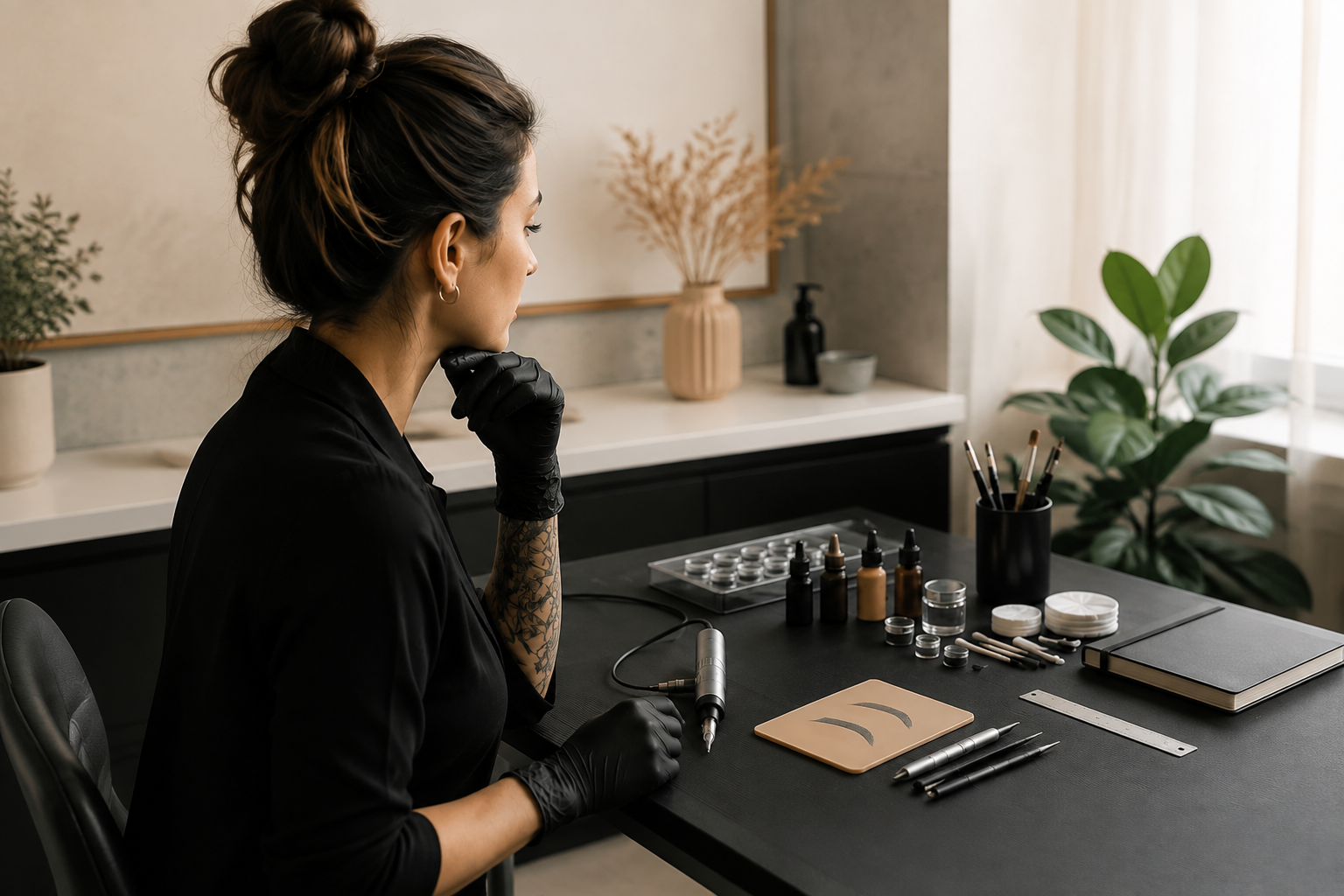
Microblading education can be a worthwhile addition to a machine PMU artist's development when it addresses a defined gap in brow planning or supports a service you are prepared to offer within your verified scope. It is not, however, a live-client launch plan by itself. Completing a course does not automatically establish competency, authorize manual work locally, or confirm that your insurance and studio systems cover it.
The best reason to study microblading is not simply that clients ask for it. It is to build a more deliberate brow practice---then decide whether manual microblading belongs on your menu.
Identify the Capability Gap Before You Enroll

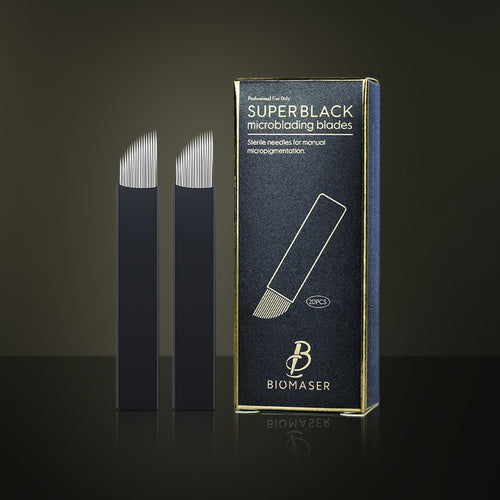
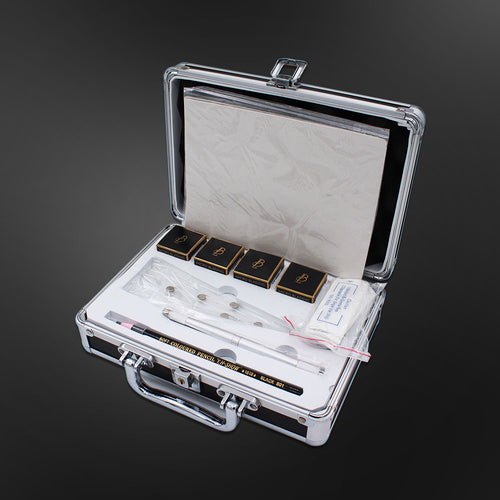
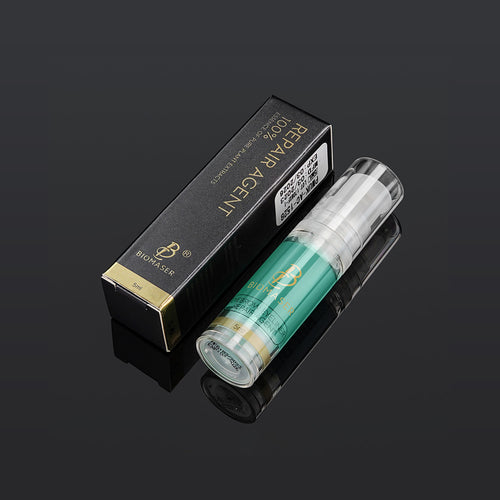
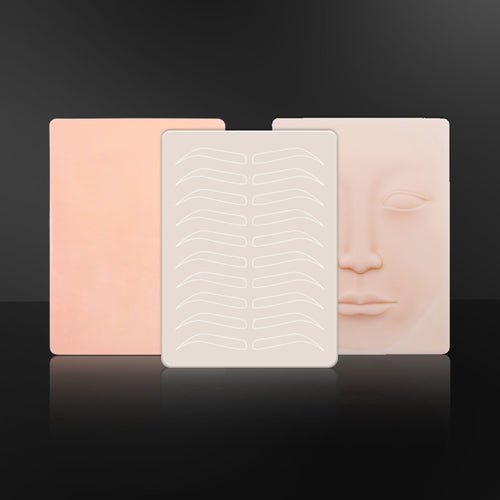
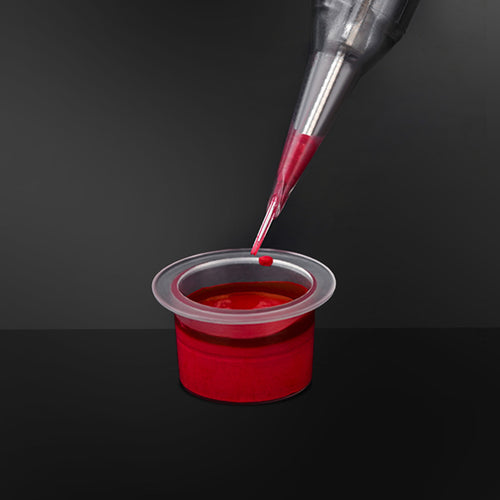
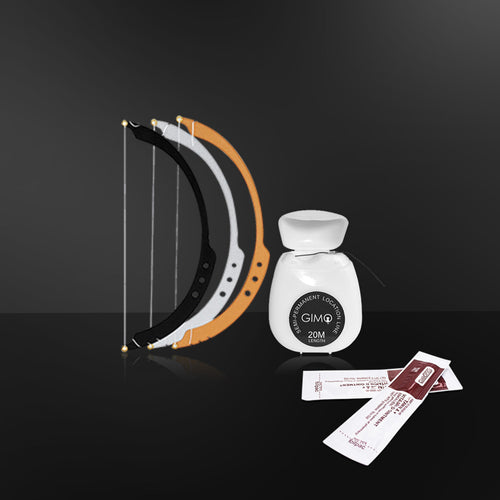
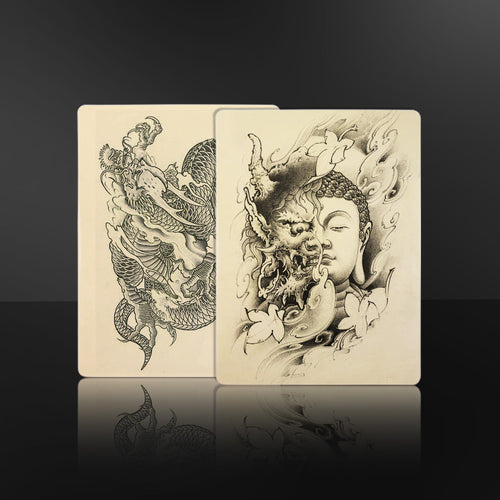
A useful microblading course may expose an artist to blade styles, stroke variations, pigments, measuring calipers, brow-mapping tools, and silicone practice skins. Those elements can give a machine artist more vocabulary and structure for thinking about brow design.
For example, a course may prompt you to examine:
- How you map and measure before choosing a brow shape
- How you plan stroke direction, spacing, and visual density
- How you document pigment choices and design decisions
- How you use practice surfaces to refine consistency before working on people
- How you explain a brow-design plan clearly during consultation
That exposure can be valuable even if you continue offering machine PMU only. The transferable benefit is the discipline of planning: measuring deliberately, recording decisions, and separating a client's requested look from the service you are currently authorized and prepared to perform.
Before paying for training, write down the actual problem you want it to solve.
| Question | Decision Signal |
|---|---|
| Do I need a more structured approach to brow mapping and design planning? | Look for instruction and practice focused on mapping tools and stroke planning. |
| Do I want to add manual microblading as a future service? | Assess training, supervision, compliance, insurance, and studio readiness separately. |
| Can I commit time to practice and documentation? | Do not treat a kit or certificate as a substitute for a demonstrated practice pathway. |
| Does the course include the elements I need? | Review the curriculum rather than assuming every course covers the same tools, pigments, blades, or practice materials. |
A course is a better fit when its curriculum matches your identified gap and gives you a clear path from theory to supervised or otherwise required practice. It is a weaker investment when the main rationale is pressure to copy another artist's menu or portfolio.
Keep Artistic Learning Separate From Service Authorization
Studying manual brow work can inform how you assess balance, map a design, and communicate options. It does not mean that every manual method, pigment, tool, or workflow transfers directly to a machine setup.
Treat each technique as its own operational system. That means reviewing the applicable education, materials, manufacturer instructions, studio procedures, consent language, and legal scope before offering it.
For consultations, use neutral language that keeps the decision client-centered:
"We can discuss your brow goals, your relevant history, and the options I am currently authorized and trained to provide. I will explain the design plan and any uncertainty without promising a particular outcome."
This approach prevents a common business error: allowing a client request to dictate a service before you have determined whether you can appropriately offer it. It also gives you a professional reason to recommend an available machine-based option or refer a manual-microblading request when necessary.
Use a Launch Gate Before Marketing Manual Work

Manual microblading should move from education to paid service only after you pass a separate launch gate. Local requirements can differ substantially. One local body-art program, for example, identifies twice-yearly studio inspections and a $50 body-artist certification exam fee; those details are specific to that jurisdiction, not a general benchmark.
Verify requirements with the state, county, and local authority that governs your studio location. A certificate from a private course is not automatic legal authorization.
Pre-Service Launch Checklist
Before listing manual microblading as a bookable service, confirm that you have:
- Verified the local rules that apply to the artist, studio, and intended service
- Confirmed that your insurance coverage includes the work you plan to perform
- Completed applicable manual-technique and bloodborne-pathogen education
- Established written studio procedures that match your verified local requirements
- Arranged appropriate practice and supervision as required by your training or jurisdiction
- Set up intake, consent, aftercare, client-record, and portfolio-documentation workflows
- Reviewed all product and equipment instructions for the workflow you are authorized to use
- Defined when you will decline, postpone, recommend an available alternative, or refer a client
Body-art work involves potential exposure to blood and bloodborne pathogens, and federal occupational-safety materials emphasize safer handling and disposal of sharps in tattooing and piercing environments. That is why sharps practices, documented procedures, and training belong in the launch decision---not in a last-minute supply order. The CDC's body-art sharps safety resource addresses occupational exposure and safe sharps handling, but it does not replace local health rules or a complete microblading protocol.
Evaluate the Business Commitment as a Whole
Do not evaluate the investment by course tuition alone. Build a simple pre-enrollment list that accounts for the full operating commitment:
- Course content, mentorship, and any required supervised practice
- Practice materials and ongoing consumables
- Time reserved for skill development and portfolio documentation
- Local fees, registrations, permits, or inspection-related costs where applicable
- Insurance confirmation or policy changes
- Appointment length, deposits, touch-up policy, and client-record administration
- Consultation time and the possibility that some requests should be referred rather than booked
This is also the point to decide how you will present work publicly. Build a portfolio around work you are qualified to show and accurately label the service performed. Do not use practice results, a course certificate, or a new manual kit as evidence that you are ready for live clients.
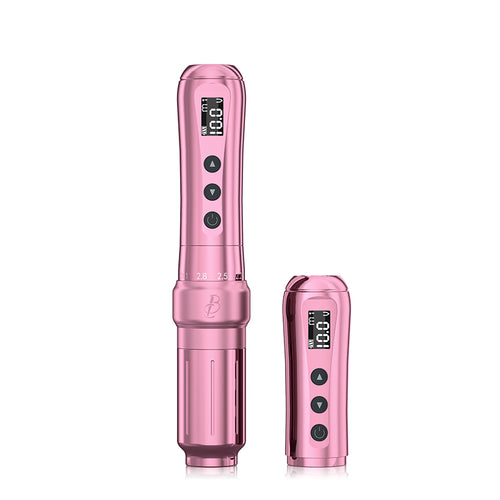
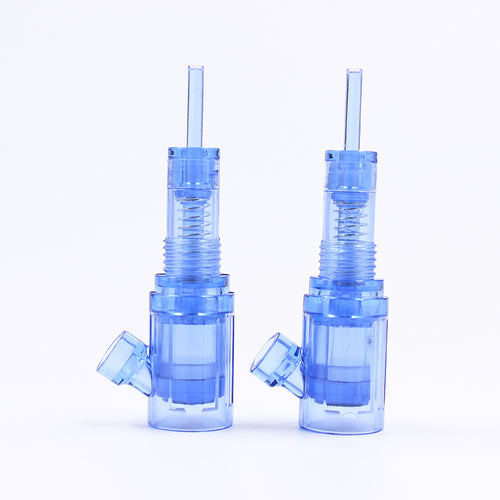
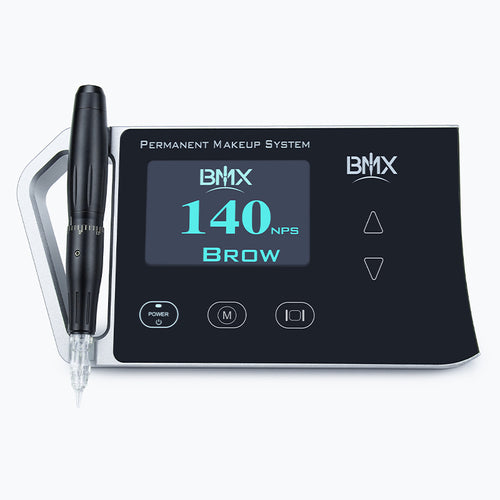
If you operate within a verified PMU scope, follow the manufacturer instructions for the machine products and supplies already in your workflow. Equipment purchasing should follow competency and compliance decisions---not lead them.
Make the Conditional Choice
Pursue microblading education if it fills a real local client or capability need and you can meet the training, required practice, regulatory, insurance, safety, documentation, and consultation standards needed to introduce it responsibly.
If those conditions are not in place, the education can still sharpen your brow-design process for machine PMU. Apply the planning lessons, strengthen your consultation workflow, and refer manual-microblading requests when that is the more appropriate professional decision.
Legal Risk Disclaimer
This article is provided for general informational purposes only and does not constitute legal, regulatory, tax, insurance, medical, or other professional advice. Requirements, rights, and obligations vary by jurisdiction and can change. Before acting on this information, confirm the rules that apply to your business with the relevant regulator and obtain advice from a qualified local professional.
