






7 Essential Factors for Safe Areola Tattooing

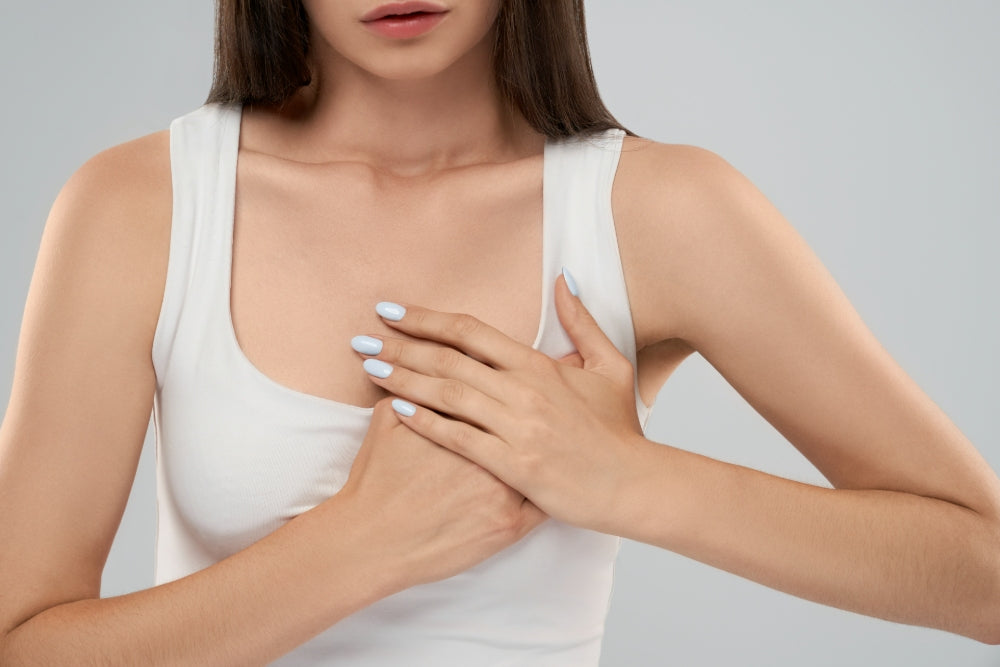
For many, areola tattooing is more than a cosmetic procedure. It's a way to regain the feeling of completeness and confidence following surgery, or add natural appearance. Regardless of whether you are looking to have it done following a mastectomy, for gender affirmation, or for other cosmetic purposes, this specialized type of tattooing can be nothing short of life-changing. Yet, having an areola tattoo done means more than choosing a design. Safety first is necessary to achieve the best result and protect your health.

1. Choosing a Qualified and Reputable Artist
Finding the right person for your areola tattoo is the single most important step for a safe, beautiful result. This is a specialized skill, different from standard tattooing, so taking time to research your artist is crucial.
Verify Their Training
Areola tattooing is a specialized field. A good artist needs training beyond a typical tattoo apprenticeship. They must understand breast anatomy, how to work with scar tissue, and how pigment behaves on skin that has been through surgery or radiation. Ask them about their specific paramedical training and the courses they completed.
Look for Certifications and Licensure
A qualified artist will be licensed by the state or local health department. They should also have certifications from known paramedical tattoo programs. These papers prove they meet safety and training standards. Don't be shy about asking to see these documents.
Review Their Portfolio
Look closely at the artist's portfolio. Pictures taken right after a session can be misleading. The most important photos show healed results, weeks or months later. This shows the true outcome. Look for natural-looking color, realistic texture, and consistent quality across all their work.
Discuss Your Skin Type and Condition
Not all skin is the same. Some people have very delicate skin, while others might have significant scar tissue. An experienced artist knows how to work with delicate skin, dense scar tissue, or skin changed by radiation. Talk to them about your specific situation. They should be able to explain their approach and how they will adapt their technique for you.
Watch Out For the Red Flags
Trust your instincts. Be cautious of artists who offer very low prices, lack a professional portfolio, or work in a space that seems unclean. If a tattoo artist seems unwilling to answer your questions thoroughly or makes you feel rushed, that's a sign to look elsewhere.
2. Paying Attention to Pigment (Ink) Safety
The pigments for areola tattoos are not the same as standard tattoo inks. They are made for sensitive skin and medical use, so safety is the top priority.
Know the Type of Pigments Used
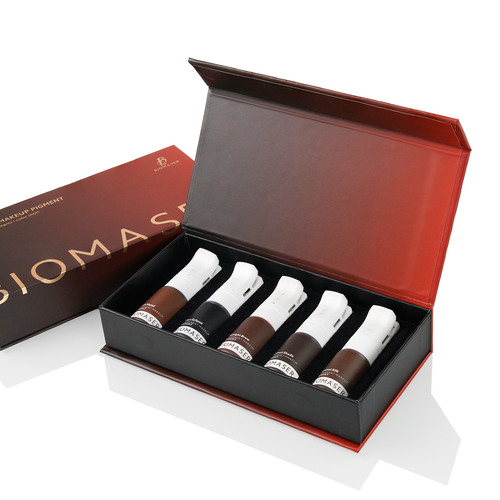
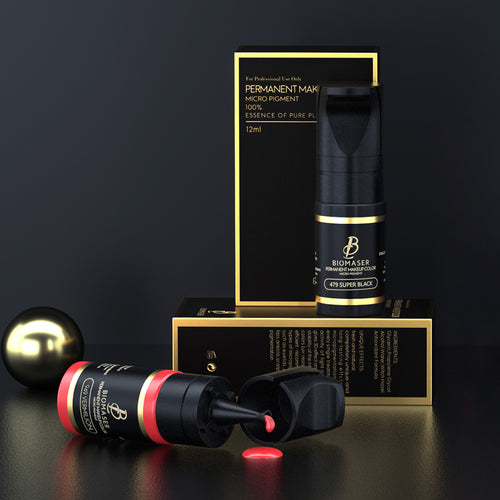
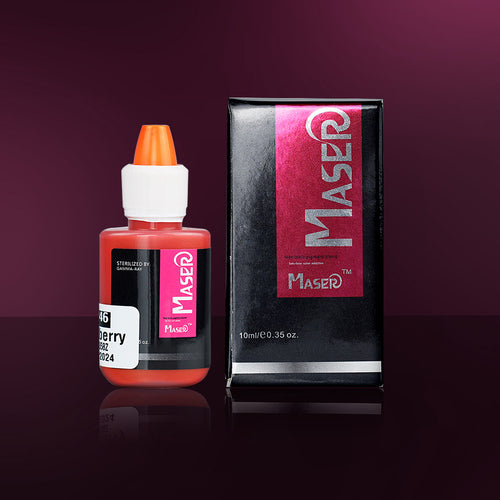
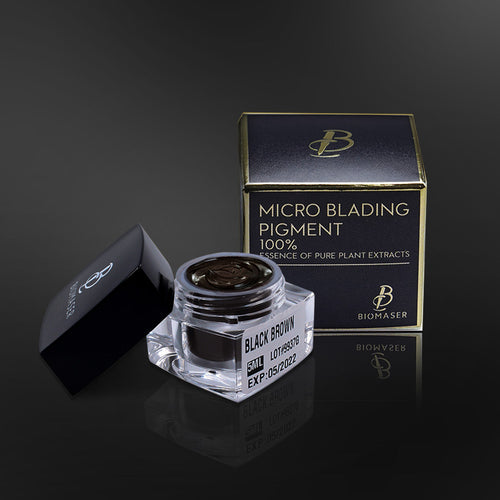
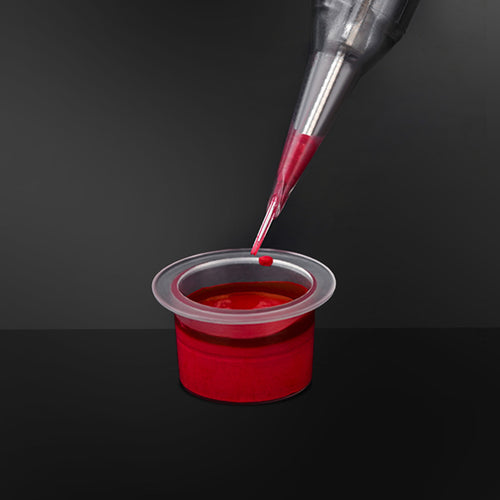
Areola tattoos use special pigments, often made from iron oxides or a blend of organic and inorganic compounds, designed for paramedical procedures. They must also be sterile, typically packaged in single-use containers to prevent contamination. Ideally, they should be hypoallergenic, reducing the risk of allergic reactions. An artist should be able to explain exactly what type of pigment they use and why they chose it for you.
Ask for a Patch Test for Allergies
Allergies can still happen, with hypoallergenic pigments. A responsible artist will offer a patch test. They will place a small dot of pigment on a hidden spot, like behind your ear. You then wait a few days to see if any redness or irritation develops. This simple step helps avoid a bad reaction.
Consider Long-Term Effects
Some pigments can cause a slight burning sensation or affect image quality during an MRI scan. Always inform your doctors about your tattoo. The pigments will also fade over time. Your artist should be clear that you will need touch-ups every few years to maintain the look.
3. Making Sure the Environment and Equipment Sterile
A clean room and sterile tools are non-negotiable for this procedure. Since your skin may be more sensitive, a sterile environment is critical to prevent infection and ensure your safety.
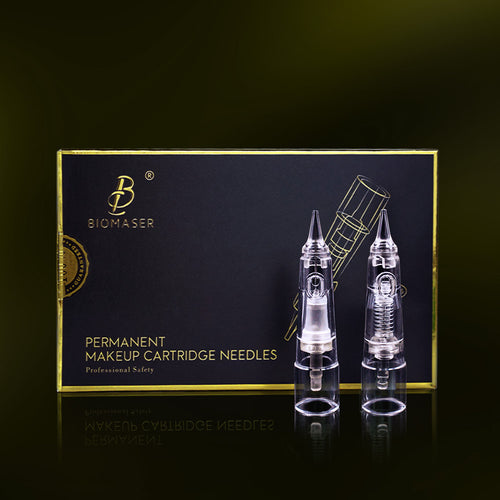
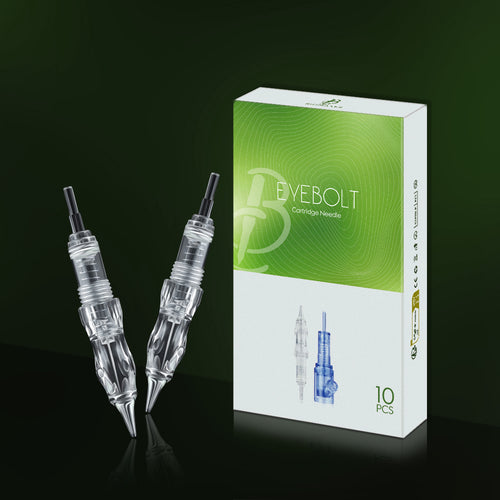
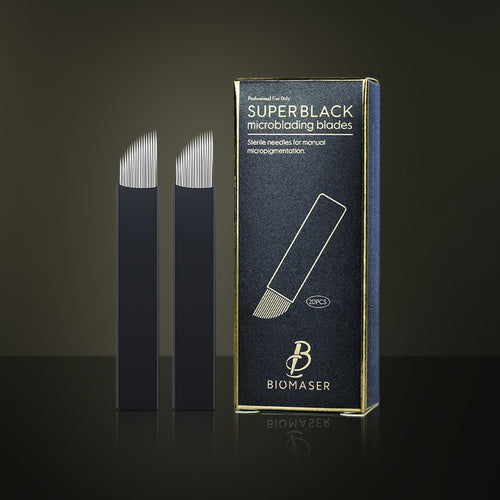
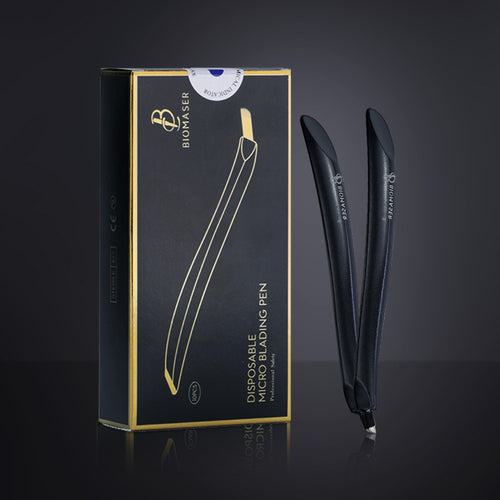
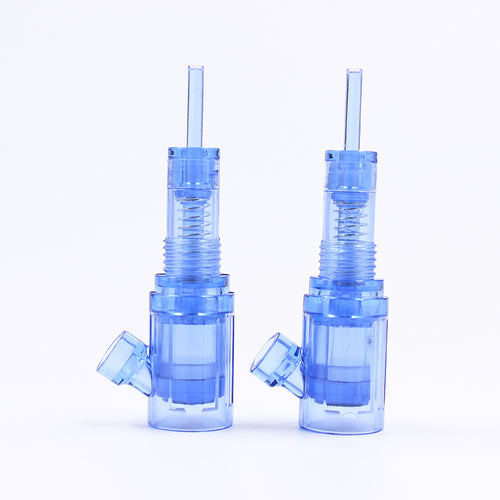
- A Clean Space and New Needles. The studio itself should also appear clean and tidy. Your artist should open a new, sterile, single-use pack of needles in front of you. Look to see that they drop the used needle into a medical sharps container immediately after the session.
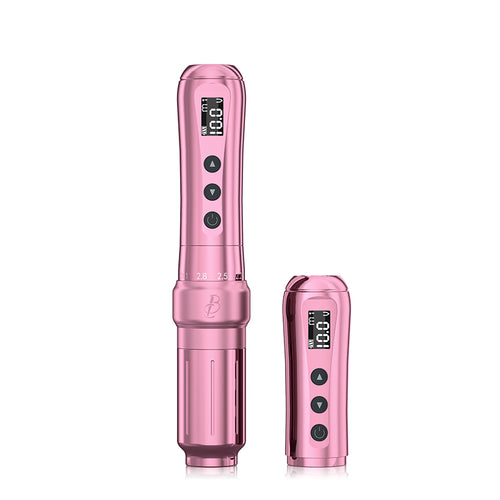
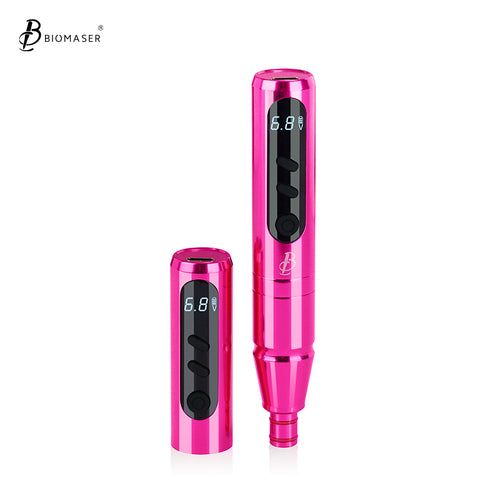
- Autoclave Sterilization. Reusable equipment, such as the machine's grip, will need to be sterilized in an autoclave. This is medical-grade equipment that utilizes high-pressure steam to eliminate 100% of germs. A professional studio will have an autoclave and be capable of providing you with documentation of its routine testing.
- The Artist's Habits. Your artist should wash his/her hands completely and wear a new pair of disposable gloves before he/she begins. They should also change gloves if they come into contact with anything non-sterile during the session, such as his/her phone, hair, or a drawer.
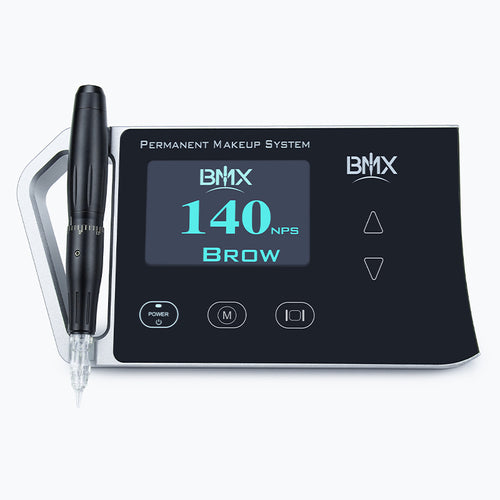
- Preventing Cross-Contamination. Check for plastic barrier film over the tattoo machine, lamp, spray bottles, and other surfaces. This keeps bacteria from leaping from a surface to your skin. Anything that comes into contact with a client should never be reused.
These hygiene and sterilization standards are fundamental to the safety of the entire tattoo process.

4. Talking Through Your Medical History
A good consultation before the tattoo is a must. This meeting is for the artist to learn about your goals. It's a chance to build trust and make sure the procedure is a safe choice for you.
Talk About Your Goals
Be clear about the look you want. Bring pictures if you have them. A good artist will listen and then explain what is possible on your skin. They will help you set realistic expectations based on your body and any scarring.
Share Your Medical History
Your artist needs to know your full health background. Be open about:
- Any allergies, especially to inks, metals, or numbing creams.
- Medicines you take, particularly blood thinners like aspirin, which affect bleeding.
- Health conditions like diabetes or autoimmune disorders.
- If you tend to form thick, raised scars (keloids).
- Details about past surgeries or radiation treatments on the area.
Get Your Physician's Clearance
If you've had surgery like a mastectomy or radiation, it is often required, or at least highly recommended, that you get written clearance from your doctor before getting an areola tattoo. This written clearance confirms that your body has healed enough for the tattoo.
5. Getting Ready for Your Appointment
After your consultation, a few simple steps can help make your appointment go smoothly and safely.
- Your artist will give you specific instructions. Usually, this means avoiding alcohol, caffeine, and blood-thinning pain relievers like aspirin for a day or two beforehand. Check with your doctor before stopping any prescribed medication. On the day of your tattoo, drink plenty of water and eat a good meal to keep your blood sugar stable.
- Come to your appointment with clean skin. Do not use any lotions, oils, or perfumes on the area that will be tattooed. Your artist will sanitize the skin again, but it's best to start fresh.
- Pain is different for everyone. This procedure is often less painful than a typical tattoo because it often involves working on nerve-damaged tissue. Your artist will likely use a strong topical numbing cream to keep you comfortable. You can talk about this with them ahead of time so you know what to expect.
6. Caring for Your New Tattoo
Your part isn't over when you leave the studio. Following aftercare instructions is crucial for preventing infection and ensuring a beautiful, long-lasting result. Proper healing is essential to avoid tattoo scars. Your artist will give you specific, written directions—follow them exactly.
You'll need to keep the area clean and lightly moisturized. This usually means gently washing it with a mild, unscented soap, patting it dry, and applying a thin layer of recommended ointment. For the first few weeks, it's also important to avoid certain things:
- Sunlight: Keep your new tattoo completely out of the sun. UV rays can fade the color and damage healing skin.
- Soaking in water: Stay out of pools, hot tubs, baths, and lakes for at least 2-4 week. Soaking the tattoo can lead to serious infection.
- Heavy exercise: Avoid activities that cause a lot of sweating or rubbing against the tattooed area.
Know what to look for as it heals. A little redness and tenderness are normal. But call your artist and a doctor immediately if you notice:
- Redness or swelling that worsens
- Pus or a bad smell
- Fever or chills
- Pain that gets worse
- Red streaks spreading from the area
These are all potential signs of a tattoo infection. Finally, go to your follow-up appointment. Your artist will want to see how you've healed and discuss if a touch-up is needed.
7. Having Realistic Expectations for Your Tattoo Over Time
An areola tattoo gives wonderful results, but it helps to know what to expect long-term.
- Like any tattoo, the color will naturally soften and fade over the years. Sun exposure and your body's own healing process play a part. Plan on getting a touch-up every few years to keep the color looking fresh and defined.
- Rarely, the color might shift slightly. For instance, some browns could look a little cooler over time. A good artist will use stable pigments to minimize this.
- It's very important to tell your doctors about your tattoo before any medical imaging. It can sometimes affect the quality of an MRI. It shouldn't interfere with a mammogram, but the technician always needs to know.
- Scar tissue holds ink differently. An experienced artist knows how to work on scars, but the color may not be perfectly even.
- For many, this tattoo is a powerful final step. A safe, well-done tattoo can restore confidence and help you feel more like yourself again.
Achieving Safe Areola Tattooing Success!
Safe areola tattooing is a collaborative effort between a client who is well-informed and a professional and responsible artist. Your participation in research, inquiry, and listening to recommendations is essential. Thorough research and good communication guarantee a successful and safe experience with results that enhance confidence and well-being.
