




How to Make Permanent Makeup Last Longer on Oily Skin (2026 Guide)

If you have oily skin, you've probably noticed that makeup tends to slide off by midday. The same challenge applies to permanent makeup. Excess oil production can significantly impact how well pigment stays in your skin. But don't worry. With the right techniques, proper aftercare, and realistic expectations, you can still achieve beautiful, long-lasting results.
How Oily Skin Affects PMU Longevity
Oily skin brings its own set of challenges for permanent makeup retention that you should be aware of before scheduling your appointment.
Sebum Production and Pigment Dilution
Excess oil production doesn't merely make your skin shiny—it can also cause pigment to be pushed out from the dermal layer where it has settled. Consider sebum as a comforting shield that your skin produces. When there's too much of it, the PMU pigments find it challenging to settle correctly in the skin. This indicates that even flawlessly done work may diminish more quickly on oily skin than on normal or dry skin types.
Pigment Blurring Over Time
One of the most challenging concerns for clients with oily skin is how defined lines can lose their sharpness and become less precise. Microbladed strokes that start off looking precise and hair-like may blur together within months. The oil functions as a solvent, allowing pigment particles to gently move beneath the skin's surface. This is why numerous artists suggest powder or ombré techniques instead of traditional microblading for clients with oily skin.
Lower Retention Rates
Research and insights from artists consistently indicate that oily skin holds permanent makeup pigments less densely compared to other skin types. You may observe that colors seem to appear lighter after the healing process, or that some areas didn't absorb as well as others. This isn't indicative of inadequate technique—it's just the way oily skin interacts with pigment. Clients with oily skin often require touch-ups sooner than the usual 12-18 month interval, typically around 6-12 months.
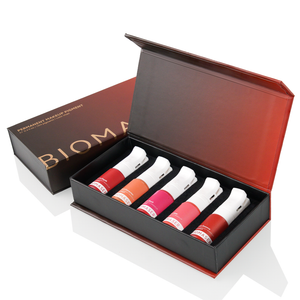
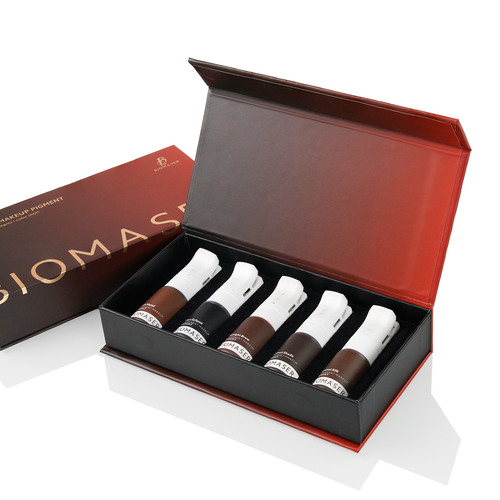
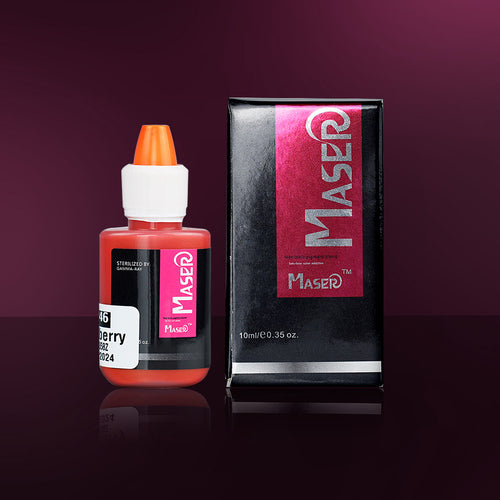
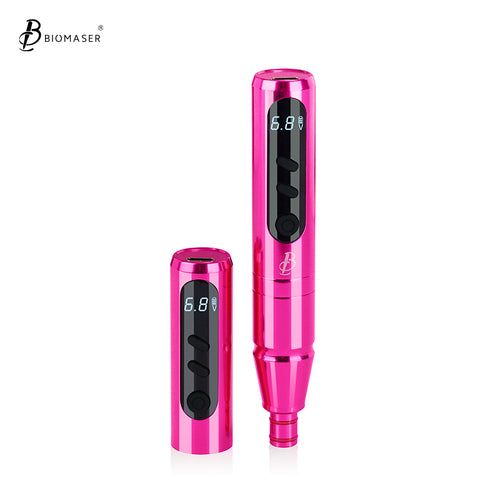
Biomaser Lips Pigment Collection
Softer Healing Process
The healing process on oily skin tends to produce softer, less defined results. While dry skin might heal with crisp edges and strong definition, oily skin creates a more diffused, powdery effect. This isn't necessarily bad. Many clients love the soft, natural look, but it's different from what you might see in portfolio photos of clients with normal skin.
Being informed about these factors allows you to establish realistic expectations and select the most suitable techniques for your skin type.
Best PMU Techniques and Products for Oily Skin
Selecting the appropriate technique and materials significantly impacts the longevity of your outcomes. Not every permanent makeup technique is equally effective on oily skin, and skilled artists understand which methods yield the best outcomes.
| Factor | Best Choice for Oily Skin | Why It Works |
| Technique | Powder/Ombré brows, Nano strokes | Creates pixel-like dots that don't blur as easily; more forgiving on oily skin |
| Pigment Type | Cream-based or hybrid formulas | Better saturation and retention in oil-prone skin |
| Needle Configuration | Round shaders, tighter groupings | Deposits pigment more densely for better hold |
| Machine Settings | Moderate speed, proper depth | Consistent pigment placement without trauma |
Choose the Suitable PMU Techniques
The best permanent makeup techniques for oily skin focus on methods that resist blurring. Powder brows and ombré techniques use a stippling or shading method that creates thousands of tiny pigment deposits. These hold up much better on oily skin than individual hair strokes.
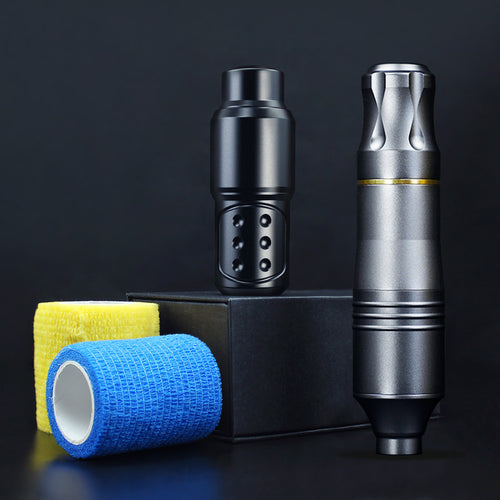
If you prefer a more natural, hair-like appearance, nano strokes offer a better choice than traditional microblading. These are created with a permanent makeup machine rather than a manual blade, which gives better longevity on oily skin.
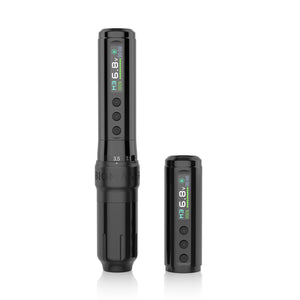
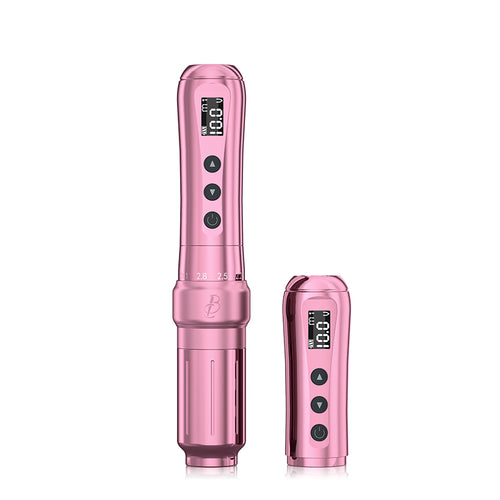
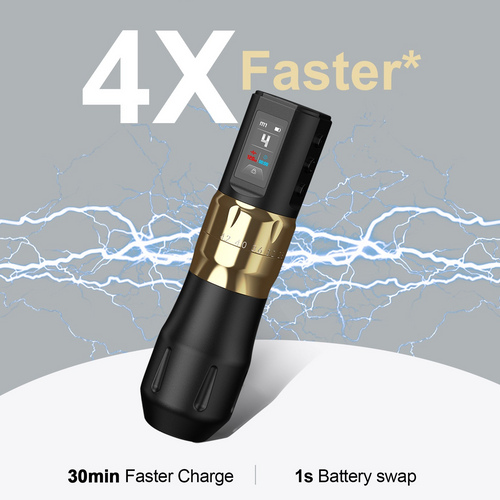
Biomaser Plenilune U1 Pro Wireless Tattoo & PMU Machine With Adjustable Stroke
Select the Right PMU Pigments
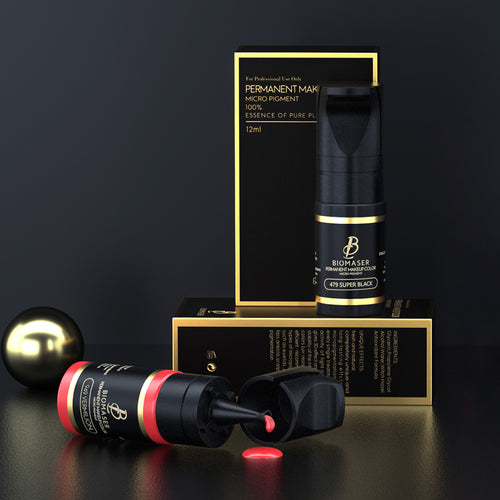
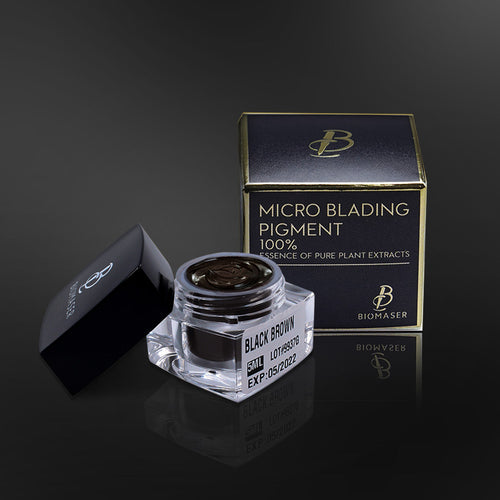
Not all PMU pigments are created equal. The best PMU pigments for oily skin typically have a creamier consistency. They contain ingredients that help them bond better with sebum-rich tissue.
Many professional-grade pigment lines now offer formulas specifically designed for oily or mature skin. Your artist should be able to explain which pigments they're using and why they work well for your skin type.
Find an Artist Experienced with Oily Skin
This is perhaps the most critical factor. Look for an artist who explicitly mentions experience with PMU for oily skin in their portfolio or during consultation. They should know the adjustments needed in depth, speed, and saturation.
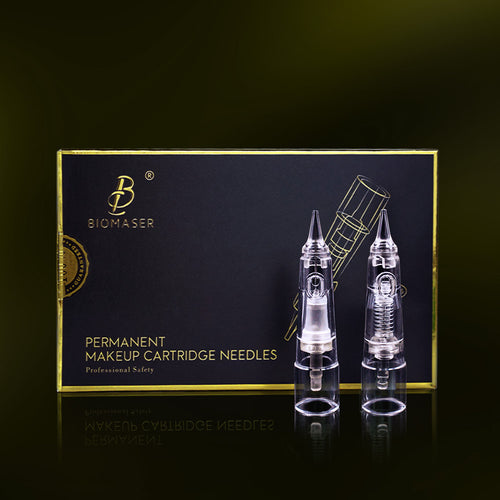
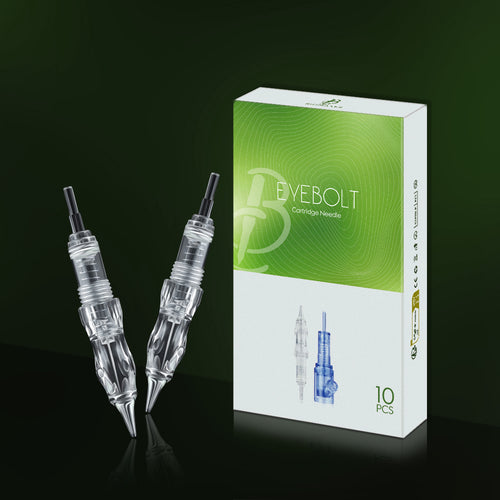
Ask about their experience working with oily skin clients. Find out what PMU machine and PMU needles they use. Ask how they adapt their technique for different skin types. A skilled artist will have specific protocols for oily skin clients and won't promise unrealistic results.
The perfect blend of skill, high-quality pigments, and experienced professionals can significantly enhance your permanent makeup results on oily skin.
Preparing Your Oily Skin Before Your PMU Appointment
Getting ready for your permanent makeup session can make a big difference in how well the pigment stays.
Get a Skin Prep Treatment
Book a professional facial or oil-balancing treatment 1-2 weeks prior to your appointment. This aids in regulating oil production and removes any accumulation that could block pigment. It's best to steer clear of facials for 3-4 days before your session, as you want your skin to feel comfortable and ready, not sensitized on appointment day.
Talk About Touch-Up Schedules
Have an honest talk with your artist regarding upkeep. Inquire about the frequency with which their clients with oily skin return for touch-ups. Oily skin requires more regular visits compared to dry skin, so be sure to organize your schedule and finances accordingly.
Adjust Your Skincare Products
In the week before your session, cut back on heavy oils and thick moisturizers around the treatment area. Switch to lightweight, oil-free products instead. But don't dry out your skin completely, which can trigger even more oil production.
Watch Your Lifestyle Choices
Skip alcohol, blood-thinning medications (check with your doctor first), and too much caffeine for 24-48 hours before your appointment. These can affect bleeding and pigment retention. Tell your artist about any medications you take regularly.
These prep steps help pigment stick better and can reduce future touch-ups. Good preparation sets you up for success.
Applying Aftercare Tips During the Healing Phase
The healing period makes or breaks your results, especially for oily skin. Following proper permanent makeup aftercare can mean the difference between pigment that lasts 18 months versus fading in just 6 months.
Blot Away Excess Fluid
For the first 24-48 hours, your skin produces lymph fluid mixed with some pigment. Gently blot this away every hour or two with a clean tissue. Press and lift—don't wipe or rub. This stops thick scabs from forming and pulling out pigment. Oily skin makes more fluid, so stay on top of it.
Dry Healing vs. Wet Healing Methods
Your artist will suggest either dry healing (very little product) or wet healing (regular ointment). Many oily-skinned clients get better results with dry or semi-dry healing. This lets the area breathe instead of trapping oil under ointment layers. If you use ointment, apply just a rice grain amount for your entire brow area.
Control Oil Between Applications
Use oil-blotting papers (without acids) between product applications to soak up extra sebum. This matters even more in hot weather or after workouts. Keep the area clean without messing up the healing process.
Skip These Products and Activities
Stay away from chemical peels, retinoids, acids, and active skincare near the treated area for 4-6 weeks. These can make pigment fade before it settles. Also, avoid steam rooms, saunas, pools, and heavy sweating for 10-14 days.
Protect from Sun Damage
After full healing (usually 4-6 weeks), always wear SPF 30 or higher over your permanent makeup. Sun exposure fades pigment fast. Pick a mineral sunscreen that won't create extra oil.
Proper healing takes discipline, but oily-skinned clients who stick to these rules see much better results.
Maintaining Your PMU Results with Long-Term Strategies
After healing, your permanent makeup needs ongoing care and smart skincare choices. These strategies help pigment last longer and keep results looking fresh.
Schedule Touch-Ups More Often
Plan for touch-ups every 10-14 months instead of the 18-24 months that normal skin allows. Lips and eyeliner on oily skin often fade faster than brows. Budget for these appointments from the start so you're not caught off guard.
Build an Oil-Control Skincare Routine
Use oil-free, non-comedogenic products around your permanent makeup areas. Gel moisturizers, light serums, and water-based formulas work better than creams. Niacinamide helps control oil without drying out skin. Never put oil-based products directly over your permanent makeup, as they'll break down pigment over time.
Be Careful with Strong Skincare Ingredients
Retinoids, AHAs, BHAs, and exfoliating products can speed up pigment fading near permanent makeup areas. If you need these for anti-aging or acne, apply them carefully around (not on) your PMU. You might need to use less or apply less often in areas with pigment.
Trust Your Artist's Advice
Some artists recommend different aftercare for initial procedures compared to touch-ups. Your skin may react in various ways as pigment develops through the sessions. Follow your artist's recommendations based on your previous healing.
In conclusion, thoughtful upkeep and wise product selections can extend the longevity of your permanent makeup techniques for oily skin.
Get Beautiful, Long-Lasting PMU on Oily Skin
Oily skin can absolutely hold gorgeous permanent makeup. Pick the right techniques, follow proper aftercare, and schedule regular touch-ups. Find an artist experienced with oily skin types. Stay consistent with oil-free skincare. Yes, you'll need more frequent maintenance—but the results are worth it. Quality permanent makeup gives you years of confidence and saves time every morning.
FAQs About Permanent Makeup on Oily Skin
Q1: What is the usual duration of permanent makeup on oily skin?
Permanent makeup on oily skin typically endures for 10-18 months before a touch-up is needed, while it lasts 18-24 months on normal skin. The precise duration varies based on multiple elements such as the method employed, the quality of the pigment, aftercare compliance, and personal oil production levels. Regions such as eyeliner and lips often lose their vibrancy more quickly than brows on oily skin because of higher moisture and movement in those areas.
Q2: Is microblading suitable for oily skin, or would another technique be a better option?
Traditional microblading often fades rapidly on oily skin, as the delicate strokes can smudge and lose their definition. Powder brows, ombré shading, or nano stroke techniques offer enhanced outcomes as they produce stippled pigment deposits instead of individual cuts. These methods effectively counteract the blurring effect that oil can create, ensuring a longer-lasting appearance. Explore technique choices with artists who have experience in working with oily skin types.
Q3: Will using oil-control skincare products enhance the longevity of my permanent makeup?
Absolutely, taking care of oil production through effective skincare can enhance pigment retention. Moisturizers that are non-comedogenic and oil-free, along with ingredients such as niacinamide, assist in balancing sebum while maintaining the skin's integrity. However, it is best to refrain from using harsh oil-control products directly on permanent makeup areas while they are healing. After healing completes, gentle oil management can help maintain results for a longer period, though it may not fully offset naturally high sebum production.
