











PMU Under-Eye Camouflage Explained: Pigments, Techniques, and What Artists Should Know

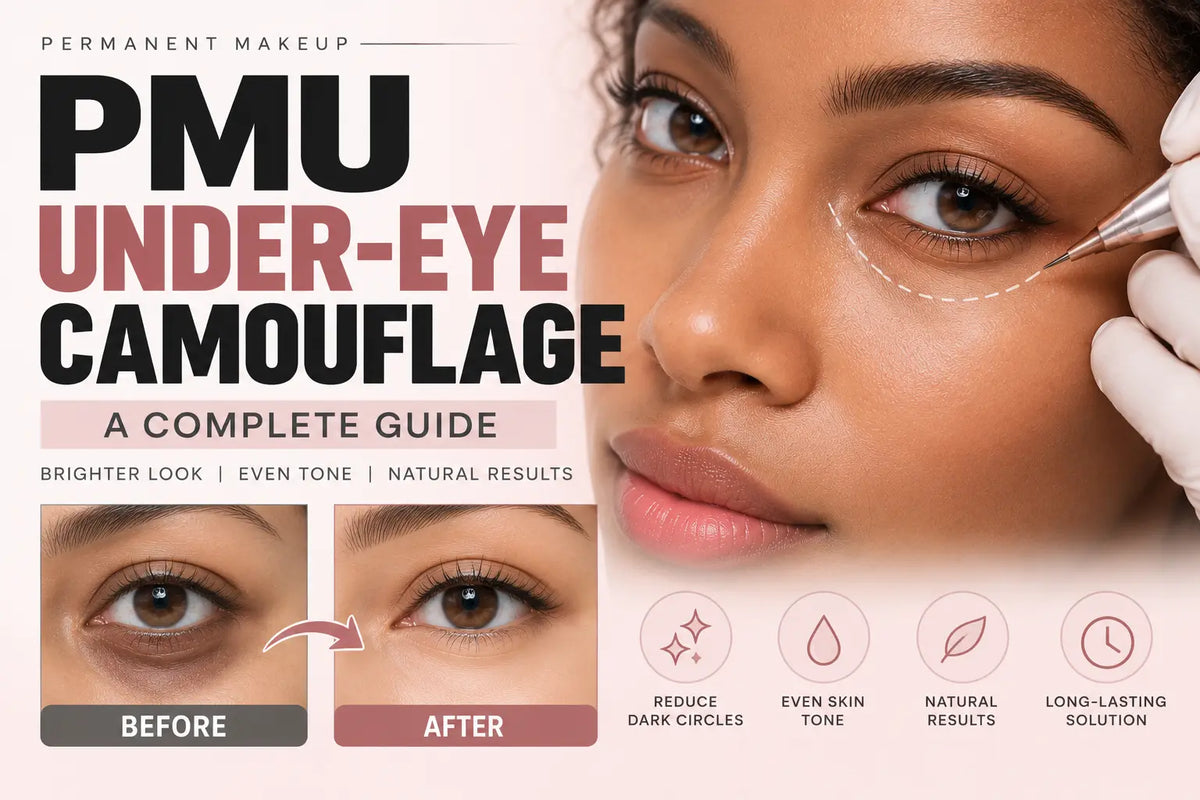
Key Takeaways
- PMU under-eye camouflage requires more than matching a pigment to the client's visible skin tone.
- Artists should assess the type of discoloration, skin tone, undertone, existing color, and desired healed result.
- PMU color theory can support pigment choices, but there is no single formula for every client.
- Controlled technique, safe pigment handling, careful consultation, and clear records all support better treatment planning.
Under-eye camouflage can look simple from the outside: identify a dark area, choose a skin-toned pigment, and soften the contrast. In practice, the process requires much more thought. The skin beneath the eyes can show pigment, blood vessels, thin skin, puffiness, or shadows from facial structure. These factors can appear together, so the same pigment approach will not suit every client.
For a PMU artist, good results start with assessment. Pigment selection, color theory, implantation control, healing, and client expectations all need to work together. Permanent makeup is also a form of tattooing, so product handling, hygiene, and local requirements deserve careful attention.
What Is PMU Under-Eye Camouflage?
A clear grasp of the treatment goal helps artists make better choices about the treatment area, pigment, and technique.
The Principle Behind Under-Eye Camouflage
PMU under-eye camouflage uses micropigmentation to reduce the visual contrast created by certain types of under-eye discoloration. A PMU device introduces pigment into the skin, creating a longer-lasting color change than topical makeup.
The goal should not be to make the entire area look lighter. Instead, the artist should aim for a controlled transition between the treated area and the surrounding skin.
Permanent makeup pigment remains in the skin, so decisions made during treatment can affect the client long after the appointment.
Why the Under-Eye Area Requires a Different Approach
The under-eye area presents several challenges:
- The skin can be thin and delicate.
- Color differences can be highly visible.
- Vascular tones may show through the skin.
- Facial contours can create shadows.
- Pigment can look different after healing.
- The area is close to the eyes and requires careful treatment planning.
These factors make pigment matching for PMU more complex than matching a foundation shade.
The Goal: A Natural Transition, Not a Flat Skin-Tone Patch
A camouflage treatment should blend visually with the surrounding skin.
A patch that looks like a separate layer of beige, pink, orange, or gray can draw attention to the area instead of reducing it. Artists should therefore consider the client's existing skin color, the discoloration itself, and how the selected pigment may appear after healing.
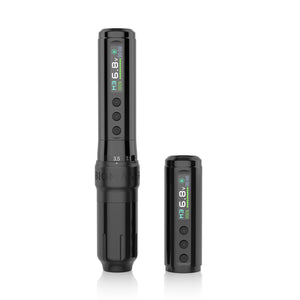
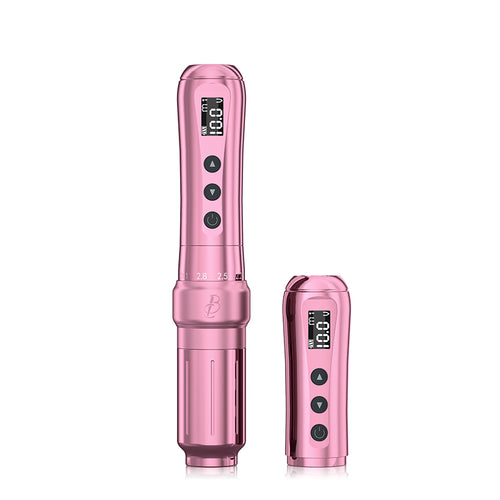
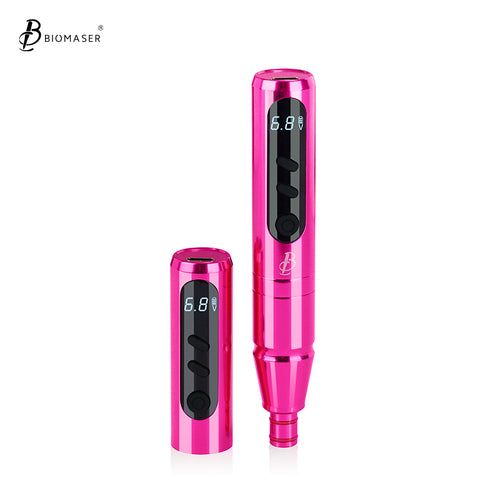
Biomaser Plenilune U1 Pro Wireless Tattoo & PMU Machine With Adjustable Stroke
Identify the Type of Under-Eye Discoloration First
Pigment selection becomes much clearer after the artist identifies what creates the darker appearance. Different causes can require very different cosmetic approaches.
Pigmentary Darkness
Pigmentary discoloration often appears brown or brownish. This type can be more closely related to changes in melanin and may be a stronger match for a camouflage approach. The artist should still assess the depth and distribution of the color rather than assuming that every brown area can be covered with the same PMU pigment.
Vascular Darkness
Vascular discoloration may appear blue, purple, pink, or reddish. It can be more visible through thin skin around the eyes.
Adding a skin-tone pigment does not remove the blood vessels beneath the skin. The artist should recognize this difference during consultation instead of treating every dark area as a pigment problem.
Structural Darkness
Structural darkness comes from shadows created by facial contours, hollows, tear troughs, or changes in the soft tissue around the eyes. A pigment cannot fill a hollow or change facial anatomy. If structure creates most of the visible darkness, the client may have limited benefit from camouflage alone.
Mixed Causes
Many clients have more than one factor. For example, pigmentation may sit on top of a structural shadow, while vascular color adds another tone.
Clinical reviews classify periorbital darkness into pigmented, vascular, structural, and mixed types. This classification is useful because different causes can call for different treatment approaches.
Assess Skin Tone and Undertone Before Choosing Pigments
Once the discoloration has been identified, the next step is to assess the skin itself. This helps prevent overly simple pigment choices.
Skin Tone vs. Undertone
Skin tone describes the general depth of the skin color. Undertone describes the warmer, cooler, or more neutral color beneath the surface appearance. Both can affect PMU pigment selection, but they should not be treated as rigid categories.
A client may have a warm-looking face with a different tone around the eyes. The under-eye area may also have its own discoloration that changes how a pigment appears.
Evaluate the Existing Under-Eye Color
Look closely at the color that needs camouflage.
It may appear:
- Brown
- Gray
- Blue
- Purple
- Pink
- Red
- A combination of several tones
Lighting can also change the way color appears. Consistent lighting during assessment and photography can help artists make more reliable comparisons.
Consider the Surrounding Skin
Compare the treatment area with nearby skin and consider how the final result should transition into the surrounding area. This is especially important if the client has uneven pigmentation across the face.
Consider the Desired Healed Result
Fresh pigment is not the final result. The skin can look different during healing, and the final color may be softer or less intense than the fresh appearance. Artists should select and apply pigment with the healed result in mind rather than trying to create the final appearance during the appointment.

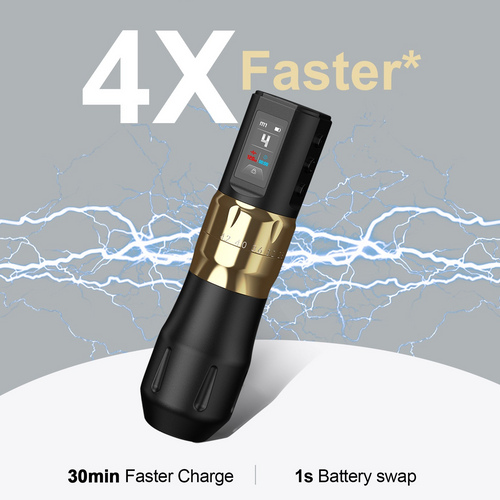
Biomaser Claro Wireless Tattoo & PMU Machine with RCA
How Should Artists Approach Pigment Selection?
Under-eye camouflage pigments need careful evaluation because a pigment that looks correct in the bottle may not produce the same visual result in the skin.
Why Skin-Tone Matching Alone Is Not Enough
A common mistake is treating camouflage as a simple foundation match. The artist needs to consider both the client's natural skin color and the color that creates the unwanted contrast. A pigment that matches the general skin tone may still fail to blend with the darker area.
Use PMU Color Theory as a Decision-Making Tool
PMU color theory can help artists think through color relationships. Complementary colors may help reduce the visual impact of certain unwanted tones, but color theory should not become a fixed recipe.
For example, an artist should not assume that every purple-looking area needs exactly the same correction pigment. Skin depth, surrounding color, pigment characteristics, and the client's healed result all matter.
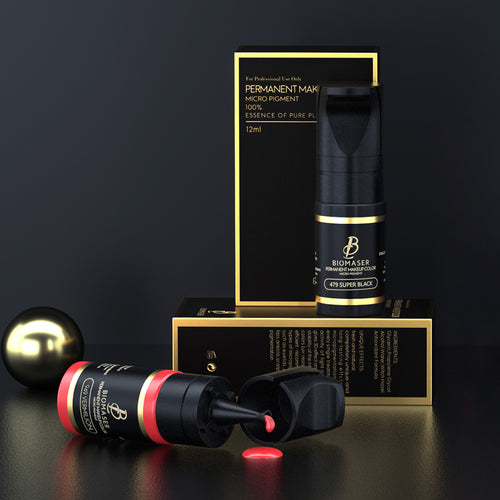
Consider Pigment Composition and Behavior
Artists should review the manufacturer's product information and use pigments according to the intended instructions and applicable requirements. This includes paying attention to:
- Product identification
- Pigment shade
- Batch information
- Storage requirements
- Expiration information
- Manufacturer instructions
- Local requirements
The term "FDA-approved pigment" should also be used carefully. FDA states that no color additives are approved for injection into the skin, including those used in permanent makeup.
Consider the Long-Term Result
PMU can fade, shift in appearance, or become difficult to correct. Deep implantation can also contribute to pigment migration and blurred edges.
Artists should therefore think about how the selected permanent makeup pigments may look after healing and as the result changes over time.
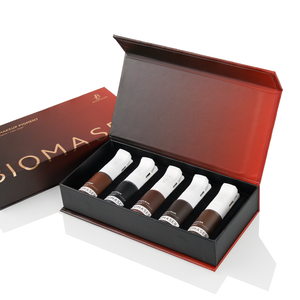
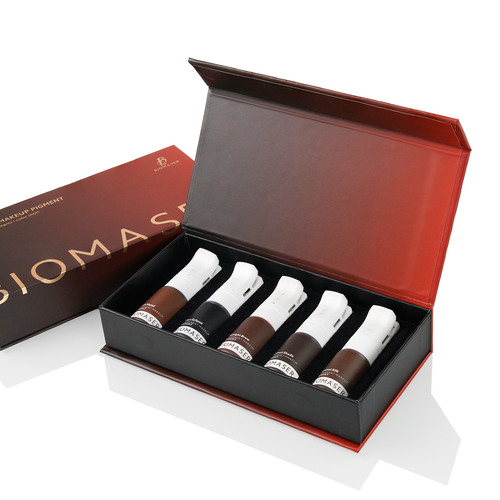
Biomaser Eyebrow & Eyeliner Pigment Collection
What Technique Factors Matter in Under-Eye Camouflage?
Pigment choice is only part of the process. How the pigment is introduced into the skin can also affect the final appearance.
Plan the Treatment Area Carefully
Start with the area that actually needs camouflage. Avoid extending pigment farther than necessary simply to create a larger treated area. A clear treatment boundary can help the result blend naturally with untreated skin. The client's facial movement, natural skin variation, and the visible transition between the darker area and surrounding skin should also be considered.
Control Pigment Implantation
Controlled implantation matters because PMU pigment is placed into the skin rather than painted onto its surface.
Too much trauma or overly deep implantation can contribute to unwanted cosmetic results. FDA information notes that pigment injected too deeply can migrate from the original site and create a blurred appearance.
Artists should follow their training, equipment instructions, and local requirements rather than relying on a single depth or machine setting for every client.
Manage Saturation
More pigment does not automatically create better camouflage. Heavy saturation can create a stronger visual block that may look less natural after healing. Controlled application allows the artist to assess the skin's response and avoid unnecessary work.
Monitor Skin Response
The under-eye area should be treated with care. Watch for changes in the skin during the procedure and avoid excessive trauma. The choice of PMU needles, machine settings, hand pressure, passes, and working pattern should follow the artist's training and the specific skin response rather than a universal formula.
Plan for the Healed Result, Not Just the Fresh Result
A strong PMU treatment plan considers what the client should see after healing, not only what looks impressive immediately after the appointment. Immediately after treatment, the skin can show temporary redness, swelling, and stronger-looking pigment. As the skin heals, the appearance can change.
Avoid Over-Correcting During the Initial Session
Artists may be tempted to add more pigment if the first result does not look as light or even as expected. That approach can create problems if the skin is already stressed or if the color has not had enough time to settle. A controlled first session gives the artist a better basis for evaluating the healed result.
Evaluate the Result After Healing
After healing, assess:
- Color retention
- Evenness
- Blending with surrounding skin
- Remaining discoloration
- Client satisfaction
- Areas that may need further work
This assessment can help determine if another session is appropriate.
What Common Challenges Should PMU Artists Watch For?
Recognizing common problems can help artists plan treatments more carefully and set clearer expectations with clients.
Choosing a Pigment That Is Too Light
A pigment that looks lighter than the surrounding skin may create a visible patch rather than camouflage. The target should be a natural visual transition, not simply the lightest possible color.
Choosing a Pigment That Is Too Warm or Too Cool
An undertone mismatch can become more noticeable after healing. This is why pigment selection should consider the client's existing skin and discoloration rather than relying on a general warm, cool, or neutral label.
Treating Structural Darkness as Pigmentation
If the main problem is a hollow or facial shadow, pigment cannot physically change that structure. A clear consultation can prevent the artist and client from expecting camouflage to solve a problem that comes from facial anatomy.
Overworking the Skin
Repeated passes or excessive pressure can increase skin trauma and may affect healing. A controlled technique is generally more useful than trying to force a stronger color into the skin during one appointment.
Focusing Only on the Immediate Result
A fresh result can look very different from a healed result. Artists should evaluate their work through healed photographs and client follow-up rather than relying only on same-day appearance.
How Should Artists Handle Client Consultation and Safety?
A thoughtful consultation gives the artist information needed for treatment planning while helping the client form realistic expectations.
Set Clear Expectations
Explain what camouflage can change and what it cannot. The client should know that PMU may reduce the visual appearance of suitable discoloration but cannot correct hollows, facial structure, or every vascular cause of darkness. Avoid promising complete removal of dark circles or a permanent match to the client's natural skin.
Review Relevant Skin and Procedure History
Ask about:
- Existing PMU
- Previous reactions to tattoo or cosmetic pigments
- Recent cosmetic procedures
- Fillers or other treatments around the area
- Current irritation or inflammation
- Relevant skin concerns
A 2024 review found that PMU can produce infectious, allergic, and inflammatory complications, and that changes to the underlying skin, such as cosmetic fillers or local anesthetics, may alter the appearance of PMU.
Maintain Strict Hygiene and Product Handling
Permanent makeup tools and needles can introduce microorganisms into the skin if they are not handled properly. Artists should follow applicable sanitation rules, use appropriate single-use supplies where required, prevent cross-contamination, and handle pigments according to product instructions.
Follow Local Requirements
PMU regulation varies across the United States. Training, licensing, facility rules, and other requirements may differ by state or local jurisdiction. Artists should check the rules that apply to their location instead of assuming that a requirement in another state applies to them. A review also notes significant variation in U.S. PMU regulation and training requirements.
How Can Artists Document Under-Eye Camouflage Treatments?
Good records can make future appointments easier to plan and give artists a clearer view of how pigments perform after healing.
Record the Pigment System and Product Information
Keep a record of the pigment used, shade, batch information when available, and relevant product details. This can be useful if a client returns for a touch-up or develops an unexpected reaction.
Document the Client Assessment
Record useful treatment information such as:
- Skin tone and undertone
- Type of discoloration
- Treatment area
- Pigment choice
- Client expectations
- Relevant procedure history
- Aftercare instructions
Record Healed Results
Take consistent photographs at appropriate stages of healing. Healed photos can help artists compare pigment retention, blending, and color changes across different clients. They can also help inform future treatment decisions.
Build Under-Eye Camouflage Around Assessment, Pigment, and Control
PMU under-eye camouflage can be useful for certain pigment-related concerns, but it cannot correct every source of under-eye darkness. Controlled implantation, careful treatment planning, safe product handling, and realistic client communication all have a place in the process. For a PMU artist under-eye camouflage should start with assessment rather than a preset color formula. Keeping clear records and reviewing healed results can also help refine future treatment decisions.
Frequently Asked Questions About PMU Under-Eye Camouflage Explained: Pigments, Techniques, and What Artists Should Know
Q1: How Do Artists Choose Pigments for PMU Under-Eye Camouflage?
Artists should assess the client's skin tone, undertone, existing discoloration, surrounding skin, and intended healed result. There is no single PMU pigment that works for every client. Pigment choice should also follow the manufacturer's information and applicable local requirements.
Q2: Can PMU Color Theory Correct Every Type of Dark Circle?
No. Color theory can help with certain pigment-related discoloration, but it cannot correct structural shadows, hollows, or every vascular cause of dark circles. Mixed causes may also require a different treatment plan.
Q3: Why Can Under-Eye Camouflage Heal Differently From the Initial Color?
The fresh treatment can look stronger because of the newly implanted pigment and temporary skin changes. As the skin heals, the appearance can soften or change. Pigment can also fade or shift over time.
Q4: What Should Artists Assess Before Performing Under-Eye Camouflage?
Artists should assess the type and pattern of discoloration, skin tone, undertone, existing PMU, current skin condition, relevant procedure history, client expectations, and the intended treatment area. They should also review applicable safety, sanitation, training, and local regulatory requirements.
