






The Pros and Cons of Permanent Makeup You Need to Know
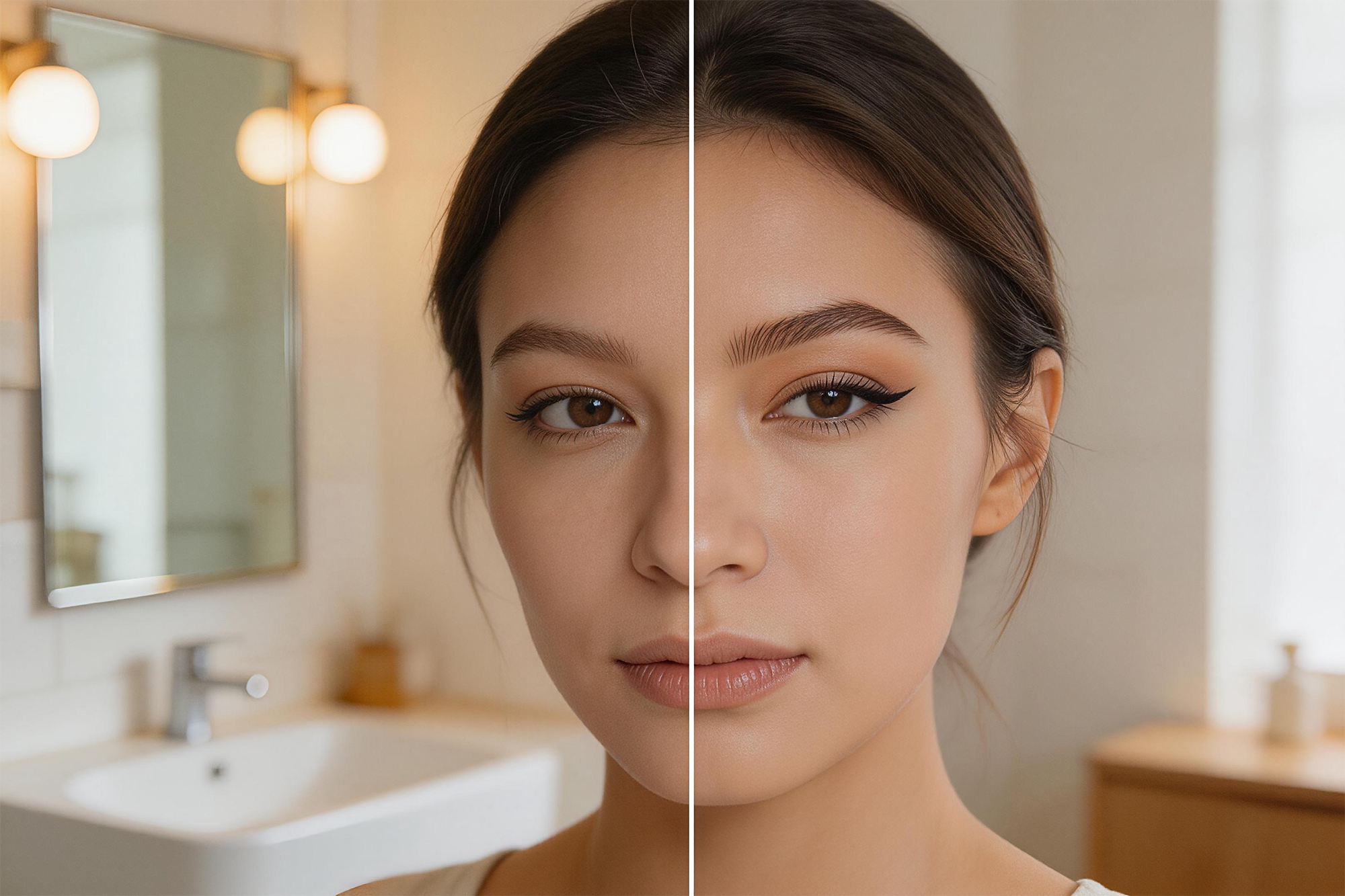
Getting ready becomes a lot easier when your eyeliner and lip color are already in place. Many people are choosing permanent makeup to cut down their morning routine and stay looking sharp all day. While the convenience is great, putting pigment into your skin is a big commitment. We look at the benefits and the risks of these treatments to help you decide if this change fits your life.
The 5 Advantages of Choosing Permanent Makeup
Not only does PMU make you look good, but it also offers help in various aspects of life. That is why most people choose to use it when they want to look their best with minimal effort.
Saving Time Every Single Morning
The most obvious benefit is the time you get back. Most people spend ten to twenty minutes every morning drawing on brows or lining their eyes. Over a year, that adds up to dozens of hours. With these procedures, you bypass the struggle of getting your eyeliner even or finding the right brow pencil shade. You simply wake up, wash your face, and you are ready to go.
Results That Stay for Years
Unlike a tint or a stain that washes off in a few days, this technique lasts. Depending on your skin type and how you care for it, the results can remain visible for several years. You won't have to worry about buying new products every month or keeping up with a complicated application routine.
Total Resistance to Water and Sweat
Standard makeup runs the moment you get caught in a rainstorm or hit the gym. Cosmetic tattoos are different. Because the pigment is inside the skin, it cannot smudge, smear, or wash away. This is a huge win for athletes, swimmers, or anyone living in a hot, humid climate where makeup usually melts off by noon.
Improving Your Natural Look
Many people use these services to fix things that bother them. If you have thin eyebrows from over-plucking or lips that lack a clear border, a skilled artist can recreate those shapes. It brings balance to the face and helps people feel more comfortable in their own skin without needing a heavy layer of products.
A Solution for Physical Challenges
For some, this isn't about vanity; it's about accessibility. People with shaky hands from Parkinson's or those with poor vision often find it impossible to apply eyeliner. Those with alopecia or who have lost hair due to medical treatments can get their features back. It also helps anyone with severe allergies to the ingredients found in traditional cosmetics.
The 6 Disadvantages and Risks of Permanent Makeup
Although the advantages are quite appealing, you still have to consider the cons. There are no perfect cosmetic procedures. By being knowledgeable about them, you won't encounter any unexpected things during the healing process.
It Isn't Actually Forever
The name is a bit misleading. Because the face is exposed to the sun and we wash it daily, the pigment breaks down. You will likely need a color boost every year or two. If you want to keep the look fresh, you have to commit to regular maintenance appointments.
The Initial Procedure and Future Touch-ups Cost
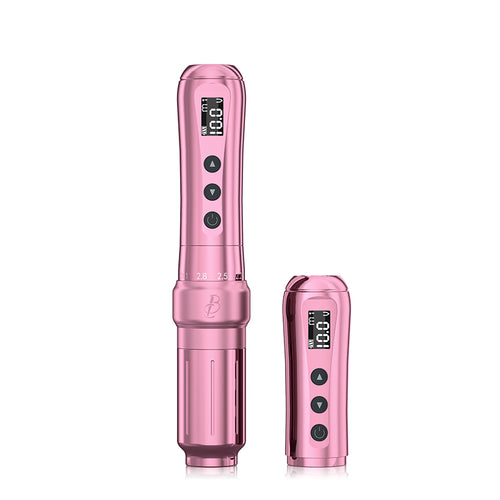
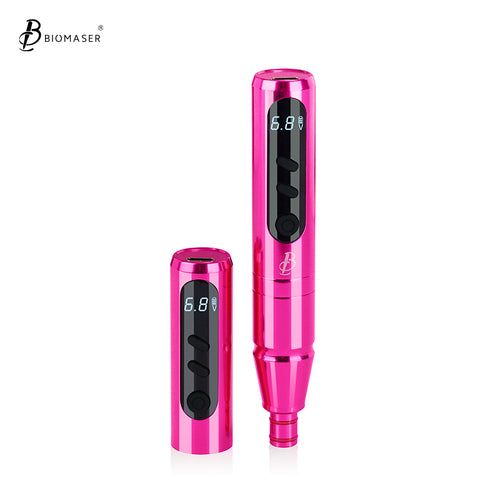
The price tag can be a shock. A high-quality artist using the best PMU machines will charge several hundred or even over a thousand dollars for the first session. What's more, PMU results typically last one to three years (the real longevity depends on lots of factors), you need to add in the cost of touch-ups over the next five years, in that way, the total grows. You have to decide if the time saved and the years of wear are worth the money spent.
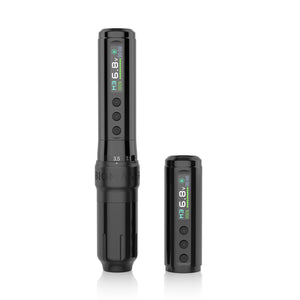
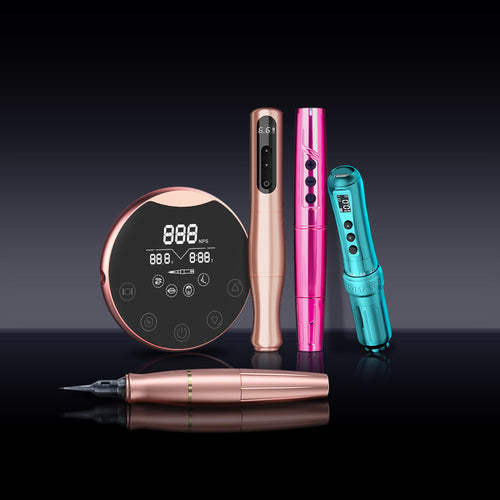
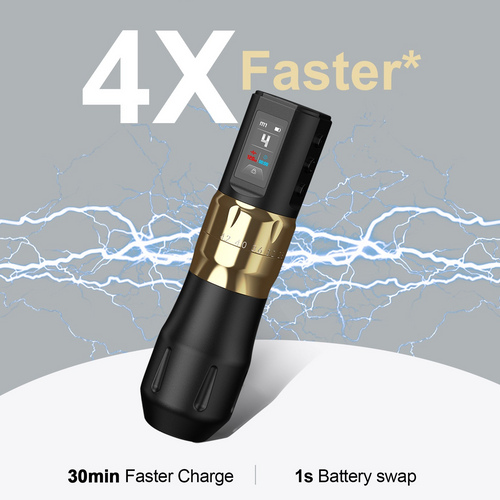
Biomaser Plenilune U1 Pro Wireless Tattoo & PMU Machine With Adjustable Stroke
Discomfort and the Healing Phase
While numbing creams help, the process isn't painless. You will feel a scratching or stinging sensation. Usually, the discomfort and pain levels vary depending on the PMU types. Eyebrows often feel like light scratching, while lip procedures can be more intense because the lips have many nerve endings.
After the appointment, your skin will be red, swollen, and eventually scabby. You have to follow strict aftercare rules for about two weeks, which include staying out of the sun and avoiding the gym.
Lack of Style Flexibility
Once that ink is in your skin, you are stuck with that specific style for a long time. If you get a thick, dramatic eyeliner and then decide you want a natural look, it is very difficult to change. Removal is possible but involves painful and expensive laser treatments that are not always 100% effective.
Concerns About Safety and Health
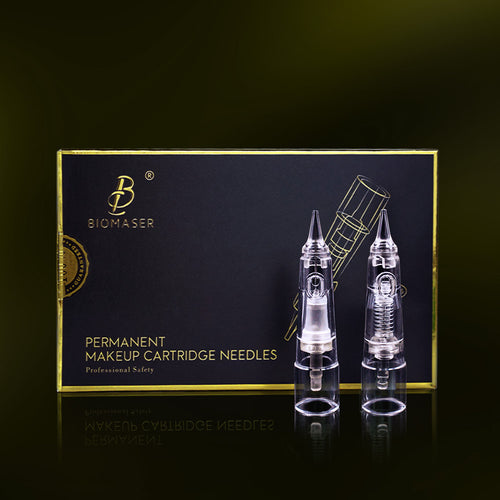
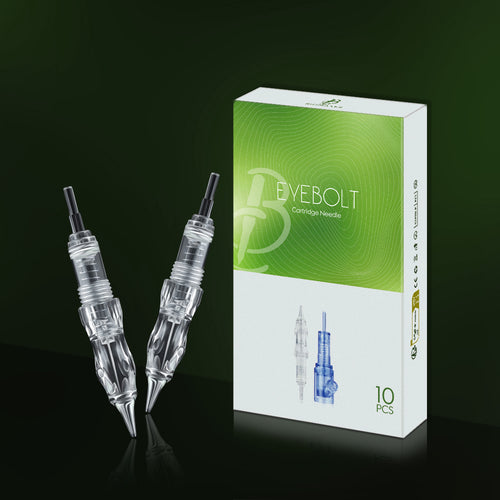
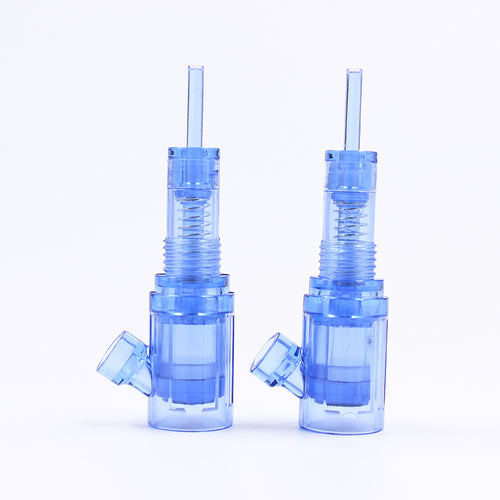
Any time you break the skin, there is a risk. If the artist doesn't use sterile permanent makeup supplies, you could end up with an infection. Some people also have allergic reactions to certain colors. It is vital to ensure the studio follows strict health department codes to keep you safe.


The Risk of a Bad Outcome
The result is only as good as the person holding the tool. If an artist uses the wrong technique or poor-quality PMU color correction methods, you might end up with blue-toned brows or uneven lips. Fixing a bad job is often much harder and more expensive than getting it done right the first time.
4 Key Factors to Consider Before Your PMU Appointment
If you are still interested, you need to do some homework. Taking the time to plan helps you avoid regret and ensures you get the beautiful results you are looking for.
Assess How Your Skin Type Reacts to Pigment
Oily skin tends to blur pigment faster than dry skin. If you have very large pores or certain skin conditions like eczema, the ink might not take well. Talk to a professional about how your specific skin will react to the needles and the pigment.
Research and Choose a Qualified Artist
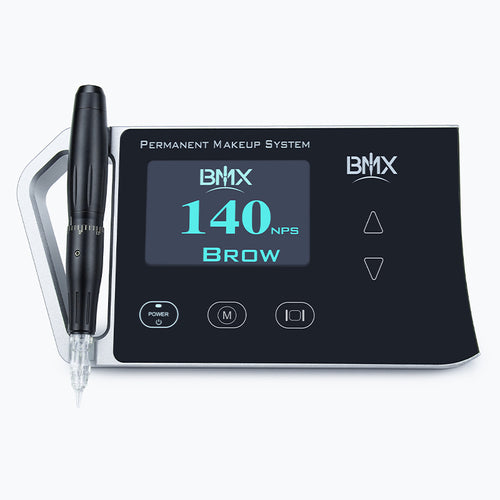
Do not just go to the cheapest person you find. Look at their portfolio of healed work, not just photos taken right after the procedure. Make sure they use modern PMU machines and have a clean, licensed studio. A good artist will be happy to show you their credentials and explain their sanitation process.
Set Realistic Expectations for the Healing Process
You should not expect perfection. Faces are naturally asymmetrical, and your results will be too. Also, remember that the color will look very dark for the first week and then fade significantly as the skin heals. Understanding this "rollercoaster" of healing will keep you from panicking during the first few days.
Plan Your Long-Term Beauty Budget
Think about the next three to five years. Can you afford the touch-ups? If you get your brows done now but can't afford to maintain them, they may fade into an unattractive shade later. Make sure this fits into your long-term beauty budget.
Think Twice Before Making the PMU Choice
Cosmetic tattooing is a powerful tool for anyone wanting to simplify their morning or boost their self-image. It offers a level of convenience that traditional makeup simply cannot match.
However, it is not a decision to make on a whim. Because it involves your face and your health, you must weigh the convenience against the costs and risks. If you find a talented artist and understand the commitment, it can be a life-changing improvement to your routine.
FAQs
Q1: Is permanent makeup really permanent?
No, it is technically "semi-permanent." The pigments are designed to be broken down by your body over time. While some shadow of the color might remain forever, the visible "makeup" look will fade and disappear if you don't get it touched up.
Q2: Does the procedure hurt a lot?
Yes, there is some discomfort, but it is usually manageable. Artists usually apply a numbing cream to dull the sensation, and most clients describe the feeling as a light scratch or a vibrating sensation, but your experience depends on the area and pain tolerance.
Q3: Can anyone get these procedures done?
Not everyone is a good candidate for PMU. If you are pregnant, breastfeeding, or on blood thinners, you should wait or consult a doctor about it. If you have any conditions related to the immune system and have a skin infection in the area, you should be very careful.
Q4: How long do the results usually last?
On average, you can expect your results to look good for 1 to 3 years. Factors like sun exposure, your skincare routine (especially using acids or peels), and your metabolism will determine how fast the color leaves your skin.
