





SMP Scalp Micropigmentation: Indication Assessment for Five Candidate Profiles

Introduction
Hairline recession is rarely just an appearance issue. In consultation after consultation, SMP practitioners hear the same layered anxieties: being passed over for jobs perceived as requiring a younger candidate, avoiding side-profile photographs at social events, feeling a quiet but persistent sense of self-consciousness that erodes confidence in intimate moments. These aren't vanity concerns — they're quality-of-life issues that have real professional and psychological consequences.
The traditional response options have significant drawbacks. Hairpieces are bulky, hot, and require constant maintenance. Medical treatments like finasteride or minoxidil demand years of continuous use with variable efficacy and known side effects. Hair transplant surgery requires anesthesia, carries a 6–12 month recovery window, consumes a non-renewable resource (donor follicles), and typically costs the equivalent of a used car. None of these options are wrong — but they're all significant commitments.
SMP offers a middle path: non-surgical, minimal recovery, visible immediately after the procedure. It sits between cosmetic concealer and surgical intervention in terms of commitment, cost, and invasiveness. But it's not suitable for everyone, and understanding who the ideal candidates are — and who should avoid it — is the first step to determining whether it's the right solution for any given client.
The Technical Principle: How SMP Actually Works
The Core Mechanism — Simulating Follicle Density with Pigment Dots
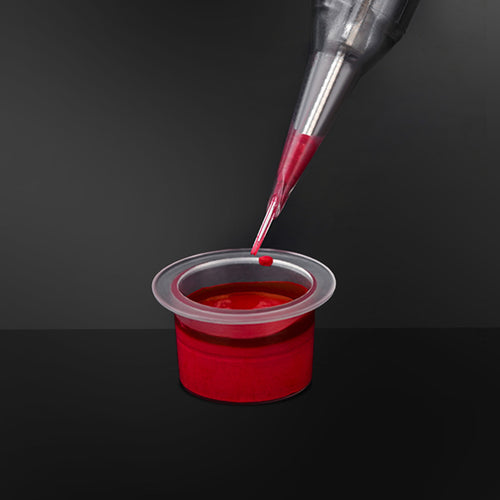
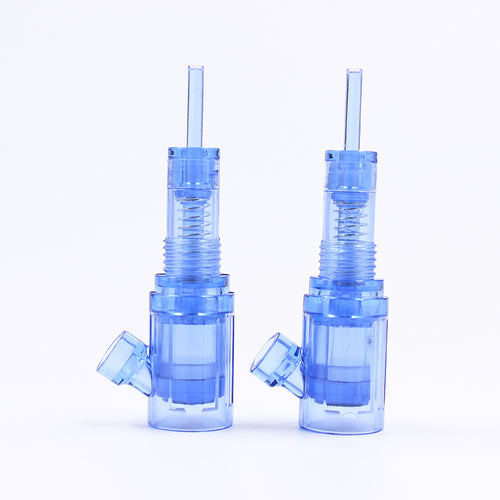
SMP is an extension of PMU (Permanent Makeup) principles applied to the specific anatomical context of the scalp. The technique uses a specialized micro-needle to deposit pigment in the upper dermal layer — specifically the junction between the epidermis and the superficial dermis — in a dense pattern of tiny dots that replicate the visual effect of hair follicles seen under natural light.
The critical difference between SMP and body tattooing lies in depth control. Deposit too deep (into the reticular dermis or subcutaneous layer) and the pigment spreads laterally as it settles, creating a soft blue-grey blotch rather than a crisp dot — this is the most common SMP failure mode. Deposit too shallow (in the epidermal layer) and the pigment sheds with normal skin turnover within weeks. The professional SMP target zone is approximately 0.5–1.0mm depth — shallow enough to avoid vascular-layer color migration, deep enough to achieve permanent integration.
Why SMP Pigment Formulation Is Different from Body pigment
Standard tattoo inks are formulated for the relatively forgiving tissue environment of the body. SMP pigment — when properly formulated — uses a metal oxide composite system specifically calibrated for the scalp's unique biology:
- Oxidation resistance: Scalp tissue has high vascularization and exposure to UV radiation. Pigments that oxidize quickly on the body will shift toward blue-grey on the scalp within months
- Particle size control: SMP pigment particles are sized to sit in the target dermal zone without migrating — larger particles used in body tattoos would create the blue-grey spreading effect
- Color stability: Premium SMP pigments maintain a neutral dark grey-brown tone (matching natural follicle shadows) for3–5 years without the warm-tone shift that budget pigments produce
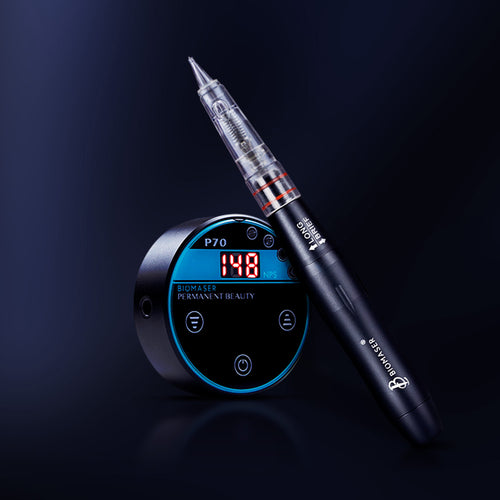
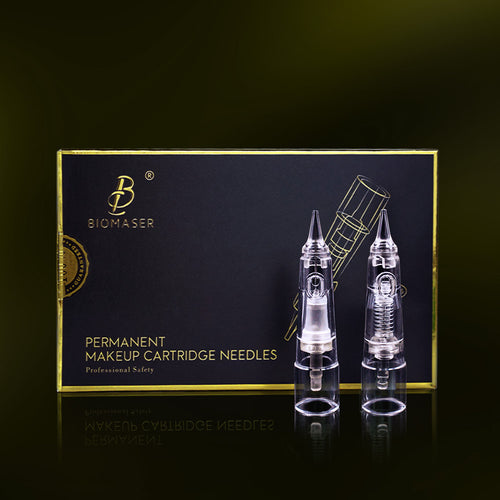
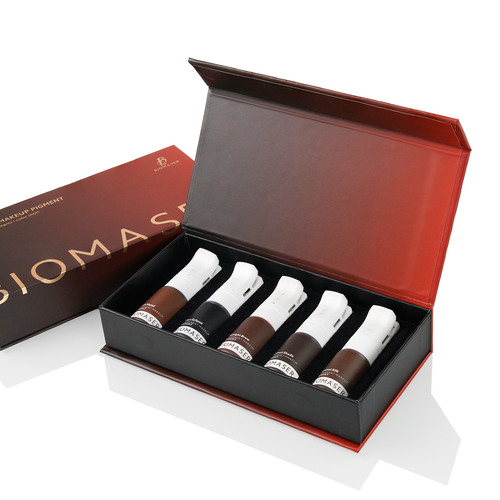
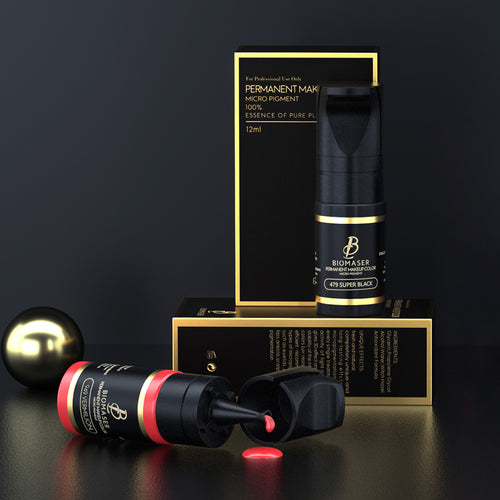
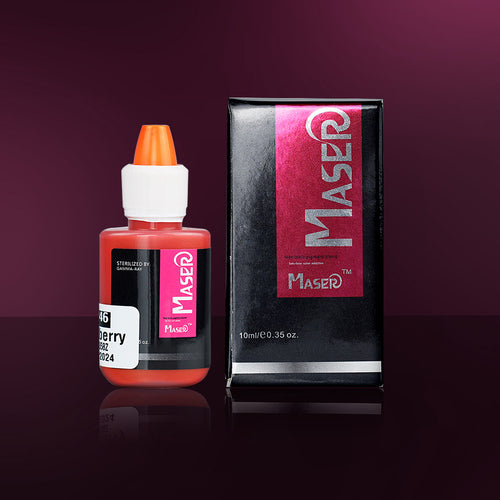
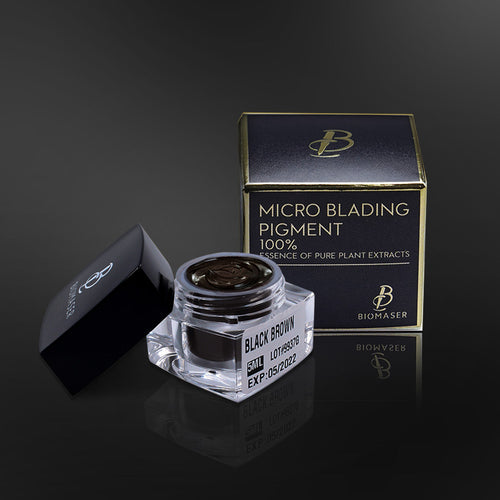
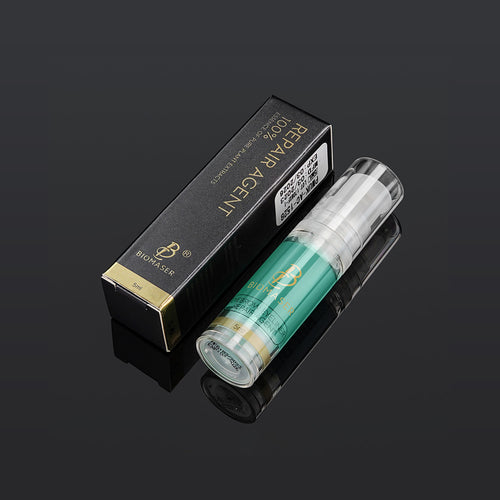
Brands like Biomaser have developed SMP-specific pigment formulations with FDA/CE certification that use oxidation-resistant metal oxide composites specifically validated for the scalp environment — this isn't a cosmetic choice, it's a functional requirement that distinguishes professional SMP pigment from generic pigment.
Low-Frequency Mode Equipment — Why It Matters for Natural Results
Standard PMU machines operate at frequencies optimized for lip and brow work — frequencies that, when applied to scalp tissue, produce punctures too rapidly for the tissue to cleanly accept each deposit. The result is lateral pigment spread rather than crisp dot formation.
Low-frequency mode (L-mode) SMP equipment provides controllable needle stroke rates that allow each puncture to fully settle before the next is delivered. This slower, more deliberate puncture rhythm produces significantly cleaner dot definition — and cleaner dot definition is what separates natural-looking SMP from the obviously tattooed appearance that clients fear.
Profile 1: Naturally High Hairline — Seeking Proportional Correction
The Candidate Profile
These clients aren't experiencing hair loss — they have a genetically determined high forehead that creates a forehead-to-face proportion that reads as visually top-heavy. The three-zone facial proportion (forehead, midface, lower face) is naturally imbalanced toward the forehead zone, making the face appear less defined than it actually is.
These clients are typically younger (early twenties to mid-thirties), have no family history of androgenetic alopecia, and have normal hair density everywhere except at the hairline position itself. Their concern is purely proportional, not density-based.
Why SMP Works for This Profile
SMP creates a simulated hairline by adding pigment dots in the upper forehead zone, slightly above the natural hairline position. The result is that the forehead appears shorter proportionally, without any change to the actual hair. The visual effect is an immediate improvement in facial proportion — the forehead no longer dominates the face.
The key assessment factors for this profile:
- Is the existing hairline hair follicle density sufficient to blend with the SMP dots without an obvious boundary line?
- Is the forehead skin in healthy condition — no active acne, no scarring, normal texture?
- Does the client's natural hair color and growth pattern allow a natural transition zone between existing hair and SMP dots?
When these conditions are met, a single SMP session typically produces the desired proportional correction. The result is permanent, requires no daily maintenance, and — because no actual hair is being manipulated — there is no recovery period beyond normal scalp healing.
Profile 2: Irregular Hairline from Alopecia or Trauma
The Candidate Profile
These clients have patchy or irregular hair loss caused by alopecia areata (patchy autoimmune hair loss), physical trauma (cuts, burns, surgical incisions), or behavioral factors like trichotillomania (repetitive hair pulling). The defining characteristic is that the hair loss is localized to specific areas rather than diffuse across the entire scalp — and the border between haired and non-haired areas is visibly uneven.
Their core complaint isn't "I have too little hair" — it's "my hair distribution is uneven and my hairline has visible breaks." The psychological impact is often more severe than diffuse thinning because the irregularity is immediately noticeable to observers.
Why SMP Works for This Profile
SMP fills the gaps in the hairline with pigment dots that restore a continuous, natural-looking contour. The technique replaces the broken border with a smooth simulated hairline that integrates with the remaining natural hair. The effect is correction rather than addition — SMP is making the existing hair look better organized, not replacing what's missing.
Important Contraindication: Active Alopecia Areata
If the alopecia areata is still actively progressing — patches are getting larger or new patches are appearing — SMP should not be performed until the condition has been medically confirmed as stable. Performing SMP in an actively progressing alopecia zone deposits pigment into tissue that is actively being attacked by the immune system, resulting in unpredictable pigment clearance and potential inflammation. Always require a dermatologist's confirmation of disease stability before scheduling SMP for alopecia-related hair loss.
Profile 3: Diffuse Thinning Across the Full Scalp
The Candidate Profile
Androgenetic alopecia (AGA) in its mid-to-late stages produces diffuse thinning — hair follicle diameter shrinks (miniaturization), overall density decreases, and the scalp becomes increasingly visible through the hair. The hairline may recede, but the primary concern is overall volume loss rather than a specific zone.
These clients typically have a history of gradually worsening thickness over 5–15 years, have often tried medical treatments with limited success, and are usually in their late thirties to fifties. They want the appearance of a full head of hair without the commitment of surgery.
Why SMP Works for This Profile
The value proposition for diffuse thinning is different from the other profiles: instead of correcting a specific shape, SMP adds visual density across the entire thinning zone. The pigment dot array creates the illusion of high follicle density — the brain interprets dense small dots as dense hair follicles, which is exactly what the visual cortex expects when looking at a full head of hair.
For these clients, SMP pairs well with short-cropped hair styles where the shaved length is close to the natural stubble length that SMP dots simulate. The combined effect can be remarkable — clients who were on the verge of shaving their head entirely can maintain a natural-looking cropped style for years.
Critical Counseling Point: Ongoing Hair Loss
If the client still has active androgenetic alopecia progression, SMP should be accompanied by a medical referral for hair loss management. SMP addresses the visual appearance at the time of the procedure — it doesn't stop progressive thinning. The professional obligation is to recommend concurrent medical management (finasteride, minoxidil, or equivalent) so the SMP result doesn't become outdated within2–3 years as the surrounding hair continues to thin. SMP and medical hair loss treatment are complementary, not competing — the best outcomes use both.
Profile 4: Image-Conscious Professionals Requiring Stable Appearance
The Candidate Profile
This profile is often overlooked in SMP discussions, but it's actually one of the largest user segments: high-appearance-dependence professionals, public figures, business executives, content creators, and anyone who maintains a consistent public image as a core professional requirement.
For these clients, the hairline isn't just an appearance issue — it's a daily management burden. Time spent applying cosmetic concealers to hair-thin areas, periodic root touch-up coloring to maintain the illusion of density, anxiety about wind or rain or gym-sweat revealing the real scalp — these are real and recurring energy costs that chip away at professional focus.
Why SMP Works for This Profile
SMP eliminates the daily management burden entirely. Once the procedure is complete and healed, there is no daily routine required. The result persists for 3–5 years before requiring a touch-up session. For clients whose professional appearance requirements make the daily maintenance burden genuinely costly (lost time, anxiety, the risk of an appearance management failure at a critical moment), SMP's one-time investment is genuinely economical in the professional context.
The non-negotiable requirement for this profile is realism about the 3–5 year maintenance cycle. SMP doesn't last forever — the pigment will gradually lighten over time. Clients who understand this and plan for the touch-up schedule maintain excellent long-term results. Clients who expect permanent SMP with no maintenance fade faster and are more disappointed.
Profile 5: Seeking Non-Surgical Hair Transplant Alternative
The Candidate Profile
These clients have actively researched hair transplant surgery and determined that it's not the right solution for them — for reasons of cost, recovery time, surgical risk, keloid tendency, needle phobia, or limited donor follicle supply. They want meaningful visual improvement and have decided that the hair transplant's commitment profile doesn't match their situation.
They're typically well-informed, have done research, and are coming to SMP with realistic expectations about what a non-surgical visual improvement can achieve.
Why SMP Works for This Profile
SMP delivers a visually significant improvement — the re-creation of a defined hairline or the addition of visible density — without any of the hair transplant's commitment requirements:
- No anesthesia — no surgical risk
- No 6–12 month recovery period — return to normal activities within 48 hours
- No non-renewable resource consumption — SMP can be maintained and adjusted indefinitely
- No multi-thousand-dollar upfront cost — typically 40–60% of hair transplant pricing
The comparison point that matters: SMP visual results, when well-executed, are visible immediately post-procedure. Hair transplant results take 9–12 months to fully manifest. For clients who want visible improvement now rather than a year from now, SMP's timeline advantage is decisive.
Pre-Procedure Assessment: What a Professional Evaluation Looks Like
Institutional Credentials — What to Evaluate
Professional SMP institutions should be able to provide:
- Technician training certifications from recognized SMP training bodies
- A portfolio of before/after photographs with consistent lighting and photography angle — not just single images, but sequential documentation of multiple clients
- Clear explanation of the procedure's realistic outcomes and limitations — a technician who promises specific results without qualification is a warning sign
- Willingness to identify contraindications and advise medical consultation when appropriate — the ethical technician sometimes says "not yet" or "not this procedure"
Pigment and Equipment Standards
Ask specifically about pigment sourcing and certification. FDA/CE/ISO 9001/ISO 13485 certification doesn't guarantee perfect results, but it does indicate that the product has undergone structured regulatory review — significantly more meaningful than an unmarked bottle from an unknown supplier.
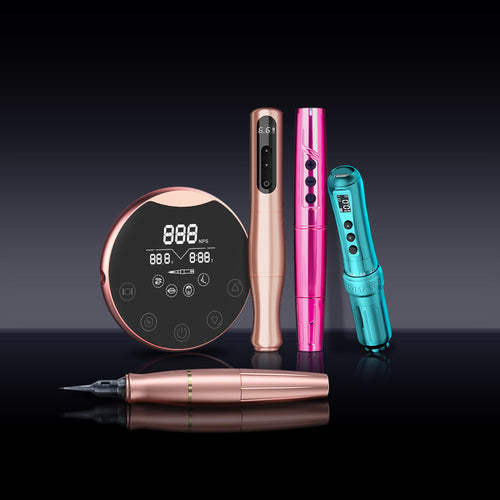
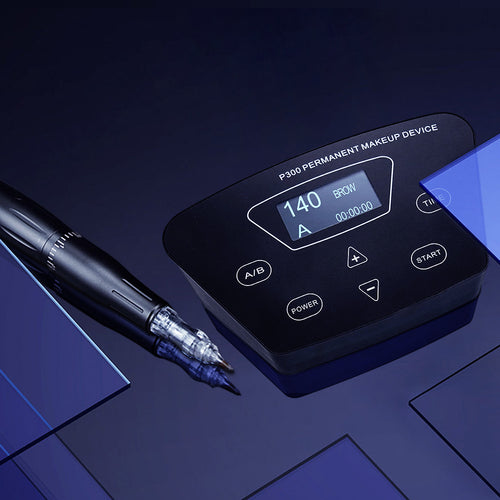
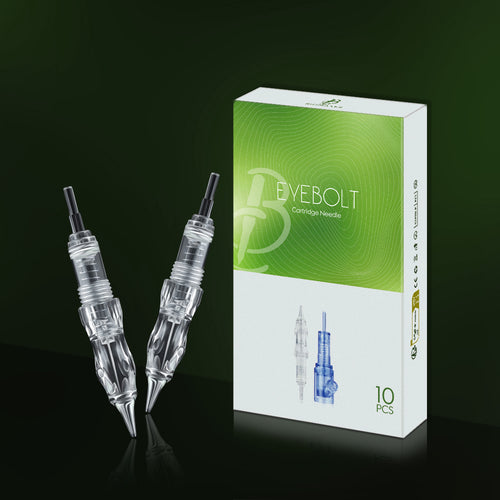
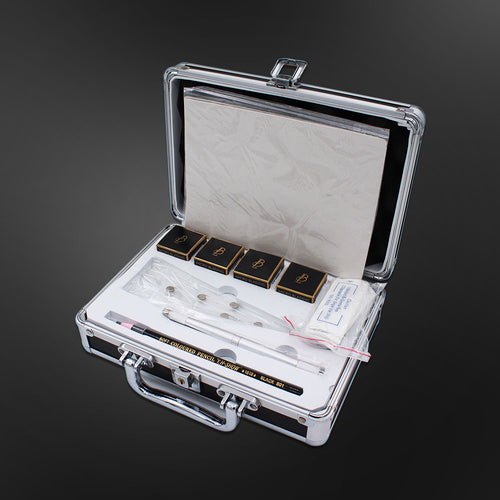
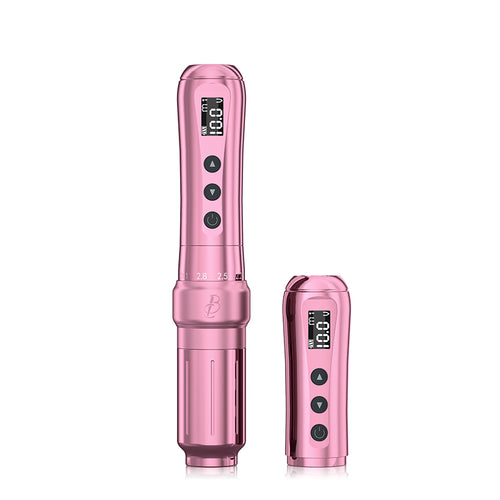
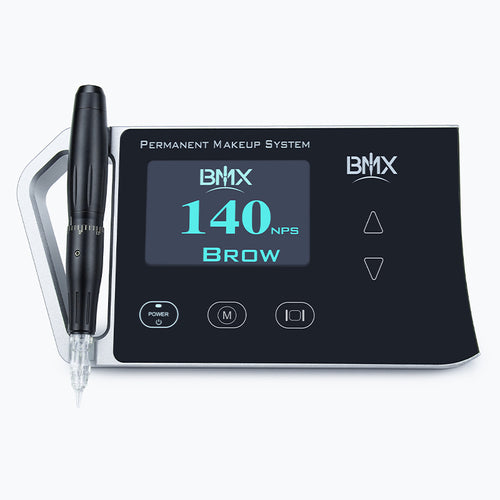
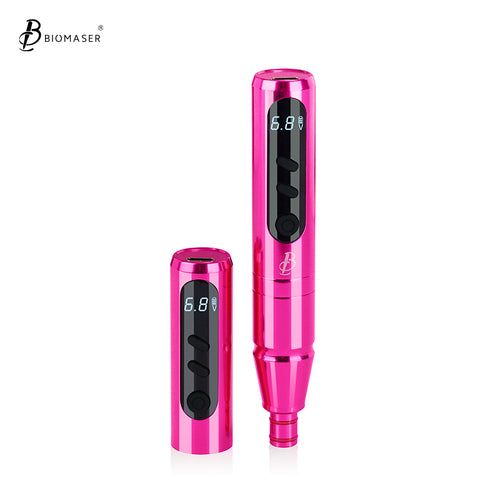
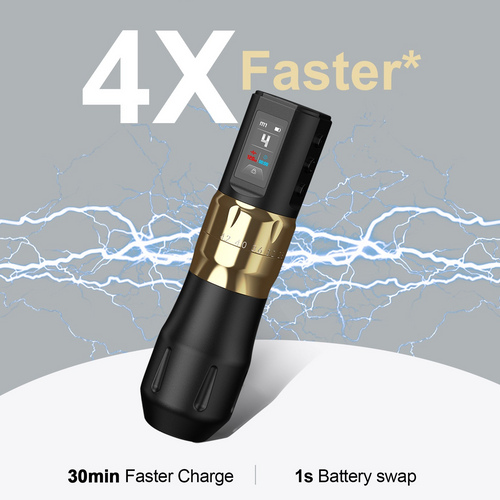
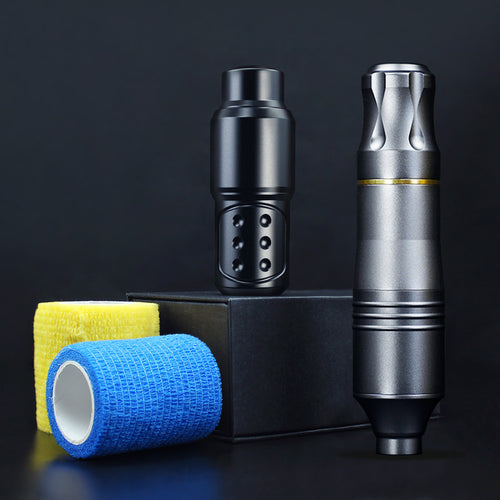
Equipment should be SMP-specific — not repurposed standard PMU machines. Low-frequency mode capability and adjustable stroke depth are the key specifications that separate SMP equipment from standard cosmetic tattoo machines.
Realistic Outcome Parameters
- Session count: 2–3 sessions are required for final results — a single session is never the full procedure
- Session spacing: 4–6 weeks between sessions for pigment settling and skin recovery
- Initial color: The immediate post-session color will be darker than the final result — this is normal, as the pigment oxidizes and integrates during healing
- Longevity: 3–5 years before significant lightening occurs, with touch-up sessions to restore original density
- Individual variation: Final result depends on the technician's skill, pigment quality, and the client's scalp skin condition — all three must be good for optimal outcomes
Contraindications — When SMP Is Not Appropriate
Active Skin Disease in the Scalp
Active psoriasis, seborrheic dermatitis, or active eczema in the target scalp area are contraindications. The inflamed, shedding skin surface cannot cleanly accept pigment deposits — results will be uneven, and the needling trauma may exacerbate the underlying condition. Treat the skin disease first; reassess SMP suitability once the condition is medically managed and stable.
Unhealed Transplant Site
Hair transplant recipients must wait 6–12 months post-transplant before SMP can be performed in the transplanted zone. The transplanted follicles need this time to establish blood supply and stabilize. Performing SMP too early risks disrupting the graft sites and compromising both the transplant and the SMP result.
Keloid Tendency
Clients with a history of keloid (raised scar) formation should undergo dermatologist evaluation before any SMP procedure. The scalp is a high-tension skin surface where keloid formation, while less common than on the chest or shoulders, is still a real risk when the skin is repeatedly punctured. This contraindication is absolute — keloid formation on the scalp is difficult to treat and may worsen with each subsequent SMP session.
FAQ
What's the difference between SMP and a regular scalp tattoo?
Three fundamental differences: depth of implantation, pigment formulation, and technique. SMP deposits pigment at the epidermally-dermal junction (0.5–1.0mm), specifically calibrated to avoid the vascular layer that causes blue-grey spreading. Regular body tattoos deposit deeper and use different pigment formulations that oxidize and shift color on the scalp. SMP also uses a dot-density pattern specifically designed to replicate follicle appearance under natural light — a body art's line-and-fill technique produces completely different visual results. The combination of correct depth, specialized pigment, and SMP-specific dot technique is what produces the natural appearance.
Is SMP painful?
Pain tolerance varies significantly by individual, but most clients describe the procedure as uncomfortable rather than acutely painful. The scalp has moderate nerve density — less sensitive than the lip, more sensitive than the brow. Professional SMP practitioners use topical anesthetic preparations before and during the procedure to manage discomfort. Clients with scalp sensitivity concerns should discuss this during the pre-procedure consultation so appropriate comfort protocols can be arranged.
Can SMP be done on women?
Absolutely. Female SMP clients commonly seek treatment for widened hair parts, crown thinning, and general density loss. The technique is identical — pigment dots simulating follicle density — but the application is adjusted for female hair patterns, styling preferences, and the fact that most female clients maintain longer hair lengths. SMP for women typically focuses on adding density perception rather than creating a defined hairline.
How should I prepare for an SMP consultation?
Come with a clear understanding of your hair loss history — when it started, how it's progressed, what treatments you've tried. Bring photos of your hair at different ages if possible, as this helps the technician assess your pattern. Know your medical history regarding skin conditions, keloid tendency, and any transplant history. The more information you provide, the more accurately the technician can assess your suitability and design an appropriate treatment plan.
What aftercare is required after SMP?
Keep the scalp dry and avoid touching or rubbing the treated area for 48 hours post-procedure. No swimming, steam rooms, or intense sweating for one week. Let scabs shed naturally — do not pick at them. After the initial 48-hour window, gentle washing with mild, fragrance-free shampoo is acceptable. Sun exposure should be minimized during the first 4–6 weeks as UV can accelerate pigment oxidation and affect color settling.
Key Takeaways
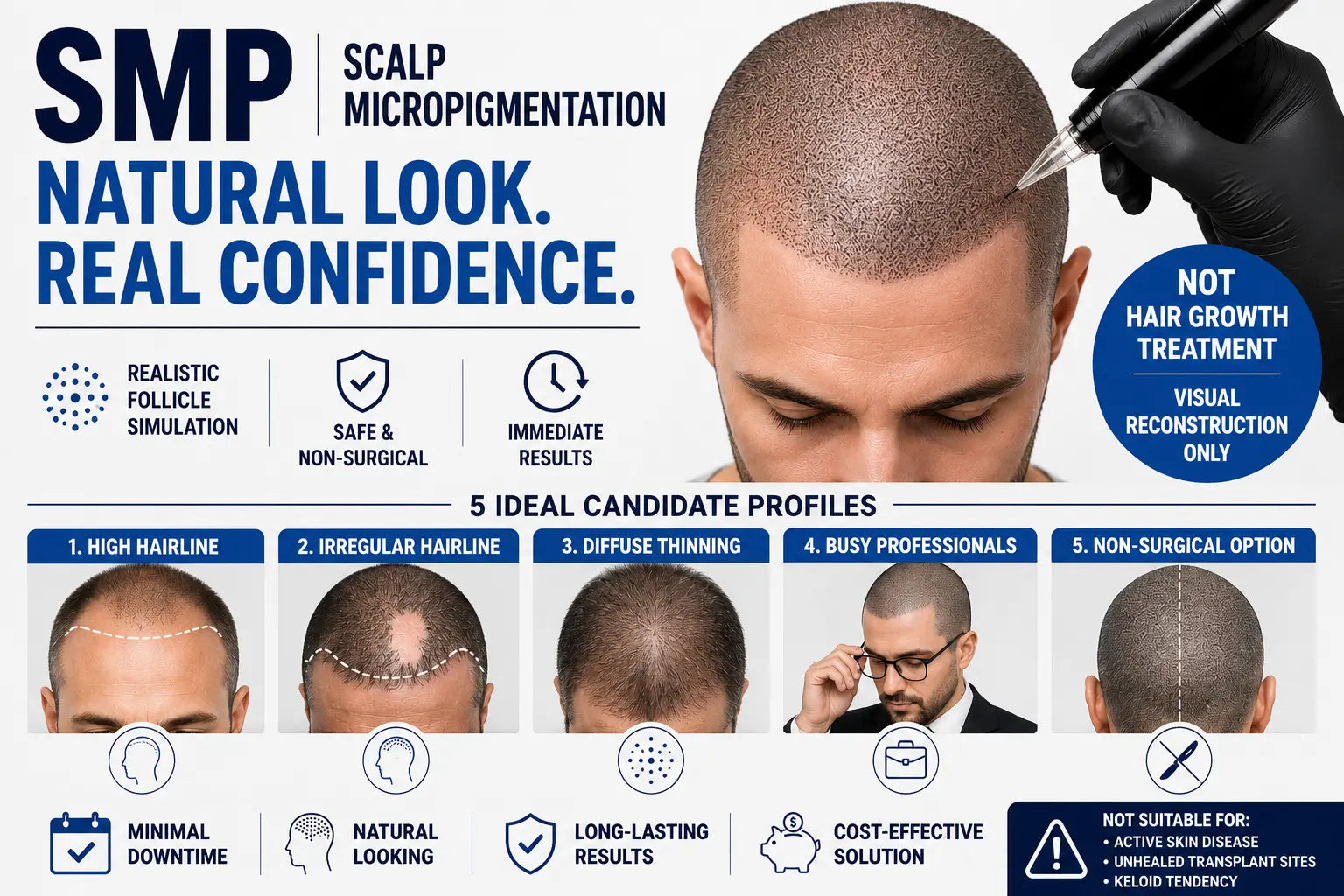
- SMP is a visual reconstruction technique, not a hair growth treatment — it simulates the appearance of dense hair follicles through precisely placed pigment dots in the superficial dermal layer
- Ideal candidates fall into five profiles: high forehead correction, irregular hairline from trauma/alopecia, diffuse thinning, image-dependent professionals, and non-surgical hair transplant alternatives
- Low-frequency mode equipment and SMP-specific pigment formulations are functional requirements, not luxury features — using body art equipment or generic ink produces the blue-grey blotching that gives SMP its poor reputation
- Contraindications include active scalp skin disease, unhealed transplant sites, and keloid tendency — these must be assessed before any procedure
- Realistic expectations: 2–3 sessions, 4–6 week intervals, 3–5 year maintenance cycle, and a fully healed result that is visible only after the full session series
- For active androgenetic alopecia clients, SMP should be paired with medical hair loss management — SMP addresses current appearance, medical treatment addresses future progression
