




How to Prevent Cold Sore Outbreaks Before and After Lip Blush
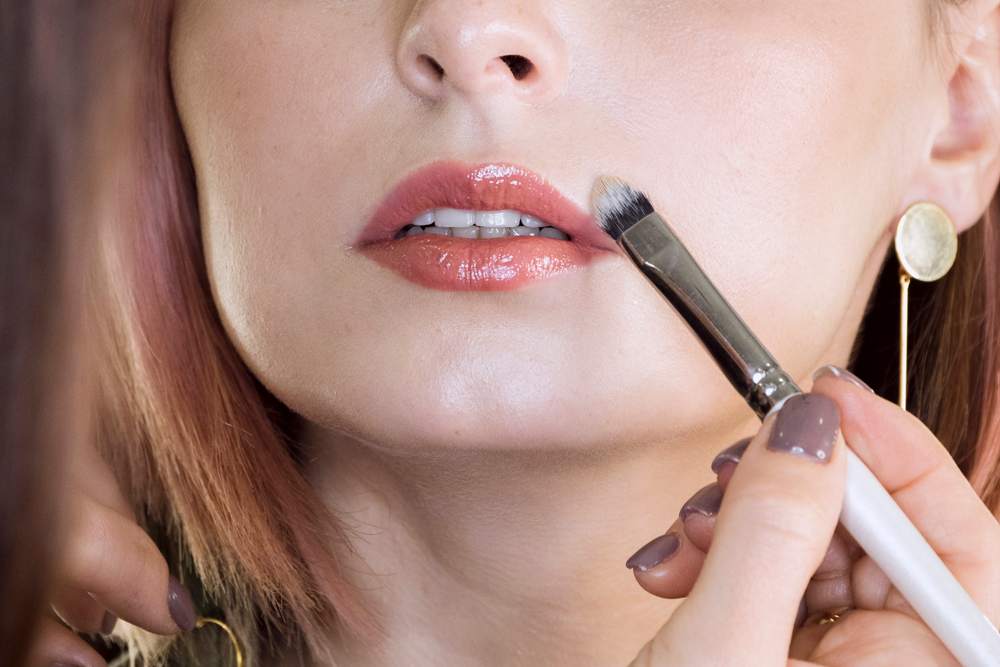
Cold sores can derail your lip blush results and turn healing into a stressful experience. The herpes simplex virus reactivates easily after lip trauma, but proper prevention protocols help you avoid outbreaks and achieve the beautiful, even color you're paying for.
What Are Cold Sores and How They Relate to Lip Blush
The herpes simplex virus type 1 (HSV-1) causes cold sores and stays in your body permanently after infection. The virus hides in nerve tissue until something triggers it, like stress, illness, sun exposure, hormonal changes, or tissue trauma.
Why Lip Blush Can Trigger Outbreaks
The procedure creates thousands of tiny wounds to deposit pigment into your skin. Your immune system treats this as an injury, which can wake up sleeping HSV-1 particles. Even if your last cold sore was years ago, the risk increases after lip tattooing.
Asymptomatic Carriers Face Risks Too
Some people carry HSV-1 but have never had visible cold sores. They can still experience their first outbreak after a lip procedure. This makes honest medical disclosure important, even if you've never seen a blister.
Knowing your cold sore history before booking helps you and your artist create a prevention plan. Proper preparation protects your results and prevents complications during healing.
Preparing Your Lips Before the Appointment
Prevention starts days before you sit in the artist's chair. Medical steps combined with smart lifestyle choices give you the best protection against outbreaks.
Disclose Your Cold Sore History
Tell both your artist and doctor about any cold sore history, even if you've never had visible symptoms. Share how often outbreaks happen, what triggers them, and how severe they get. This helps your healthcare provider pick the right antiviral dose and helps your artist adjust their technique. If you've never had cold sores but aren't sure about your HSV-1 status, consider getting tested. Many primary care doctors can order a simple blood test that shows whether you carry the virus.
Start Antiviral Medication Early
Most doctors prescribe Valacyclovir (Valtrex) or Acyclovir starting 2-3 days before your procedure. These medications stop the virus from multiplying, making it much harder for HSV-1 to activate during tattooing.
Your prescription typically continues for 5-7 days after your appointment, covering the highest-risk healing period. Patients with frequent outbreak histories may need longer courses, sometimes 10-14 days total. Take your medication exactly as prescribed. Missing doses or stopping early leaves gaps in protection right when you need it most.
Optimize Your Lip Condition
- Start using a simple, fragrance-free lip balm twice daily about two weeks before your appointment. Skip harsh scrubs or other lip treatments that could cause irritation.
- Apply SPF lip balm whenever you're outdoors in the weeks before your session. Sun exposure weakens immune response and triggers cold sores. Sunburned or chapped lips also don't accept pigment well.
- Cut back on alcohol and limit caffeine for 24-48 hours before your appointment. Both stress your system and can activate the virus.
- Get enough sleep and manage stress—your immune system works best when you're well-rested.
These steps create the foundation for successful pmu lips healing process and lower the chances your body reacts by triggering an outbreak.
Caring for Your Lips After the Procedure
The week following your lip blush carries the highest outbreak risk. Your immune system focuses energy on healing the treated tissue, which can give dormant HSV-1 a chance to reactivate. Careful aftercare protects both your health and your pmu lip pigment investment.
Keep Taking Your Antiviral Medication
Complete your entire prescription even if you feel fine. The medication works preventively, and stopping early could leave you vulnerable during critical healing days.
Watch for warning signs like tingling, burning, or unusual sensations around your lips. These symptoms often appear 12-24 hours before visible blisters. Call your doctor immediately if you notice anything abnormal. Early treatment can stop or minimize an outbreak before it fully develops.
Follow Gentle Healing Steps
- Clean your lips as directed using the gentle cleanser your artist provides. Apply healing ointment in thin layers 3-4 times daily for the first week. Too much product suffocates the skin; too little lets it dry out and crack.
- Sleep with your head slightly elevated on an extra pillow to reduce swelling. Avoid sweaty workouts, hot showers, swimming pools, and saunas for 7-10 days. Heat and excess moisture disrupt healing and can affect how pigment settles.
- Never pick at scabs or peeling skin. This pulls out pigment particles before they've settled in the skin, creating patchy spots that need correction later. Let everything flake off naturally.
Watch for Early Outbreak Warning Signs
Tingling, itching, or burning sensations signal an approaching cold sore. Contact your healthcare provider immediately at these first signs before blisters appear. Quick action gives you the best chance of preventing or reducing the outbreak.
Stay Away From Outbreak Triggers
- Stay out of direct sunlight completely during the first two weeks. UV exposure risks triggering cold sores and fades fresh pigment. Postpone beach trips and outdoor activities until you're fully healed.
- Skip spicy foods, acidic drinks, and very hot beverages that could irritate healing tissue. Choose lukewarm, bland foods for the first few days.
- Manage stress through gentle activities like walking or reading rather than intense exercise. Your body needs energy for healing, not for recovering from hard workouts.
Following these aftercare steps gives you strong protection, but what happens if a cold sore still develops? Will it affect your lip blush result? Keep reading on and find out!
How Cold Sores Affect Your Final Results
An outbreak doesn't automatically destroy your lip blush, but it definitely complicates healing in ways that can affect the final appearance.
- Timing determines impact. A cold sore during the first two weeks interrupts the natural healing cascade. The fluid-filled blisters and thick scabs can pull out freshly deposited pigment before it has time to settle into the dermal layer. This often creates lighter patches or uneven color distribution.
- Healing takes longer. You'll need to wait until the outbreak completely resolves before your artist can perform corrective work. That means your final results take extra weeks or months to achieve, and you'll manage the healing process longer than planned.
- Touch-ups may be necessary. Areas affected by cold sores often need additional pigment application during your scheduled follow-up appointment. Sometimes a second touch-up becomes necessary if the outbreak was severe.
A lot of people who have had HSV-1 still get great, even results through proper prevention. Following antiviral guidelines carefully and working with an experienced artist will help you succeed.
The Role of Equipment Quality in Reducing Trauma
The tools your artist uses directly affect how much damage your lip tissue experiences during pigment application. This matters significantly for cold sore prevention.
Precision Matters
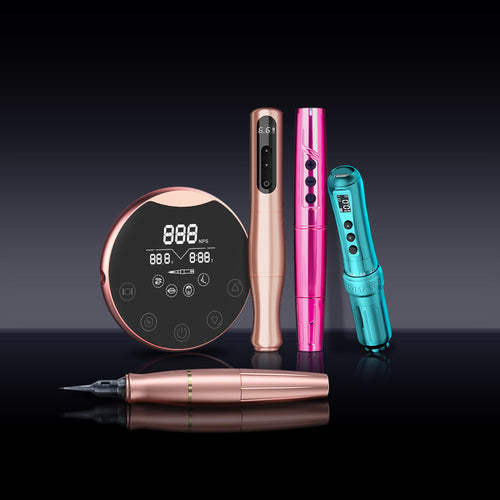
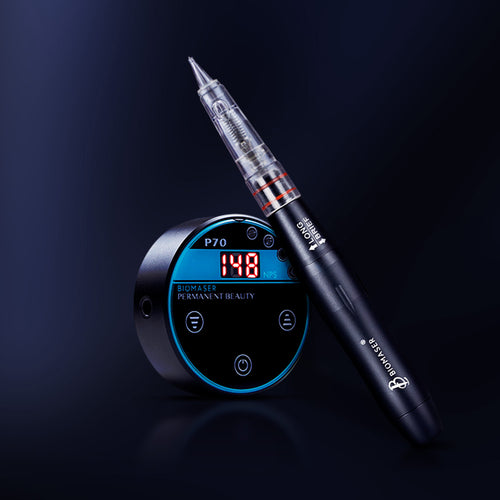
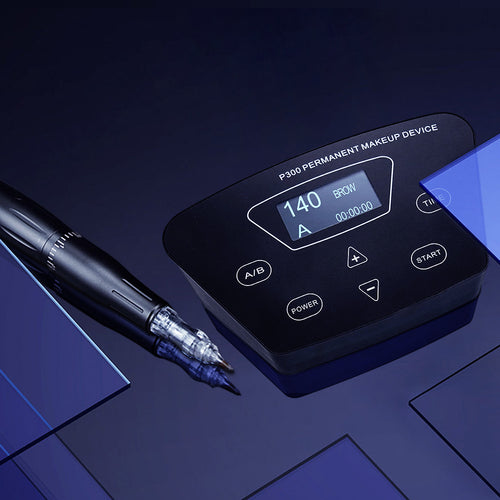
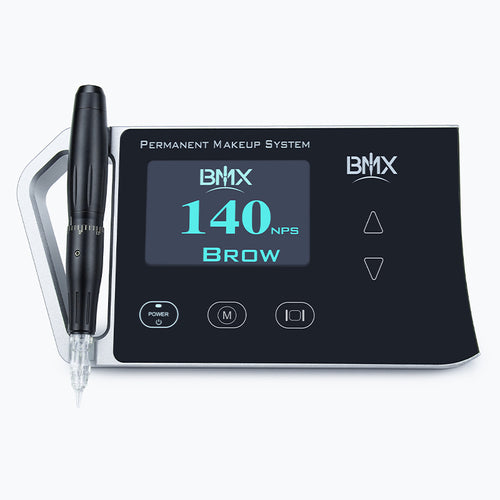
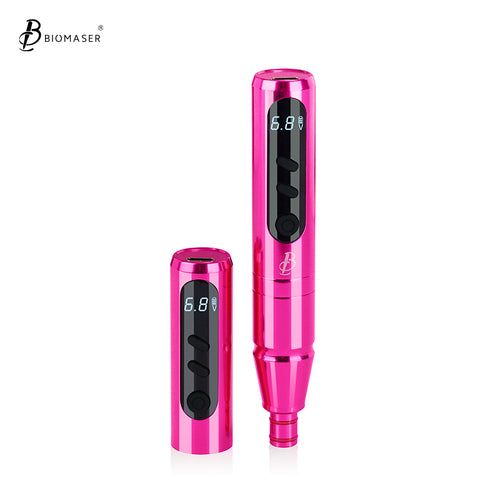
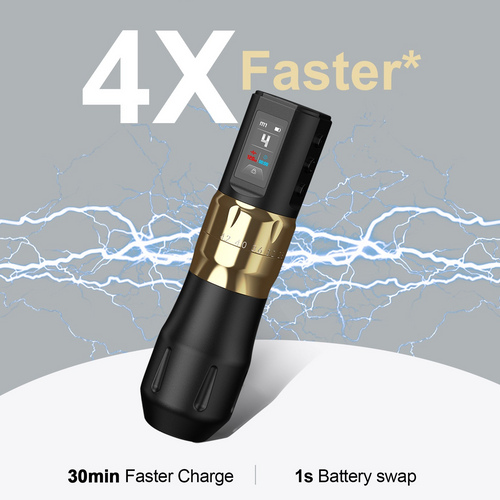
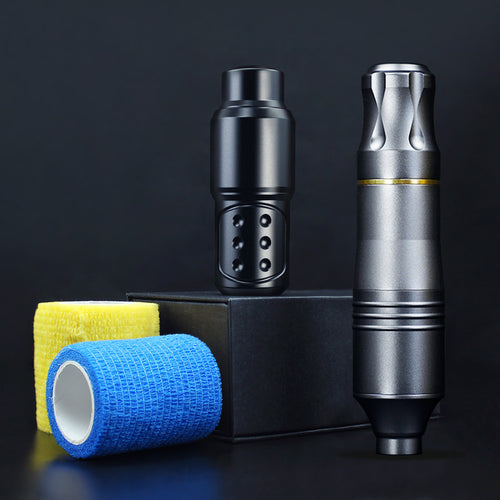
High-quality devices provide consistent needle penetration depth and smooth, controlled movement. This creates clean micro-channels with minimal tearing. Older or poorly maintained machines can be rough and jerky, causing extra inflammation that stresses your immune system.
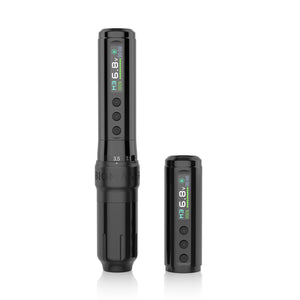
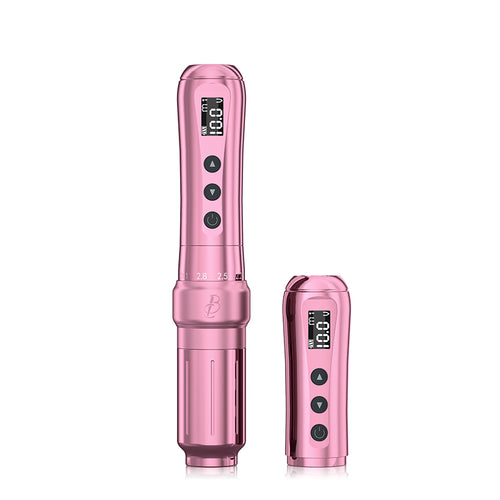
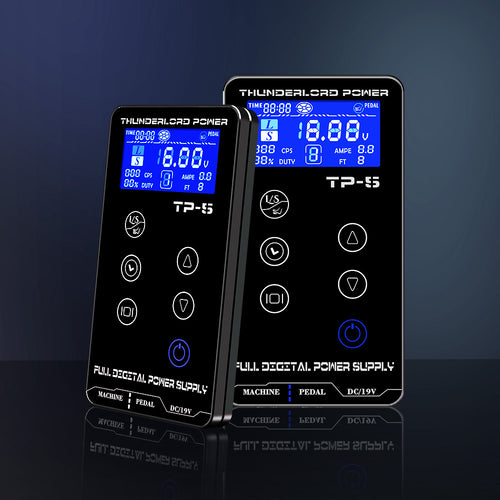
Biomaser Plenilune U1 Pro Wireless Tattoo & PMU Machine With Adjustable Stroke
Modern Cartridges Protect Tissue
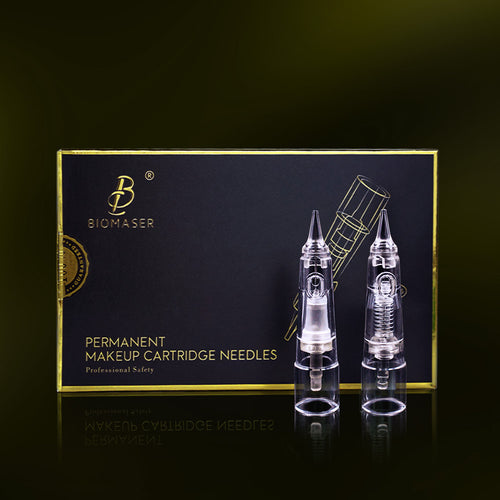
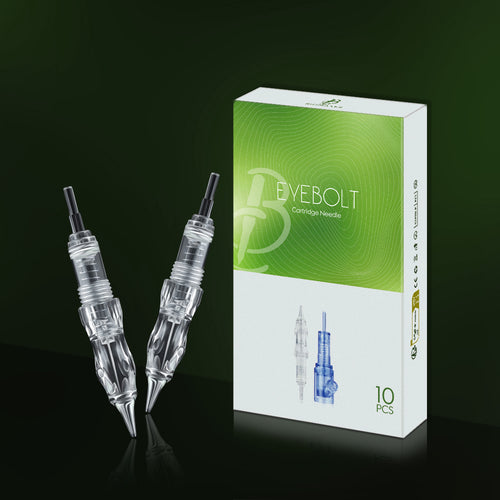
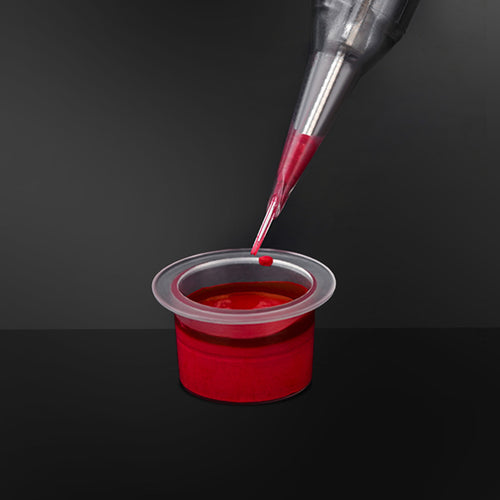
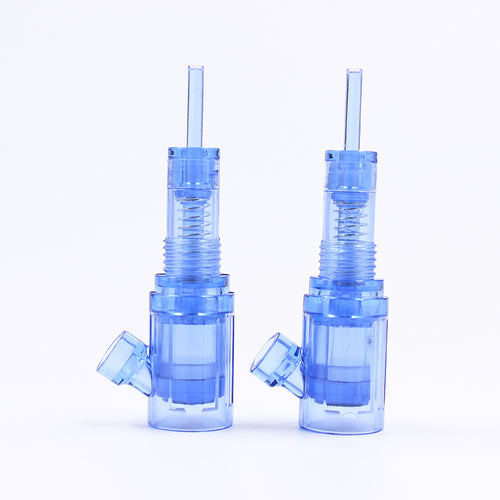
Professional pmu needle cartridges with membrane safety systems maintain steady pressure throughout the procedure. The membrane prevents pigment backflow and contamination while allowing your artist to work efficiently with fewer passes over the skin.


Less Trauma Means Lower Outbreak Risk
Think of the difference between a sharp knife and a dull one. Sharp tools cut cleanly; dull tools tear and damage surrounding tissue. For lip tattooing, cleaner wounds translate to less inflammation and a lower chance of triggering HSV-1 reactivation.
Before booking, ask artists about their tools. People who buy high-quality tools and maintain them usually get better results with less trouble. This is especially important if you have sensitive skin or a history of frequent cold sores.
What to Do If a Cold Sore Develops
Sometimes outbreaks happen despite careful prevention. Quick action minimizes damage to both your health and your results.
- Call your doctor immediately. Reach out at the first tingling sensation, not after blisters appear. Your provider may increase your antiviral dosage or add topical medications to speed healing. Follow their treatment plan precisely.
- Inform your artist. Send photos so they can assess how the outbreak affects your healing pigment. Don't apply makeup or extra products to the area without professional guidance. Some substances interfere with antiviral treatment or pigment settling.
- Expect appointment changes. Most artists require complete healing before performing corrective work, typically 3-4 weeks after the outbreak clears. This waiting period ensures your immune system has fully recovered and your tissue can accept additional pigment properly.
Do not touch the cold sore or the tattooed skin area surrounding it. Keeping your hands away from your face will ensure that the virus is not spread or an infection is introduced to healing tissue.
Get Beautiful Lips With Smart Prevention
A cold sore history doesn't have to stop you from getting lip blush. Start your antiviral medication on time, choose an experienced artist with quality equipment, and follow aftercare instructions carefully. These three steps work together to protect your investment and help you achieve the even, lasting color you want.
FAQs
Q1: Can I get lip blush if I've had cold sores in the past?
Yes, lip blush tattooing is possible even if you have a history of cold sores. Caution is advised, however, and it is recommended that you take antiviral medication a few days before and after the process through initial healing. This significantly reduces outbreak risk. Be honest with your artist about your history so they can adjust their technique and schedule appropriate follow-up appointments.
Q2: Should I reschedule if I feel a cold sore coming?
Yes. Before your appointment if you experience tingling, burning, or unusual sensations around your lips, reschedule your appointment. Lip blush during an outbreak or prodromal phase can spread the virus, making it worse and affecting pigment outcomes. Most artists prefer that you be free of any outbreak for at least two weeks before proceeding with the service.
Q3: Does the type of equipment artists use really affect cold sore risk?
Good PMU equipment makes a measurable difference in tissue trauma levels during procedures. Modern machines with precise needle control and professional cartridge systems create cleaner micro-channels with less tearing and inflammation compared to older devices. This will mean less stress on your immune system, and a lower chances of triggering viral reactivation.
