





Finding a Mentor When You Live Outside a Major PMU Hub


Limited local options do not mean you have to choose the first PMU educator you find online. Start by confirming what your state, county, city, and facility regulator will accept. Then look for a mentor who teaches the specific service and skill you need---not simply someone with a large following or a general "PMU mentor" label.
Remote mentorship can be useful for portfolio review, design critique, case discussion, consultation workflow, and business questions. Travel or a hybrid arrangement is the stronger fit when you need hands-on technique correction, live-model practice, or supervision that local rules require.
Separate Training, Supervision, and Mentorship
These terms are often used interchangeably in marketing, but they solve different problems.
- Foundational PMU course: Introduces a service, such as brows or lips, along with theory and practice exercises. A course certificate is not automatically legal permission to perform PMU.
- Apprenticeship or required supervised pathway: A legally defined process in some jurisdictions. Its requirements, acceptable supervisors, hours, and facility conditions may differ by location.
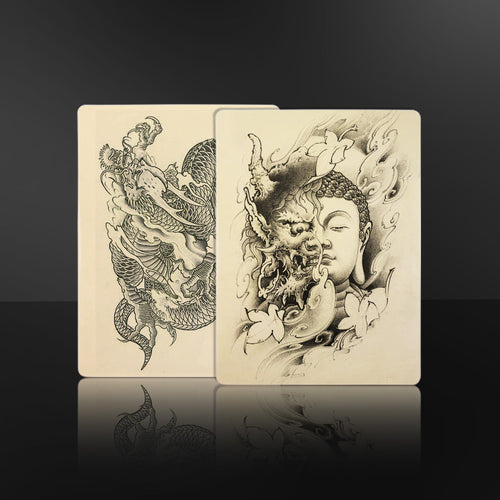
- Hands-on advanced training: Focuses on a particular technique or service gap, often with in-person correction, practice-skin work, or model-based learning.
- Ongoing mentorship: Continued access to feedback on cases, portfolio development, client communication, pricing, workflows, or business decisions.
Before comparing programs, identify which of these you actually need. An artist who has completed foundational training but struggles with healed brow outcomes needs a different kind of help than someone who is pre-training and still determining local eligibility.
Confirm Local Acceptance Before You Pay
Ask the applicable regulator what is required before you practice, advertise services, work on models, or set up a PMU workspace. Depending on where you live, the right contact may be a state licensing board, health department, county office, municipality, or facility regulator.
Use direct questions:
- Is PMU regulated as tattooing, cosmetology, body art, or another category?
- Is a specific license, registration, bloodborne-pathogen training, permit, or facility approval required?
- Are supervised hours or an apprenticeship required?
- Will training completed in another city or state be accepted?
- Must live-model work occur in a particular type of facility or under a particular supervisor?
- Are there insurance conditions that affect training or early practice?
Get the answer before placing a nonrefundable deposit. A private academy's certificate, membership, or mentor designation does not by itself establish local authorization to work.
Build a Small Shortlist Beyond Your Region
Start with professional resources that can help you find names outside your immediate area. The Society of Permanent Cosmetic Professionals offers a Find a Technician or Trainer resource, and the American Academy of Micropigmentation includes trainer verification among its professional resources.
Treat these as starting points, not endorsements. A listing can help you locate educators; it does not eliminate the need to evaluate whether the person teaches your intended service, works within an appropriate facility, and offers the level of support you need.
Other useful lead sources include:
- Referrals from compliant PMU studios in nearby cities
- Local health-authority or facility-regulation guidance
- Professional associations and regional industry events
- Artists whose healed work aligns with the results you want to learn
- Peer communities that can identify educators with relevant student support
Keep the first list short---perhaps three to five candidates. A smaller shortlist makes it easier to compare curriculum, terms, travel demands, and evidence.
Vet the Work, Not the Online Image
A polished before-and-after portfolio can be useful, but it is not enough. Ask each prospective mentor for evidence connected to the exact service you want to learn.
Request Service-Specific Evidence
Ask to see:
- Healed results for the service being taught
- Work across more than one skin type or case type, where relevant to the service
- Correction or problem-solving work, if the mentor teaches corrections
- Student work and an explanation of what support students received
- A written curriculum showing what is taught remotely, in person, and on models
- Model policies, including who provides models and what happens if a model cancels
- Sanitation, workspace, and practice procedures
- Current licensing, registration, or facility information where those records apply
- Written details on feedback access after the training
Healed work deserves special attention. Immediate brow photographs can show design and styling, but healed images give a more useful view of the results a client will live with. Ask for healed examples that match the technique you are considering rather than relying only on fresh transformations.
Ask Questions That Expose Fit
A good inquiry is specific:
"I am trained in machine brows but need help improving healed retention and symmetry. What feedback would I receive on my existing portfolio, and which parts of the training are hands-on?"
The answer should clarify the mentor's teaching scope, the format of feedback, and whether the program matches your current stage. Vague promises of "lifetime support" or "all techniques included" are less useful than written details about access, review process, model expectations, and follow-up boundaries.
Choose the Format by the Skill Gap

PMU businesses market both online and on-site training, and some mentorship services offer early-career advice through messaging. That variety is useful only if the format matches what you need.
| Format | Best Fit | What to Confirm Before Booking |
|---|---|---|
| Remote mentorship | Portfolio review, case discussion, design feedback, consultation systems, client communication, and business coaching | Who provides feedback, how it is delivered, what materials you may submit, and whether the arrangement is appropriate for your licensing stage |
| Travel-based hands-on training | Technique correction, practice-skin coaching, live-model learning, and in-person observation | Whether local rules accept the training, the amount and type of supervised practice, model responsibilities, facility status, and total travel cost |
| Hybrid mentorship | Artists who need continuing remote feedback plus planned in-person instruction | Which skills are covered in each portion, what is assessed in person, and whether the in-person portion meets any applicable local supervision requirements |
Remote support is most valuable when you already have work to review or a clearly defined non-hands-on gap. It may help you discuss a difficult consultation, compare portfolio images, or refine client-facing systems such as how an artist communicates with customers.
It should not be treated as a substitute for in-person supervision when hands-on practice or model oversight is required.
Compare the Full Cost, Not Just Tuition
Travel-based training can be worthwhile when it provides the hands-on support you need, but compare the complete commitment. Write down:
| Cost Area | Questions to Include |
|---|---|
| Tuition | What is included, and what requires an additional payment? |
| Travel | Transportation, baggage, local transportation, and parking |
| Stay and meals | Lodging, meals, and days needed before or after class |
| Models | Whether you must bring a model, compensate one, or pay model-related fees |
| Supplies | Required machines, cartridges, pigments, practice materials, and disposables |
| Time away | Missed client income, work shifts, childcare, or other obligations |
| Follow-up | Extra coaching, retakes, advanced modules, or future travel |
| Local readiness | Permits, facility requirements, insurance, and any costs needed before practice |
Do not assume that an advertised travel credit, bundled kit, or "included support" makes one program less expensive overall. Compare written, itemized terms.
Get the Agreement in Writing
Before paying, request terms that cover:
- Total price and payment schedule
- Deposit, cancellation, transfer, and refund policies
- Dates, location, and schedule
- Exact services or techniques included
- Whether practice-skin and live-model work are included
- Model sourcing and cancellation responsibilities
- Supplies included and supplies you must bring
- Instructor access during and after training
- Portfolio-review or case-review limits
- Requirements for prior training, licensing, or insurance
- Whether the provider makes any claim about local acceptance of the program
If a mentor cannot clearly explain the learning format, required preparation, or post-training access in writing, pause before booking.
Before You Book
- Verify local eligibility. Confirm what your regulator requires and whether outside training will be accepted.
- Shortlist by service and skill gap. Look for a mentor whose healed work and teaching match the PMU service you intend to perform.
- Request evidence and written terms. Review curriculum, healed work, student outcomes, model policies, facility status where applicable, and cancellation terms.
- Calculate travel versus hybrid costs. Include every expense and the value of the supervision you will actually receive.
- Book the right level of support. Choose remote feedback for suitable review and business needs; choose hands-on or hybrid instruction when your learning goal or local requirements call for in-person supervision.
Legal Risk Disclaimer
This article is provided for general informational purposes only and does not constitute legal, regulatory, tax, insurance, medical, or other professional advice. Requirements, rights, and obligations vary by jurisdiction and can change. Before acting on this information, confirm the rules that apply to your business with the relevant regulator and obtain advice from a qualified local professional.
