








12 Beginner PMU Artist Mistakes and How to Avoid Them

Key Takeaways
- Master the fundamentals: Prioritize thorough training, proper depth, and skin anatomy over fast results.
- Respect the skin: Avoid overworking tissues, strictly apply color theory, and never rush mapping.
- Prioritize client care: Clear consultations, precise aftercare, and proper hygiene prevent complications.
- Document and adapt: Track your pigments, settings, and healed outcomes to continuously refine your technique.
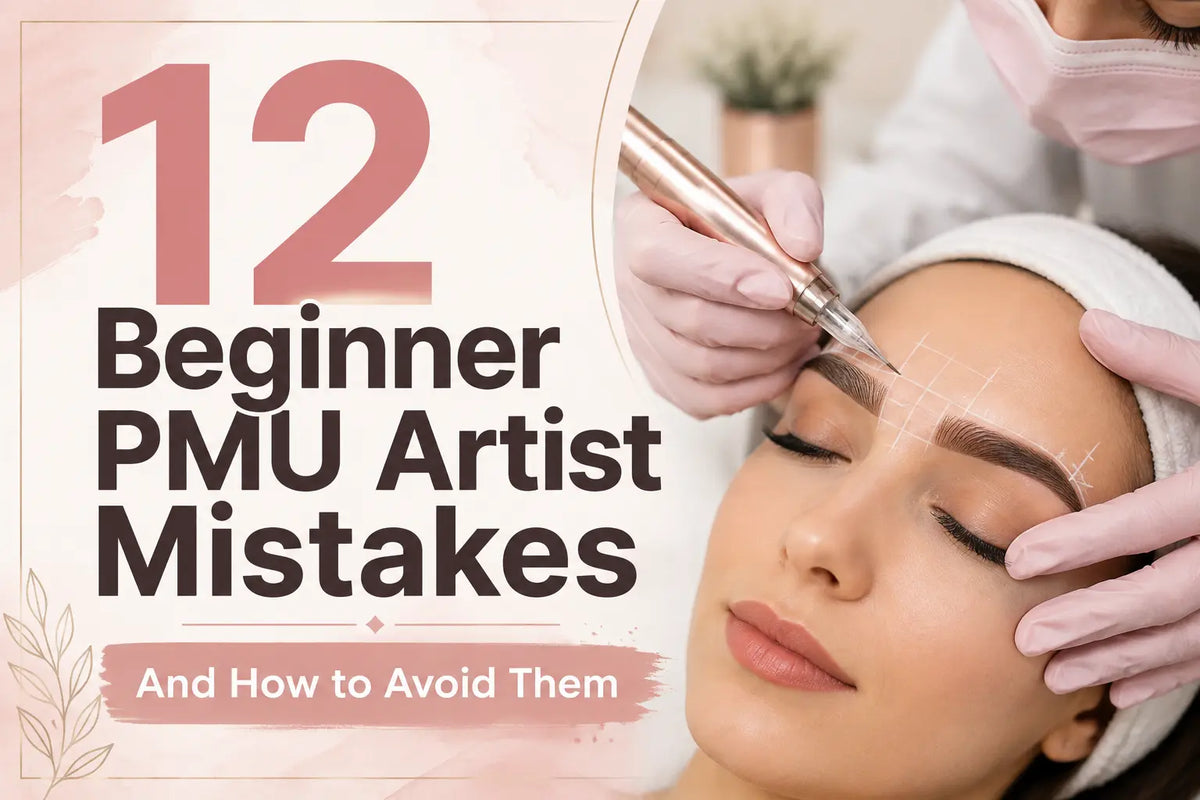
Starting out in permanent makeup is exciting, but the learning curve is real. Most beginner mistakes happen when artists rush into live work without fully understanding how different skin types react. Unlike regular makeup, cosmetic tattooing places pigment right into the skin, so mistakes do not simply wash off. Getting soft, beautiful results takes accurate pressure, steady hand speed, and solid technique. Catching these common slip-ups early protects your clients and helps you build a strong, lasting business.
12 Beginner PMU Artist Mistakes and How to Avoid Them
Learning cosmetic tattooing involves trial and error, but avoiding common pitfalls saves time, money, and client stress. Here is how to correct the most frequent technical and business mistakes new artists encounter.
1. Choosing PMU Training Based Only on Price
Budget training courses often skip crucial safety protocols, skin histology, and pigment chemistry. Short weekend seminars rarely offer enough hands-on practice to build real confidence. Look for comprehensive programs that feature live model supervision, extensive health standards, and ongoing mentorship after graduation.
2. Working on Clients Before Mastering the Basics
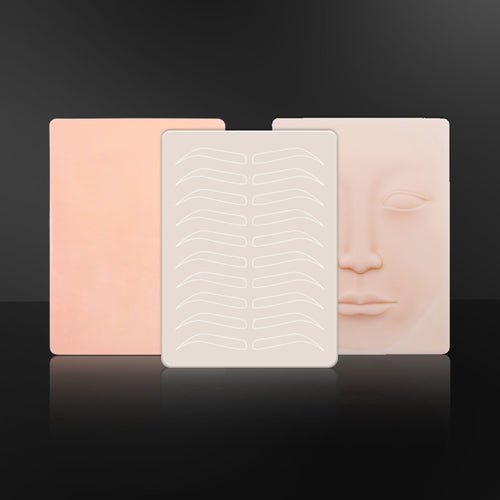
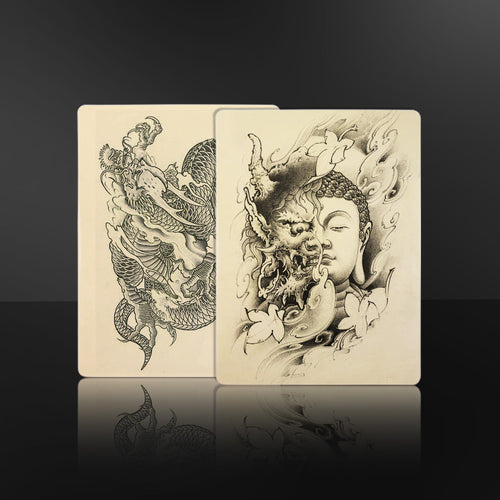
Stepping up to live clients too soon causes unnecessary anxiety and poor results. Spend weeks perfecting your muscle memory on latex synthetic skins first. Once your lines are clean and your depth is consistent, transition to supervised live models before taking independent appointments.
3. Using Incorrect PMU Needle Depth
Inserting needles too deep leads to bluish pigment turns, scarring, and pigment migration. Working too shallow causes the color to lift entirely during the healing phase. Focus on feeling the subtle vibration of the upper dermis and listen for a steady, consistent hum from your device.
| Needle Depth | Immediate Visual Sign | Long-Term Healed Result |
|---|---|---|
| Too shallow | Pigment pools on skin surface | Color washes out completely |
| Correct dermis | Light pinpoint bleeding, matte | Soft, crisp, true-to-tone color |
| Too deep | Heavy bleeding, dark fluid | Ashy, bluish gray, scarring |
4. Ignoring Color Theory and Skin Undertones
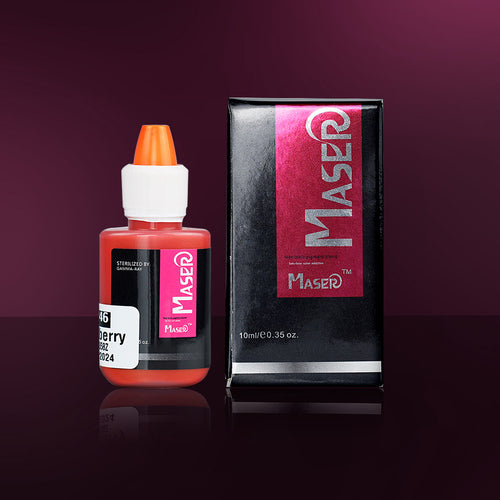
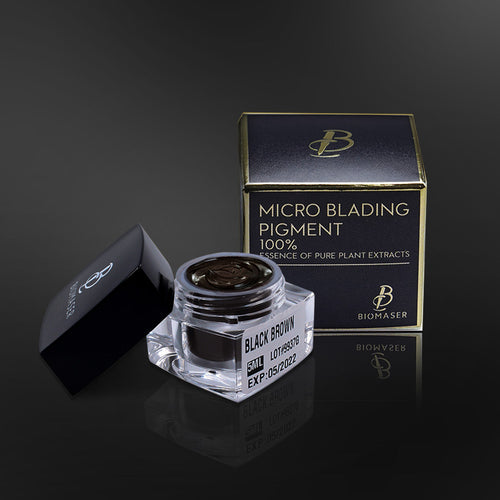
Pigments look different inside the skin than inside the bottle. Warm pigments turn cool on cool undertones, while cool pigments look dark or gray on neutral skin tones. Always evaluate your client’s undertones under neutral lighting to select pigments that match their target healed shade.
5. Rushing the Brow Mapping Process
Facial asymmetry is natural, but uneven design ruins an otherwise flawless procedure. Use reliable mapping string, calipers, and a soft cosmetic pencil to balance features based on bone structure. Never start tattooing until your client approves the shape in a standing position.
6. Overworking the Skin During Procedures
Making too many passes over the same area shreds delicate skin tissue. This trauma triggers heavy scab formation, which pulls the color out as it heals. Work with steady, slow movements and limit your work to three precise passes per area.
7. Neglecting Standard Hygiene and Infection Control
Cross-contamination exposes clients to serious health risks and puts your license in jeopardy. Always use medical-grade barrier films, disposable single-use needles, and approved disinfectants. Keep your workstation clean, organized, and free of non-sterilized items.
8. Skipping the In-Depth Client Consultation
Failing to spot health conditions leads to poor healing or medical complications. Screen every client for contraindications like autoimmune disorders, diabetes, or active skin conditions. Ask open questions to align your goals with their personal beauty standards.
Consultation Checklist:
- Medical history and current medications, such as blood thinners or Accutane
- Previous permanent cosmetics or cosmetic procedures
- Skin type assessment, including Fitzpatrick scale and oiliness level
- Visual shape and color approval with client sign-off
9. Failing to Manage Client Expectations
Clients often expect perfect results right after their initial appointment. Explain that healed pigment appears lighter and softer than fresh work. Emphasize that permanent makeup involves a two-step process requiring a touch-up session to finalize the look.
10. Providing Inadequate Aftercare Instructions
Even flawless application yields bad results if aftercare is ignored. Provide clear, written aftercare sheets along with gentle cleansers and protective ointments. Remind clients to avoid heavy sweating, sun exposure, and picking at light scabs during healing.
11. Forgetting to Document Every PMU Session
Skipping client records makes analyzing healed results difficult. Take clear before-and-after photos in consistent lighting to track your work. Keep detailed notes on needle configurations, pigment mixes, pass counts, and machine settings for every client.
Client Record Sheet Example:
Client Name: Jane Doe
Date: 10/12/2026
Skin Type: Combination (Fitz III)
Needle: 3RL 0.25 mm
Device Setting: 6.5 V
Pigment Formula: 3 drops Dark Brown + 1 drop Warm Neutral
Notes: Light pressure, 3 passes total. Client prefers soft arches.
12. Stopping Professional Learning After Certification
Cosmetic tattooing evolves constantly with better tools, refined techniques, and updated safety protocols. Attending advanced masterclasses keeps your skills current. Staying curious helps you refine your style, increase client trust, and grow your revenue.

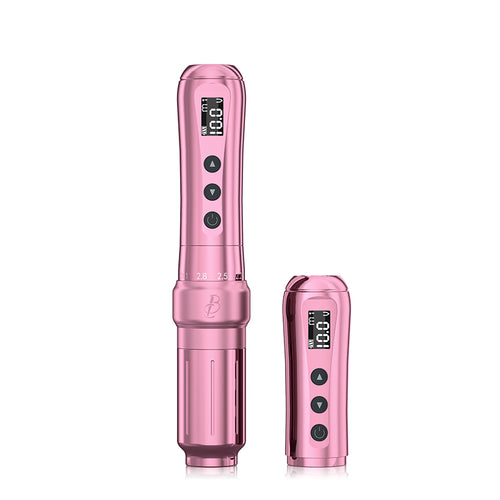
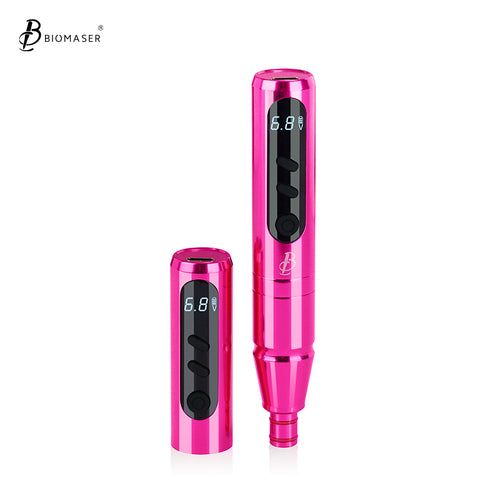
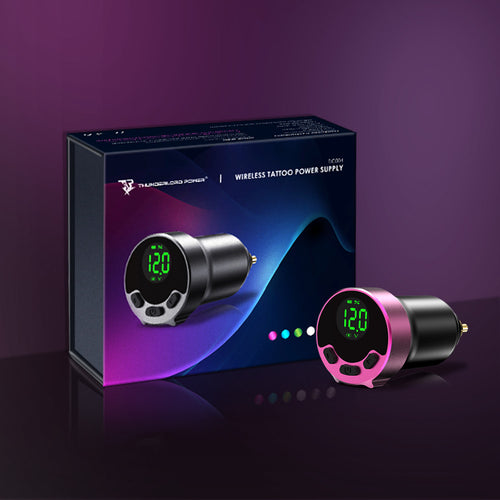
Biomaser Claro Wireless Tattoo & PMU Machine with RCA
Best Practices Every Beginner PMU Artist Should Follow
Building a successful business requires strong habits, steady patience, and strict professional standards. Focus on foundational skills to build a solid base for your career.
Focus on Consistent Practice Instead of Speed
Fast work comes naturally as your hands memorize correct movements. Early on, focus entirely on clean strokes, steady needle depth, and precise mapping. Prioritize quality results over finishing appointments quickly.
Invest in Quality Equipment and Professional Supplies
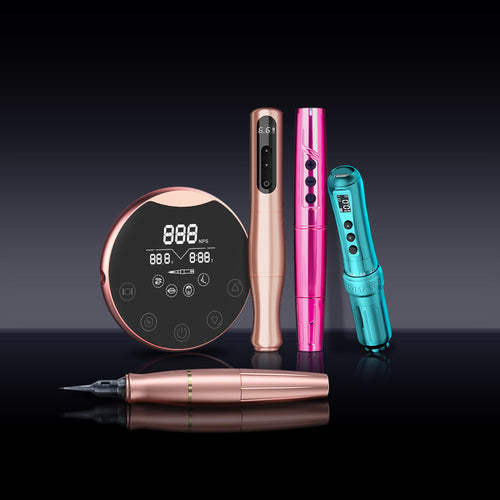
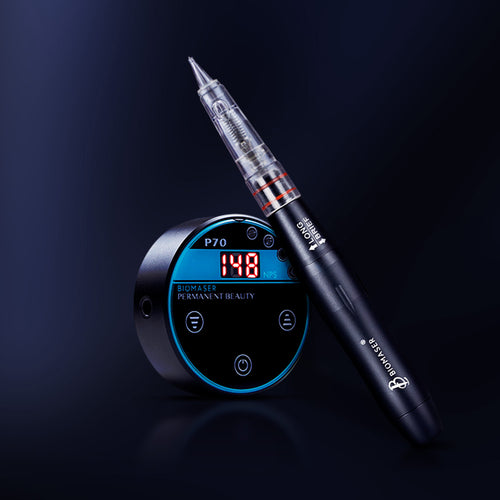
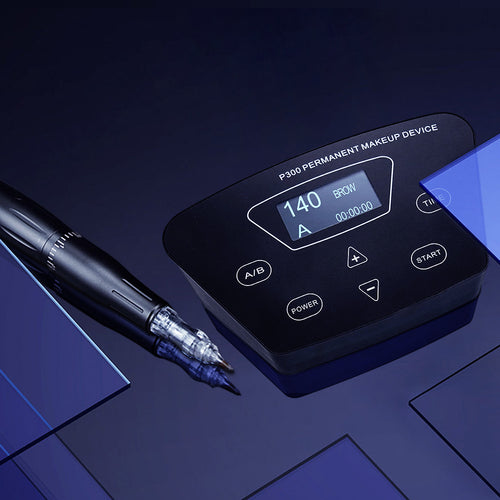
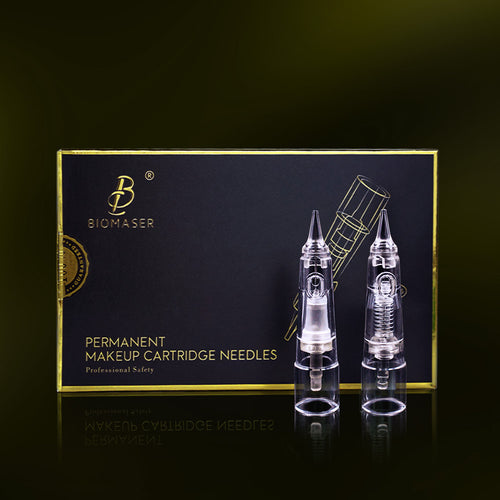
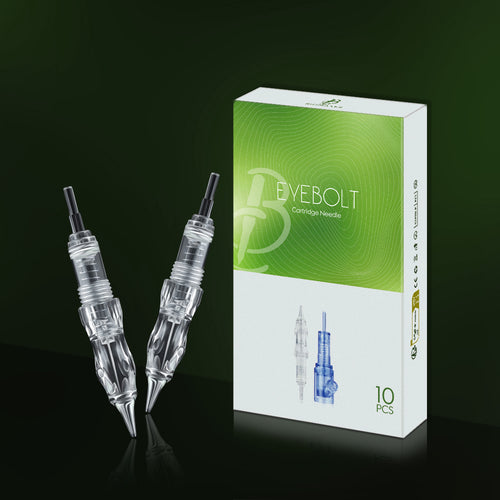
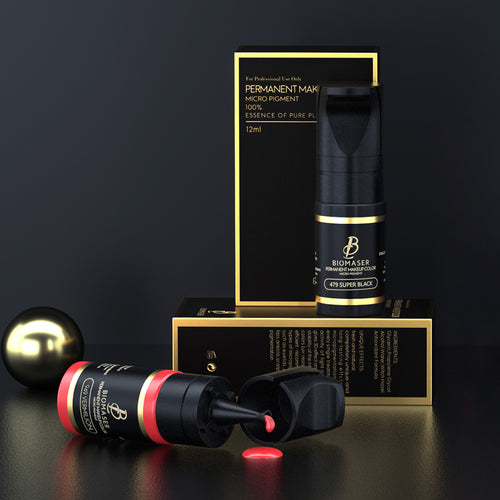
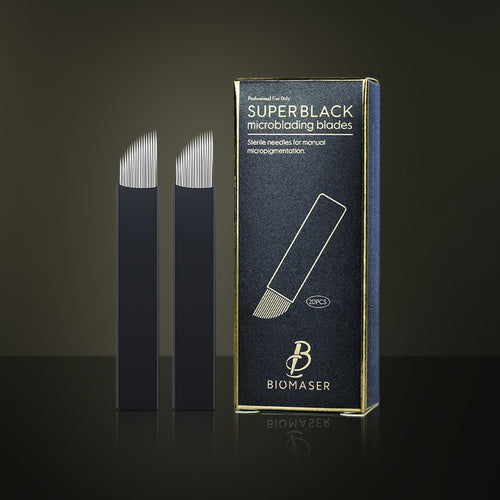
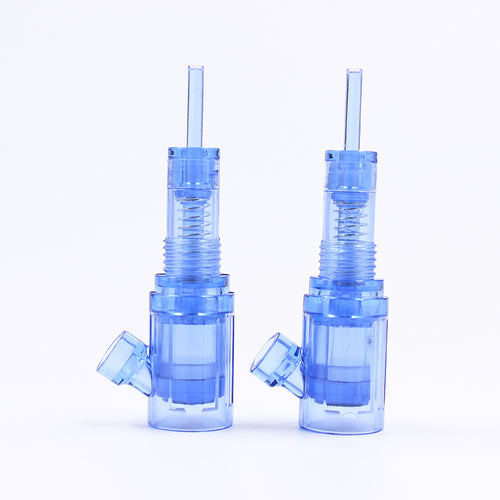
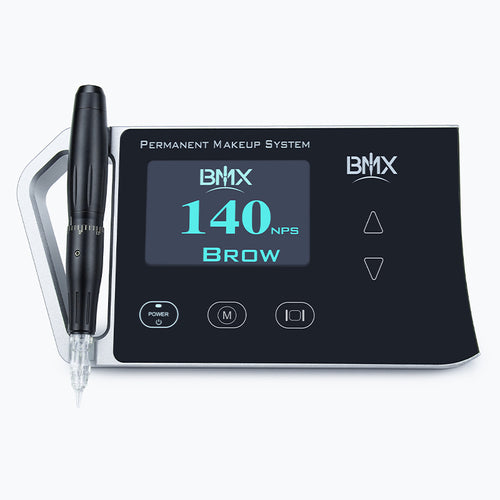
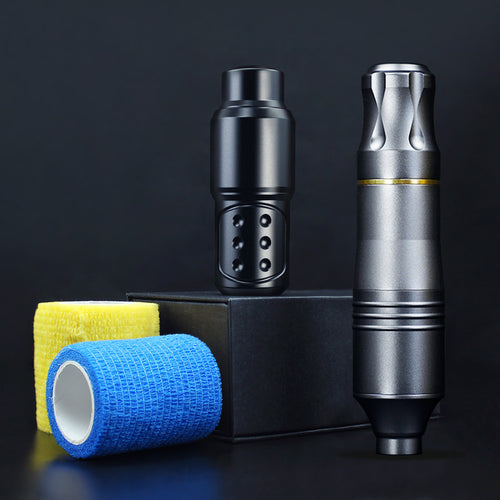
Low-grade tools cause uneven pigment delivery and unnecessary skin trauma. Investing in a reliable permanent makeup machine ensures smooth operation and stable needle stroke lengths. Pair your device with high-grade permanent makeup supplies and safety-tested cartridges to maintain consistent results across every service.
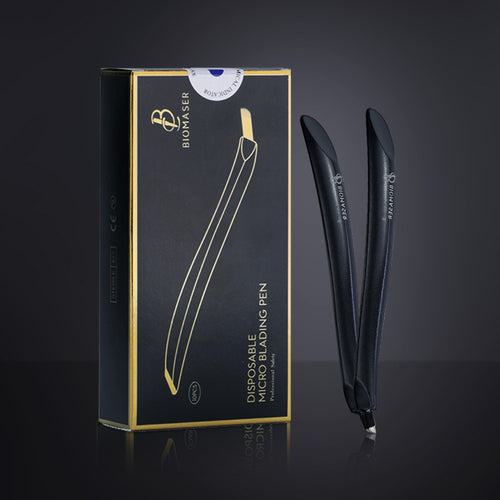
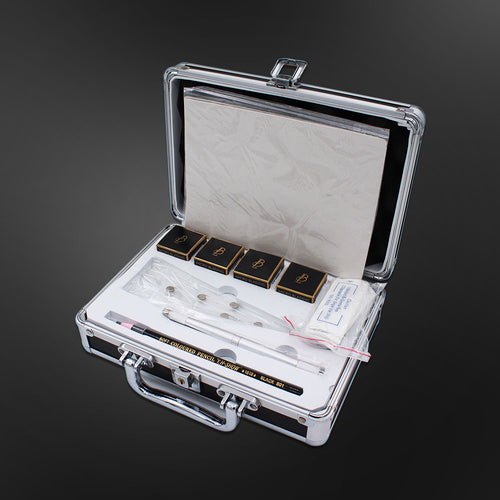
When searching for the best PMU machine for beginners, select a lightweight PMU pen with minimal vibration. A complete PMU machine kit offers compatible power supplies and cords, helping you maintain consistent hand pressure without equipment fatigue. Using a balanced permanent makeup pen or standard PMU machine allows you to focus purely on your hand angle and depth control.
Learn From Every Procedure and Healed Result
Invite clients back for touch-up sessions to inspect how your work healed. Study areas where pigment faded or shifted tone. Analyzing healed skin teaches you far more than initial application photos ever will.
Prioritize Client Safety Over Perfect Immediate Results
Freshly finished brows or lips might look dramatic, but heavy applications cause deep scarring and poor aging. Work conservatively during initial sessions. You can always add subtle depth or color intensity during the touch-up appointment.
Build Your Cosmetic Tattoo Skills With Confidence
Growth as a cosmetic artist takes patience, dedication, and active self-reflection. Focus on safety, refine your core techniques, and treat every client interaction as a learning opportunity. Over time, consistent effort transforms early challenges into technical mastery, leading to beautiful healed results and a thriving beauty business.
FAQs About Beginner PMU Artist Mistakes
Q1. What is the most common mistake beginner PMU artists make?
Working too deep into the skin is the most frequent error. This mistake causes pigment to turn cool gray or blue and leads to permanent skin scarring.
Q2. How much practice should a beginner PMU artist complete before working on clients?
Artists should log dozens of hours on synthetic latex skin until stroke lines, shading density, and depth control become second nature. Transition to supervised live models before taking paid clients.
Q3. Why is needle depth so important in permanent makeup?
Needle depth determines how pigment ages inside the skin. Placing color too high causes rapid fading, while going too deep causes color shifts, blurriness, and permanent tissue damage.
Q4. How can beginner PMU artists improve pigment retention and healed results?
Improve retention by keeping needle depth consistent, limiting passes to prevent skin trauma, matching pigments to skin undertones, and giving clients clear aftercare instructions.
