





Can You Get Permanent Makeup While Pregnant or Breastfeeding?

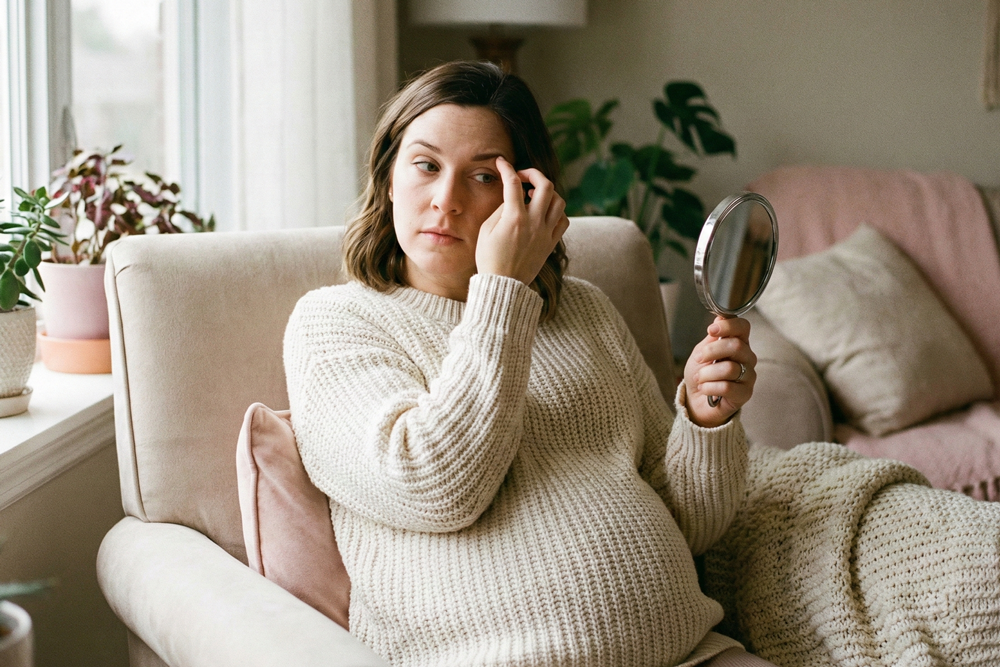
The short answer is no. The idea of waking up with perfect brows sounds amazing, but timing matters significantly for your safety and results, especially for pregnant women. Most professionals strongly advise against getting permanent makeup during pregnancy or while breastfeeding. This recommendation exists to protect both you and your baby from potential risks.
General Safety Considerations for Pregnancy and Breastfeeding
When thinking about semi permanent makeup during pregnancy or while breastfeeding, you should be aware that there is little research established regarding its safety during such situations. There are no well-controlled clinical studies demonstrating its safety during pregnancy or nursing, nor are any materials used in PMU specifically rated as safe for these populations.
Cosmetic providers and medical professionals take a cautious approach because any procedure that punctures the skin introduces potential infection risks. With pregnancy or nursing, immune system changes and additional transmission concerns heighten these risks.
Risks of Permanent Makeup During Pregnancy
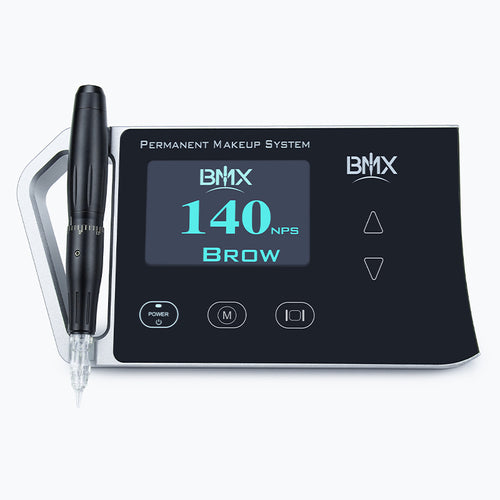
Applying permanent makeup involves tiny punctures to plant color in the skin. While professionals use sterile PMU supplies and follow hygiene protocols, the risks are still present, as your immune system works differently, your hormones fluctuate constantly, and your skin behaves unpredictably.
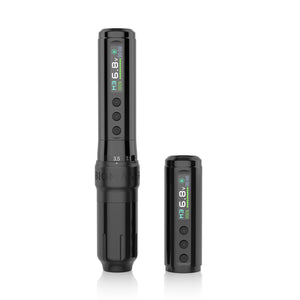
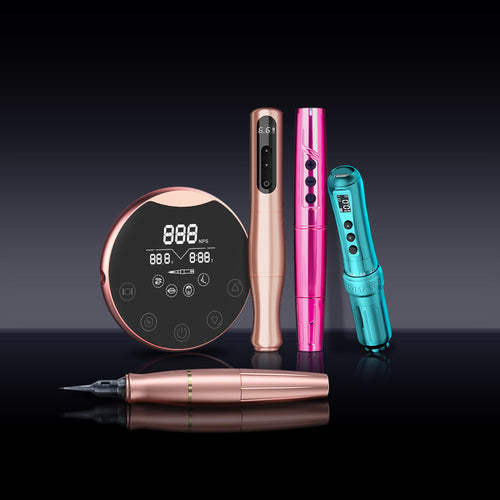
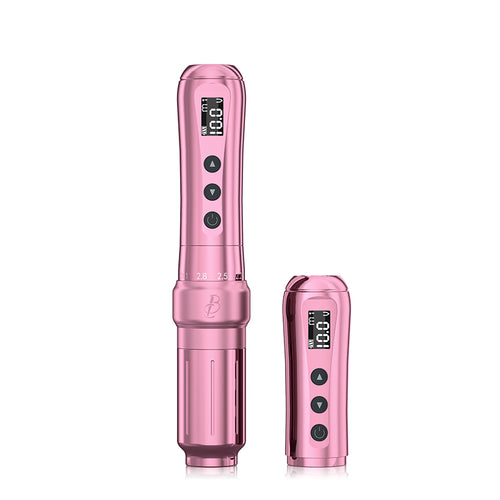
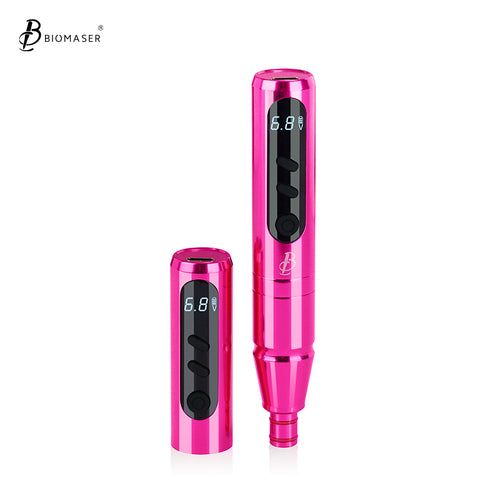
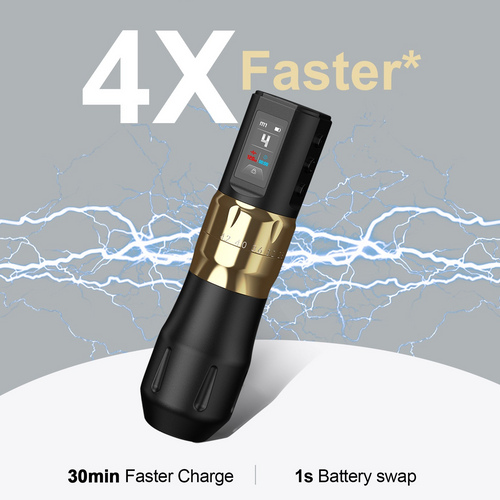
Biomaser Plenilune U1 Pro Wireless Tattoo & PMU Machine With Adjustable Stroke
Facing Infection Risks and Affected Healing
Any procedure that breaks your skin creates an opening for bacteria. Permanent makeup procedures use needles that puncture the skin thousands of times, creating many tiny wounds.
Your immune system during pregnancy shifts to prevent your body from rejecting the baby. This makes you more vulnerable to infections. An infection that might be minor normally could become more serious.
Treatment options also become limited. Many antibiotics aren't recommended for pregnant individuals. The permanent makeup anesthetic used during procedures adds another layer of concern, as topical numbing agents haven't been thoroughly tested for safety during pregnancy.
Hormonal Changes Can Ruin Your PMU Results
Pregnancy hormones change everything from your emotions to your skin texture. These shifts can dramatically affect how your skin accepts and retains pigment. Common problems include:
- Uneven fading across the treated area
- Unexpected color changes
- Poor pigment retention requiring extra touch-ups
- Increased skin sensitivity making the procedure more uncomfortable
Some people develop melasma or other pigmentation changes that interfere with how the permanent makeup pigments settle. You might end up with results that look completely different from what was expected.
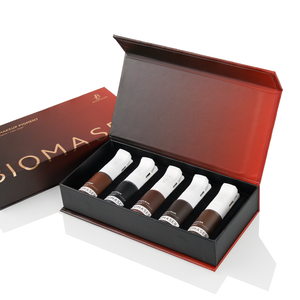
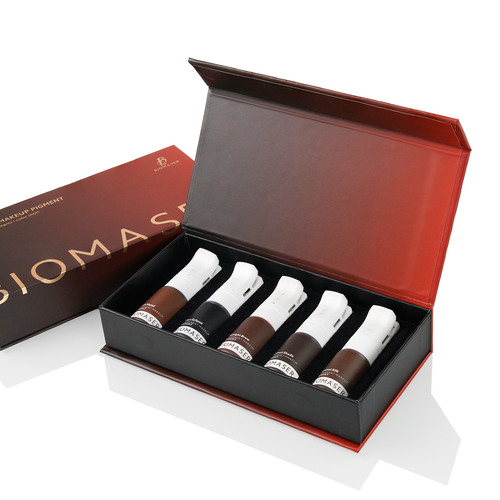
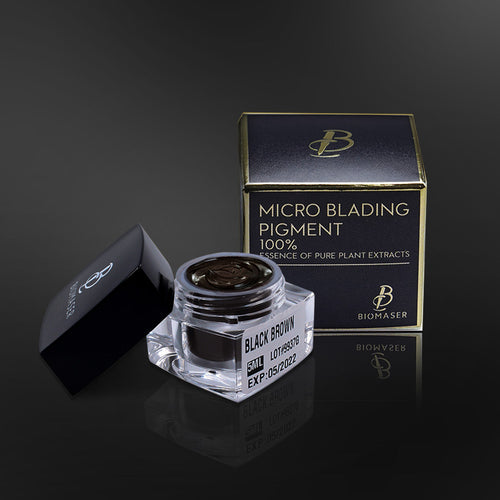
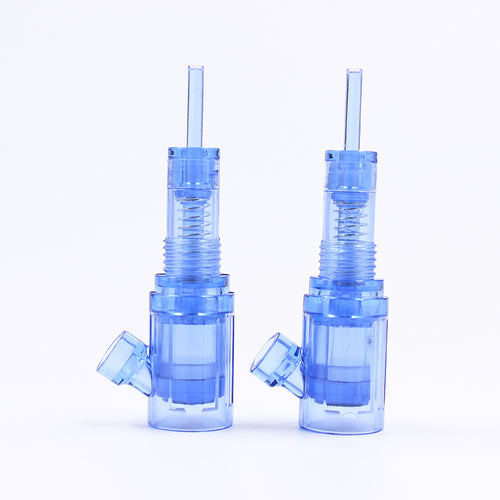
Biomaser Eyebrow & Eyeliner Pigment Collection
Unknown Pigment Effects on Pregnant Bodies
The ingredients in cosmetic tattooing pigments vary widely between manufacturers. Reputable studios use high-quality PMU pigments, but none have been specifically tested on pregnant individuals.
We simply don't know how these substances might interact with your changing body or potentially affect fetal development. Some pigments contain heavy metals or other compounds that raise theoretical concerns. Even though the amount is small, the lack of research means you're taking an unnecessary risk.
Risks of Permanent Makeup for Breastfeeding Mothers
You might think that after your baby is born, you're in the clear for cosmetic procedures. Many professionals still recommend waiting until you've finished breastfeeding. The same concerns that apply during pregnancy continue to matter for nursing mothers.
The Same Cautious Approach Applies
The research gap that exists for pregnancy also applies to nursing mothers. Most reputable studios list breastfeeding as a contraindication in their policies. They won't perform semi permanent makeup procedures on nursing clients, regardless of how much time has passed since delivery. Some artists might make exceptions with medical clearance, but this remains uncommon.
Infection Risks Don't Disappear After Birth
Your body needs energy to produce milk and care for a newborn. An infection from a cosmetic procedure could require medication that passes into breast milk.
Many antibiotics are considered safe during breastfeeding, but others aren't recommended or haven't been adequately studied. You're already dealing with sleep deprivation and new parent exhaustion. Adding a preventable health complication just doesn't make sense.
Can PMU Pigments Enter Breast Milk?
Could ink particles from permanent makeup end up in your breast milk? The likelihood seems low, but no research definitively answers this question.
Pigment particles are typically too large to pass into breast milk. But the various chemicals and metals in PMU supplies used during procedures might behave differently. Most artists prefer not to take chances with a nursing baby's health.
Alternatives to Permanent Makeup During This Time
You don't have to go without defined brows or pretty lips during pregnancy and breastfeeding. Several alternatives can give you a polished look without the risks.
- Temporary makeup products have improved dramatically. High-quality eyebrow pencils, pomades, and gels can create natural-looking definition that lasts all day. Lip stains and tints add color that feels almost permanent. These products let you experiment with different shapes and shades before committing to permanent makeup later.
- Eyebrow and lash tinting offers another option. While you should check with your provider about safety during pregnancy, many professionals consider these services lower risk since they don't break the skin. The results last several weeks and can reduce your daily makeup routine.
- Henna brow treatments stain the skin and hair for up to two weeks. This gives you a preview of how permanent brows might look on your face. You can test different shapes and fullness levels risk-free.
Waiting until after breastfeeding and your body has fully recovered will give more predictable results and reduce risk.
Make the Safe Choice for You and Your Baby
Getting permanent makeup while pregnant or breastfeeding is much more dangerous to you and the baby. Your body is doing something incredible—growing or nourishing a baby. Use temporary products to enhance your appearance and make you feel good about how you look without any risk. Your appearance will look better and last longer once you're done breastfeeding and your hormones have stabilized.
FAQs
Q1: If I didn't know I was pregnant during my appointment, should I be worried?
Try not to panic if you had permanent makeup done before discovering your pregnancy. The pigment stays in the upper skin layers and doesn't circulate through your bloodstream to reach the developing baby. Inform your doctor at your next prenatal visit so they can monitor for any signs of infection or complications. Most people who unknowingly get cosmetic tattooing during early pregnancy experience no problems, but medical awareness of the situation helps ensure appropriate care if issues arise.
Q2: Can I get a touch-up while breastfeeding if my initial procedure happened before pregnancy?
Most artists will still recommend postponing your touch-up appointment until after you've stopped nursing. Permanent makeup typically needs refreshing every 12-18 months, so delaying a few extra months won't dramatically affect your results. Your hormones during breastfeeding remain different from your normal baseline, which can still impact how pigment heals and retains. Waiting ensures better color retention and more predictable healing for your touch-up investment.
Q3: How long after stopping breastfeeding should I wait before scheduling permanent makeup?
Many professionals suggest waiting at least three to six months after you've completely stopped breastfeeding. This allows your hormones to return to normal levels and your body to fully recover from the demands of nursing. Your menstrual cycle returning to its regular pattern is a good indicator that your hormones have stabilized enough for optimal permanent makeup results.
