













Permanent Makeup Pigment Regulations in 2026: FDA MoCRA and EU REACH Compliance Guide

The year 2026 marks a major change for the beauty and tattoo industry. For years, oversight and documentation expectations varied widely. In 2026, regulatory and compliance expectations are clearly tightening for PMU pigments. Modernization of Cosmetics Regulation Act (MoCRA) requirements are being implemented and enforced through phased deadlines, and 2026 is a key compliance year for many businesses. At the same time, the European Union (EU) has updated its REACH rules with even tighter limits on chemicals.
These changes mean that every person involved, from the company making the ink to the artist applying it, has new legal duties. If you sell or use permanent makeup pigment, you should stay updated on these rules to reduce regulatory risk and avoid gaps that could complicate professional insurance claims. This guide will help you know what is required right now.
U.S. Federal Rules Under MoCRA
Knowing who is legally responsible for a product is the first step in following the new U.S. laws. These rules ensure that every bottle of ink has a clear owner to answer for it.
The Role of the Responsible Person
Under MoCRA, every product must have a "Responsible Person." This is usually the brand owner whose name is on the label. This person is legally tied to the safety of the PMU ink. They must ensure required FDA facility registration and cosmetic product listing submissions are completed via FDA's Cosmetics Direct system, and that ingredient information in the listing and labeling is accurate. They should also maintain safety substantiation records and keep product listing information up to date, including required updates.
FDA's "Cosmetics Direct" is the agency's electronic submissions portal used for cosmetic facility registration and product listing submissions (it is a submission tool, not a consumer-facing approval badge).
Reporting Serious Health Problems
One of the strictest parts of the new law is the 15-day reporting rule. If a client has a "serious adverse event" from pigments for permanent makeup, the Responsible Person must tell the FDA within 15 business days. A serious event includes things like a trip to the hospital, a permanent scar, a bad infection, or a long-lasting rash. You can no longer just give a refund and move on. You must have a system to track these complaints and report them quickly using FDA Form 3500A.
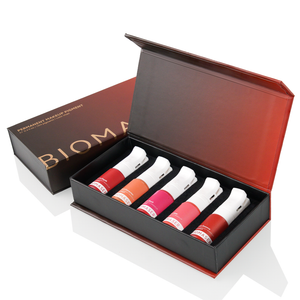
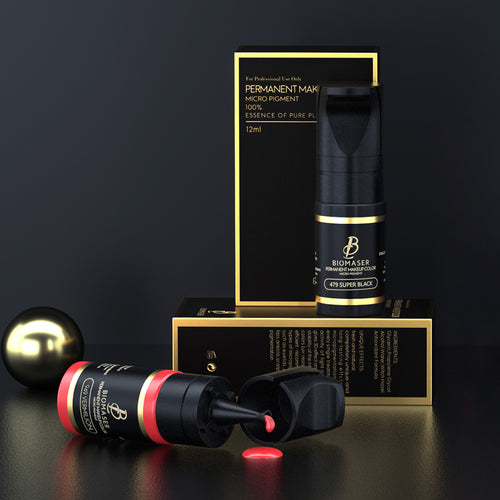
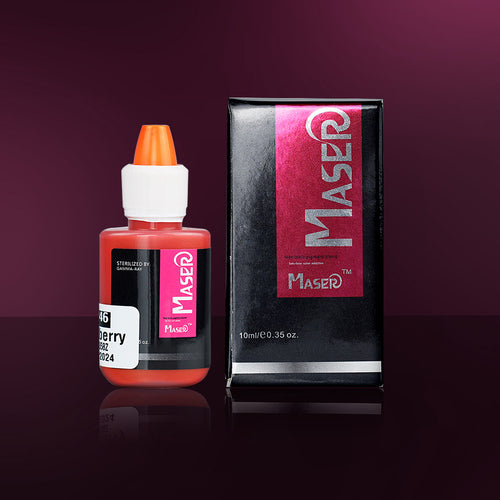
Biomaser Lips Pigment Collection
New Labels for Professionals
Labels are no longer just for branding. For professional-use PMU pigments, use clear ‘for professional use only' labeling and include a U.S. contact point (address, phone number, or website) so adverse events and complaints can be reported and handled efficiently.
European Union: REACH Annex XVII (Tattoo/PMU Mixtures) + PFHxA (PFAS) Restriction
In the EU, tattoo inks and permanent make-up pigments are primarily regulated under REACH, Annex XVII, Entry 75 (mixtures for use in tattoos or permanent make‑up), which sets substance restrictions and labeling requirements. Separate REACH restrictions also apply to specific PFAS sub-groups such as PFHxA and related substances.
Ingredient restrictions (EU)
In the EU, ingredient compliance should be evaluated against REACH Annex XVII Entry 75 (for tattoo/PMU mixtures) and, where relevant, EU Cosmetics Regulation annex updates (such as Omnibus VIII applying from 1 May 2026). If a supplier flags an ingredient as newly restricted, ask for the exact legal reference and keep supporting documentation (ingredient list, SDS, and batch-level CoA where applicable).
The Phase-Out of PFAS
PFAS are often called "forever chemicals" because they do not break down in the environment or the human body. Effective from October 10, 2026, EU REACH restricts PFHxA (perfluorohexanoic acid), its salts, and PFHxA‑related substances in cosmetics above very low concentration limits:≥25 ppb (sum of PFHxA and its salts) and ≥1000 ppb (sum of PFHxA‑related substances). Manufacturers should confirm whether their colorants, carriers, and packaging-related inputs can introduce PFHxA/PFHxA‑related substances, and back up compliance with targeted PFAS testing and supplier declarations. This may require reformulation or tighter raw‑material controls, especially for carrier liquids and additives.
Note (Cosmetics Regulation Updates): Some ingredient restrictions are updated via the EU Cosmetics Regulation annexes (e.g., Omnibus VIII, Commission Regulation (EU) 2026/78, applying from 1 May 2026). If your compliance program references cosmetic‑ingredient annexes, confirm how these updates interact with your REACH Entry 75 assessment.
Proving Product Safety with Data
Sellers must now show proof that their products won't harm customers. This means keeping deep records on everything from tiny metal traces to how the ink stays stable over many months.
The Safety Dossier
In the past, many brands just assumed their products were safe. Now, they must have a "Safety Dossier" on file. This is a collection of tests and studies that prove the product is safe for human skin. The "gold standard" for this is a Toxicological Risk Assessment (TRA). A scientist reviews the formula to make sure every ingredient is used at a safe level. This includes looking at the "Quantitative Formula," which shows the exact percentage of every single ingredient in the bottle.
Limits on Heavy Metals
Heavy metals like Lead (Pb), Arsenic (As), and Nickel (Ni) are often found as tiny impurities in the minerals used to make colors. 2026 compliance expectations require tight control of heavy‑metal impurities. Instead of quoting one universal ‘lead limit,' rely on batch testing and a lot‑traceable CoA to prove the ink meets the applicable requirements in your target market. If you can't obtain batch-level testing documentation (e.g., a CoA) for heavy metals and other impurities, you increase client risk and may also increase legal and insurance exposure if a claim arises.
Stability and Sterility
It is not enough for the ink to be safe when it is first made. It must stay safe. Stability testing proves that the ink won't break down into harmful chemicals over time. Manufacturers also must prove that their sterilization process works. Since needles put these colors deep into the skin, any bacteria in the bottle can cause a major infection.


Studio Safety and Your Professional License
Professional artists have a big role in keeping this industry safe. Following the right steps in your daily work protects your clients and keeps your business license and insurance in good standing.
Verifying Your Suppliers
Every artist needs to be a bit of a detective. Before you buy PMU supplies, verify (with documentation) that required FDA facility registration and product listing submissions have been made. Ask the supplier for written compliance documentation (registration/listing submission confirmations and safety/quality documents) rather than relying on a single identifier as proof. If a brand cannot give you a Safety Data Sheet (SDS) or proof that they have listed their products, do not use them. Using unregistered products can lead to your insurance company denying a claim if a client gets hurt.
Tracking Batch and Lot Numbers
In 2026, keeping good client files is a must. For every procedure, you should write down the batch or lot number of the ink you used. If a manufacturer issues a recall, you need to know exactly which clients were treated with that batch. This saves time and protects your reputation. Many artists now use digital systems to scan the QR codes on bottles, which links the specific batch data directly to the client's file.
Insurance and Compliance Clauses
Most professional liability insurance policies now have a "compliance clause." This means they will only pay for a lawyer or a settlement if you followed the law. If you use an ink that was banned by REACH or not listed with the FDA, your insurance might not cover you. Following the rules is the best way to protect your personal finances and your business.
Secure Your Success with Safe PMU Pigments
The industry now demands total openness. Manufacturers selling PMU supplies must test every batch and register their facility. Artists must choose pigments for permanent makeup that have full safety data. Using a non-compliant permanent makeup pigment or unlisted PMU ink puts your license and insurance at risk. Always check bottles for batch codes and professional-only labels. Following these rules keeps your business legal and your clients protected.
FAQs
1. Can I still use old pigment bottles I bought a few years ago?
In the U.S., instead of relying on a public search, ask the brand (the Responsible Person) for documentation showing required facility registration and product listing submissions have been made, and keep those records on file. In the EU, if a supplier indicates the product is impacted by Cosmetics Regulation annex updates (e.g., Omnibus VIII applying from 1 May 2026) or REACH Entry 75, treat the pigment as non‑compliant and stop using it until you receive written confirmation and supporting documentation.
2. What should I do if a client has a bad reaction to an ink?
First, ensure the client gets medical help. Then, check your records for the batch and lot number. If you are the brand owner (Responsible Person), you must report this to the FDA within 15 business days if it is a serious event like an infection or a permanent scar. If you are the artist, contact the supplier so they can fulfill their reporting duties.
3. Does "FDA-Registered" mean the pigment is "FDA-Approved"?
No. The FDA does not approve permanent makeup pigments before they are sold. "Registration" means the company and the product are on the FDA's list so they can be tracked and inspected. The responsibility for proving the product is safe stays with the company that sells it.
4. How can I tell if a bottle of ink is REACH-compliant in 2026?
In the EU, REACH Annex XVII Entry 75 includes mandatory labeling for these mixtures. Look for the required statement "Mixture for use in tattoos or permanent make‑up," along with a batch reference number and an ingredient list on the label. Most compliant brands now include a QR code on the bottle that links to a Certificate of Analysis (CoA), showing the lab results for that specific batch.
