





Do Skincare Ingredients (Retinoids, Acids & More) Affect Permanent Makeup?

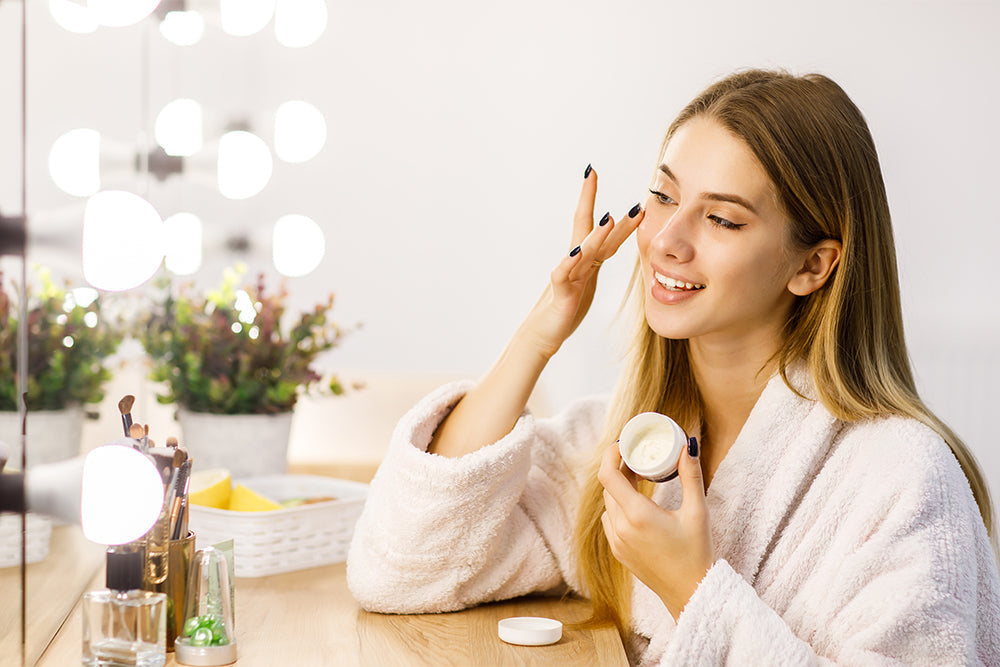
You spent time and money getting perfect brows or lips, but a few months later, they look faded and patchy. The problem might be hiding in your bathroom cabinet. Certain skincare ingredients break down the pigments in your semi permanent makeup faster than you'd think, forcing you to book touch-ups way too soon. Knowing which products cause fading helps you protect your results. Read on to find out how ingredients affect your PMU and learn to adjust your routine without giving up the skincare you love.
How Your Skincare Routine Interacts with PMU Pigments
Active ingredients in skincare products don't just sit on top of your skin; they work by changing how your skin behaves at a cellular level. That's great for acne and anti-aging, but it makes it hard for permanent makeup ink to stay put because it needs stable skin.
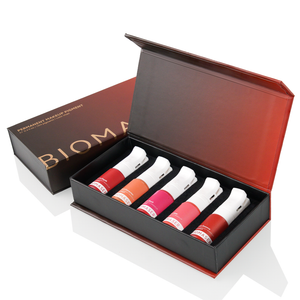
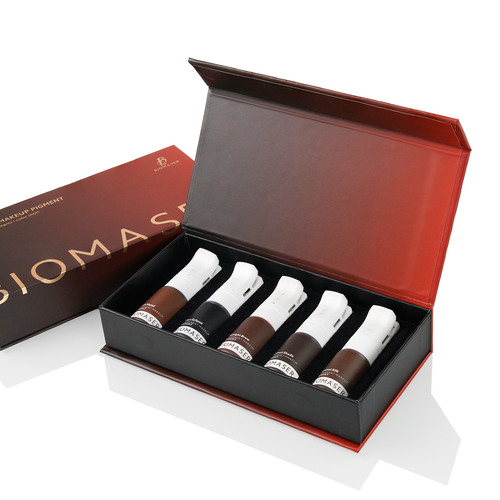
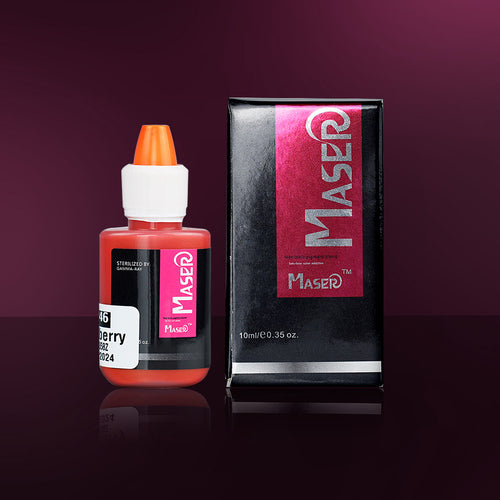
Biomaser Lips Pigment Collection
Cell Turnover Speeds Up Pigment Loss
Ingredients like retinoids push your skin to produce new cells faster, which means the older cells containing pigment particles get pushed to the surface and shed more quickly. Your PMU lip's healing process or brow area doesn't just naturally fade, but it gets actively exfoliated from within.
Skin Becomes More Fragile
Retinoids thin the outer skin layer, making it more delicate and prone to micro-trauma. This affects both the initial procedure (more bleeding, uneven pigment uptake) and long-term retention. Some PMU artists require clients to stop retinols 30 days before appointments for this exact reason.
Surface Exfoliation Strips Away Layers
Chemical exfoliants like glycolic or salicylic acid dissolve the bonds holding dead skin cells together. While this reveals brighter skin, it also strips away the superficial layers that contain pigment particles. Repeat this process daily, and your eyebrows or eyeliner fade significantly faster.
Chemical Environment Shifts
The pH level of certain actives can alter the chemical environment where pigment sits. This might influence color stability or cause pigments to migrate slightly during healing, leading to blurred edges or unexpected color shifts.
Actives accelerate natural skin processes, which directly conflict with keeping pigment stable. The more aggressive your routine, the faster you'll see fading.
The Three Ingredients That Fade Semi Permanent Makeup Fastest
Not all skincare actives pose equal risk to your PMU. Three categories stand out as the most destructive to pigment longevity and color accuracy.
Retinoids Attack Pigment Retention
Retinol, tretinoin, and prescription Retin-A accelerate cell turnover to reduce wrinkles and smooth texture. For permanent makeup aftercare, they're public enemy number one. Retinoids cause rapid, uneven fading and can chemically alter pigment color, turning rich brown brows orangey or ashy gray within months instead of years.
The standard rule: stop retinoid use at least 30 days before your PMU appointment. After healing, never apply retinoids directly on the treated area. If you're using tretinoin on your forehead for anti-aging, keep it at least half an inch away from your brow line.
Exfoliating Acids Dissolve the Pigment Layer
Glycolic acid, lactic acid, and salicylic acid are chemical exfoliants that dissolve dead skin to reveal fresh cells underneath. This process strips micro-layers of skin over your tattoo, taking tiny pigment particles with it each time.
The effect is particularly noticeable with microbladed brows, where crisp hair-like strokes become blurred and soft. Lip blush loses definition around the edges. For PMU eyeliner aftercare, acids near the lash line can cause patchiness where pigment has lifted unevenly.
Glycolic acid peels and high-percentage toners are the worst offenders. Even daily low-dose use adds up over time, shortening the lifespan of your PMU by months or even years.
Vitamin C Lightens Pigment Over Time
Ascorbic acid brightens skin by inhibiting melanin production and promoting collagen. While these benefits make it a skincare favorite, vitamin C also acts as a gentle bleaching agent on pigments.
High-concentration vitamin C serums (15-20%) applied daily near PMU areas can gradually lighten your lip blush or brow color. The effect is subtle at first but compounds over months. If you notice your once-rich pigment looking washed out despite no other changes, check your vitamin C usage.
These three ingredients lead to the most significant fading as they actively disrupt pigment stability. Recognizing them in your daily habits is the initial move towards safeguarding your results.
4 Common Ingredients That Compromise Pigment
In addition to the main three, there are various other products that can subtly undermine your semi-permanent makeup without any clear indications.
- Hydroquinone and skin lighteners: Designed to fade dark spots by reducing melanin, but they can't distinguish between natural pigmentation and cosmetic ink. Applying these near PMU areas leads to unintended bleaching of your tattoo.
- Benzoyl peroxide: A powerful acne fighter that doubles as a bleaching agent. Using benzoyl peroxide on your forehead for breakouts can significantly lighten brows, especially the tail ends closest to the application site.
- Physical scrubs: Microdermabrasion treatments, rotating facial brushes, and harsh walnut scrubs physically buff away the upper skin layers. This mechanical exfoliation removes pigment-containing cells faster than natural shedding.
- Chemical peels: Professional peels using TCA or high-percentage glycolic acid can strip multiple skin layers in one session, causing dramatic fading or complete pigment loss in treated areas.
Many individuals are unaware that their acne spot treatment or monthly facial may be working against their PMU. Recognizing these hidden dangers empowers you to make wiser product selections.
Skincare Ingredients That Won't Harm Your PMU
Not everything in your routine threatens your investment. Many well-loved ingredients offer genuine skincare advantages while maintaining pigment stability.
- Hyaluronic acid hydrates by pulling moisture into skin cells. It doesn't affect cell turnover rates or exfoliate, making it completely safe for all PMU areas. Use it freely during the PMU lips healing process and long-term maintenance.
- Ceramides strengthen your skin's natural barrier by replenishing the lipid layer. They support healing and prevent moisture loss without any exfoliating action. Ceramide-rich moisturizers are ideal for permanent makeup aftercare routines.
- Peptides deliver anti-aging benefits by signaling collagen production, but they don't speed up cell turnover or thin the skin. They're a smart alternative to retinoids for clients who refuse to give up anti-aging actives near PMU areas.
- Niacinamide calms inflammation, controls oil, and provides gentle brightening without harsh exfoliation. At concentrations under 10%, it's safe for PMU. Higher percentages might cause slight fading over time, so stick to moderate formulations.
- Gentle cleansers without acids, sulfates, or scrubbing beads keep skin clean without stripping pigment. Look for pH-balanced formulas labeled as sensitive or soothing.
These ingredients allow you to keep a practical skincare routine while ensuring the lasting beauty of your brows, liner, or lips. Creating your routine with gentle ingredients safeguards your PMU while effectively tackling skin issues.
How to Use Skincare Products Safely with Semi Permanent Makeup
You don't need to throw out your entire skincare routine. A few smart changes will keep your PMU looking fresh while still taking care of your skin.
What to Do Before Your Appointment
Tell your PMU artist about every active ingredient you're using. They may ask you to stop retinoids and acids 2-4 weeks before your procedure. This reduces bleeding and helps pmu pigment stick better. Skipping this step can lead to patchy, uneven results that need fixing later.
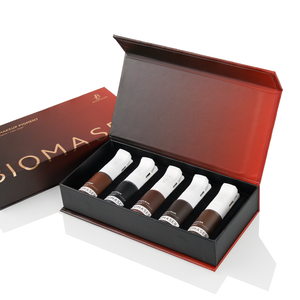
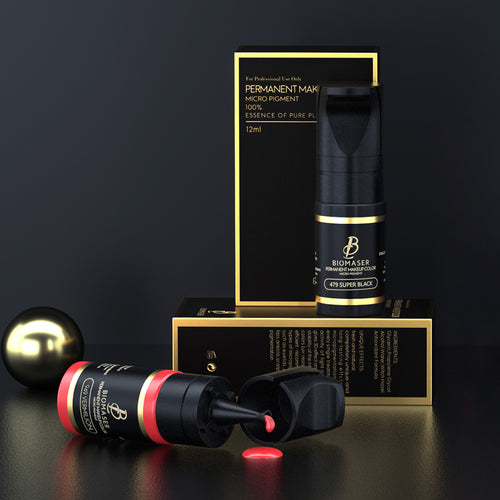
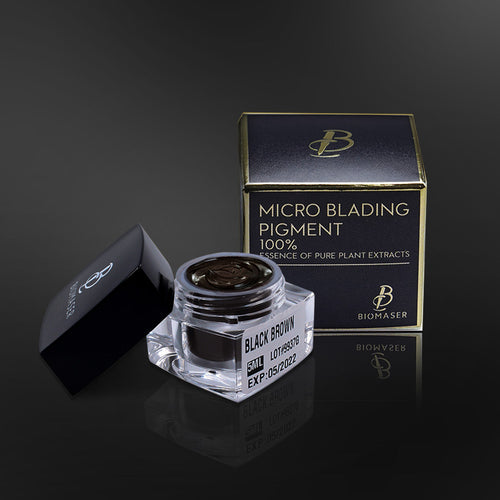
Biomaser Eyebrow & Eyeliner Pigment Collection
Taking Care of Your Skin During Healing
For the first 4-6 weeks after your procedure, keep all strong actives away from the treated area.
During the PMU lips healing process or PMU eyeliner aftercare:
- Use only the products your artist recommends
- Stick to gentle cleansers and healing ointments
- Avoid acids and retinoids completely
Starting actives too early can mess up how the pigment settles and might cause scarring.
Protecting Your PMU Long-Term
After your skin fully heals, you can bring actives back into your routine, but be strategic about it.
-
Application tips:
- Apply retinoids or acids around the PMU area, not on it
- Leave a half-inch gap between the product and your brows or lips
- Use a cotton swab for careful, precise application
- Create a protective barrier: Put a thin layer of petroleum jelly or healing balm over your PMU before applying actives nearby. This stops products from accidentally spreading onto treated skin.
- Expect more frequent touch-ups: Most PMU lasts 1-3 years. If you keep using strong actives near the area, you might need touch-ups twice as often.
- Don't skip sunscreen: UV exposure fades pigment just as fast as chemical exfoliants. Choose a mineral sunscreen with zinc oxide or titanium dioxide. These sit on your skin's surface instead of soaking in, which makes them gentler on PMU areas.
Being careful about where and when you apply products means you can keep both healthy skin and long-lasting results.
Keep Your PMU Looking Fresh Longer
Your skincare routine directly affects how long your semi permanent makeup lasts. Retinoids, acids, and high-strength vitamin C can fade your brows, liner, or lips in half the expected time. You don't have to choose between good skin and great PMU, but just be smarter about where you apply products. Leave buffer zones around treated areas, use PMU-safe alternatives, and protect your permanent makeup ink with sunscreen. Small changes now mean fewer touch-ups later.
FAQs About PMU Skincare Choices
Q1: When can I start using retinol after getting PMU?
Allow a period of 4-6 weeks following your procedure for the skin to completely recover and the pigment to stabilize. Once that time has passed, you may start to use retinol on nearby areas, but it's important to always refrain from applying it directly on the PMU. Establish a buffer zone of at least half an inch surrounding the treated zones. To ensure optimal pigment retention, numerous artists suggest steering clear of retinol on brows, eyeliner, or lips indefinitely, applying it solely to other facial areas.
Q2: Can I use vitamin C serum if I have permanent makeup?
Absolutely, just opt for lower concentrations (below 10%) and steer clear of applying it directly on PMU areas. High-concentration vitamin C formulas can gently lighten pigments over several months of daily use. Start by applying your serum to various areas of your face, and then gently use any leftover product on your hands instead of applying it over your brows or lips. This method allows you to maintain vitamin C in your routine while preserving the vibrancy of color.
Q3: Will my regular face wash fade my PMU?
Soft, pH-balanced cleansers are unlikely to cause any issues. It's important to avoid face washes with salicylic acid, glycolic acid, or other chemical exfoliants in the PMU areas during permanent makeup aftercare and beyond. When cleansing around treated areas, apply gentle pressure and pat dry rather than rubbing. If your cleanser has active ingredients, think about opting for a milder formula or using a dedicated cleanser for the PMU area.
