




How to Store Your PMU Inks to Maintain Quality and Safety

Key Takeaways
- Keep it cool and dark: Always find a spot away from windows and heaters.
- Prevent cross-contamination: Never touch the tip of the bottle to anything. Once you pour ink into a pigment cup, that cup is the only thing you use. Never pour leftover ink back into the original bottle.
- Track the dates: Check the bottle label for the Period After Opening (PAO) information or other instructions about how long the pigment should be used after opening. This is different from the expiration date, which refers to the product's shelf life before opening. Mark the date you first open the bottle on the label or in your inventory records so you can track how long the pigment has been in use.
- Trust your senses: If a pigment smells sour or looks like it has thick chunks that won't go away after shaking, throw it out immediately.
Permanent makeup pigments are much more sensitive than regular face makeup. Because these colors sit inside the skin rather than on top of it, keeping them stable is a safety requirement. Heat, sunlight, and air can quickly ruin a bottle, leading to shifted colors or bacteria growth. Storing your permanent makeup ink correctly ensures beautiful healed results and keeps your studio compliant. Use this simple system to protect your supplies and your clients.
What Is Inside Your Permanent Makeup Pigment?
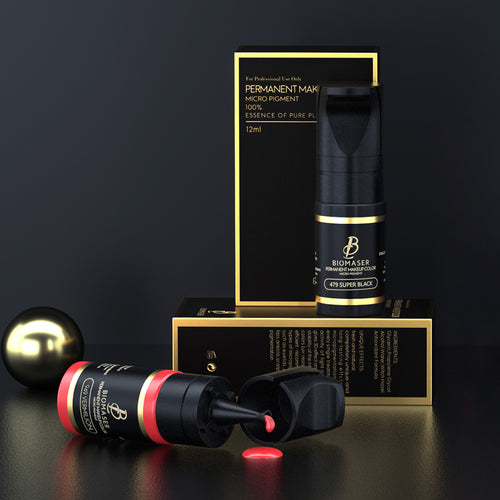
Inside a bottle of permanent makeup pigments, you will find four main things:
- Pigment powder: This provides the actual color.
- Carriers: Liquids such as water, glycerin, or other specialized carrier ingredients that help keep the pigment powder evenly dispersed and allow smooth application.
- Binders: These keep the powder and liquid mixed together.
- Preservatives: These prevent bacteria from growing once you open the seal.
The way these ingredients are balanced is exactly what a bad storage environment breaks down; an analysis of commercial tattoo and PMU ink ingredients found many products also carry solvents, binders, and preservatives beyond what the label lists.
How the Environment Damages the Mix
Heat, bright light, and air are the enemies of these ingredients. Heat can make the liquid carriers evaporate, which makes the ink thick and clumpy. UV light from the sun can break down the chemical bonds in the pigment powder, causing a brown shade to turn orange or gray before it even touches the skin. If the liquid in the bottle has split or gone bad, even the best tattooing technique won't work.
How to Build a Safe PMU Pigment Storage System
Setting up a "clean zone" for your tools will keep your inks clean and make them easy to find when you're busy.
Design the Storage Zone
Your main stock of permanent makeup ink should live in a "clean storage" area. This means it is physically away from the "dirty" areas like your sink or the trash can where you put used needles. Use a cabinet with solid doors or opaque plastic bins. Keeping bottles upright prevents the liquid from leaking into the cap, which can cause a crusty mess that harbors bacteria.
Organize for Speed and Safety
Group your colors by what they are for—lips, brows, or eyeliner. You can also group them by "warm" or "cool" undertones. Labeling the front of the shelf or the bin helps you grab what you need without touching every bottle with your gloves. Use the "First In, First Out" (FIFO) method. Put the newest bottles in the back and move the older ones to the front so they get used before they expire.
Keep Documentation and Logs
Keep a simple notebook or a digital sheet that lists every bottle in your PMU pigment set. Note the brand, the batch number, the day you bought it, and the day you opened it. This log is a lifesaver if a client has a reaction and you need to prove exactly what was used. It also makes health inspections much faster.
The Best Temperature, Light, and Humidity for Pigment Storage
Pigments are chemically sensitive and react quickly to the climate in your room. Controlling the air and light around your bottles is the easiest way to make them last longer.
Temperature Control
Most manufacturers suggest a stable, cool room temperature. Avoid spots near radiators, air conditioning vents that blow directly on the shelf, or electronics that get hot. Extreme cold is also bad; if a pigment freezes, the ingredients can separate in a way that you can never fix by shaking.
UV Light Protection
Sunlight is a powerful bleach. If you leave a bottle on a windowsill, the UV rays will fade the label and ruin the pigment inside. Even bright fluorescent lights can cause damage over many months. Always use drawers or dark boxes to block out the light.
Humidity and Air Quality
A cool and dry environment is best. High humidity can make the labels peel off or allow mold to grow on the outside of the packaging. Keep your storage away from steamers or spray bottles used for cleaning. Aerosol sprays can also land on the bottle tips and contaminate the ink.
How to Use Inks Without Contaminating Them
How you handle your bottles during a procedure is just as important as where you store them. Careful habits keep your pigments sterile and safe for every client.
Pour into Disposable Cups
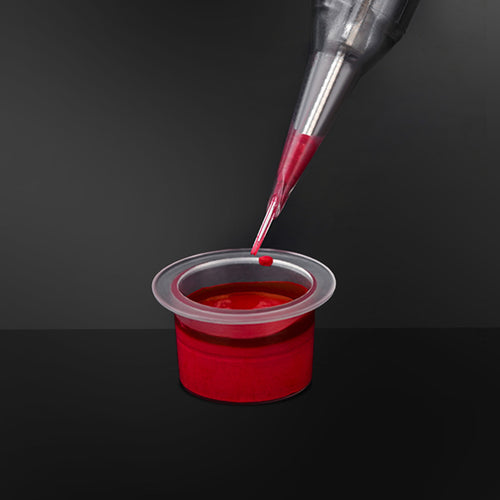
Always drip your permanent makeup ink into a new, disposable cup. Never work directly from the bottle. Hold the bottle high so the tip never touches the cup, your gloves, or the tray. If a cup sits out for the duration of a procedure, discard it. Never add fresh ink to a used cup, as this spreads bacteria. Keep a stock of single-use pigment cups and other PMU accessories and consumables within reach of your clean zone.
Maintain Surface Cleanliness
Never dip needles, swabs, or brushes into the pigment bottle. If ink drips down the side, wipe it with a clean paper towel and a bit of surface disinfectant. Avoid getting any cleaning liquid inside the cap or on the dropper tip. Keeping the bottle neck clean ensures a tight seal every time.
Know When to Throw a Bottle Away
Discard a bottle immediately if the cap is cracked or the tip touches a dirty surface. If you see signs of contamination, do not save it for practice skins. Keeping spoiled products in your studio puts your reputation and hygiene standards at risk.
How to Spot Spoiled or Damaged Pigment
Even with great storage, some bottles may go bad early. You should perform a quick check every time you reach for a color to ensure it is still high quality.
Visual Red Flags
If you shake a bottle for a full minute and the color still looks streaky or has watery layers, the binders have failed. Look for "gel chunks" or a stringy texture when you pour it out. If the color looks drastically different than it did last month, it has likely been damaged by light or heat.
Smell and Texture
Healthy pigment usually has a neutral or slightly medicinal smell. If it smells like vinegar, old gym clothes, or rotten eggs, bacteria is growing inside. If the texture becomes foamy or bubbly when you pour it, the chemical balance is off. Using spoiled ink can cause poor color retention or, worse, an allergic reaction or infection—a microbiological survey of permanent makeup inks found bacteria in a large share of sampled bottles, including sealed ones.
Travel and Mobile PMU: How to Store and Transport Your Inks Safely
If you do mobile work or guest spots, your inks are at a higher risk of damage. Traveling exposes them to vibration, pressure changes, and unpredictable temperatures.
Prepare for Transport
Take only the colors you need for your scheduled appointments. Tighten all caps and clean the bottle necks. Pack bottles upright in a padded, wipeable case. Use a secondary container, such as a zip-lock bag, to protect your kit from leaks caused by air pressure changes.
Temperature and Light on the Road
Never leave your permanent makeup ink in a hot car or in direct sunlight. High heat can ruin an entire set in minutes. If you travel through extreme cold, use an insulated bag. Let cold bottles reach room temperature naturally before you shake and use them.
Mobile Hygiene Standards
Keep your pigments in a separate compartment away from used tools or waste. Disinfect the outside of your organizers between every location. Continue to track batch numbers and open dates for mobile clients just as you do in a permanent studio.
How to Dispose of Old or Expired Inks
When a bottle reaches the end of its PMU pigment shelf life, you must get rid of it responsibly. You cannot just treat it like regular trash or pour it down the sink.
Pouring ink down the drain can stain your plumbing and is bad for the local water supply. Instead, tighten the cap fully and tape it shut. If you have a lot of liquid left, you can pour it into a paper towel or a "liquid solidifier" powder before putting it in the trash. Always check your local city rules for "bio-hazardous" or "chemical" waste to see if they have specific requirements for tattoo supplies.
Protecting Your Permanent Makeup Ink Quality
Taking care of your pigments is a sign of a true professional. When you control the temperature, light, and cleanliness of your workspace, you ensure every client receives a safe, beautiful result. Regular checks and clean habits prevent waste and keep your business running smoothly. By following these simple storage steps, you can trust your tools and focus on creating great art.
FAQs About Pigment Safety
Does ink really expire if I only used it once?
Yes. The moment the seal is broken, air and microscopic particles enter the bottle. The preservatives start a countdown, since a review of cosmetic preservation strategies notes their protection only lasts through the expected shelf life plus usage time. Using "old" ink is risky because the chemical balance has changed, which can lead to unpredictable healed colors.
Should I keep my pigments in the fridge?
Usually, no. A fridge can be too cold and creates moisture (condensation) inside the bottle when you take it out into the warm air. A dark, room-temperature cabinet is almost always the better choice.
Can I mix different brands together?
Mixing different brands is not recommended. Each company uses different carriers and binders. If you mix them, they might react poorly, causing the ink to clump or change color in the skin.
