





How PMU pricing usually works
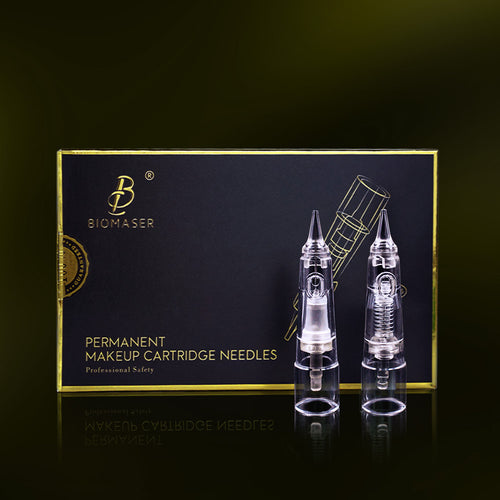
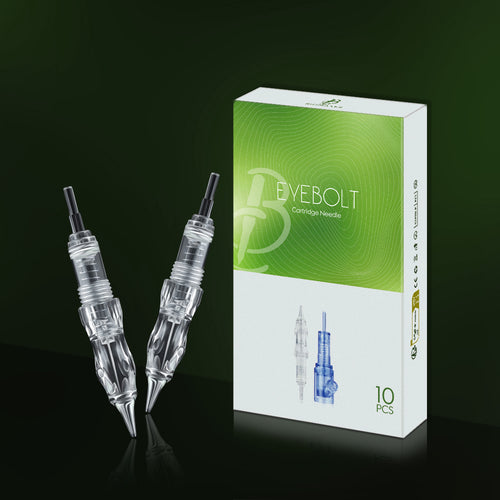
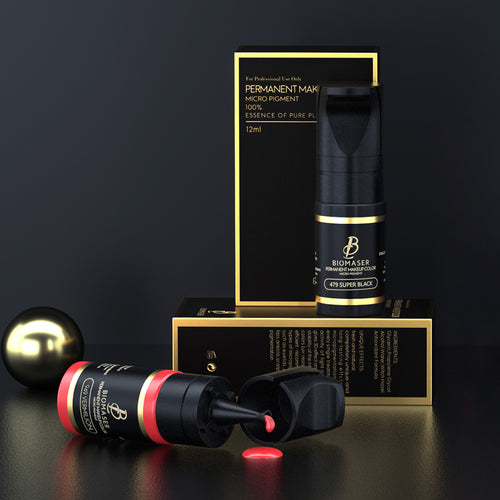
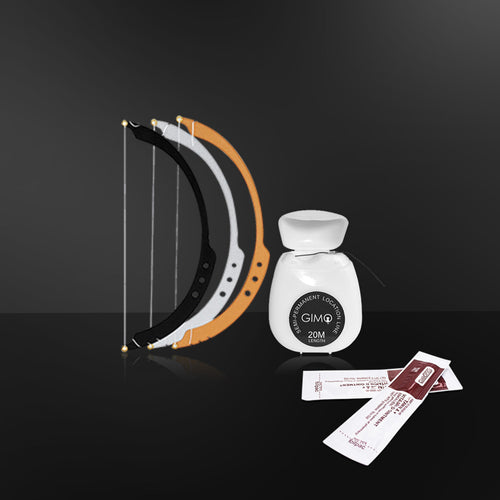
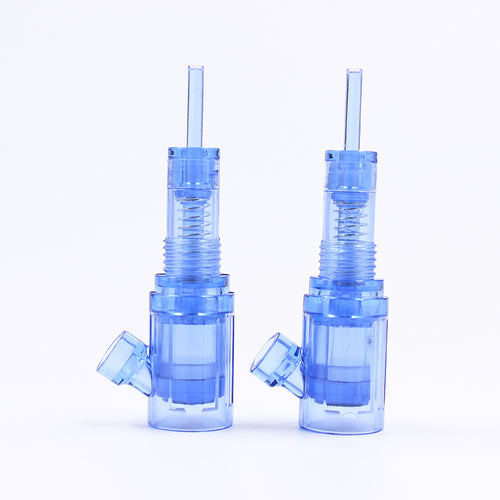
PMU studios commonly quote by service area, technique, and correction level. A minimum charge often applies even for a small lash-line or beauty-mark style service, because the artist still prepares sterile supplies, cartridges, pigment cups, barriers, mapping tools, and workstation cleanup.
The biggest cost drivers are treatment area, appointment scope, pigment correction, artist demand, and location. Lips, eyeliner, scalp work, areola reconstruction, skin color management, and old PMU correction can increase cost because they may require more passes, careful color selection, and additional follow-up work.
Planning note: Use the estimate as a negotiation-free planning
range. The final price should come from the artist after seeing your natural features, healed pigment, skin undertone, desired shape, and service area.
Budgeting tips before your consultation
- Save healed-result references for your treatment area, not only fresh-work photos.
- Tell the artist whether you need a new service, annual refresh, color correction, scar work, or old PMU repair.
- Ask whether the quote includes mapping, numbing, the first touch-up, and correction work.
- Confirm the deposit policy, reschedule rules, and touch-up window.
- Budget for aftercare products, the healing period, and a 15-20% tip where tipping is customary.