





Microneedling for Acne Scars: What Results Can You Expect?

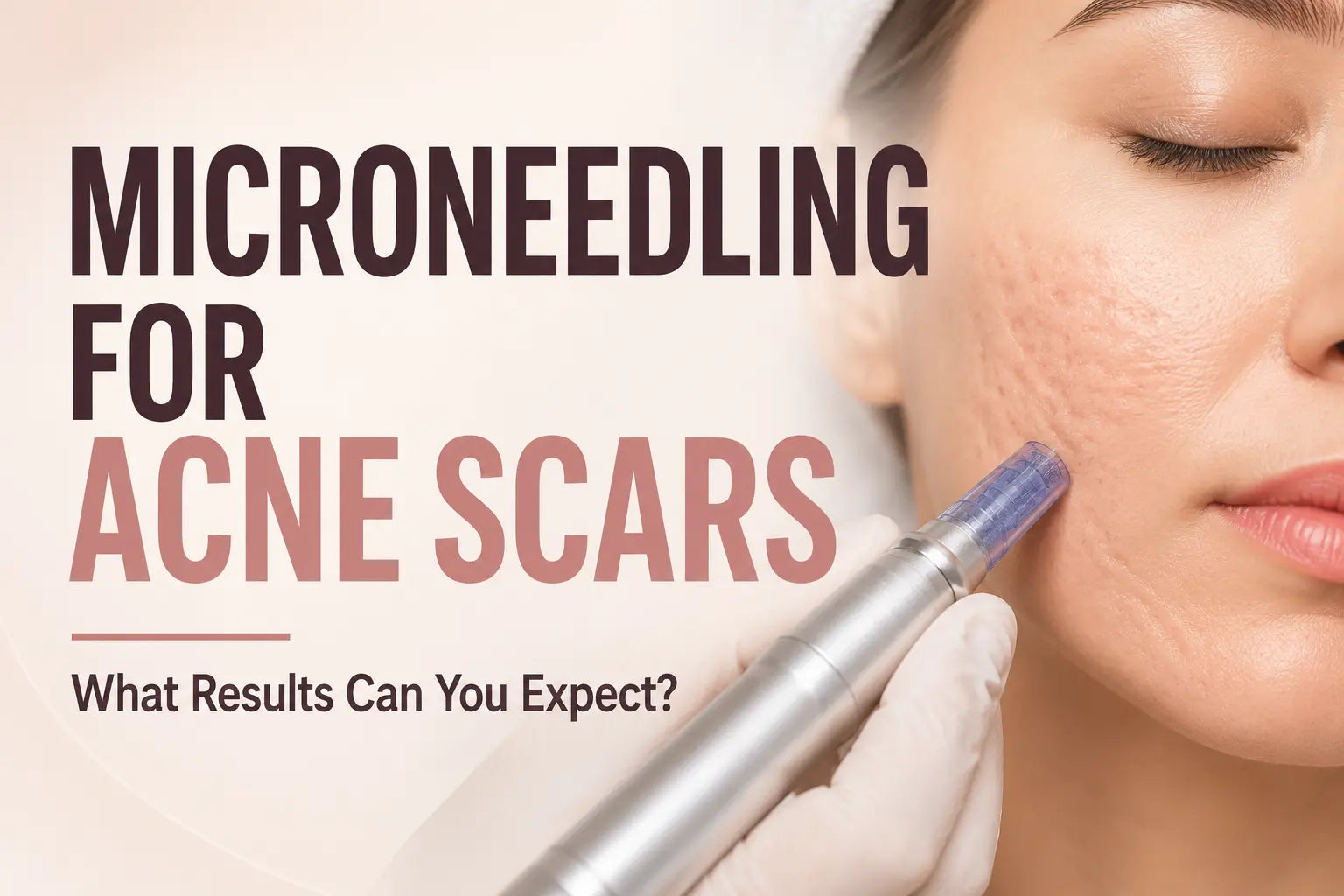
Long after breakouts clear up, acne scars can linger and change how your skin feels. This texture often affects confidence, and it leads many people to look for safe ways to smooth out their skin surface. Microneedling for acne scars has become a popular, minimally invasive choice for lifting these marks by triggering the skin's own repair process. This guide explains what kind of improvement is realistic, how the healing timeline looks, and which scar types change the most.
What Is Microneedling and How Does It Work for Acne Scars?
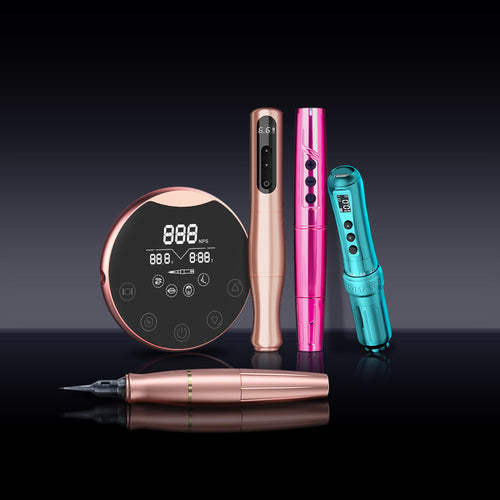
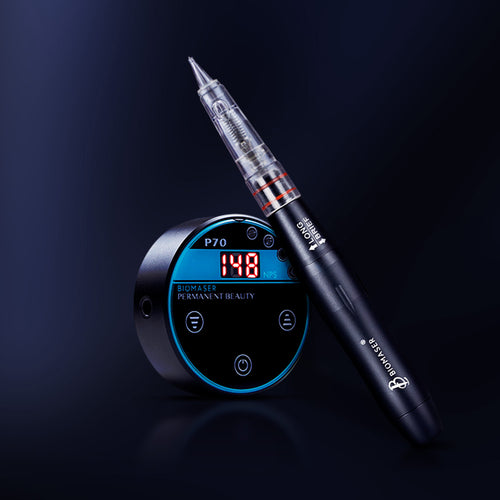
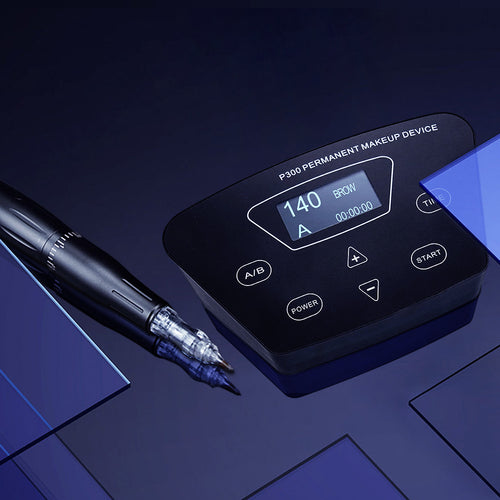
This procedure, also known as collagen induction therapy, uses a specialized device fitted with tiny, sterile needles. A trained specialist moves the device across the skin to create controlled micro-injuries. These microscopic punctures do not permanently damage the top layer of skin. Instead, they kickstart the body's natural wound-healing system.
The healing process triggers rapid production of fresh collagen and elastin, and skin remodeling then happens over weeks. Improvements appear gradually as the skin rebuilds itself from the inside out. A systematic review of randomised controlled trials on microneedling for atrophic scars found that repeated sessions measurably reduce scar severity over time.
Why Collagen Matters for Acne Scar Improvement
Acne scars form when severe inflammation destroys the deep support tissue in the skin, which leads to a loss of collagen. This lack of support creates indents or depressions on the surface.
Newly formed collagen helps fill in these gaps. It raises the depressed areas and evens out the skin texture. This acne scar treatment improves the appearance of scars rather than removing the old, damaged tissue completely, so the marks become shallower and less visible to the naked eye.
Which Types of Acne Scars Respond Best to Microneedling?
Different scars react to the needles in distinct ways. Knowing the type of scar you have helps you set realistic goals and pick the best way forward. Dermatology guidance on evaluating and managing atrophic acne scars groups these marks into rolling, boxcar, and ice pick types.
Rolling Scars
Rolling scars have smooth, sloped edges that look like waves on the skin surface. They often show the greatest improvement from microneedling because they are relatively shallow and soft. The needles can easily stimulate collagen right under these sloped areas to lift the skin. Most people see a visible reduction in the depth of rolling scars after a few sessions.
Boxcar Scars
Boxcar scars have sharp, vertical edges and a flat bottom, which makes them look like craters.
- Shallow boxcar scars: Improve nicely with collagen production.
- Deep boxcar scars: Have distinct edges that are harder to smooth down.
For deeper boxcar scars, pairing the needles with other skin therapies can deliver better, more noticeable outcomes.
Ice Pick Scars
Ice pick scars are narrow and deep, and they look like small holes left by a toothpick. Because these scars reach deep into the dermis, the needles often cannot reach the very bottom effectively. This treatment is less effective for ice pick scars on its own. Cross-treatment approaches, such as targeted chemical applications, work better for these narrow holes.
Raised (Hypertrophic or Keloid) Scars
Hypertrophic and keloid scars are raised lumps caused by an overproduction of collagen during the initial healing phase. Microneedling is generally not a first-line treatment for these scars because it could trigger more collagen growth and make the lumps larger. A professional skin evaluation is vital before choosing any treatment for raised marks.
| Scar Type | Visual Appearance | Microneedling Effectiveness |
|---|---|---|
| Rolling Scars | Wide, shallow, wavy depressions | High |
| Boxcar Scars | Sharp, crater-like vertical edges | Moderate (High for shallow) |
| Ice Pick Scars | Deep, very narrow, pinprick holes | Low (Requires combination) |
| Hypertrophic | Raised, thick, firm lumps | Not Recommended |
What Results Can You Realistically Expect?
It helps to look at the practical changes your skin will undergo. Realistic goals keep you satisfied with your overall progress and help you track improvements correctly.
Improvements in Scar Appearance
You can expect a noticeable reduction in scar depth. The indents become shallower, and the skin surface gains a smoother overall look. Shadows caused by uneven skin contours lessen under natural lighting, which makes the scars blend in with the surrounding tissue.
Additional Skin Benefits
Besides treating scars, this procedure boosts skin firmness and refines overall texture. It can reduce the appearance of enlarged pores by tightening the surrounding tissue. Many people also notice a more even skin tone and a brighter complexion, which is why facial microneedling for smoother, brighter skin is often used beyond scar work alone.
What Microneedling Cannot Do
This option cannot completely erase acne scars or bring your skin back to its original state before the acne occurred. Severe, deep scars will not disappear from needles alone. Knowing this limit helps you look at your progress with clear eyes.
Note: Severe scarring usually requires a combination of therapies to achieve optimal smoothing.
When Will You See Results?
Skin transformation requires patience as your cells work to build new structure. The timeline moves through several distinct phases, from the first day to several months out.
Immediately After Treatment
Right after the session, your skin will look red, similar to a mild sunburn. You will notice mild swelling and temporary sensitivity. This is the initial healing response, and it usually fades within two to three days.
First Few Weeks
During the first few weeks, early collagen production begins under the surface. Your skin might look brighter, smoother, and plumper. This initial glow is often due to temporary mild swelling and increased blood flow, which occurs before actual scar changes become noticeable.
After Multiple Sessions
Progressive scar improvement becomes visible after a few months. The deep collagen remodeling continues for up to six months after your final session. The skin slowly lifts and smooths out over this extended period.
How Many Microneedling Sessions Are Usually Needed?
A single visit is rarely enough to address deep structural skin changes. The total number of sessions depends heavily on the depth and age of your scars.
Treatment Recommendations by Scar Severity
- Mild acne scars: 3 sessions are typically enough to see good improvement.
- Moderate acne scars: 4 to 5 sessions are usually required for optimal smoothing.
- Severe acne scars: 6 or more sessions may be needed to achieve a satisfying change.
Why Treatments Are Spaced Several Weeks Apart
Sessions are spaced four to six weeks apart. This gap matches the natural collagen remodeling cycle. Your skin needs this time to heal and build new tissue safely before receiving more stimulation.
Why Maintenance Treatments May Be Recommended
As skin ages, it naturally loses collagen. Annual or semi-annual maintenance sessions help support the skin structure over time. Individual skin aging and lifestyle factors such as sun exposure and diet also affect how long your smooth skin texture lasts.
Factors That Influence Your Final Results
Your final results depend on several personal and external elements. Knowing these variables helps you understand why different people get different outcomes from the same procedure.
Scar Type and Severity
Shallow scars show faster improvement than deep, pitted scars. The total surface area covered by scarring also plays a big role in how quickly you see a difference.
Age and Natural Collagen Production
Younger skin generally responds faster because it produces collagen more efficiently. Older individuals might need more sessions to achieve the same degree of skin smoothing.
Skin Type and Skin Tone
This procedure is safe for darker skin tones because it does not use heat. There is still a small risk of post-inflammatory hyperpigmentation (PIH) if the skin is irritated too much or exposed to the sun without protection.
Practitioner Experience and Technique
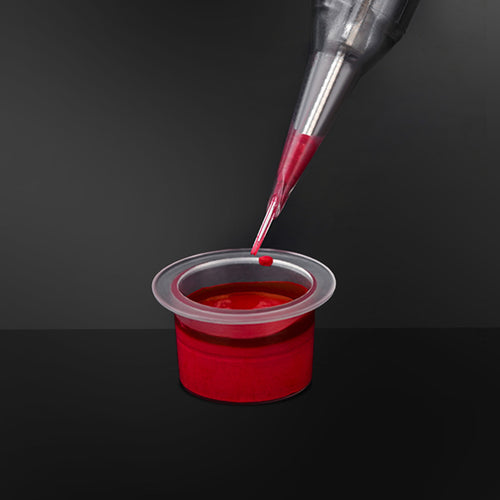
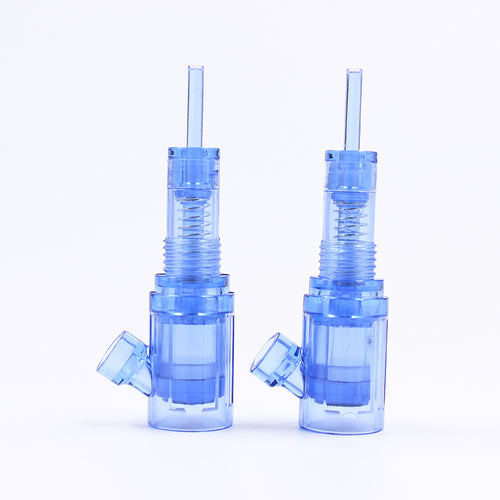
A skilled provider selects the proper needle depth for each area of your face. They use sterile equipment and create an individualized plan. Correct technique ensures both safety and proper deep tissue stimulation, and matching the right needle cartridge to each treatment area is part of that setup.
Post-Treatment Aftercare
Proper aftercare protects your investment. You must use strict sun protection and gentle skincare products. Avoiding irritating ingredients such as retinoids or acids during recovery protects the healing skin barrier.
Can Microneedling Be Combined with Other Acne Scar Treatments?
For complex or deep scarring, combining different techniques often gives the best results. A multi-step approach targets scars from several depths and angles at the same time.
Microneedling + PRP
Platelet-rich plasma (PRP) uses your own blood cells to speed up healing. Applying PRP during the procedure boosts collagen stimulation and cuts down on redness and recovery time, an effect confirmed in a split-face study of microneedling with platelet-rich plasma for atrophic acne scars.
Microneedling + Subcision
Subcision uses a small needle to break the fibrous bands that pull rolling scars downward. Combining subcision with microneedling helps lift the skin and smooth out the texture much faster.
Microneedling + Laser or Chemical Peels
Lasers or deep chemical peels can target the surface layer while needles work deeper down. Providers alternate these treatments over several months to handle stubborn, mixed scar types.
Risks, Side Effects, and Safety Considerations
Every cosmetic procedure carries some level of risk. Being aware of the potential side effects helps you manage your recovery safely and spot issues early. A broader look at microneedling benefits, risks, and aftercare covers what to watch for through recovery.
Common Temporary Side Effects
Most people experience redness, mild swelling, dryness, and flaking. These signs are normal and mean the skin is shedding its old layer to reveal new tissue underneath.
Less Common Risks
Infection can happen if the equipment or the skin is not kept clean. Post-inflammatory hyperpigmentation or delayed healing can occur if aftercare rules are ignored or if sun protection is skipped.
Professional Treatment vs. At-Home Microneedling
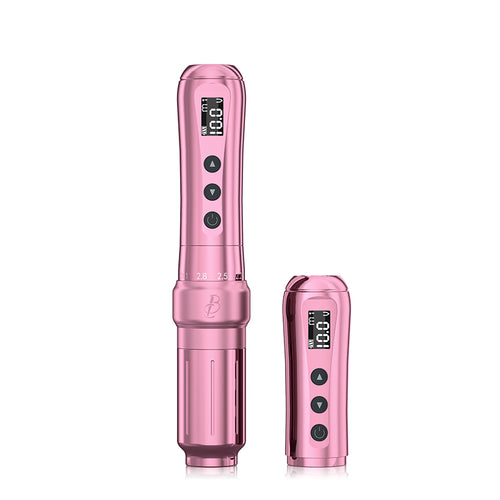
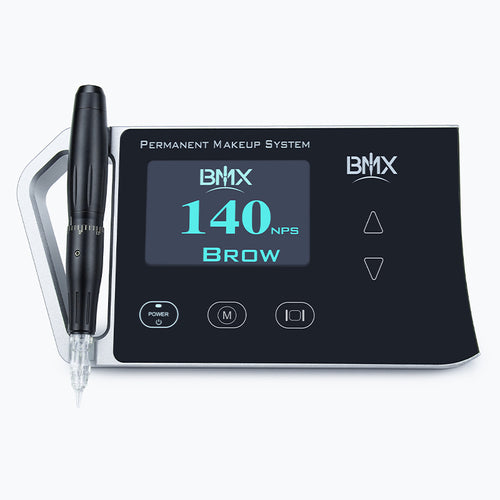
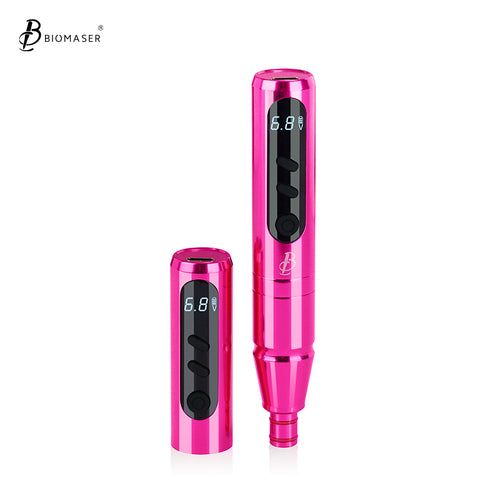
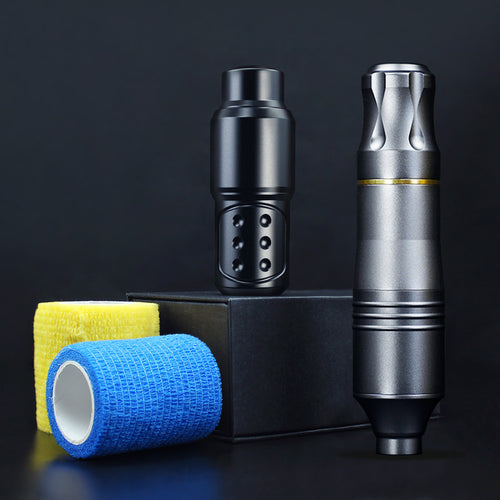
Traditional at-home microneedling tools, such as rolling devices, use a different mechanism from newer vertical microneedling systems. Older roller-style devices move across the skin at an angle, while modern microneedling pens differ from derma rollers by using a vertical stamping motion that lets the needles enter and exit the skin more precisely.
Today, vertical microneedling technology is used in both professional clinics and certain home-use devices. Depth settings, needle configuration, device quality, and hygiene practices all influence the safety and effectiveness of the treatment. If you are weighing your options, comparing professional versus at-home microneedling helps you match the setting to your scar type. Professional treatments are typically performed with advanced equipment and customized settings, while home-use devices should always be used according to manufacturer instructions and proper hygiene guidelines.
Achieving Smoother Skin with Microneedling
Microneedling offers a reliable path to smooth out deep acne marks through collagen induction therapy. Your skin lifts and heals slowly over several months, so a series of sessions brings the best change. Your final look depends on your unique scar type and daily aftercare. Booking a consultation with a skin specialist can help you build the right plan for a clearer, smoother complexion.
FAQs About Microneedling for Acne Scars
Q1. Can microneedling completely remove acne scars?
Microneedling can significantly improve the appearance of many atrophic acne scars, but complete scar removal is uncommon, particularly for deeper scars. It smooths the texture and reduces depth, which makes scars far less noticeable.
Q2. How many microneedling sessions are usually needed for acne scars?
Most people require three to six sessions to see optimal results. The exact number depends on scar severity, with deeper or older scars needing more treatments spaced four to six weeks apart.
Q3. Which types of acne scars respond best to microneedling?
Rolling scars respond best because of their smooth, sloped edges. Shallow boxcar scars also show great progress, while deep ice pick scars respond less effectively because they are too narrow and deep for standard needles.
Q4. Is microneedling safe for all skin tones?
Yes, microneedling is generally considered suitable for a wide range of skin tones when performed by trained professionals. Because it does not use heat, it carries a lower risk of pigmentation changes compared with some lasers, though proper aftercare is still vital to minimize risks.
