




How to Prevent Overworking the Skin During Permanent Makeup

Key Takeaways
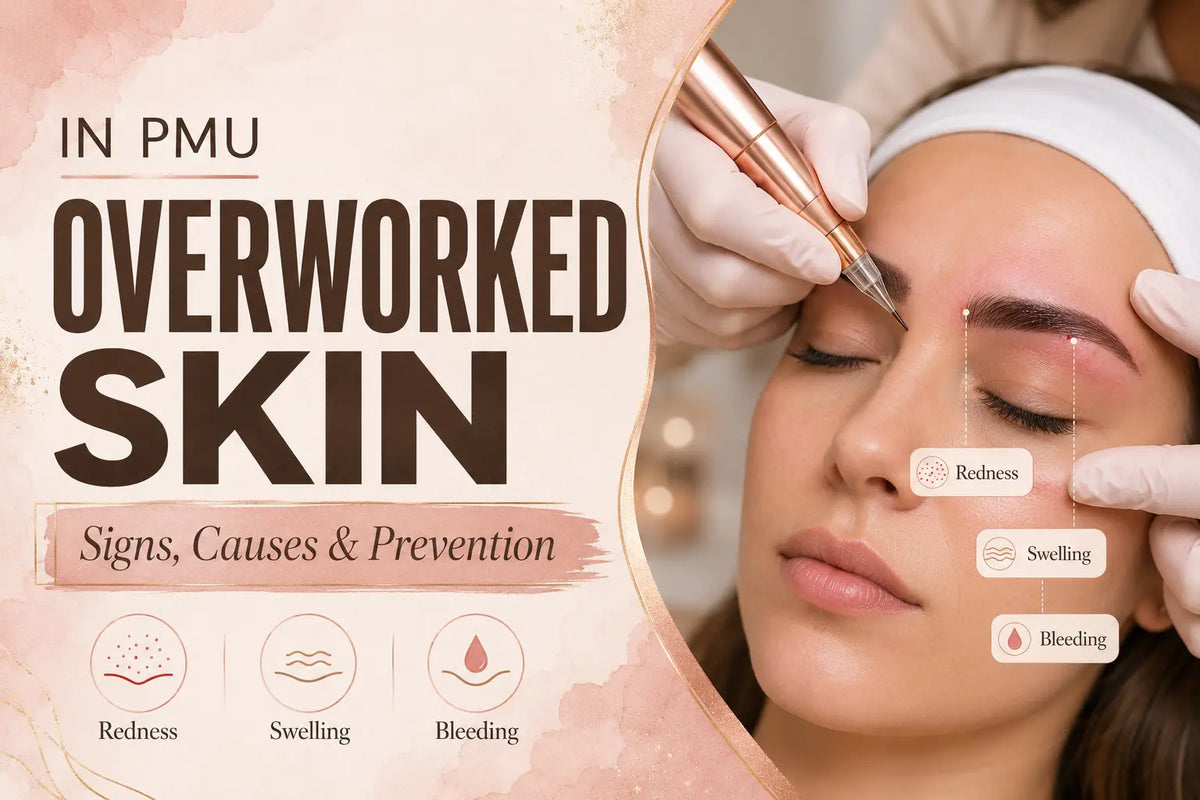
- Definition: Overworking refers to excessive skin trauma caused by too many passes, high pressure, or incorrect needle depth.
- Warning Signs: Watch for intense redness, rapid swelling, a shiny texture, or unexpected bleeding during the application.
- Technique Control: Use light pressure, steady hand speed, and correct depth to implant pigment safely.
- Skin Variation: Thin, mature, and oily skin types require customized approaches to avoid deep tissue damage.
- The Healing Factor: Final results depend on the healing process. Building color slowly across two sessions yields the best retention.
Skin control sets top permanent makeup artists apart. Pushing too hard or making excessive passes causes severe skin trauma, leading to poor color retention and patchy healing. Beautiful results require a soft touch and clean technique rather than forcing heavy pigment into the tissue. By monitoring how the skin reacts during the session, artists can easily prevent irritation and create smooth, stunning results that heal perfectly.
What is Skin Overworking?
In permanent makeup, overworking refers to causing excessive physical trauma to the skin during the implantation process. It happens when the skin barrier is punctured too many times or too aggressively, leading to torn tissue rather than clean, tiny deposits of color.
Common Causes of Tissue Trauma
Several technical errors lead to this problem:
- Too many passes: Going over the exact same spot repeatedly without giving the tissue a break.
- Excessive pressure: Pushing the needle too hard into the skin.
- Incorrect needle depth: Working in the deeper dermal layers instead of the upper dermis.
- Slow hand movement: Letting the needle cycle multiple times in one tiny spot because the hand is moving too slowly.
- Forcing pigment: Trying to pack color into skin that is already saturated or resisting.
Why Tissue Protection Matters
The skin requires time to recuperate and lock in color after a procedure. When tissue receives excessive trauma, the body shifts into an aggressive healing mode. This response can cause the body to push the pigment out, leading to poor color retention. It can also cause the final color to look ashy cream, gray, or uneven, and it may alter the natural texture of the skin by creating scar tissue.
Affected PMU Procedures
This issue can happen across all types of micropigmentation.
In nano brows and powder brows, overworking creates blurred lines or solid, heavy blocks of color.
During lip blush services, excessive trauma causes extreme swelling and poor color deposit.
In permanent eyeliner procedures, overworking thin eyelid tissue increases the risk of pigment migration.
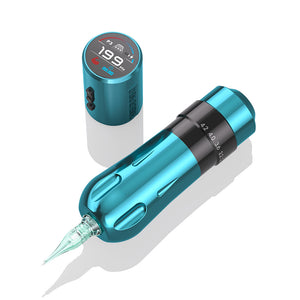
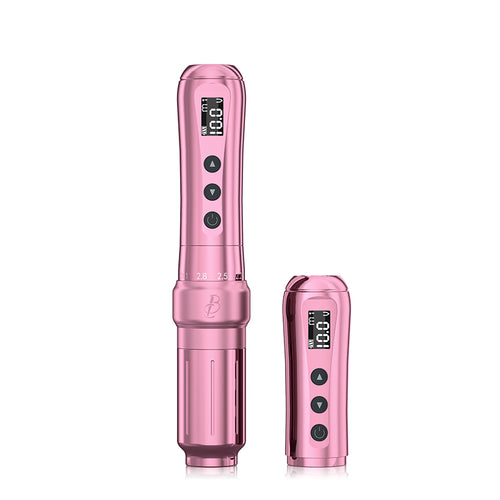
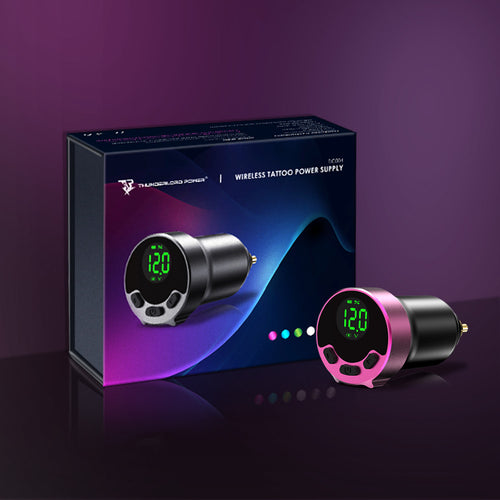
7 Stroke adjustable Thunderlordpower U7 Wireless tattoo Machine Pen
How to Spot Signs of Overworked Skin During a PMU Session
Monitoring the skin throughout the appointment prevents long-term damage. Watch closely for physical shifts in the tissue rather than focusing only on the final color goals.
Read the Skin Reactions
Artists must look for real-time feedback from the tissue. The skin tells you when it has reached its limit, and ignoring these signs leads to poor healed results. Key warning signs include:
- Excessive redness: Mild redness is standard, but an intense, spreading deep red color indicates high irritation.
- Swelling or inflammation: If the area becomes puffy or raised quickly, the tissue is highly stressed.
- Shiny or damaged texture: Skin that begins to look glossy, raw, or plasticky has lost its structural integrity.
- Increased sensitivity or bleeding: Pinpoint bleeding or sudden weeping of lymphatic fluid means the skin barrier is compromised.
| Skin Condition | Normal Skin Sign | Overworked Warning Sign |
|---|---|---|
| Color Changes | Light pink color | Deep, spreading intense red |
| Inflammation | Minimal puffiness | Rapid, raised swelling |
| Surface Texture | Normal skin texture | Shiny, glassy, or raw appearance |
| Fluid Output | Dry surface | Excessive bleeding or lymph fluid |
Stopping the procedure at the right moment is vital. Continuing to implant color into compromised skin does not improve saturation. Instead, it causes more fluid production, which washes out the pigment and ruins the final look.
Reasons Why Artists Unintentionally Overwork the Skin
Many technicians make simple mistakes that lead to tissue trauma. Knowing these common errors helps you modify your habits and protect your client’s skin.
Mistake 1: Aiming for Final Saturation in One Session
Fresh permanent makeup always looks darker and more vibrant than the final healed look. Some artists forget that the color alters and settles during the weeks after the appointment. Forcing maximum saturation immediately often causes tissue damage. Building color gradually across two sessions is safer.
Mistake 2: Focusing Too Much on Pigment Volume
Dense pigment deposit does not guarantee good retention. When an artist packs too much color into the skin, the results often heal blurry, heavy, or patchy. The skin can only hold a certain amount of pigment at one time.
Mistake 3: Ignoring Skin Type Differences
Different skin types need different levels of care. Oily skin often struggles to hold crisp details, tempting artists to make extra passes. Thin, mature, or sensitive skin has a thin protective layer and tears easily under pressure. Skin with a damaged barrier cannot handle a standard procedure and requires postponement until it heals completely.
[[related_products_2]]
Adjusting Your Technical Skills to Protect the Tissue
Proper mechanical control reduces trauma and improves color deposit. Fine-tuning your physical movements ensures the skin stays healthy from start to finish.
Manage the Number of Passes
Avoid repeating patches of skin without looking closely at the tissue. Use controlled layering, wiping gently to check your progress. Once the skin shows a soft tint, stop working that area.
Maintain Proper Hand Pressure
Heavy hands cause deep tissue damage. Keep your pressure light and consistent. Let the permanent makeup tools do the work instead of pushing the needle into the skin.
Adjust Needle Depth Correctly
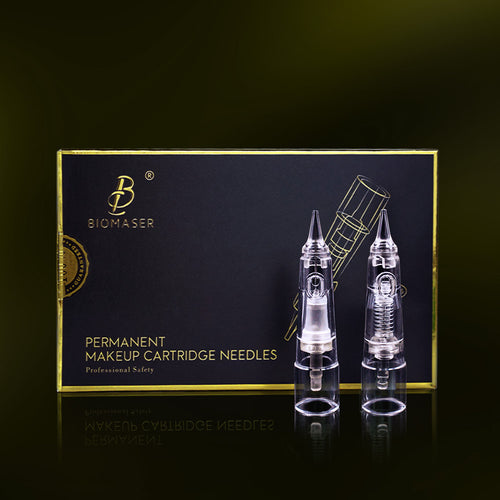
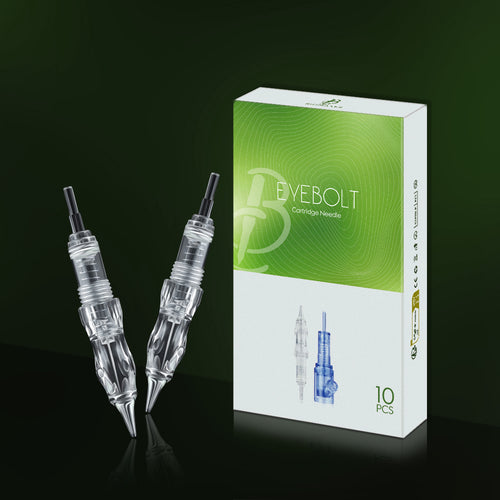
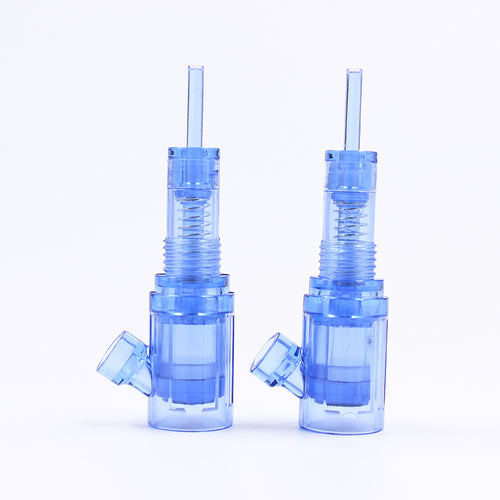
Using the proper depth ensures the pigment stays stable. If you work too shallow, the color comes off during peeling, leading to unnecessary extra passes. If you use a permanent makeup machine too deeply, you cause bleeding and blurred results. High-quality permanent makeup cartridge needles help maintain a clean path into the proper skin layer.
Keep a Consistent Machine Speed
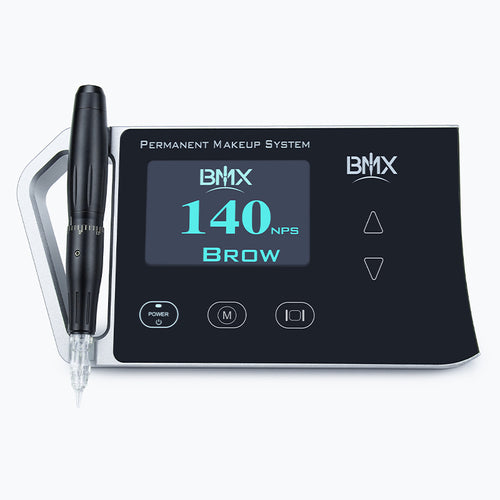
Do not move your hand too slowly while your PMU machine runs at high speed. Match your hand motion with the device speed. Moving too slowly in one spot creates a sawing effect on the skin, while a steady pace ensures clean points of color. Using proper PMU needles with correct settings prevents skin tearing.
Adapting Your Methods for Different Client Skin Types
Every person has a unique skin structure that responds differently to needles. Assessing these differences beforehand allows you to select the safest application method.
Analyze the Client’s Skin First
Before picking up your permanent makeup tools, examine the target area. Look at the thickness, elasticity, oil levels, and sensitivity. Check for scarring from previous permanent makeup work, as scar tissue is tougher and behaves differently.
Tailor Your Approach
- Thin or mature skin: Use a very light touch, slower machine speeds, and fewer passes to avoid tearing the delicate tissue.
- Oily skin: Set clear expectations that lines may soften. Use precise, spaced-out pigment points rather than working the area repeatedly to force a solid look.
- Sensitive skin: Minimize stretching and limit passes. Use soothing formulas during the process and monitor the skin color closely.
Improving Pigment Retention Without Causing Excess Trauma
Long-lasting color relies on clean technique rather than physical force. You can get excellent retention by prioritizing skin health over immediate dark results.
Choose the Right Pigment Approach
Select colors based on the client’s skin tone and undertone. Do not rely on dark, highly concentrated pigments simply to get a fast effect. Correctly chosen colors settle beautifully without requiring heavy layers.
Focus on Technique Over Force
Great retention comes from placing the pigment at the correct depth using stable machine control. Proper skin preparation and using sharp permanent makeup cartridge needles reduce skin resistance, allowing color to enter easily without extra pressure.
Allow the Skin to Heal Fully
Always make adjustments based on healed results, not how the skin looks right after the session. Wait four to six weeks before performing a touch-up. This timeline gives the tissue enough time to rebuild before receiving more pigment.
Achieving Great Permanent Makeup Results With a Gentle Approach
Working conservatively yields the most predictable and beautiful outcomes. Building color slowly ensures the skin heals well and keeps the pigment stable.
Build Color Gradually
Start your work conservatively. It is easy to add more saturation during the secondary touch-up session, but removing over-saturated, deep pigment is difficult.
Prioritize Healed Outcomes
Fresh permanent cosmetics look bold, but the healed appearance reveals the true quality of the work. A soft, properly placed application heals cleanly, whereas a heavy application can look patchy later.
Communicate Expectations Clearly
Explain the process to your clients so they know what to expect. Inform them that the initial color shifts during the weeks after the appointment. Let them know that healing takes time and that a touch-up session is a normal step to finish the look safely.
Common Technical Mistakes That Cause Skin Overworking
Reviewing bad habits helps you maintain a safer practice. Avoid these specific mistakes to ensure your clients get clean, beautiful, and safe results.
- Repeating passes because the color looks too light: Fresh pigment often looks faint under bright procedural lights. Trust your depth instead of adding extra passes immediately.
- Increasing pressure to improve results: Pushing harder only causes trauma. If the pigment is not depositing, check your needle configuration or machine speed instead.
- Ignoring skin feedback: Working through heavy swelling or bleeding ruins the retention and harms the tissue.
- Treating every client the same: Applying the same pressure and speed to thick oily skin and thin mature skin causes severe overworking for the delicate client.
- Chasing perfect results in one appointment: Trying to finish the entire look perfectly without a touch-up session puts too much stress on the skin.
Protect the Skin for Beautiful Healed PMU Results
Stopping at the right moment preserves the skin and ensures flawless permanent makeup. Beautiful retention relies on light pressure, accurate depth, and monitoring tissue changes. Forcing intense color too quickly causes lasting damage. By layering pigment gently and listening to skin feedback, artists deliver stable, natural results. Trust the process, work conservatively, and prioritize long-term skin health over immediate saturation.
FAQs About Skin Overworking in Permanent Makeup
Q1. What does overworking the skin mean in permanent makeup?
Overworking means causing excessive trauma to the tissue during a tattoo procedure. This happens when an artist uses too many passes, high machine speed, or heavy pressure, which tears the skin instead of making clean pigment deposits.
Q2. How can a PMU artist tell if they are overworking the skin?
An artist can spot overworking by watching for extreme redness, quick swelling, a shiny or glassy skin texture, and increased bleeding or clear lymph fluid weeping from the area.
Q3. Does overworking the skin affect PMU pigment retention?
Yes, excessive trauma triggers a strong immune response that pushes the pigment out of the skin. This leads to poor retention, patchy healing, ash-like colors, or scarring.
Q4. How many passes should a PMU artist use?
There is no single number of passes for everyone. The ideal number depends on the specific procedure, the client’s skin thickness, the pigment type, and the artist’s hand speed. It is best to use the minimum number of passes needed to achieve a soft tint.
