




Why Is Fake Skin Harder to Tattoo Than Real
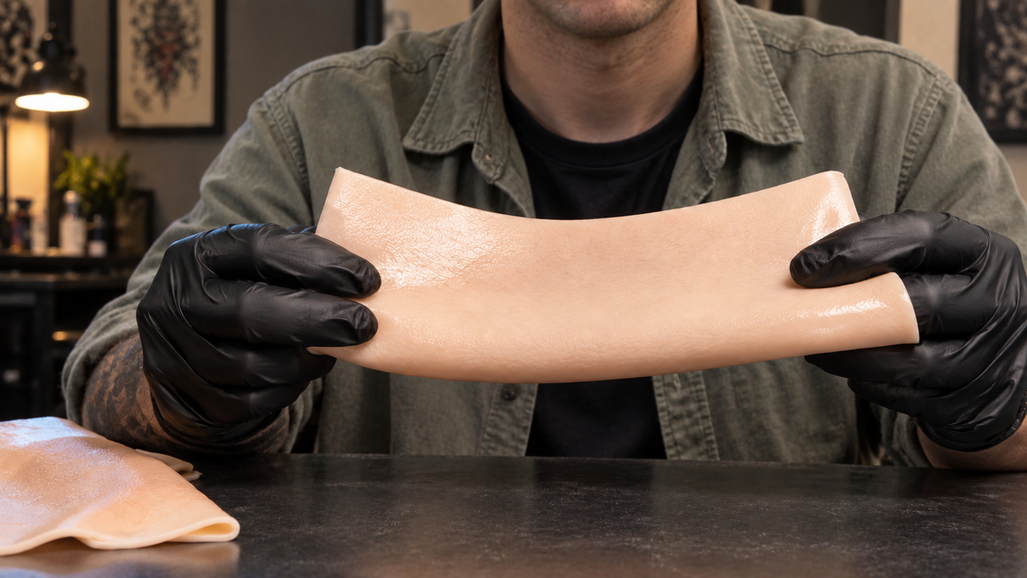
Fake skin can demand more effort because its density, stretch, and response to needles and ink differ from living tissue. Use it to build control, not to set pressure expectations for real skin.
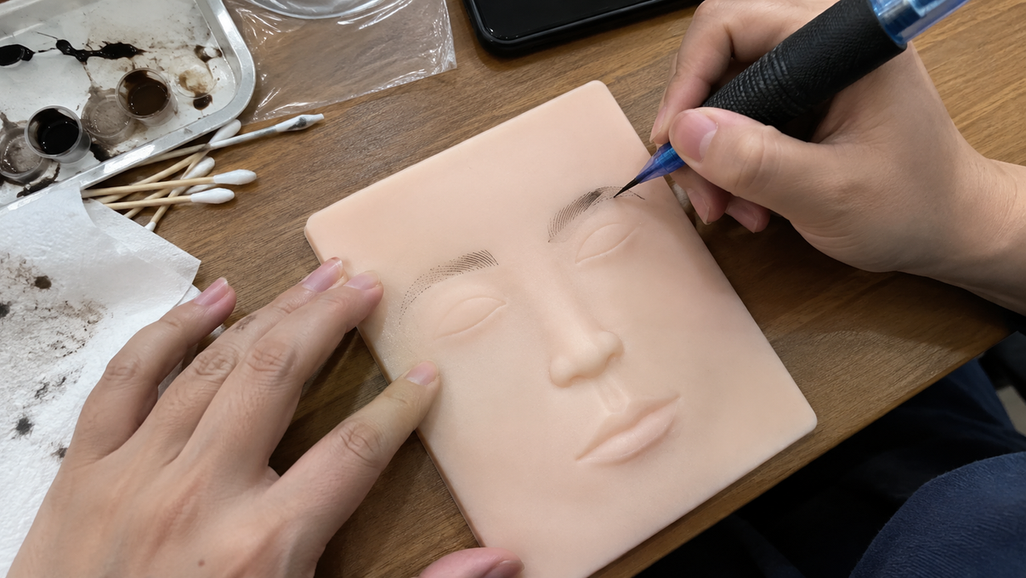
Tattoo Practice Skin vs. Real Skin: How Similar Do They Feel?
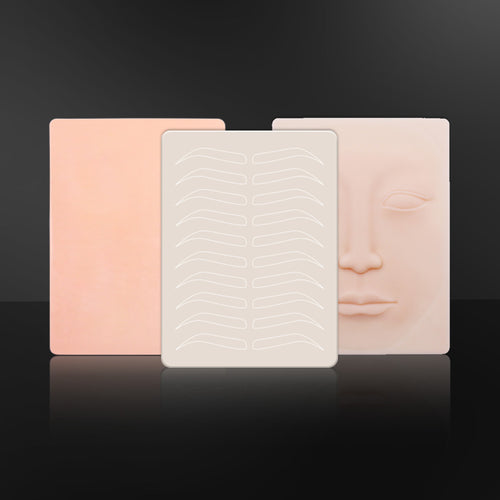
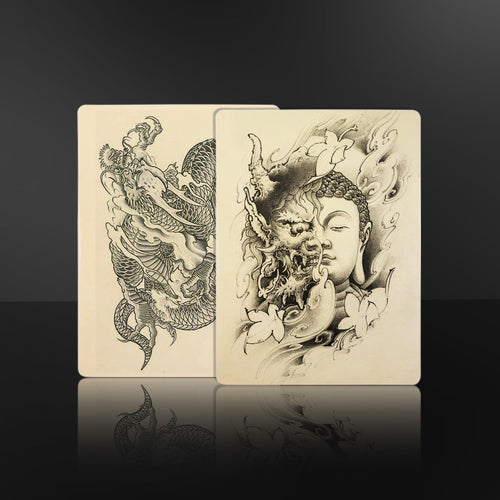
Good silicone practice skin can imitate the softness and stretch of living skin, but its resistance and rebound are more uniform. It is useful for repetition, not for proving that you are ready to ...
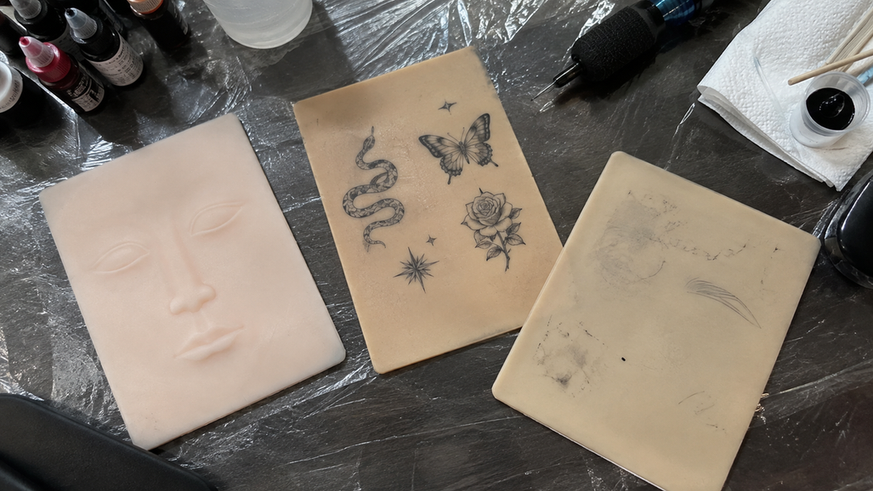
Silicone, Rubber, or Vinyl: Which Practice Skin Feels Most Like Real Skin?
A well-made silicone sheet is usually the most practical starting point, but compare each product's deformation, stretch, rebound, and surface consistency before choosing.
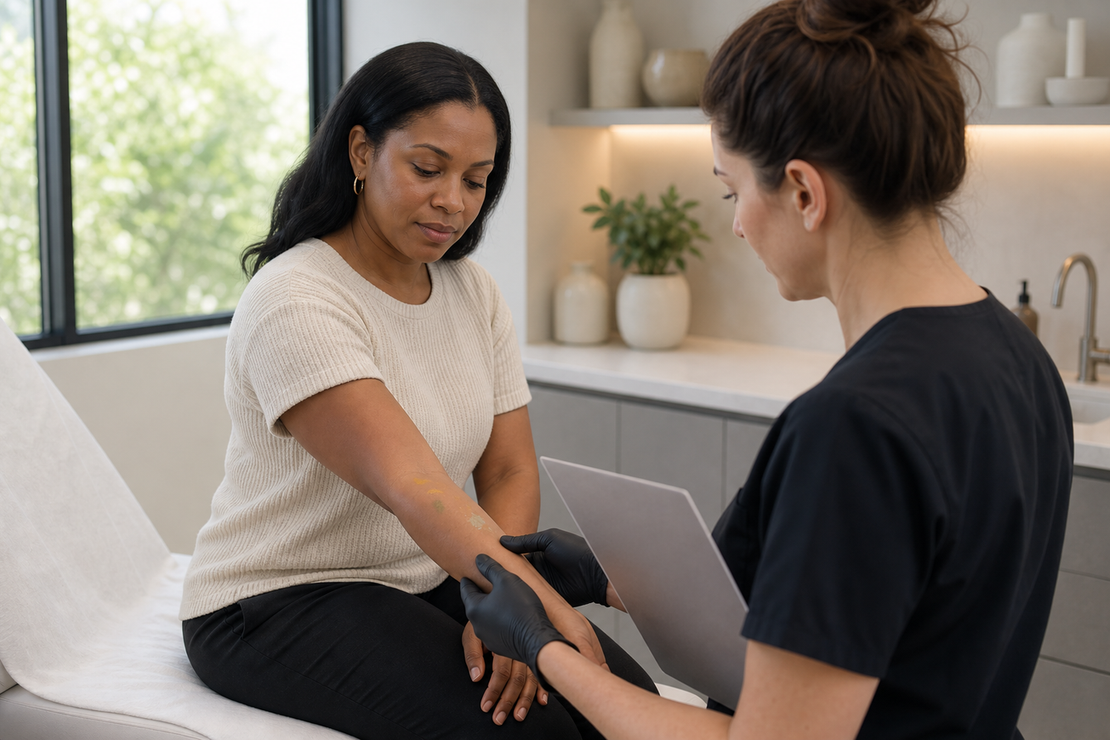
Yellow, Green and White Ink Removal Realities
Yellow, green, and white tattoo or PMU pigment should be treated as an individualized fading or correction decision not a promise of complete removal. Laser treatment breaks down pigment in the ski...
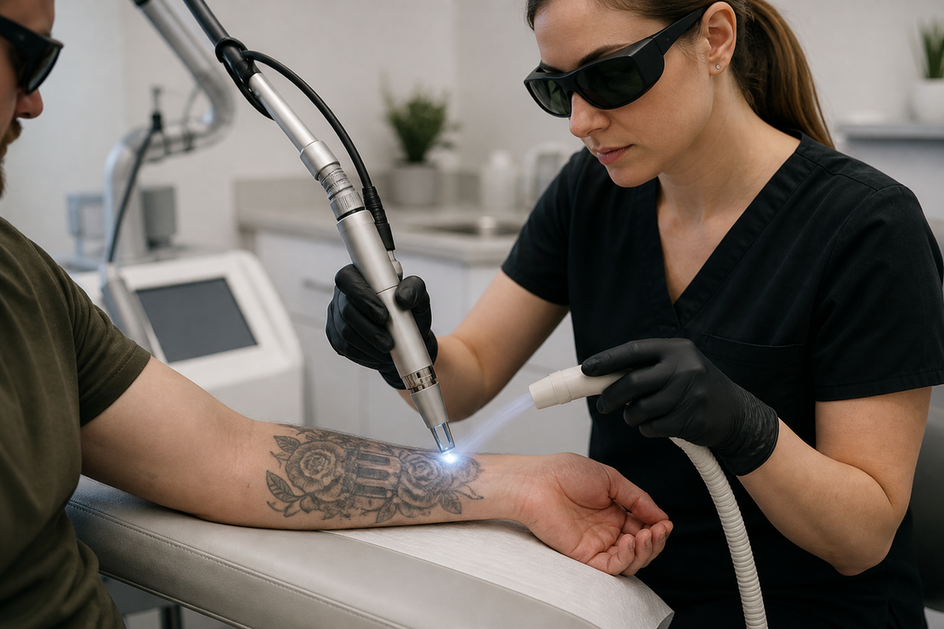
Skin Cooling Strategies During Laser Tattoo and PMU Removal
During laser tattoo or permanent makeup removal, clinician controlled cooling may reduce discomfort and support protection of the skin's outer layer. Cooling can be used before, during, or after la...
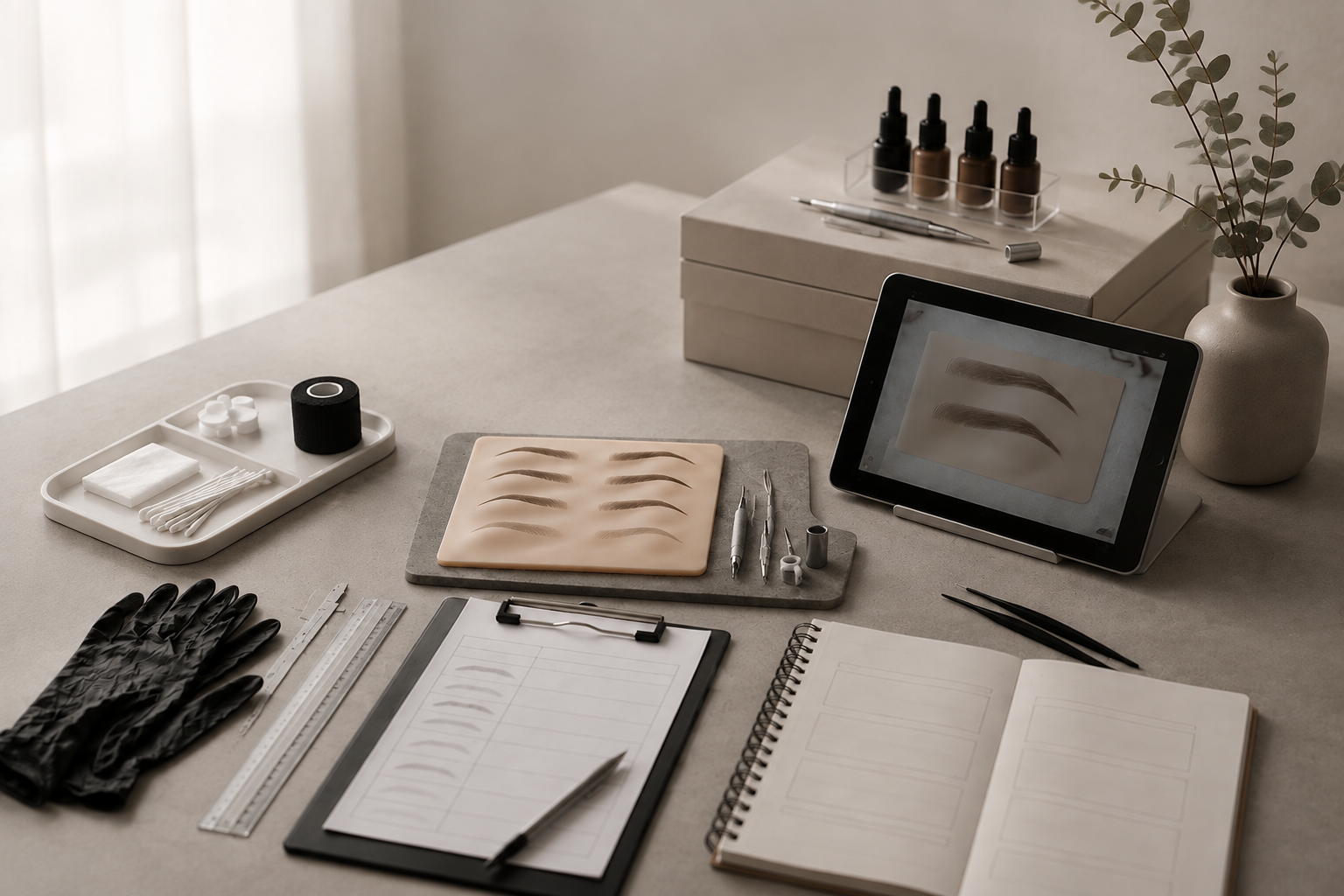
Turning a Failed Practice Case Into a Documented Learning Log
A failed PMU practice case becomes useful when you turn it into a dated evidence record: capture labeled images and settings, separate observations from possible causes, test one corrective change ...