





Does Microneedling Help With Large Pores? Results, Benefits, and What to Expect

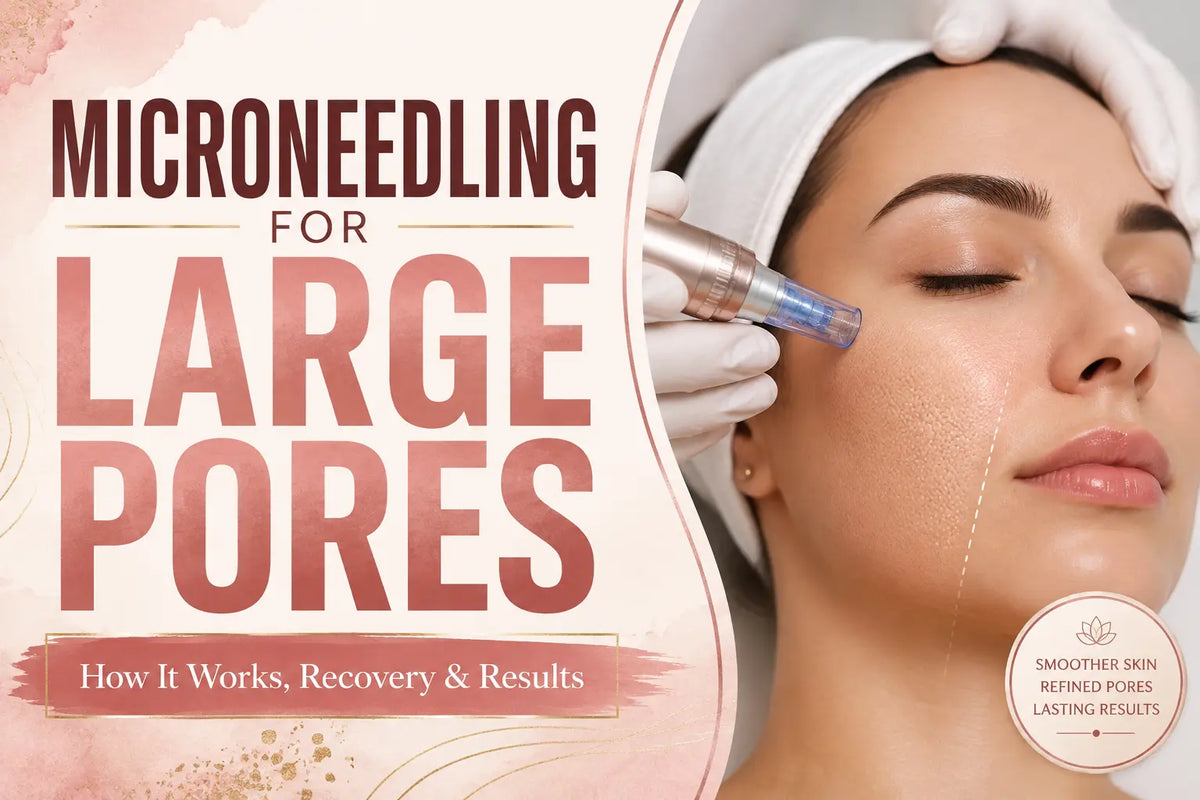
Struggling with large pores that topical skin products just cannot fix? Many people turn to microneedling when standard creams fail. While this treatment cannot permanently erase or shrink pores, it makes them look much smaller. By boosting collagen and smoothing skin texture, it tightens the surrounding tissue so your face looks firmer and more refined. Here is what you need to know about how the process works, the recovery timeline, and the results you can expect.
Why Do Large Pores Develop on Your Skin?
To find the right treatment, you must first understand why your pores get bigger. Several everyday factors, from your DNA to environmental damage, dictate how visible your pores become over time.
Genetics and Natural Pore Size
Your genes play a massive role in your skin characteristics. If your parents have prominent pores, you likely will too. Inherited traits like thick skin or a tendency toward oily patches directly influence the baseline size of your pores.
Excess Oil Production
Oily skin types are highly prone to noticeable pores. When your oil glands produce too much sebum, the fluid mixes with dead skin cells inside the pore. This buildup forms a plug, stretching the pore walls and making the openings look much wider than they actually are.
Aging and Collagen Loss
As you age, your skin naturally loses its structural support. The production of collagen and elastin slows down significantly. Without these firm proteins to keep the skin tight, the tissue around each pore sags, causing the openings to drop open and look larger.
Sun Damage and Skin Elasticity
Ultraviolet radiation from the sun breaks down the deep support structures of your skin. Chronic sun exposure weakens elasticity, which prevents pores from snapping back into shape. Using daily sun protection is a critical step in preventing further stretching.
How Does Microneedling Work for Texture?
This cosmetic procedure relies on your body's natural ability to heal itself. By creating tiny, invisible channels in the skin surface, the treatment restarts your skin's youthful renewal processes.
What Happens During a Microneedling Treatment?
During the session, a professional moves a device with sterile, fine needles across your face. These needles create controlled micro-injuries in the top layers of skin. Your body responds immediately by rushing blood, nutrients, and growth factors to the area to spark new collagen stimulation.
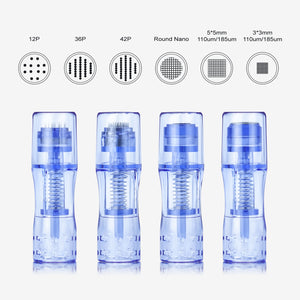
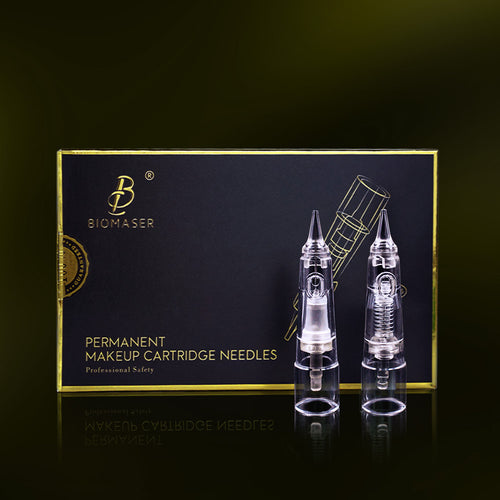
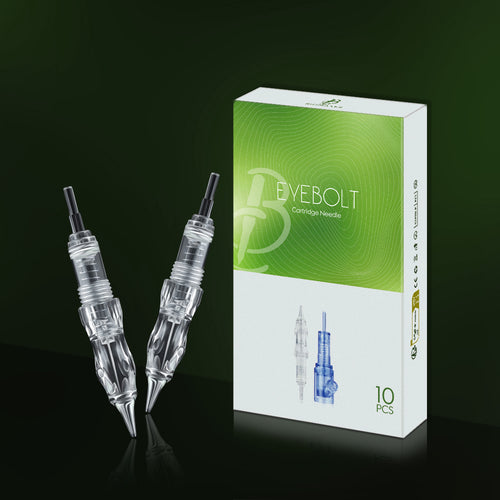
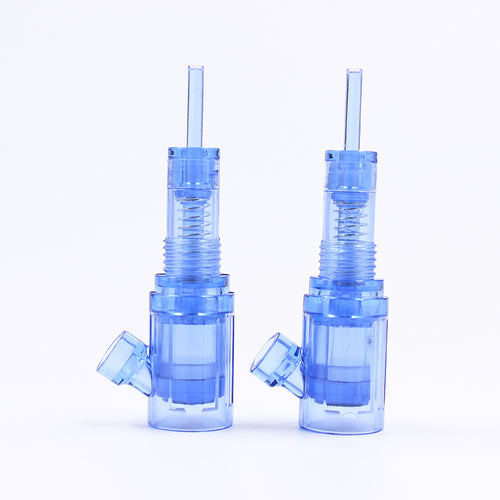
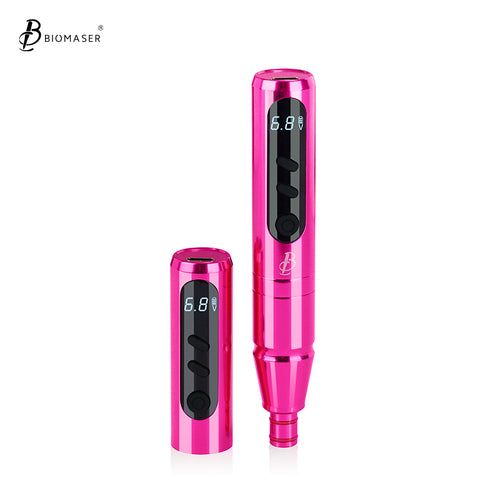
Biomaser MTS MicroNeedling Permanent Makeup Mesotherapy Needles
Why Collagen Remodeling Matters for Enlarged Pores
The new collagen plumps up the skin tissue directly surrounding each pore. As the skin becomes firmer and tighter, it squeezes the pore openings closer together. You get a significant skin texture improvement that creates the illusion of smaller pores, even though the actual pore structure remains the same.
Does Microneedling Actually Help With Large Pores?
Clinical evidence and patient feedback show that this therapy is highly effective for refining rough skin. It offers a reliable way to minimize the look of deep pores without harsh chemicals.
What Current Evidence Suggests
Clinical studies confirm that microneedling for large pores yields visible, lasting changes in skin smoothness. Patients notice a smoother surface after a series of visits. Understanding the benefits, risks, and aftercare of microneedling can also help you prepare for treatment. However, it is vital to know that pores do not vanish, as your skin needs them to sweat and release oil.
|
Expectation |
Reality |
|
Vanishing pores |
Pores remain open for skin health |
|
Permanent shrinkage |
Pores look smaller due to tighter surrounding skin |
|
Instant results |
Improvements appear gradually over several weeks |
Benefits Beyond Pore Appearance
The treatment offers a wide range of benefits for your face.
- It provides excellent acne scar improvement by breaking up tough scar tissue.
- It also reduces fine lines, fades dark spots, and enhances overall skin firmness for a fresher appearance.
Your microneedling results will appear gradually rather than overnight. The rate of improvement depends on your age, skin type, and how deep your pores are. Most people see the best changes after the skin completes multiple healing cycles.
What to Expect From a Microneedling Treatment (Step by Step)
Knowing what happens before, during, and after your session helps ease anxiety. The process is straightforward, predictable, and requires very little downtime for most individuals.
Before Your Appointment
Your visit starts with a thorough skin analysis. A provider reviews your health history, active skin issues, and medications. You will receive instructions to stop using strong retinoids, exfoliating acids, and avoiding direct sun exposure for a week prior to treatment.
During the Procedure
The provider cleanses your skin and applies a topical numbing cream to ensure your comfort. Once your face is numb, the needling begins. You will feel a vibrating sensation accompanied by light pressure or mild scratching, rather than sharp pain. The active needling takes about 20 to 45 minutes.
Immediately After the Session
Right after the treatment, your face will look red and feel warm, matching the sensation of a moderate sunburn. You might notice tiny pinpricks of blood or slight swelling. The provider will apply a soothing hyaluronic acid serum or a cooling mask to calm the irritation.
Recovery and Downtime
The healing timeline is short and manageable:
- Days 1–2: Redness, mild swelling, and skin tightness are normal.
- Days 2–4: The redness fades, but you may experience dry, flaking skin.
- Day 5 and beyond: Your skin returns to its normal color and texture starts to smooth out.
During the first few days, skip heavy workouts, swimming, makeup, and aggressive skincare products.
Safety, Side Effects, and Who Should Avoid Treatment
While the procedure is safe for most skin tones, it does carry some risks if performed incorrectly.
Common Temporary Side Effects
Most individuals experience minor side effects that disappear within a few days. These include temporary redness, light peeling, dry patches, and mild tenderness. Some people experience a minor breakout as impurities come to the surface.
Rare but Serious Risks
If you use unsterile equipment or practice poor microneedling aftercare, you risk infection, permanent scarring, or dark pigmentation marks. This highlights the absolute necessity of visiting an experienced professional who uses medical-grade, sterile tools.
Medical Conditions That Conflict With Treatment
Avoid this procedure if you have active cystic acne, open wounds, facial herpes, eczema, or psoriasis in the target area. Individuals who form raised keloid scars easily or those taking blood-thinning medications should avoid needling or seek direct medical clearance first.
Who Is a Good Candidate for Microneedling?
Most adults looking to improve their skin quality can safely try this option. It works well across different skin types, unlike certain laser treatments that carry pigment risks for darker skin tones.
People With Enlarged Pores and Uneven Skin Texture
If your main complaints are a rough skin texture, dullness, and stretched pores from aging or oil production, you are an ideal candidate. The treatment works best on mild to moderate structural issues.
Individuals With Acne Scars and Enlarged Pores
People dealing with old rolling or boxcar acne scars often have large pores too. This treatment tackles both problems at the same time by rebuilding the damaged collagen foundations beneath the scars and pores.
Who Should Postpone or Avoid Treatment?
If you currently have inflamed, red acne breakouts, you must wait. Running needles over active pimples spreads bacteria across your face, worsening your acne and increasing the risk of infection.
Professional Microneedling vs. At-Home Devices
It is tempting to buy a cheap roller online, but home tools differ greatly from clinical devices. The differences impact both your safety and the quality of your final results.
Professional Treatments
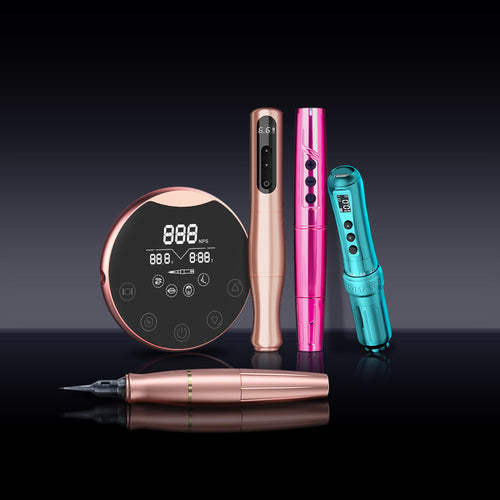
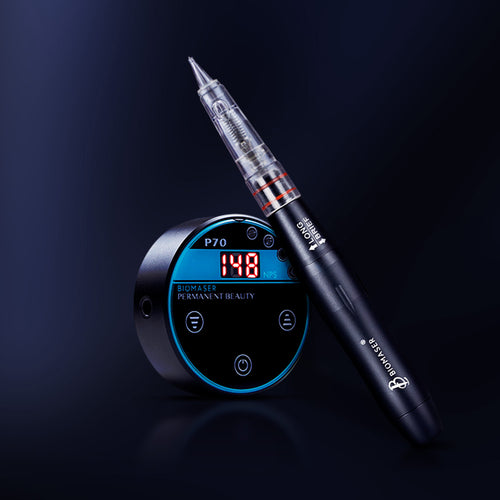
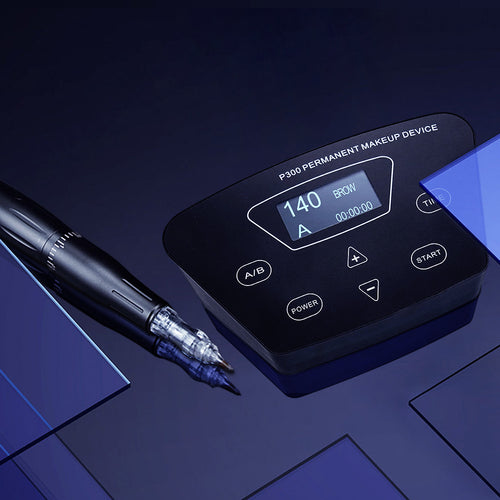
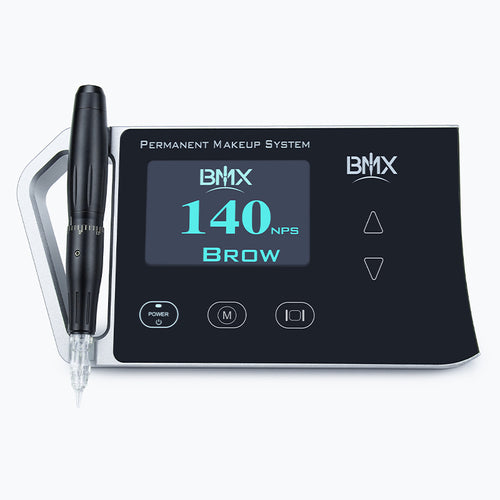
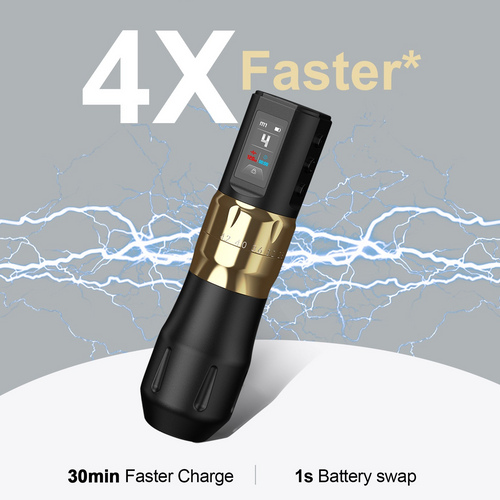
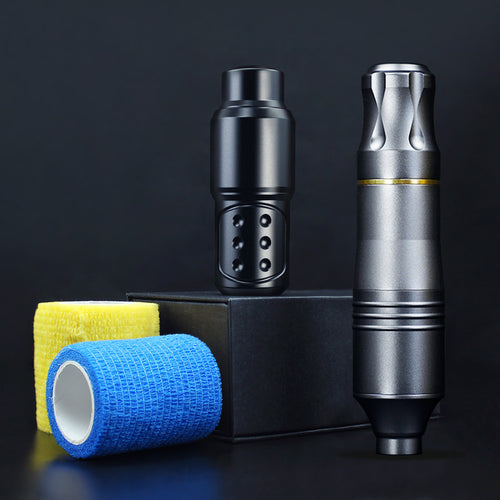
A professional microneedling session uses automated, motorized pens. A microneedling machine is one example of the equipment used for this type of treatment. Providers can adjust the needle depth up to 2.5 millimeters to target deep tissue. This provides safer, more uniform, and highly effective results.
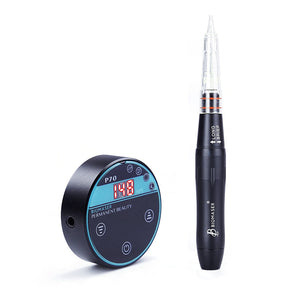
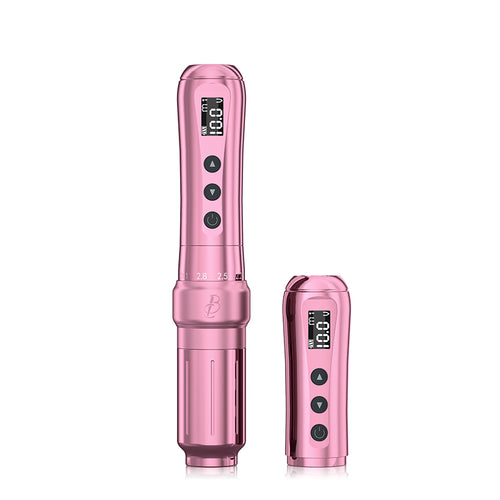
Biomaser P70 Mini Portable Permanent Makeup Eyebrow Tattoo Microblading Machine
At-Home Microneedling
Home rollers use short needles that enter the skin at an angle, which can tear the tissue and cause microscopic scratching. They only reach the very shallowest layers of your skin. While they help serums absorb better, they do not trigger enough collagen creation to fix large pores.
How to Maximize Pore-Refining Results With Skincare
What you do to your skin at home directly impacts how well your face heals. Combining your clinical treatments with targeted daily products preserves your new collagen and keeps pores clear.
|
Ingredient |
Purpose |
When to Use |
|
Salicylic Acid |
Clears oil out of pores |
Days after skin heals completely |
|
Retinoids |
Speeds up skin cell turnover |
Nighttime use only (after healing) |
|
Niacinamide |
Regulates daily oil production |
Every morning and night |
|
Broad-Spectrum SPF |
Protects new collagen structures |
Every single morning |
Always wear a broad-spectrum sunscreen every morning. UV rays destroy the fresh collagen your skin just built.
Keep your skin hydrated with gentle cleansers and oil-free moisturizers.
Once your skin completely heals, incorporate salicylic acid to keep pores free of oil, and use a retinoid at night to maintain rapid cell turnover.
Is Microneedling Worth Considering for Large Pores?
If you are looking for an effective enlarged pores treatment, this option is highly worth considering. It addresses the root cause of large pores by restoring the structural integrity of your skin rather than just masking the issue temporarily.
While it is not a magic fix that erases pores completely, it stands out as one of the best treatments for large pores available today. Pair your office sessions with a smart home skincare routine and sun protection to enjoy a smooth, glowing, and refined complexion for a long time to come.
FAQs About Microneedling for Large Pores
Q1. Can microneedling permanently shrink large pores?
No. Pores do not have muscles, so they cannot open or close permanently. The treatment makes them look smaller by tightening and plumping the surrounding skin tissue with new collagen.
Q2. How many microneedling sessions are needed to improve large pores?
Most patients require 3 to 6 sessions spaced about 4 to 6 weeks apart. The exact number of visits depends on your age, skin elasticity, and the depth of your pore concerns.
Q3. Is microneedling suitable for oily skin with enlarged pores?
Yes. It is excellent for oily skin because it improves the overall texture and firms the skin around stretched pores. However, you will still need targeted topical skincare to keep excess sebum production under control.
Q4. Is professional microneedling more effective than at-home devices?
Yes, clinical treatments are much more effective and safer. Professional devices reach deeper layers of the skin to trigger real collagen creation, whereas home rollers only treat the topmost surface and carry higher infection risks.
Q5. Does microneedling relate to medical permanent makeup?
While both use needles, they serve completely different purposes. The benefits of permanent makeup center around depositing pigment into the skin for cosmetic enhancement, like brows or lips. In contrast, microneedling is a pure revision therapy focused on structural skin health, scar reduction, and pore refinement.
