




How to Manage Scabbing and Itching After Permanent Makeup

Getting cosmetic tattooing can completely change your daily routine. Treatments like microblading, powder brows, lip blush, and permanent eyeliner help you look put-together without the daily hassle. While the final results are wonderful, your skin needs time to repair itself first. During the recovery period, you will experience some scabbing, flaking, and itching. These reactions are completely normal, but they require careful management. Taking good care of your healing skin ensures that the color stays in place and looks even. This manual explains how to handle these symptoms safely so you get the best possible results.
Why Scabbing and Itching Happen After Permanent Makeup
When you know why your skin forms crusts, you can better protect the fresh pigment.
What's the PMU Healing Process Look Like?
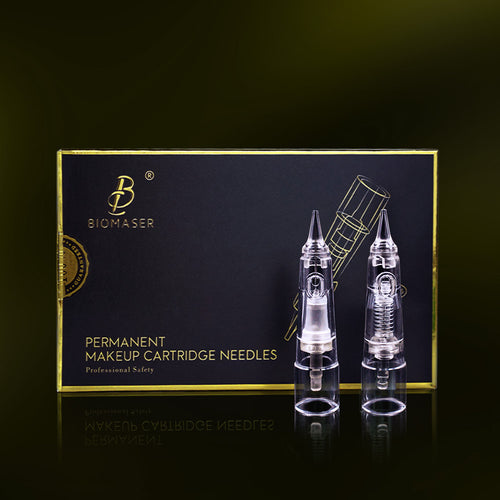
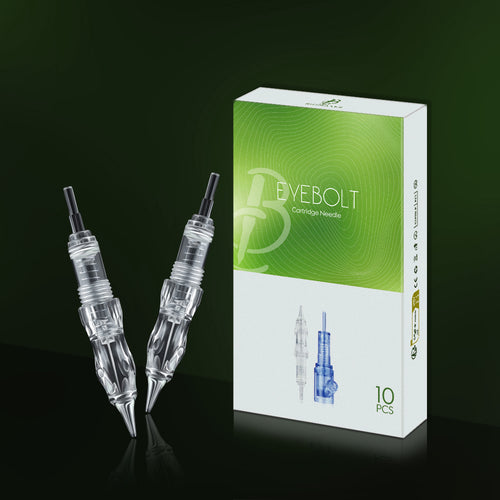
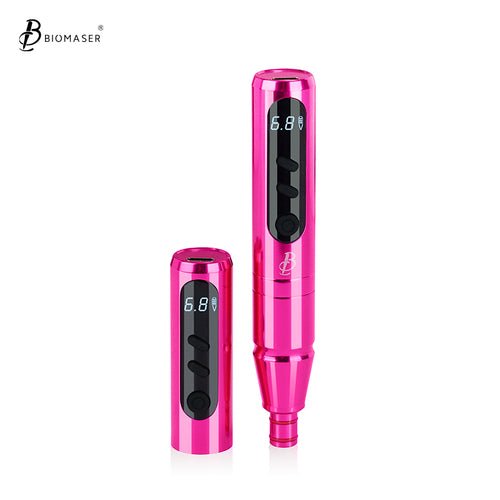
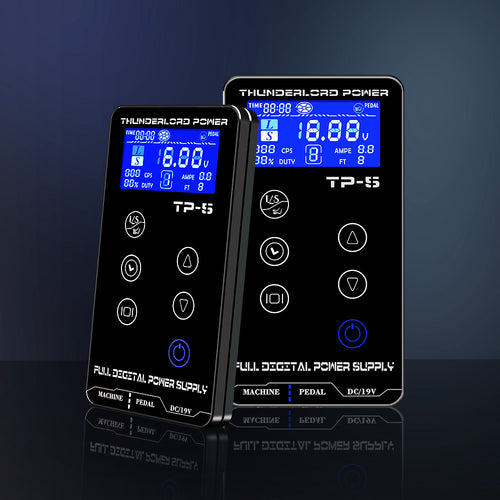
When you receive a cosmetic tattoo, the process uses specialized tools to place color under your skin surface. A technician uses fine PMU needles or a digital PMU machine to make thousands of tiny openings in the skin. These small punctures allow the color to sit in the upper layer of the dermis. Because these tools cause controlled micro-injuries, your body treats the area like a minor wound. Your immune system immediately starts to fix the skin. Plasma flows to the surface, which later dries out and creates a protective layer. This layer shields the delicate area from dirt and bacteria while new skin cells grow underneath.
When Scabbing and Itching Typically Occur
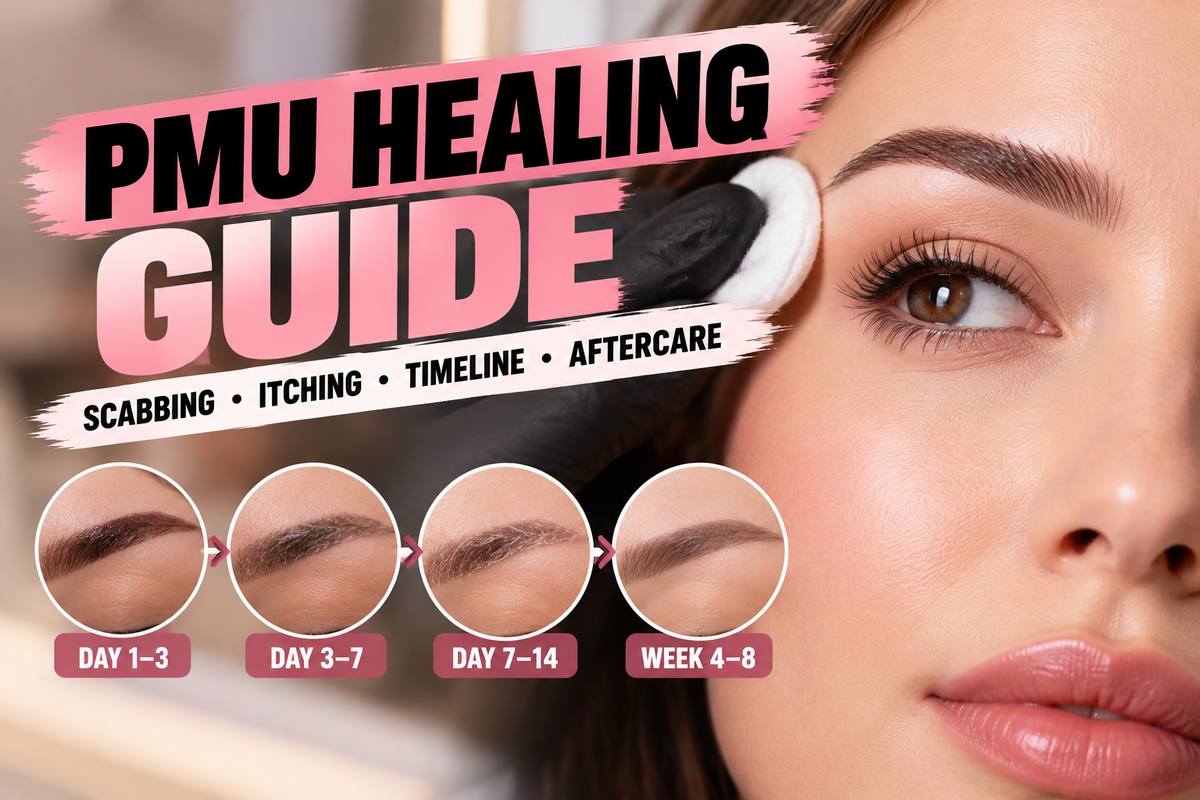
The recovery timeline moves through distinct stages over several weeks:
- Days 1–3: The treated area looks very dark and sharp. You might notice mild swelling, tenderness, and some clear fluid weeping from the skin.
- Days 3–7: The fluid dries completely, and scabbing and itching begin. The skin feels tight and dry.
- Days 7–14: This is the flaking and peeling phase. Pieces of dry skin drop off on their own, often making the tattoo look uneven.
- Weeks 4–8: The skin completely replaces itself. The color stabilizes, and the final results emerge clearly.
What Normal Scabbing and Itching Look Like
Learning the difference between healthy shedding and bad reactions keeps you from panicking.
Signs of Healthy Healing
- Healthy healing involves thin, light scabs or light flaking rather than thick, hard crusts.
- You will likely feel a mild to moderate itch that comes and goes throughout the day.
- The skin will feel temporarily dry, stiff, and tight when you move your face.
- As the dead skin cells shed gradually, the area will flake off in small pieces.
Why Your PMU May Look Darker Before It Looks Better
Your new makeup will go through major visual changes before it looks soft and natural. Right after the procedure, the color appears incredibly dark because the pigment is sitting on top of the skin and mixing with dried plasma. As scabs form, they trap this extra pigment, making the area look even darker and sometimes patchy.
After the flakes fall off, you might notice a "ghosting" phase where the color looks far too light or seems to disappear completely. Do not panic. The pigment is simply hidden beneath a new layer of healing skin and will reappear over the next few weeks.

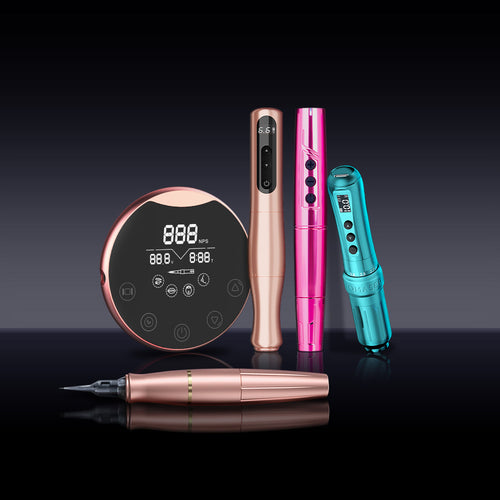
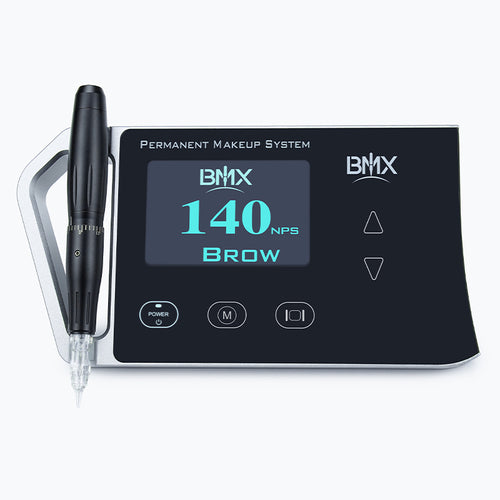
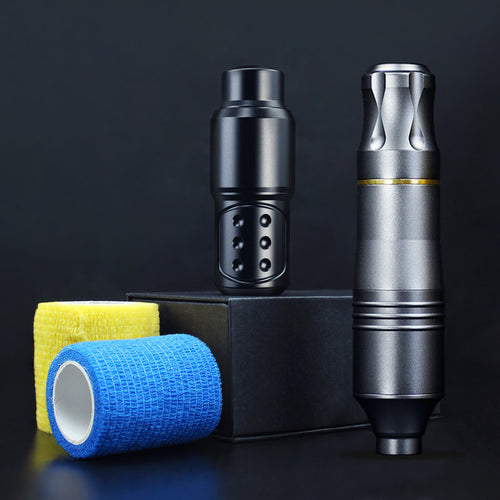
PMU Tattoo Machine Kit with CTGE004 Double Head for Universal Tattoo Cartridge Needle & BMX Screw Needle Thunderlord P90
How to Properly Manage Scabbing After PMU
Proper crust management involves keeping the area clean, avoiding moisture traps, and letting nature take its course. Wrong choices at this stage can pull the color right out.
Let Scabs Fall Off Naturally
You must let the dry skin drop off on its own. Pulling, picking, or peeling the flakes off prematurely can rip the pigment out of the deeper skin layers. This mistake causes uneven healing and patchy results, leaving blank spots in your makeup. Forcing scabs off also opens up the skin again, which introduces a risk of permanent scarring and deep infections.
Follow Your Artist's Cleaning Instructions
Keeping the area clean prevents bacteria from growing without washing away the pigment. Use gentle cleansing techniques, such as blotting the area lightly with a damp cotton pad and cool water. Clean the area exactly as often as directed, taking care not to over-wash or soak the skin. Always wash your hands thoroughly with soap and warm water before touching the treated area.
Avoid Activities That Can Worsen Scabbing
Certain everyday habits can ruin your results by softening or irritating the scabs:
- Excessive sweating: Heavy workouts push sweat through your pores, which lifts the pigment.
- Swimming and hot tubs: Soaking in water introduces chemicals and bacteria while softening the scabs too early.
- Saunas and steam rooms: Hot moisture opens the pores and causes the color to blur.
- Direct sun exposure: Ultraviolet rays fade the fresh pigment and burn the delicate skin.
Moisturizing and Healing Ointments
Different professionals recommend either a dry healing or a wet healing approach. Dry healing means letting the skin stay completely dry without products, while wet healing involves applying a tiny layer of ointment. Only use the specific PMU products provided or approved by your technician. Applying too much ointment blocks oxygen from reaching the skin, which slows down the recovery process and turns the scabs mushy.
How to Relieve Itching Without Damaging Your PMU
Itching can try your patience, but you can soothe the skin without ruining your investment. Simple changes to your daily environment can bring immediate relief to tight skin.
Resist the Urge to Scratch
Itching is a positive sign that your nerves are recovering and your skin is closing up. Scratching the area with your fingernails can easily remove the protective scabs and ruin the design. Remind yourself that the discomfort is temporary and shows your body is doing its job correctly.
Safe Ways to Reduce Itching
When the itching becomes annoying, you can use safe methods to calm the skin:
- Apply a paper-thin layer of your recommended PMU aftercare ointment to soothe irritation.
- Keep your body hydrated by drinking plenty of water.
- Avoid irritating skincare products like makeup, perfumes, or heavy anti-aging creams near the area.
- Maintain a cool, comfortable indoor environment with a humidifier to stop your skin from drying out.
Managing Tightness and Dryness
The skin often feels tight because the superficial layers are dry and stretching over new cells. You can balance this moisture by applying a very small amount of ointment without oversaturating the tissues. Strictly follow the aftercare protocol provided by your artist to keep the skin flexible without making it greasy.

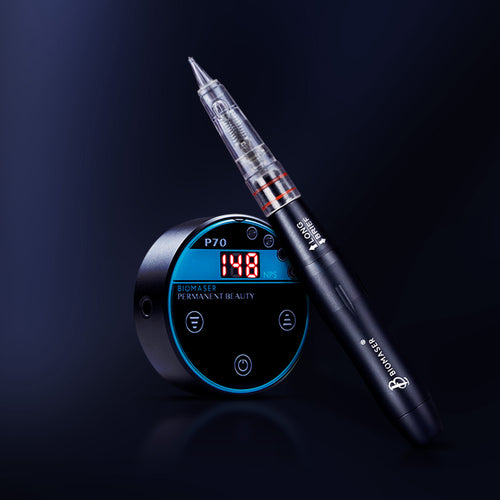
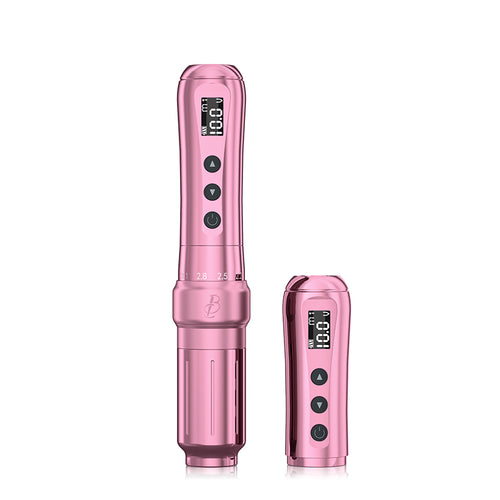
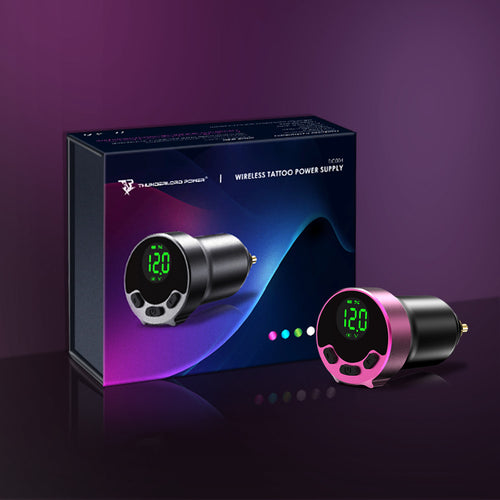
Biomaser TP006 Wireless PMU Machine
Common Mistakes That Can Make Scabbing and Itching Worse
Many people accidentally slow down their own recovery by using wrong products or working out too early. Staying aware of these mistakes protects your facial investment from damage.
Picking, Peeling, and Scratching
Touching the healing skin is the most frequent mistake people make. Ripping off a scab pulls the color right out of the skin, leading to poor pigment retention. It also creates open micro-wounds that let environmental germs enter, increasing your infection risk.
Over-Cleansing the Area
While cleanliness is vital, excessive washing strips away the natural oils that protect your skin. Scrubbing or washing the area too many times a day irritates the healing tissue and causes heavy, dry crusting.
Using Unapproved Products
Keep your usual beauty products away from the treated zone. Harsh exfoliants, scrubs, and washcloths will tear the skin. Active ingredients like retinol, glycolic acid, and salicylic acid speed up skin shedding and will bleach out the pigment. Heavy creams can clog the area and trap heat.
Returning to Exercise Too Soon
Working out raises your body temperature and causes sweat to pool around the tattoo. The friction from moving or wiping your face will pull at the scabs. Waiting until all scabbing resolves completely is recommended to preserve the crisp lines of your makeup.
When Scabbing or Itching May Signal a Problem
Though discomfort is expected, you must know how to identify actual medical trouble. Early discovery of an issue prevents long-term health problems and protects your appearance.
Signs of Possible Infection
Normal healing causes discomfort, but an infection requires immediate medical attention. Watch for excessive redness that spreads outward from the tattoo. Other warning signs include increasing pain, heat radiating from the skin, yellow or green discharge, and persistent swelling that gets worse after the third day.
Signs of An Allergic Reaction
Sometimes the skin reacts poorly to a pigment or aftercare cream. An allergic reaction usually looks like a raised red rash or bumpy hives. You might also experience severe, non-stop itching that continues long past the normal one-week healing period.
When to Contact Your PMU Artist or Healthcare Provider
Pay attention to how your body feels each day. If your symptoms worsen instead of improve over time, call your technician for advice. For serious issues like extreme pain, spreading redness, or fluid drainage, contact a healthcare provider immediately.
Tips for Promoting Faster and Healthier PMU Healing
Helping your body recover from the inside out makes the entire process smoother. Simple lifestyle habits can actually speed up skin repair and improve color retention.
Stay Consistent With Aftercare
The way you treat your skin at home determines how the tattoo looks in the end. Follow your artist's directions exactly every day, even when the skin looks strange or flaky. Make sure to attend your scheduled touch-up appointments, as these visits fix any minor imperfections from the flaking phase.
Support Healing From Within
Your body needs energy and nutrients to repair skin cells effectively. Drink plenty of water throughout the day to keep your tissues hydrated from the inside out. Eat a balanced diet rich in vitamins and protein, and get adequate sleep every night to help your immune system work efficiently.
Be Patient With the Healing Timeline
Realize that true recovery takes time. The surface skin flakes off quickly, but the deeper layers need over a month to mend completely. Your final color and texture will develop slowly, so avoid judging the results until the full eight weeks have passed.
Master Your Aftercare for Flawless Permanent Makeup
Expect some flakes and tickles as your skin mends. This is simply your body protecting the fresh color. Protect your investment by staying calm, keeping your hands away, and washing gently. Leaving the flaking skin alone guarantees rich, solid pigment. Your dedication during these critical weeks will pay off with beautiful, effortless daily makeup. Keep up the great work and enjoy your new look!
Frequently Asked Questions About How to Manage Scabbing and Itching
Q1. Is scabbing normal after permanent makeup?
Yes. Light scabbing or flaking is a common part of the healing process and typically begins within the first week after treatment.
Q2. How long does itching last after PMU?
Most itching occurs between days 3 and 10 and gradually improves as the skin heals and flakes naturally.
Q3. What happens if I accidentally pick a PMU scab?
Picking can remove pigment, create uneven healing, increase infection risk, and potentially lead to scarring.
Q4. When should I worry about scabbing or itching after PMU?
Seek professional advice if you experience severe pain, worsening redness, excessive swelling, unusual discharge, or symptoms that persist longer than expected.
