










Why Is Ink Getting Inside My Tattoo Machine Grip?


Ink can get inside a tattoo machine grip during removal of a used cartridge, or through backward leakage when the cartridge's fluid barrier is absent, damaged, or not sealing effectively. Start with where the ink is and when you first noticed it: a fresh smear during removal may be changeover residue, while ink already behind the cartridge raises concern about a seal problem. Keep affected equipment out of use while you get the appropriate handling advice.
Use the location, timing, and cartridge condition together. These three observations help separate a changeover smear at the opening from a possible leak farther behind the cartridge, and give the manufacturer a useful starting point if inspection is needed.
Ink can enter the grip during a cartridge change

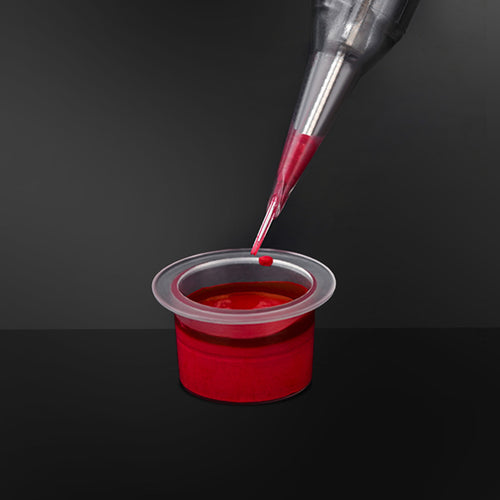
A used cartridge contains residual ink. During removal, that ink can run into the opening where the cartridge sits. The first useful question is whether the ink was already visible before you moved the cartridge, or appeared as you pulled it out.
During a cartridge change, switch off the machine and use the release method for your model. Hold the cartridge by its housing, away from the needle tip and locking connector, and watch the opening as the cartridge comes free. Note whether a fresh streak appears at that moment.
Consider this illustrative example: you finish a pass, switch off the pen, and notice a fresh streak at the cartridge opening as you withdraw the used cartridge. Residual ink entering during removal is a reasonable possibility.
Compare that fresh streak with any residue you could see before removal. If the cartridge hid the area, record the timing as unknown. Distinguishing “already visible,” “appeared during removal,” and “first visible afterward” makes the observation useful without treating each as the same event.
Ink behind the cartridge can also point to a seal problem
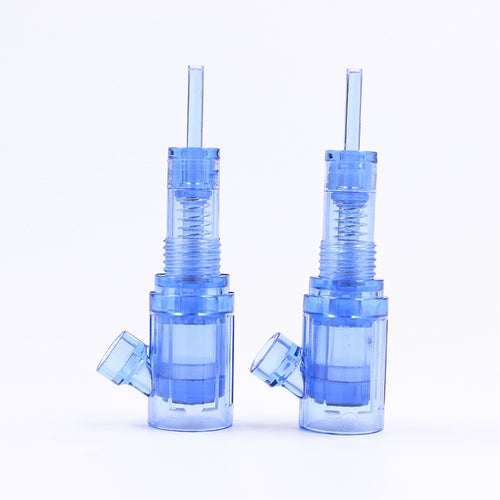
A membrane cartridge has a barrier intended to keep ink and body fluids from moving backward toward the grip and machine. If that barrier is missing, torn, or not sealing effectively, backward leakage becomes a concern.
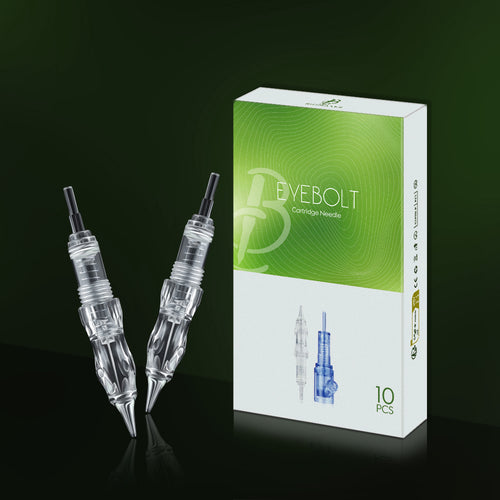
For fine-line tattoo or PMU work, Biomaser Pinky Pro 1R cartridges incorporate a full safety membrane designed to help prevent ink backflow toward the machine. The membrane provides separation along the backward fluid route discussed here. This makes it a relevant feature when choosing a single-needle round liner for a compatible rotary pen, alongside the needle diameter needed for the work.
Ink already visible behind the cartridge before removal is therefore a different clue from a streak first noticed during a change. So is ink visible deeper in the pen. Neither observation identifies the exact failed part on its own, but both deserve equipment-specific attention.
Other handling routes can also matter. Ink or rinse fluid may reach the grip if the cartridge is dipped too deeply. Cartridge changes and deep dipping are among the reported routes for grip contamination. If the grip opening was submerged, tell support that directly rather than describing the event only as “backflow.”
If needle movement became weaker or stopped at the same time you noticed ink, include both observations in your report. Record the order of events: whether the movement changed first, whether ink was visible before the change, and whether the cartridge had already been moved. These details help support review the mechanical symptom alongside the fluid location.
Use the observations already available rather than running a used cartridge to reproduce the problem. The location checklist below helps organize that evidence for the next step.
The location of the ink changes what you can conclude
“Ink in the grip” can describe several different places. Identify the one you can actually see:
- On the outside of the grip: external soiling does not establish that ink passed backward through the cartridge.
- Around the cartridge opening or inside the removable grip: ink is inside that area, but its presence alone does not distinguish changeover residue from leakage during use.
- Farther behind the cartridge, toward the drive or motor area: the concern extends beyond the cartridge opening. Keep the affected machine out of use and ask for its inspection or service instructions.
Do not open a sealed housing to discover how far the ink went. Describe only the areas visible through the normal inspection or removal steps permitted for your model.
If more than one cartridge was used, note that too. A mark found at the end of the session may not be traceable to the last cartridge. Likewise, a previously used grip with an uncertain cleaning history gives you less information than a grip whose condition was known before the session. These details explain why a photo of a stain is rarely enough to identify one cause.
What to tell the manufacturer about the ink
Before cleaning away the evidence, note the machine and grip model, cartridge type and lot, the exact location of the ink, and when you first saw it. Add whether needle movement changed and whether the cartridge or grip opening was dipped into ink or rinse fluid. Take a photo if you can do so safely without further handling the used needle.
You could describe it in plain language:
I found ink inside the cartridge opening after removing a used cartridge. I did not see it before removal, and I cannot tell whether it reached farther into the pen. The machine is [model], the grip is [type], and the cartridge is [type/lot]. What inspection and handling do you recommend for this location?
If you saw a tear or ink farther back, replace the wording with that specific detail.
Frequently asked questions
Can ink get into the grip even when I use membrane cartridges?
Yes. Residual ink can enter during removal, and other handling routes may be involved. A failed or ineffective seal is another possibility, so the presence of a membrane does not identify the cause of the ink you found.
Does normal needle movement after changing the cartridge prove the old membrane broke?
No. It tells you the movement changed after replacement, but does not establish why. Report that change alongside the ink's location and timing rather than treating it as a confirmed membrane diagnosis.
