





Membrane vs. Non-Membrane Tattoo Cartridges: What's the Difference?


The main difference is the barrier against fluid moving backward toward your tattoo machine: a membrane cartridge has one; a non-membrane cartridge does not. To choose between them, first check your machine instructions for a protective-membrane requirement. If one is required, use that design; if the instructions are unclear, get model-specific guidance before using a non-membrane cartridge.
What the membrane changes about backflow
A membrane is a flexible barrier inside the cartridge. When effectively sealed, it can prevent ink and blood from passing backward into the grip and machine body. This backward movement is called backflow. A public-health needle cartridge systems fact sheet identifies the safety membrane or barrier as the backflow-prevention feature and notes that cartridges without one may allow fluid into the grip and machine. Compare the stated fluid-barrier feature when reading product descriptions.
| Question | Membrane cartridge | Non-membrane cartridge |
|---|---|---|
| Does it include a membrane barrier? | Yes | No |
| What separates cartridge fluid from the grip and machine? | An effective membrane seal can block backward fluid transfer | No membrane provides that separation; any other protection must come from the particular system design |
| Does needle retraction prove there is a fluid barrier? | No; retraction alone does not establish a seal | No; a needle can retract without a membrane |
| Can it replace the other design automatically? | Follow the machine's stated cartridge requirements | Do not substitute it where a protective membrane is required |
Needle return and fluid isolation are different functions. A needle can retract through a membrane, magnet, or another mechanism. Seeing the needle return into the tip therefore does not tell you whether fluid is isolated from the machine.
A non-membrane cartridge lacks the membrane's barrier. That does not establish that every use will produce visible leakage, but you should not assume it provides the same separation. Likewise, the word “membrane” alone does not establish that a cartridge is effectively sealed.
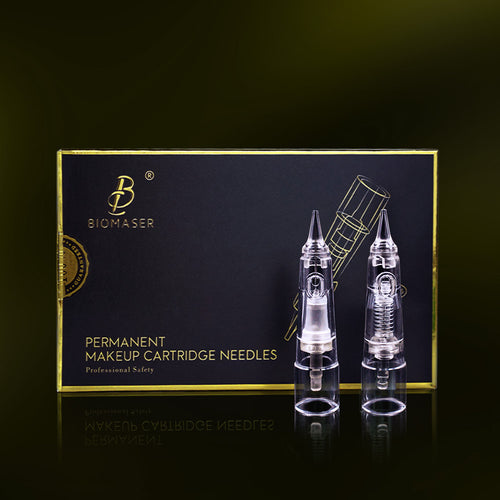
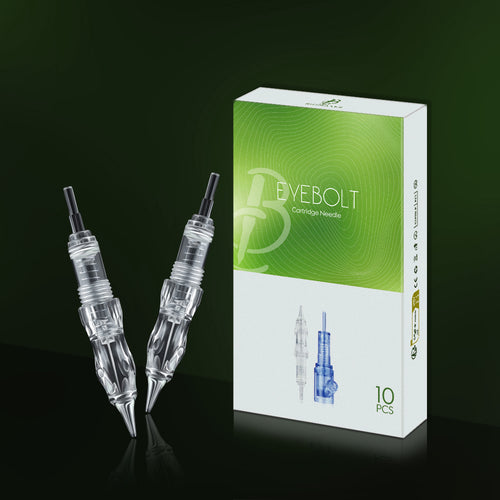
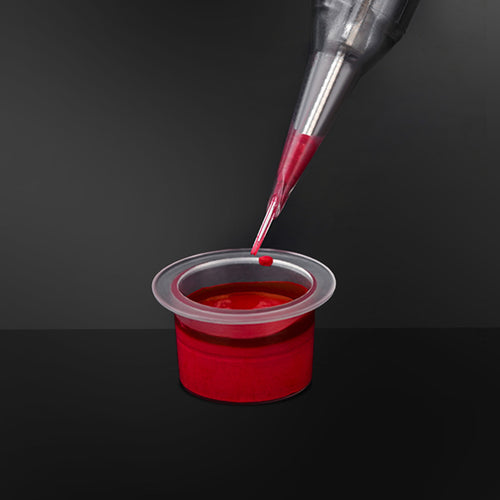
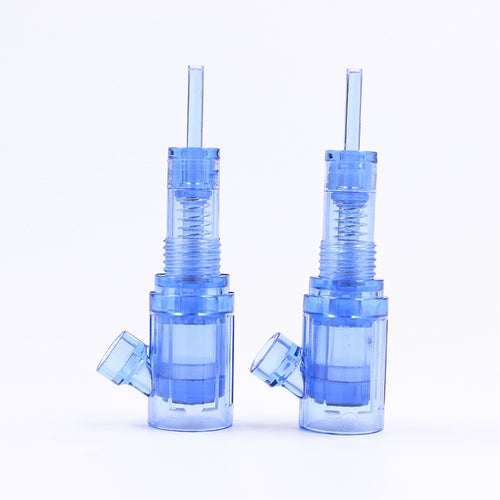
For fine-line or detail work, Biomaser Pinky Pro 1R cartridges offer a single-needle round liner option with a full safety membrane designed to help prevent ink backflow toward the machine. They are disposable cartridges for tattoo and permanent makeup work.
Check the membrane requirement for your machine

Use the instructions for your exact machine model. Look under cartridge requirements, safety precautions, and cleaning instructions for terms such as “protective membrane,” “safety membrane,” or “backflow protection.” Some machines require cartridges with safety membranes, so this is a condition of use rather than a preference about needle feel.
If a protective membrane is required, choose a cartridge with that feature. A cartridge that inserts and runs still fails this requirement if it has no membrane.
If non-membrane cartridges are explicitly permitted, check which component provides fluid separation and follow the conditions attached to that setup. Record the compatible cartridge types alongside the machine model so the permission stays tied to the configuration you are choosing.
If the instructions do not address membranes, ask the manufacturer: “Does this exact model require a sealed protective membrane in the cartridge? If non-membrane cartridges are permitted, which part provides fluid separation?” Include the cartridge type you want to use so the reply answers the actual choice in front of you.
For an illustrative example, suppose your manual requires a protective membrane, but a cartridge's only stated feature is needle retraction. That description does not establish the required fluid barrier. Choose a cartridge explicitly identified as having the required membrane instead.
Before buying, bring three details together: the cartridge's stated membrane feature, your machine's cartridge requirements, and the needle configuration needed for the work. A description that answers all three makes the choice clearer than a membrane label on its own. Keep the machine's normal care instructions with that setup; the comparison here is about choosing the cartridge design.
FAQs
What is the main difference between membrane and non-membrane tattoo cartridges?
A membrane cartridge includes a membrane barrier that, when effectively sealed, can prevent ink and body fluids from moving backward into the grip and machine body. A non-membrane cartridge lacks that membrane barrier. The presence of a membrane alone does not establish an effective fluid seal.
Does needle retraction prove that a tattoo cartridge has a fluid barrier?
No, needle retraction can use a membrane, magnet, or another mechanism. Seeing the needle retract therefore does not establish that the cartridge seals fluid away from the grip and machine.
How do you choose between membrane and non-membrane cartridges for a tattoo machine?
Check the instructions for your exact machine model and use a membrane cartridge if a protective or safety membrane is required. If non-membrane cartridges are explicitly permitted, follow the stated conditions for fluid separation. If the requirement is unclear, send the manufacturer your machine model and intended cartridge type to confirm the combination.
