









What Should I Do If a Tattoo Cartridge Membrane Breaks Mid-Session?


Stop using the cartridge and switch off the machine if its membrane breaks or you have good reason to suspect a rupture. Keep the affected grip and machine out of use while you assess possible contamination. A fresh cartridge replaces the failed part; it does not tell you whether the equipment behind it is ready to use again.
The membrane is the barrier inside the cartridge that helps keep ink and body fluids from moving backward toward the machine. Once that barrier may have failed, the immediate job is to handle the cartridge safely and establish what else needs attention.
Stop the machine and separate the suspect cartridge

Pause the tattoo or PMU work and let the client know there is an equipment problem. Switch off the machine before changing the cartridge. Keep the affected setup separate from clean equipment rather than setting it beside unopened supplies.
Remove the cartridge using the release method specified for your grip and cartridge. Hold the cartridge housing, avoiding the needle tip and the connector that locks into the grip. Take care that residual ink does not run into the grip as you remove it, and keep the sharps container within reach for disposal.
Do not keep running the suspect cartridge to see whether it recovers. Do not press the needle out, open the cartridge, or attempt to repair the membrane. A damaged cartridge should not remain in use. Put the used cartridge in the appropriate sharps container; do not leave it loose on the work surface for later inspection.
If a needlestick or blood/body-fluid splash also occurred, follow the CDC's immediate exposure steps: wash punctures with soap and water, flush affected skin or mucous membranes, irrigate eyes, report the exposure, and seek prompt medical assessment. Otherwise, continue with the equipment check below.
Check where contamination may have reached
Look at the areas you can inspect without opening the motor housing: the cartridge opening, the removable grip where applicable, and any visible area behind the cartridge. Record whether you see ink and exactly where it is. Follow the machine's instructions for any permitted disassembly; do not take the pen apart just to investigate.
Check the grip and the machine side as separate areas. Tell the dealer or manufacturer where residue is visible so the inspection or cleaning advice covers the affected component. Keep a short location record: cartridge opening, inside the removable grip, or farther back toward the drive. This makes the next handling step more specific than simply reporting a broken cartridge.
If ink is visible deeper inside the machine, keep it out of service and describe that location to the manufacturer. Do not pour disinfectant into the opening or assume that the whole pen can go into an autoclave. A removable grip and a motor unit can require different handling.
If you cannot see ink, report that observation too. A visual check alone cannot establish that no fluid passed the failed barrier. The cartridge fault still needs to be resolved using the applicable equipment instructions.
Record the incident before contacting support
Give support enough detail to distinguish the failed cartridge from the equipment it was attached to. Record the machine and grip model, cartridge brand and configuration, and the lot number from its packaging. Note what you observed first: a visible tear, a change in needle movement, ink inside the grip, or another sign.
Photograph visible residue only if you can do so without further handling the used needle or contaminating clean items. Keep the packaging for the lot details. If support wants the used cartridge returned, ask for its approved containment and shipping procedure rather than retrieving it from a sharps container.
For example, an illustrative support message could read:
I stopped using this machine after a suspected cartridge membrane rupture during a session. The machine is [model], the grip is [model/type], and the cartridge lot is [lot number]. Needle movement slowed, and I saw ink inside the cartridge opening after removal. The affected equipment is out of use. What inspection or service is needed before the grip and machine can be used again?
Change the details to match what actually happened. “Ink was visible at the cartridge opening” is more useful than “the entire machine is contaminated” when you have not established how far it reached.
Decide whether the session can continue

Do not restart with the affected machine simply because a new cartridge moves normally. Normal movement does not answer the contamination question.
Continuing requires a separately prepared setup that is suitable for use under its own instructions and the studio's hygiene procedure. That includes the machine, grip, fresh sterile cartridge, and any barriers or supplies affected during the interruption. Complete the required glove change and hand hygiene before handling the prepared setup.
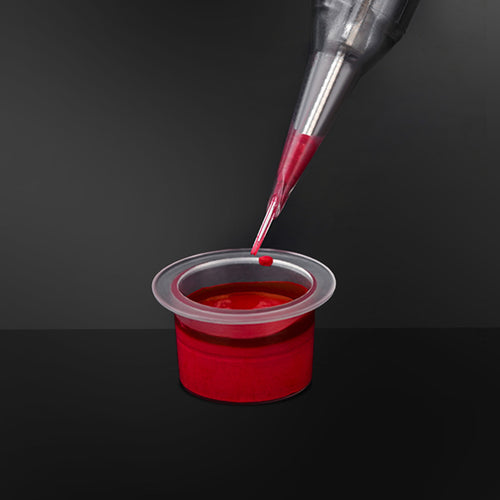
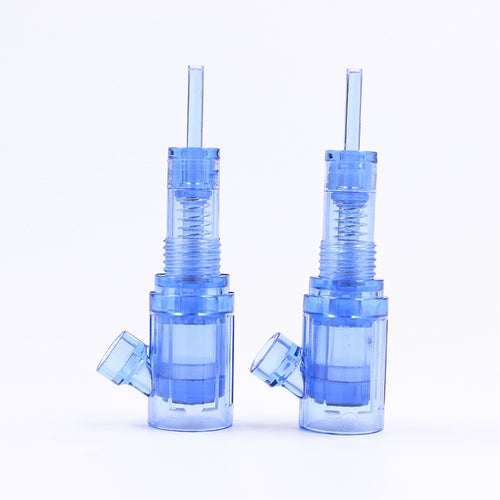
If the work calls for a single-needle round liner, Biomaser Pinky Pro 1R cartridges provide a fresh replacement option for a compatible rotary tattoo or PMU pen. Each cartridge is EO gas sterilized for single use and incorporates a full safety membrane designed to help prevent ink backflow toward the machine. This brings a sterile replacement needle and a membrane barrier into the prepared setup for fine-line or detail work.
If you have a suitable spare setup, have addressed any exposure concern, and can re-establish the required conditions for treatment, assess whether you can continue under that procedure. If those conditions are not in place, pause the session and arrange a follow-up with the client. Record which setup is being used and keep the affected equipment identified for the service follow-up.
Keep the affected equipment out of circulation until the manufacturer's inspection, cleaning, or service instructions have been completed. If the advice covers only the grip, ask specifically what should happen to the machine behind it before putting that machine back into use.
Frequently asked questions
Do I need to stop if the membrane may have broken but I cannot see ink?
Yes. Stop using the suspect cartridge and follow the applicable fault instructions. No visible ink is a useful observation, but it does not clear the grip or machine after a suspected barrier failure.
Can I repair the membrane and keep using the cartridge?
No. Do not continue using a damaged cartridge or try to repair it. Dispose of it as a used sharp and resolve the condition of the affected equipment separately.
