







Structured Self-Study Plans Between Live PMU Trainings

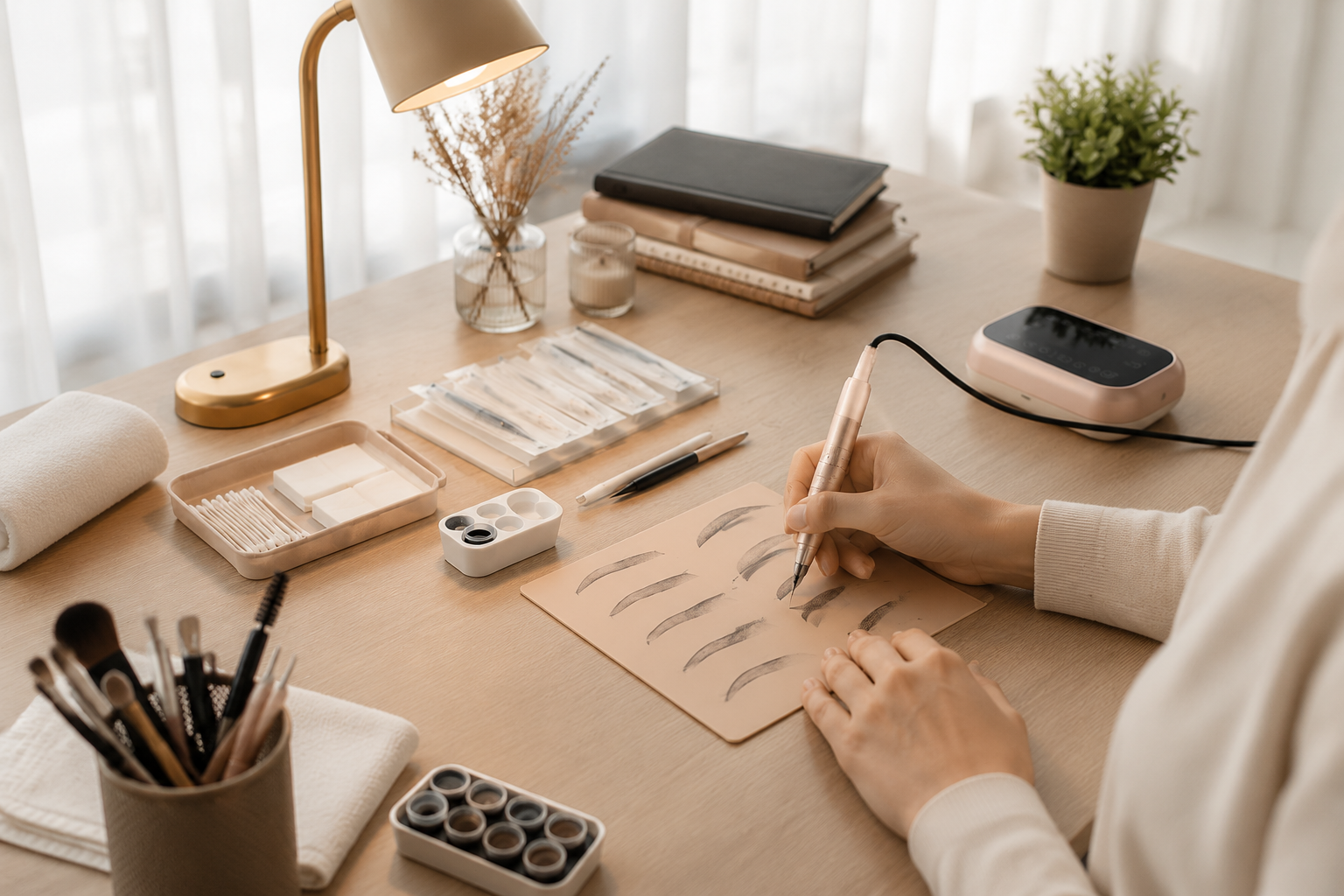
Use the time between live PMU trainings to strengthen non-human practice, collect trainer feedback, document progress, and build studio systems. Treat those activities separately from legal authorization, facility approval, supervision requirements, and insurance coverage before performing on a person.
A good plan does not rush toward model days. It creates evidence of improvement, exposes gaps early, and gives you a clear basis for deciding whether to continue independent practice, seek mentorship, or take another targeted live course.
Start with a Permission-to-Practice Check
Before scheduling a model, identify what you are permitted to do in your specific location and proposed facility. Completing a foundational course, receiving a certificate, or producing strong latex work does not automatically establish permission to perform PMU on a live person.
Classification and authorization can vary by jurisdiction. For example, Orange County, California includes the application of permanent cosmetics within its definition of body art, while Florida requires current licenses for tattoo artists and tattoo establishments in the state's tattoo context. Review the rules that apply where you will work rather than assuming another location's framework applies to your PMU service. Orange County's body-art program illustrates why permanent cosmetics may be regulated within a broader body-art category.
Use this pre-model checklist:
- Identify the exact PMU service you intend to offer.
- Confirm requirements with the relevant state, county, or city regulator.
- Ask your trainer whether their progression policy permits independent or supervised live-model work.
- Confirm that the facility is approved, if approval is required.
- Determine whether a supervisor must be present and what that supervision means in practice.
- Verify that your insurance policy covers your current trainee status, proposed service, location, and model arrangement.
- Confirm the consent, recordkeeping, age, privacy, and follow-up requirements that apply locally.
- Make sure your marketing accurately reflects your status, scope, and model terms.
If even one of these points is unresolved, keep your work on trainer-approved non-human media. That is not lost time; it is the appropriate place to improve control and prepare your operating systems.
Build a Weekly Deliberate-Practice Loop

Independent study works best when each week has a narrow focus, a documented outcome, and feedback. Avoid trying to "practice everything" in one session. Select one trainer-approved concept, repeat it on non-human media, review the result, and identify the next adjustment.
A simple weekly loop can look like this:
| Day or Block | Focus | Output |
|---|---|---|
| Study block | Review one concept from training notes | A short list of the standard you are trying to meet |
| Design block | Practice mapping, shape planning, or symmetry observation | Dated sketches or planning sheets |
| Practice block | Complete a focused exercise on latex or other permitted non-human media | Clearly labeled practice piece |
| Review block | Photograph the work consistently and compare it with your intended standard | Notes on what worked and what needs correction |
| Feedback block | Send one focused question to a trainer or mentor | Feedback record and next practice target |
| Systems block | Rehearse records, room flow, inventory, or consultation communication | Updated checklist or workflow note |
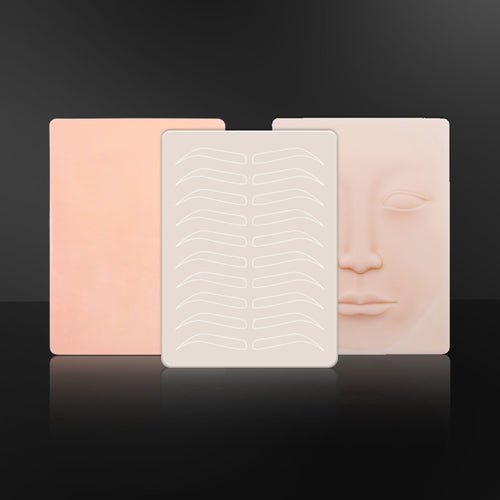
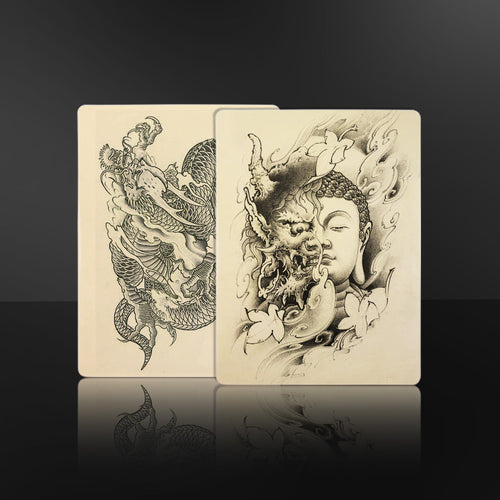
Latex practice is useful because it lets you repeat an exercise, observe your own work, and receive feedback without treating a person. Some professional membership offerings even include one-to-one latex review as a listed benefit, showing that structured review can be part of ongoing education. One example of a latex-review offering is educational support, not a standardized competency threshold or authorization for live-model procedures.
Keep a Practice Log That a Mentor Can Review
Your log does not need to be elaborate. It needs to make your development visible.
For each practice session, record:
- Date and practice medium
- The specific skill or concept you worked on
- Your intended outcome
- Photos taken from the same angles and lighting setup
- What you noticed during the exercise
- The correction you will test next time
- Feedback received and how you applied it
Instead of asking, "Does this look good?" send a tightly framed request: "I am working on consistency in this specific exercise. Which one correction should I prioritize before the next review?" That gives your trainer or mentor something concrete to assess.
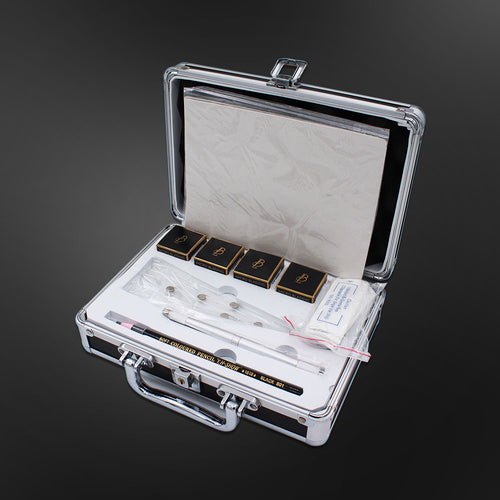
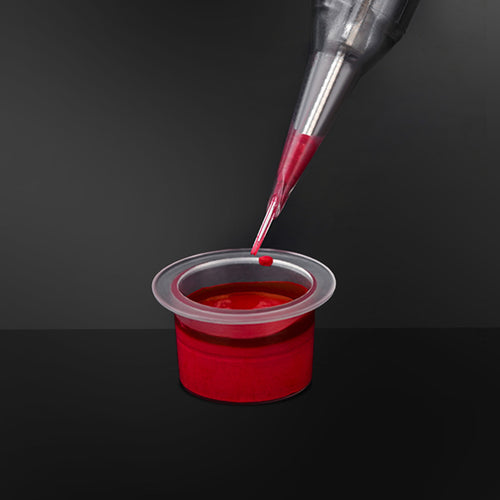
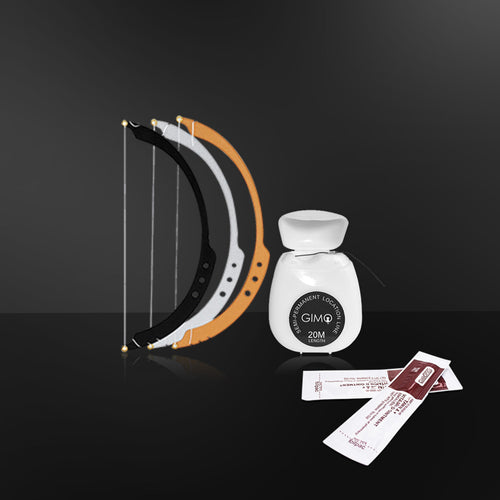
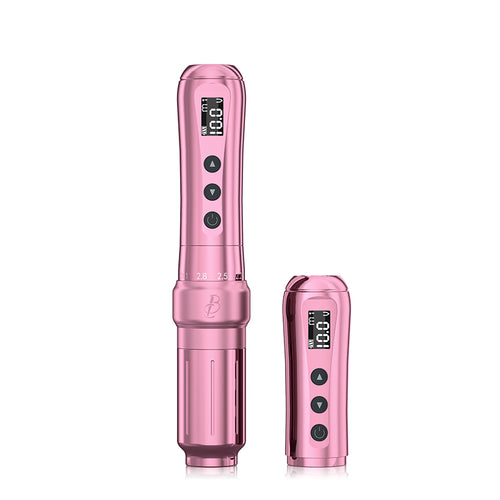
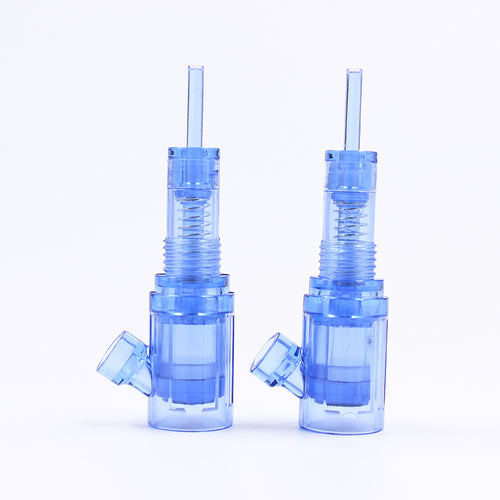
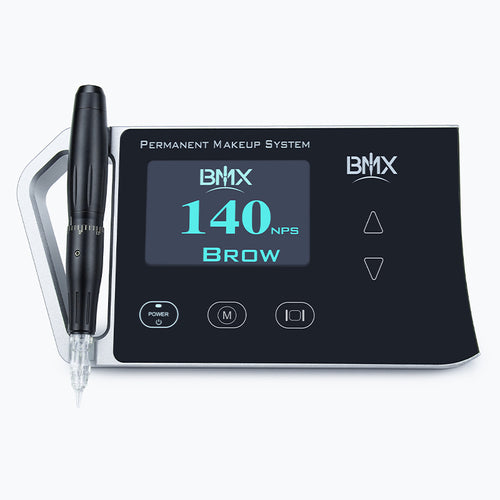
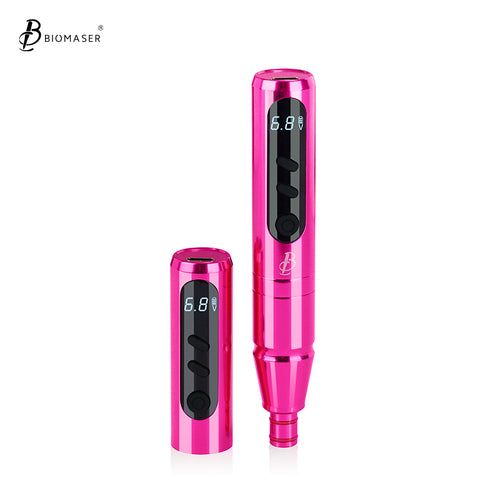
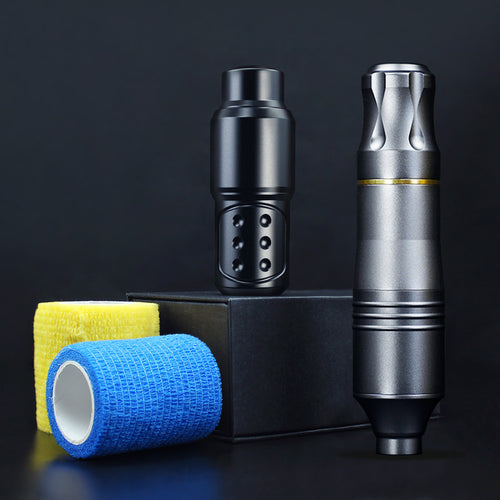
When building a trainer-approved practice station, compare compatible PMU practice supplies, cartridges, pigments, machines, and hygiene consumables against the trainer's protocol and applicable local requirements. Equipment and practice completion support a workflow; neither grants permission to perform on people.
Separate Certification From Government Authorization
Education certificates, private credentials, and government authorization serve different purposes. Keep separate records for each so you do not accidentally represent one as another.
A private credential may involve examinations and continuing-education conditions. For instance, the CPCP program describes a 100-question examination with a minimum passing score of 81, and its renewal conditions include continuing education and current bloodborne-pathogen classes. Those are conditions of that private program, not universal licensing rules or proof that a practitioner may work in every jurisdiction. The CPCP certification description is a useful example of why credential requirements and government authorization should be tracked independently.
Create one folder or digital tracker with separate sections for:
- Foundational and advanced training certificates
- Trainer feedback and practice reviews
- Private credential requirements, if applicable
- Local practitioner and facility requirements
- Bloodborne-pathogen training records
- Insurance documents and coverage confirmations
- Model-day and client-record requirements
This organization makes it easier to identify the real reason you are not yet ready. The answer may be a technical gap, a missing approval, an insurance limitation, or a need for supervised mentorship---not simply "more practice."
Prepare Studio Systems Before You Need Them

The interval between trainings is an ideal time to rehearse the non-technical parts of PMU work. A model day should not be the first time you attempt to organize records, confirm supplies, plan follow-up, or explain your status to a client.
Run a dry rehearsal without performing a service. Walk through the appointment from confirmation to room reset:
- Confirm the appointment details and model terms.
- Review the required intake, consent, and photo permissions for your location.
- Check the room layout and supply inventory.
- Rehearse the documentation sequence.
- Prepare the aftercare handoff and follow-up reminder process.
- Identify who handles questions, escalations, and cancellations.
- Reset the space and record items that need replenishing.
Your local requirements and training protocol should control your operating procedure. As a jurisdiction-specific tattoo-safety example, Florida guidance includes cleaning the treatment area, wearing gloves and changing contaminated gloves, using sterile single-use needles, and portioning pigments per customer. Florida's tattoo safety guidance is not a complete PMU protocol, but it reinforces the importance of rehearsing hygiene and supply-control routines before a permitted appointment.
Blood exposure and sharps handling require serious preparation. Bloodborne pathogens are infectious microorganisms in human blood that can cause disease, and needlesticks or other sharps injuries are identified as a primary exposure mechanism. OSHA's bloodborne-pathogens overview provides the relevant occupational-safety context. Build an applicable exposure-response process into your studio planning rather than improvising after an incident.
Build Portfolio Evidence, Not Just Content
A credible early portfolio is a record of your process and results, not a collection of heavily edited images or rushed model appointments.
For every permitted case, keep a case-study tracker with:
- Service date and service scope
- Consent and photo-permission status
- Before, immediately after, and healed-result images when available
- Notes on consultation, design choices, and follow-up
- Any trainer or mentor review
- A truthful description of your experience level and model terms
During the preparation stage, you can also rehearse how you will explain the service, set expectations, and document questions. A clear client communication workflow can help you organize those conversations before you begin accepting permitted appointments.
Use a Clear Next-Step Decision
At the end of each training gap, review your evidence rather than relying on confidence alone.
Continue non-human practice when your work is inconsistent, you cannot yet identify your own corrections, or mentor feedback points to repeatable technical gaps.
Seek supervised mentorship when your trainer considers your foundational work ready for closer assessment but you need guided progression before any live-model work.
Take targeted live training when your gaps are specific---such as consultation workflow, design planning, documentation, or a particular service category---and cannot be resolved through repetition alone.
Delay live work when authorization, facility status, consent requirements, supervision, or insurance coverage remains unclear.
The readiness checkpoint is simple: plan the next supervised step only when you can document trainer-reviewed practice and have verified the legal, facility, consent, and insurance conditions that apply to you. Until then, continue non-human practice, strengthen your systems, and resolve the exact gap before booking models.
Legal Risk Disclaimer
This article is provided for general informational purposes only and does not constitute legal, regulatory, tax, insurance, medical, or other professional advice. Requirements, rights, and obligations vary by jurisdiction and can change. Before acting on this information, confirm the rules that apply to your business with the relevant regulator and obtain advice from a qualified local professional.
