




Universal vs. Proprietary PMU Cartridges: What Artists Should Check Before Buying
Key Takeaways About Universal vs Proprietary PMU Cartridges
- Universal cartridges work with compatible machines, not every PMU device.
- Proprietary cartridges are designed for specific systems and may limit replacement options.
- Check your machine model, connection type, and cartridge specifications before ordering.
- Compare quality, sterile packaging, supply availability, and cost per cartridge.
- A cartridge that physically fits may not be suitable for your machine.
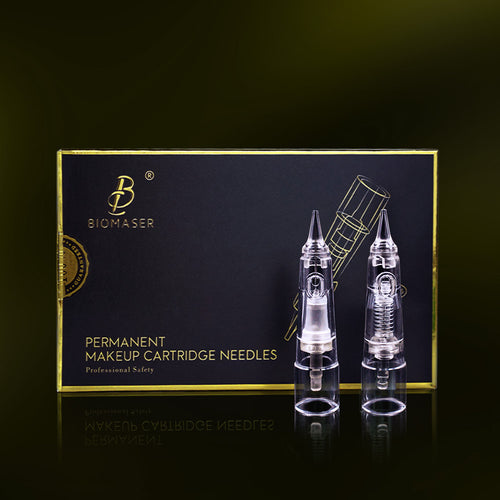
Choosing PMU needle cartridges can affect your equipment costs, supply options, and daily workflow. The main choice often comes down to universal cartridges, which may support several brands of machines, and proprietary cartridges, which are designed for specific systems.
Neither option is automatically better. Your machine's requirements, the cartridge's design, and your purchasing needs should guide the decision. A few checks can help you avoid buying incompatible cartridges and spending money on supplies you cannot use.
What Are Universal and Proprietary PMU Cartridges?
Understanding the two systems makes it easier to compare their benefits and limits. Their main difference lies in the connection design and the machines each cartridge supports.
What Are Universal PMU Cartridges?
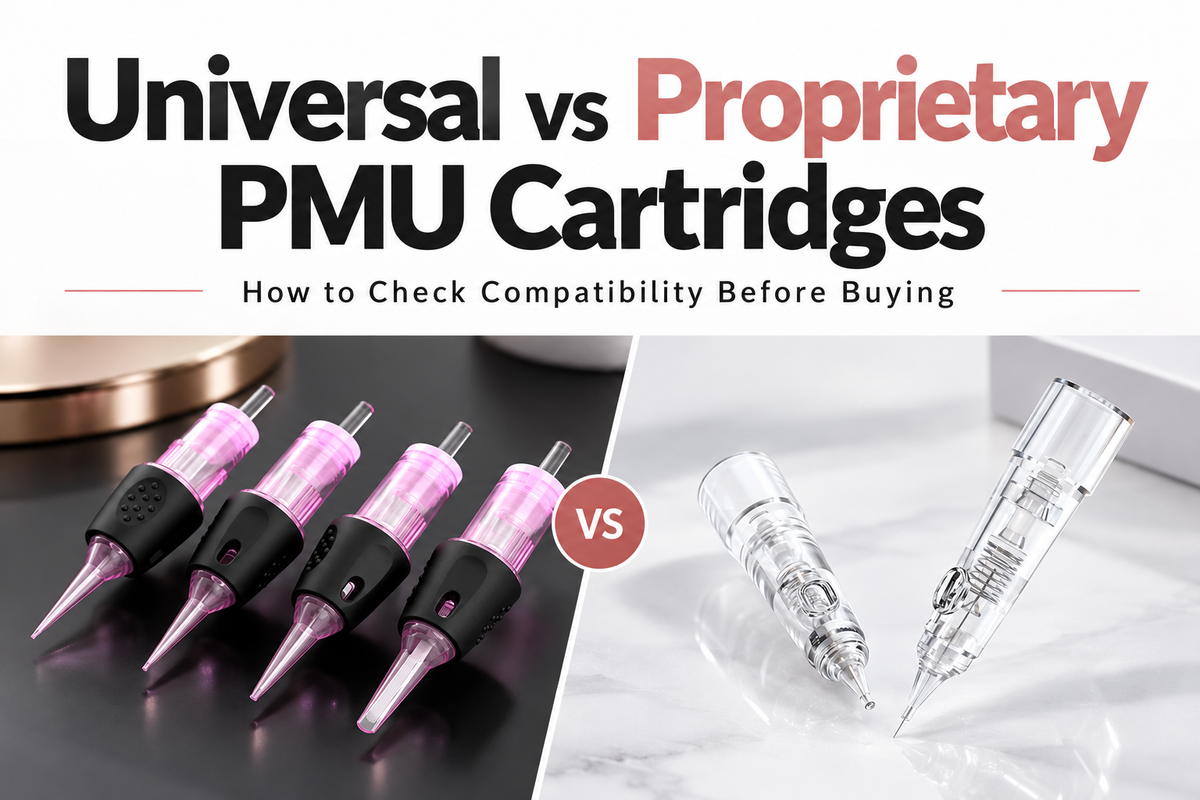
Universal PMU cartridges use a connection format designed for machines that accept the same type of cartridge. This can give artists more freedom to compare products from different suppliers instead of relying on a single source.
The main advantage is choice. Artists may find more options for needle configurations, prices, and supply availability. This flexibility can help a studio manage its stock and compare the cost of frequently used cartridges.
Still, the word "universal" does not guarantee a fit with every PMU machine. Some devices use proprietary connections or have specific cartridge requirements. Always check the machine manufacturer's instructions and the cartridge's compatibility information.
What Are Proprietary PMU Cartridges?
Proprietary cartridges are designed for a particular machine, product family, or connection system. Their shape, locking design, or internal features may differ from those of standard cartridges.
A machine-specific system can make product selection more straightforward if the manufacturer clearly lists compatible cartridges. Artists can use that information to narrow their choices and maintain a consistent supply of approved models.
The trade-off is fewer replacement options. If a cartridge is available only through a limited supply channel, artists may have less freedom to compare prices or find alternatives during a shortage. Check the range of available needle configurations and the long-term supply outlook before committing to a system.
Universal vs. Proprietary PMU Cartridges: Key Differences
The following comparison highlights the factors that matter most during a purchase.
| Factor | Universal cartridges | Proprietary cartridges |
|---|---|---|
| Compatibility | Fit machines that support the connection format | Fit specified systems or models |
| Brand choice | Potentially broader | Often more limited |
| Cost comparison | More options may be available | Pricing may depend on a narrower supply channel |
| Needle options | Vary by manufacturer | Depend on the supported product range |
| Long-term supply | May allow alternative suppliers | Depends more on the designated supply system |
Neither system guarantees better performance. Cartridge quality and compatibility depend on the specific products and machine pairing.

How to Check PMU Cartridge Compatibility Before Buying
After comparing the two systems, confirm which cartridges your equipment supports. These checks help prevent a costly ordering mistake and reduce the risk of using an unsuitable cartridge.
Identify Your Machine Model and Connection Type
Start with the exact model of your PMU machine and handpiece. Check the user manual, product specifications, or manufacturer's support materials for cartridge requirements. Look for answers to these questions:
- Does the machine accept standard cartridge connections?
- Does it require a specific cartridge series?
- Is a particular grip or adapter required?
- Are there restrictions on compatible cartridge models?
This is the first step in learning how to check PMU cartridge compatibility. Do not assume that machines from the same manufacturer share the same connection system. Different models may have different requirements. If the documentation is unclear, contact the manufacturer or an authorized supplier and provide the full machine model.
Confirm More Than Physical Fit
A cartridge may appear to fit into a handpiece without being fully compatible. Its housing, locking mechanism, needle movement, or internal membrane may not match the machine's requirements.
Ask yourself: are PMU cartridges interchangeable between machines? Sometimes, but only when the specific cartridge and machine are compatible. Check the following before buying:
- The cartridge locks securely as intended.
- The manufacturer confirms compatibility with your machine.
- The cartridge's design meets the machine's operating requirements.
- Any required adapter or compatible grip is clearly specified.
Never force a cartridge into a handpiece or modify its housing to make it fit. If the cartridge moves loosely, leaks, or fails to operate as described, stop using it and follow the manufacturer's instructions.
Check Needle Configuration and Cartridge Specifications
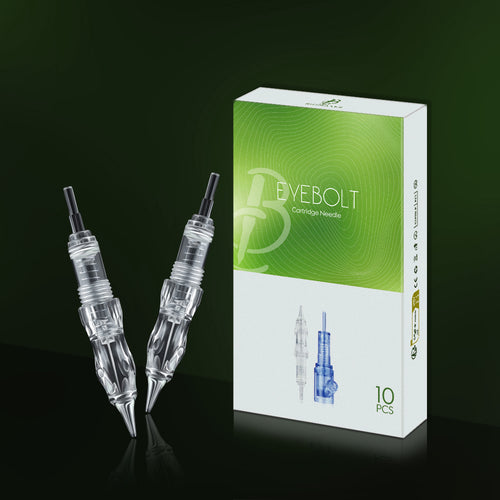
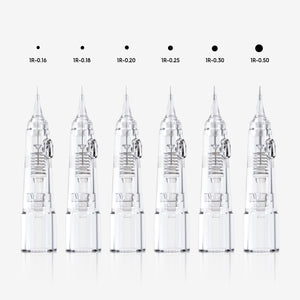
Once the connection is confirmed, select a configuration suited to the work you perform. PMU cartridges differ in needle count, diameter, grouping, and taper.
Round Liner (RL) cartridges have needles arranged in a round grouping and are commonly used for controlled line work. Round Shader (RS) cartridges use a different grouping and may suit other applications, depending on the artist's technique and the product design.
When comparing tattoo cartridge needle sizes and uses, check the complete specifications rather than relying on the configuration label alone. Two cartridges with the same needle count may differ in diameter, taper, and handling characteristics.
For example, round liner cartridge needles for PMU may be available in different diameters and taper lengths. Select the option that suits your training, technique, and intended procedure. A smaller diameter or longer taper is not automatically the best choice for every artist.
Review Membrane Design and Product Quality
Some cartridges contain an internal membrane that helps control needle movement and reduce the risk of pigment flowing back into the machine. The design and performance of this feature vary by product.
Review the manufacturer's specifications for membrane design, housing construction, and intended use. Look for clear product information and consistent labeling. Do not treat a membrane claim as proof that contamination cannot occur.
Also inspect the cartridge packaging before use. If the housing is damaged, the needle appears bent, or the sterile package is open or torn, do not use the cartridge. Follow the supplier's instructions for reporting defects and replacing affected products.
What Else Should Artists Compare Before Buying PMU Cartridges?
Compatibility narrows the choices, but it does not identify the best value by itself. Compare hygiene information, product consistency, supply options, and total purchasing costs before placing an order.
Sterility, Packaging, and Single-Use Requirements
PMU needle cartridges contact skin during a procedure, so packaging and hygiene deserve careful attention. Check whether the product is supplied sterile for its intended use, whether each cartridge is individually sealed, and whether the package includes clear product or batch information.
Never use a cartridge if its sterile packaging is damaged. Follow the manufacturer's instructions for single-use products and dispose of used needles according to local requirements.
The U.S. Food and Drug Administration warns that unsterile tattooing equipment and needles can spread infections. This makes proper equipment handling and hygiene important regardless of cartridge type.
A higher price or a proprietary connection does not automatically establish better safety. Evaluate the actual product information and follow the applicable health and sanitation rules.
Compare Cost Per Cartridge
The price of a box can be misleading if the boxes contain different numbers of cartridges. Calculate the cost per cartridge first:
Cost per cartridge = Box price ÷ Number of cartridges
For example, a box costing $40 with 20 cartridges works out to $2 per cartridge. A box costing $60 with 20 cartridges works out to $3 per cartridge. These are examples for calculation only, not current product prices.
Also consider shipping charges, minimum order sizes, and how often you need to restock. Universal cartridges may give you more products to compare, but the cheapest option is not always the best value. Product quality, compatibility, and reliable supply matter too.
Check Supplier Reliability and Future Flexibility
A cartridge system should support your work over time, not just meet today's needs. Check whether your usual configurations remain available and whether you can reorder them from a reliable supplier.
Consider what happens if a product is discontinued, a supplier runs out of stock, or you replace your machine. A universal system may offer more alternatives if the new machine supports the same connection format. A proprietary system may require a new cartridge supply if you change equipment.
Keep a record of the cartridge models you use, their specifications, and your purchasing sources. This makes future orders easier to verify and helps prevent accidental substitutions.

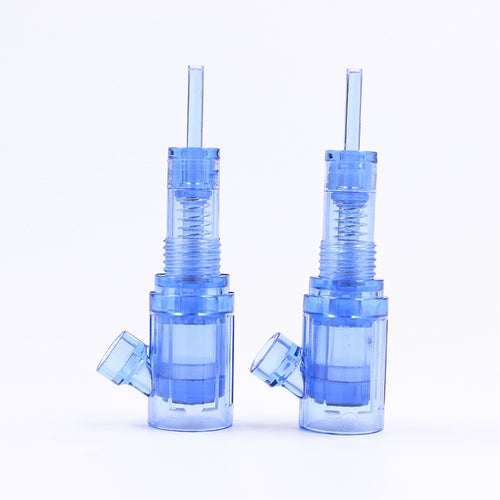
Biomaser Pinky Ultra PMU Needle Cartridges
Which Cartridge System Is Right for Your PMU Setup?
The right choice depends on your current equipment, the procedures you perform, and how you prefer to manage supplies. Use these situations to decide which factors deserve the most attention.
For Beginners Buying Their First PMU Machine Kit
If you are buying your first permanent makeup equipment kit, look beyond the initial package price. Check which cartridges the machine accepts and how easy it is to purchase replacements.
Ask the seller for the machine's compatibility information and the specifications of any included cartridges. If you are training with an instructor, confirm that the equipment meets your course requirements.
A kit with many included cartridges may seem like a good deal, but that benefit is limited if replacement supplies are difficult to find or the configurations do not suit your needs.
For Experienced Artists Who Want More Cartridge Options
Universal cartridges may be worth considering if your current machine supports their connection format. You can compare compatible products by needle configuration, specifications, cost, and supplier reliability.
If you want to change brands, confirm that the new cartridge is suitable for your machine. Evaluate unfamiliar products according to the manufacturer's instructions and your professional training before using them in client procedures.
For Artists Using Proprietary PMU Systems
If your machine requires a specific cartridge system, start with the manufacturer's approved options. Review the available needle configurations, replacement costs, and supply channels.
If you are considering a third-party cartridge or adapter, obtain clear compatibility confirmation rather than assuming it will work. The flexibility of another system is not worth compromising correct machine operation.
Choose PMU Cartridges That Match Your Machine
The best cartridge system starts with confirmed compatibility. Universal cartridges may offer more brand choices, while proprietary cartridges may limit selection to a designated system. Neither option is automatically better. Check your machine model, connection type, cartridge specifications, hygiene information, and long-term costs before ordering. If any compatibility detail remains unclear, ask the manufacturer for confirmation. A well-informed purchase helps you maintain a reliable supply of cartridges suited to your equipment and professional needs.
Frequently Asked Questions About Universal vs Proprietary PMU Cartridges
Q1: Can I Use Different Brands of PMU Cartridges With My Machine?
Possibly. The machine must support the cartridge's connection system, and the specific product must meet the machine's requirements. Physical fit alone is not enough to confirm compatibility.
Q2: Are Universal PMU Cartridges Better Than Proprietary Cartridges?
Neither type is always better. Universal cartridges may offer more supplier choices, while proprietary cartridges are designed for specific systems. Compare compatibility, specifications, quality information, price, and availability.
Q3: How Do I Check PMU Cartridge Compatibility Before Buying?
Identify your exact machine and handpiece model, review the manufacturer's approved cartridge information, and check connection and operating requirements. Contact the manufacturer if the documentation does not provide a clear answer.
