





Carpal Tunnel from PMU Machines: Prevention Guide for Permanent Makeup Artists
For many PMU artists, hand and wrist pain is the number one reason for early retirement. While you focus on the perfect stroke, the repetitive nature of the work can cause lasting damage. Carpal tunnel syndrome is a serious threat, but it doesn't have to be your reality. Learning to spot early red flags and fixing your workspace keeps your hands steady.
Why PMU Artists Are at High Risk for Carpal Tunnel
The carpal tunnel is a narrow passageway in your wrist. Inside, there are tendons and the median nerve. When you perform the same hand motions over and over, these tendons swell. This pressure squeezes the nerve, leading to pain and numbness.
Specific Risk Factors in the Studio
- Repetitive Strain (RSI): PMU involves repetitive, fine-motor movements and prolonged gripping, which can overload the tendons that pass through the carpal tunnel over time.
- Static Positions: Holding your hand in one rigid pose for hours while microblading or shading.
- The "Death Grip": Squeezing your permanent makeup device too tightly.
- Poor Posture: Leaning forward strains the neck and shoulders, which eventually affects the nerves in your arms.
Early Warning Signs You Shouldn't Ignore
Long before the discomfort becomes persistent, your body typically sends out tiny signals. Early detection of these signs can be the difference between a temporary solution and long-term harm.
Common Red Flags
- Night Tingling: Numbness/tingling in the thumb, index, and middle fingers (sometimes part of the ring finger), often worse at night.
- Weak Grip: Suddenly dropping pigment bottles or struggling to hold your permanent makeup pen.
- Radiating Pain: A dull ache that travels from the wrist up to the elbow.
- Clumsiness: Finding it hard to do simple things like buttoning a shirt or texting.
It starts as occasional discomfort after a long day. If ignored, it turns into chronic pain that doesn't go away with rest. If you lose feeling in your fingers or see muscle loss at the base of your thumb, see a doctor immediately.
Catching these signs early gives you the chance to address contributing factors and reduce the risk of worsening. By paying attention to workspace setup, posture, and other factors, you'll greatly reduce this discomfort.
Ergonomic Setup: How to Build a Wrist-Friendly Workspace
A bad chair or a desk that is too high forces your body into awkward angles. Small adjustments to your workspace are often the fastest way to take pressure off your wrists.
Positioning for Success
- Height: Adjust your chair and the client's bed so your elbows are at a 90-degree angle.
- Wrist Angle: Keep your wrist in a "neutral" or straight position. Avoid bending it sharply up or down.
- Tray Placement: Keep your pigments and tools on the same side as your dominant hand to avoid reaching across your body.
Considerations for Left-Handed Artists
Don't settle for a right-handed setup. Mirror your station completely. Stand or sit on the client's left side so your hand movements remain natural and unstrained. Proper lighting and magnification are also vital; if you can't see, you will hunch over, which ruins your posture.
Mastering Correct PMU Machine Handling Technique
How you grip your tool determines how much vibration and pressure your nerves absorb. Proper technique allows you to work longer with much less fatigue.
Avoid the Death-Grip
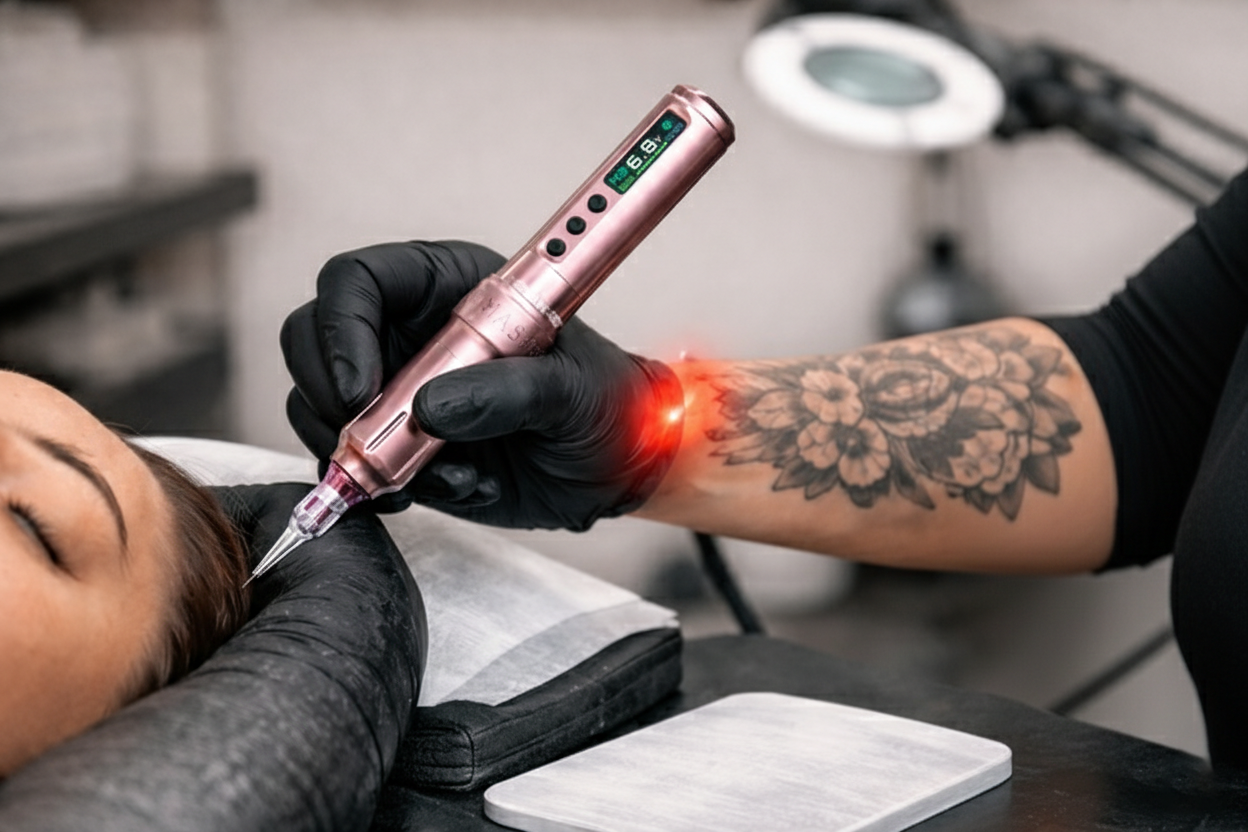
Many artists squeeze their permanent makeup pen too hard. This "death-grip" tires out your muscles and crushes the nerves in your wrist. Relaxing your hand is the best way to prevent fast fatigue.
Use the Light-Touch Method
- Grip Point: Hold your permanent makeup device closer to the front for balance, without touching the disposable needle/cartridge area.
- Finger Control: Use only your index and middle fingers to move the machine.
- Stay Relaxed: Keep your thumb, ring finger, and pinky loose.
Keep Your Wrist Straight
Keep your wrist as close to neutral as possible; avoid sustained, extreme flexion/extension and reset your position frequently. Instead of pushing hard into the skin, let the needles do the work. Manual pressure only increases strain.


Choose the Right Equipment
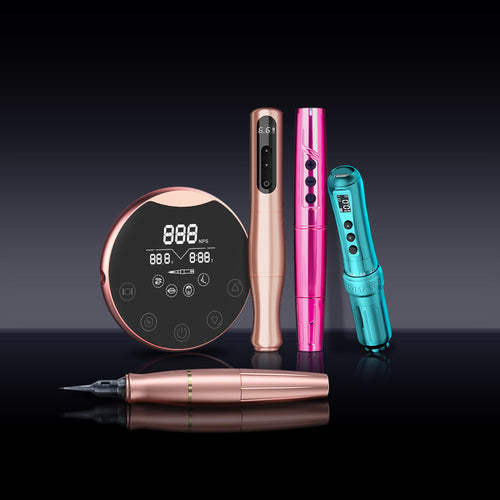
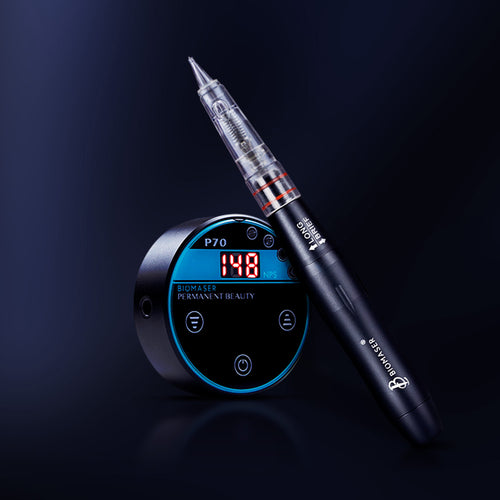
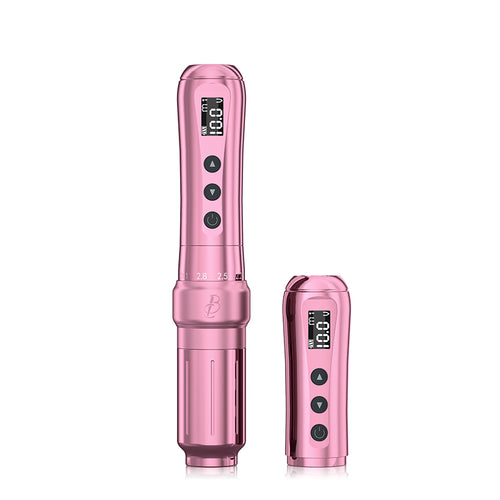
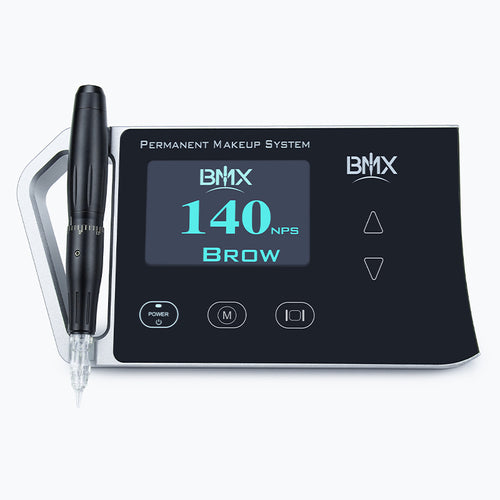
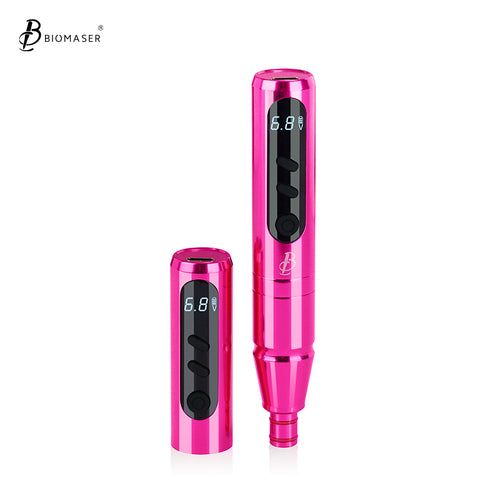
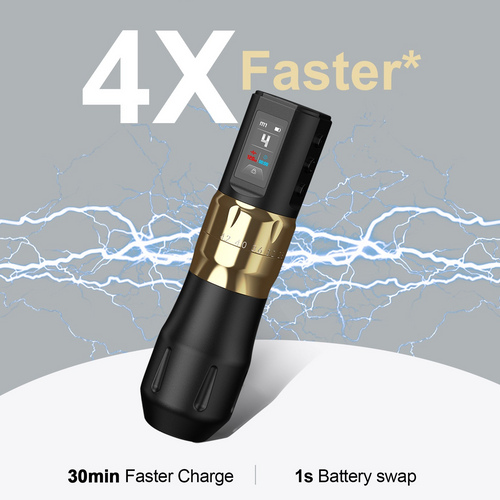
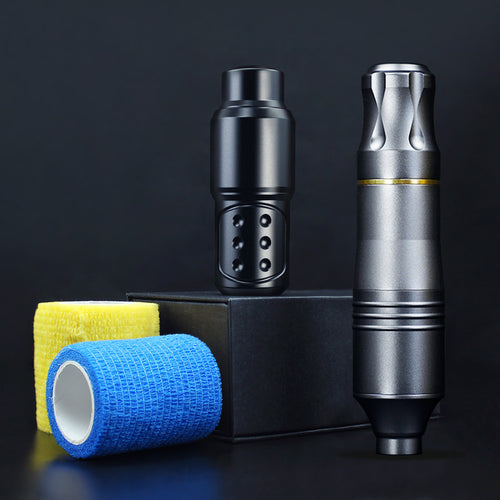
A well-balanced professional permanent makeup machine feels lighter in your hand. Using a wireless PMU machine also removes the weight of a heavy cord pulling on your wrist. If you feel like you have to push too hard, turn up your voltage or speed instead of using more muscle power.
Using Stretches and Breaks to Stay Pain-Free
Taking short breaks helps your muscles recover from the vibration of your PMU machine. Moving your joints throughout the day keeps your tendons sliding smoothly and prevents stiffness.
Follow the 20-30 Minute Rule
Try to take a 60-second micro-break every 20 to 30 minutes. Use this time to shake out your hands and reset your posture. These tiny pauses keep blood flowing to your nerves while you work.
Stretch Your Hands and Wrists
- Flexion and Extension: Gently bend your wrist up and down, using "prayer" and "reverse prayer" poses.
- Finger Movements: Spread your fingers wide, then make a soft fist.
- Wrist Circles: Rotate your wrists slowly in both directions.
- Forearm Turns: Rotate your palms up and down to loosen the forearm.
Release Upper Body Tension
Neck and Shoulders: Do slow neck tilts and shoulder shrugs to release trapped tension.
Chest and Spine: Pull your shoulder blades together and try "cat-cow" stretches to fix a hunched back.
Warming Up and Cooling Down
Spend two minutes warming up your hands before your first client. At the end of the day, do these same stretches again to help your muscles recover for tomorrow.
Strength is the next piece of the puzzle. Improving your core helps you stay upright so your wrists don't have to carry all the weight.
Building Strength for Career Longevity
If your core is weak, your arms and wrists have to work much harder to keep you stable during long procedures.
Why Core Strength Matters
Strong stomach and back muscles help you sit upright without slouching. This reduces the strain on your upper body. When your core is stable, you won't lean as heavily on your wrists while using a professional permanent makeup machine.

Biomaser TP006 Wireless PMU Machine
Exercises to Try at Home
- Planks: Hold for 30 seconds, three times, to build steady posture.
- Bird-dog: Do 10 reps per side to balance your spine.
- Cat-Cow: Use this movement to keep your back flexible.
Focus on Grip Endurance
You don't need massive hand strength. Instead, focus on endurance—the ability to hold a permanent makeup device steadily without tension. Yoga and swimming are excellent ways to build this stamina while keeping your joints loose. Low-impact cardio also improves blood flow, which helps your nerves recover faster.
Staying strong is a great defense, but your daily habits also play a part. Simple changes to your sleep and diet can further lower the risk of inflammation.
Improving Lifestyle Habits for Wrist Health
Health starts outside the studio. Your daily habits can help your body recover from the vibration and strain of a PMU machine.
Hydration and Nutrition
Drinking plenty of water keeps your tendons lubricated. When you are dehydrated, your joints experience more friction and fatigue. You can also support your nerves by eating anti-inflammatory foods. Items rich in Omega-3s, like fish or walnuts, help keep swelling down.
Better Sleep Positions
Avoid sleeping with your wrists curled tightly under your chin or pillow. This position squashes the nerves while you rest. If you struggle to keep your hands straight, wearing a soft wrist brace at night can keep the nerve passage open and allow for healing.
Ice, Heat, and Massage
Use ice to calm new swelling or sharp pain after a long day. Use heat to loosen up stiff, achy muscles before you start working. You can also use a small massage ball or foam roller on your forearms to release tight spots that pull on your wrist joints.
Even with the best habits, you might still feel occasional discomfort. Knowing how to change your workload can prevent a small ache from becoming a major problem.
When to Modify Your Technique or Seek Treatment
If you start feeling pain, don't just "push through it." Professional intervention can save your career if you act fast.
Adjust Your Workload
If symptoms appear, space out your appointments. Avoid doing several intensive procedures in a row. Giving your body a few hours of rest between clients allows inflammation to go down.
Go for Professional Help
- Physical Therapy: A therapist can teach you "nerve gliding" exercises.
- Bracing: Wearing a wrist support during non-work hours can help.
- Medical Options: In advanced cases, clinicians may recommend injections or carpal tunnel release surgery; recovery time and return-to-work timing vary, so follow a clinician-guided plan.
Protecting Your Hands to Build a Lasting PMU Career
Your talent matters, but your physical health keeps the business running. Avoid rushing, as speed often leads to a tight grip and poor posture. Using a high-quality professional permanent makeup machine with low vibration reduces the daily toll on your nerves. Stay mindful of how you sit and move. Consistency in these small habits ensures you can create beautiful art for decades.
FAQs about Wrist Health
Q1: How do I know if my wrist pain is carpal tunnel or just normal fatigue?
Fatigue feels like general soreness that goes away with a night of rest. Carpal tunnel often causes numbness or tingling specifically in the thumb, index, and middle fingers. If you feel "pins and needles" at night or find yourself dropping tools, it is likely nerve-related rather than just muscle tiredness.
Q2: Can I still work as a PMU artist if I already have carpal tunnel symptoms?
Yes, but you must make changes immediately. Use a wrist brace at night, take more frequent breaks, and switch to a lighter grip. Many artists manage mild symptoms for years by using better ergonomics. However, if the pain doesn't stop, you should consult a specialist.
Q3: What's the best way to hold a PMU machine to reduce wrist strain?
Avoid a tight fist. Use a light, relaxed grip near the needle end. Let your index and middle fingers guide the direction while your thumb and other fingers stay loose. Keep your wrist straight and let the machine's motor do the work instead of pushing hard into the skin.
Q4: How often should I take breaks during PMU procedures?
Try to take a 1-2 minute "micro-break" every 20-30 minutes. Use this time to shake out your hands and reset your posture. Between clients, take at least 10 minutes to stretch and let the blood flow return to your nerves.
