





Can Permanent Makeup Cover Hyperpigmentation

Key Takeaway
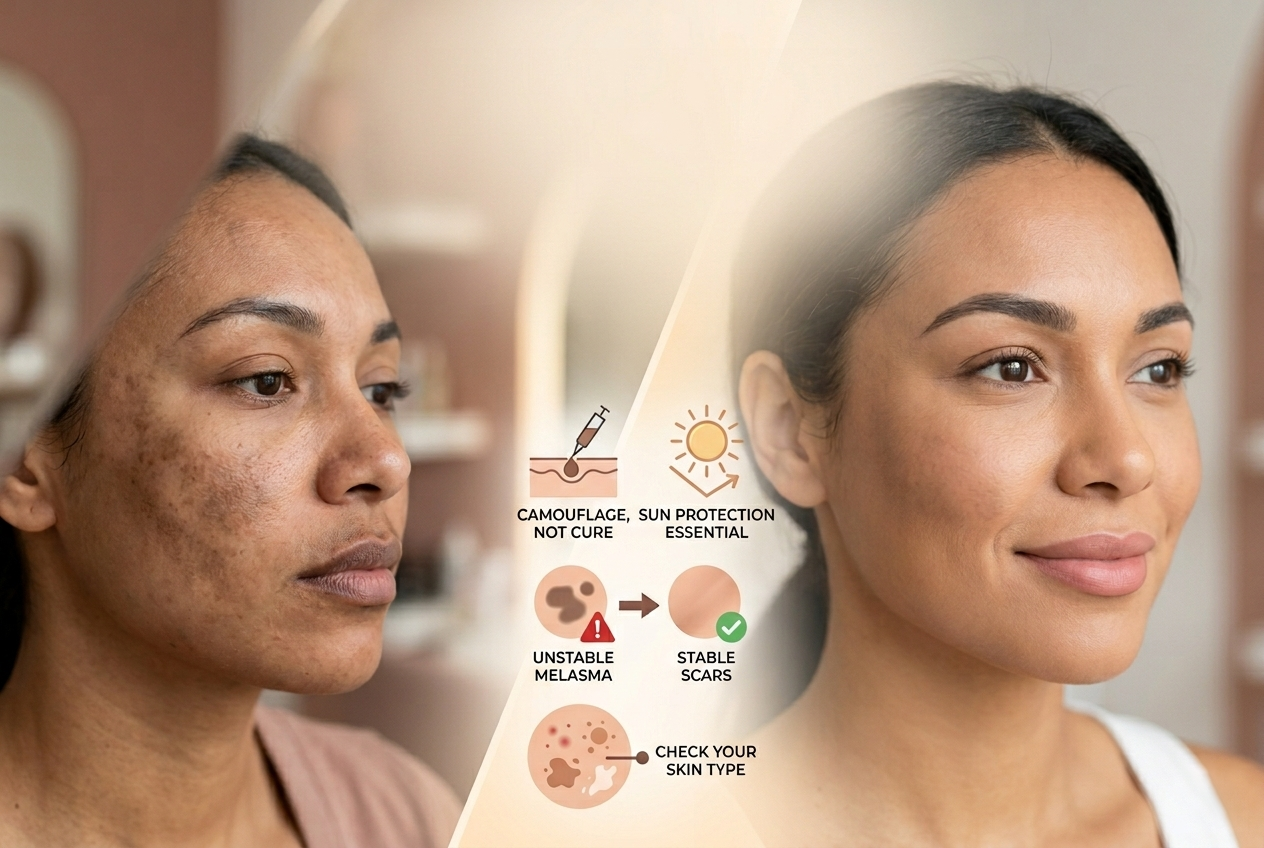
Permanent makeup can visually soften or blend certain types of hyperpigmentation (especially dark or uneven lips, or small, stable areas), but it cannot “erase” pigment problems. In cases like unstable melasma or skin prone to post-inflammatory hyperpigmentation, the procedure may actually worsen discoloration instead of hiding it.
Hyperpigmentation creates dark patches that many people try to hide. While a PMU machine can deposit PMU pigments to mask these spots, it works differently than a medical cure. Instead of removing melanin, it adds a layer of color to create an even look. This works well for stable scars, but for conditions like melasma, the needle's vibration might trigger more darkening. Success depends on matching the technique to your specific skin needs.
Common Pigment Issues People Try to Hide
Different kinds of skin discoloration react differently to needles and ink. The first step in figuring out if a cosmetic procedure is safe for you is to figure out what type of skin you have.
Dark and Uneven Lips
Many people have "dark and uneven lips" or a naturally dark border. This is often genetic or caused by sun exposure. Because lip tissue is different from facial skin, it is one of the most successful areas for color correction using professional permanent makeup techniques.
Facial Dark Spots and Patches
Post-acne marks (dark spots left after a pimple heals), sun spots, and melasma are the most frequent reasons people seek facial camouflage. Melasma is particularly tricky because it is "living" pigment—it reacts to heat, light, and friction.
Hypopigmentation and White Patches
This is the opposite of hyperpigmentation. Conditions like vitiligo or certain types of scarring leave the skin with a loss of color. While the goal is still to even out the skin, the approach is different because the artist is adding color to a "blank canvas" rather than trying to neutralize an existing dark tone.
How Micropigmentation Works on Discolored Skin
Permanent makeup is not a magic eraser. It is an artistic layer of ink that interacts with your body's natural biology.
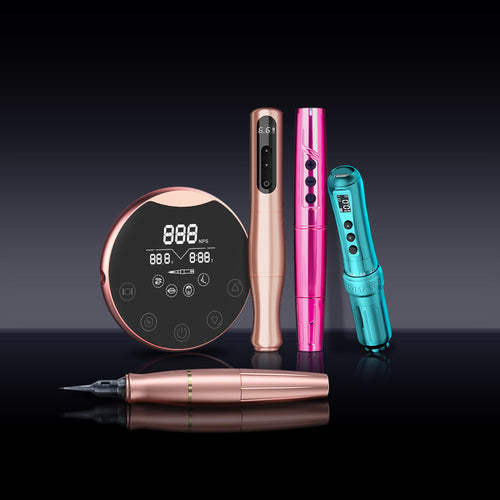
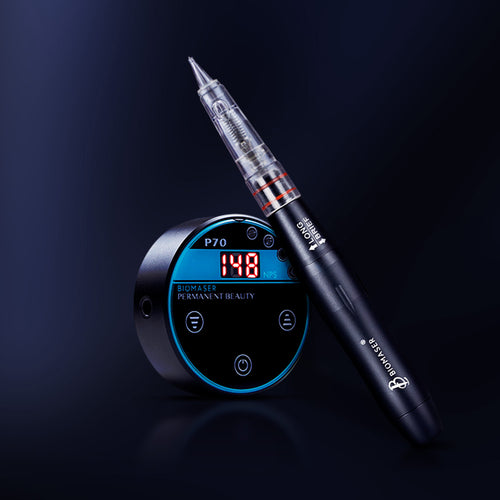
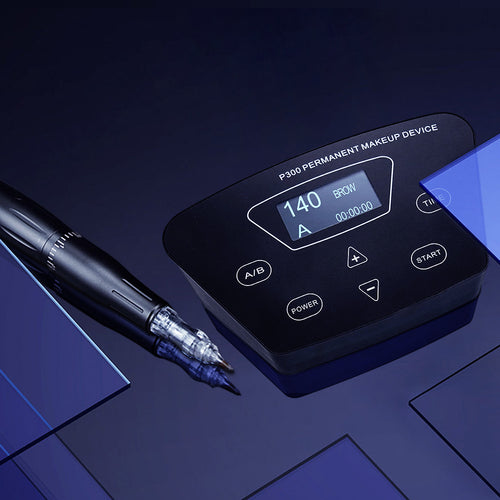
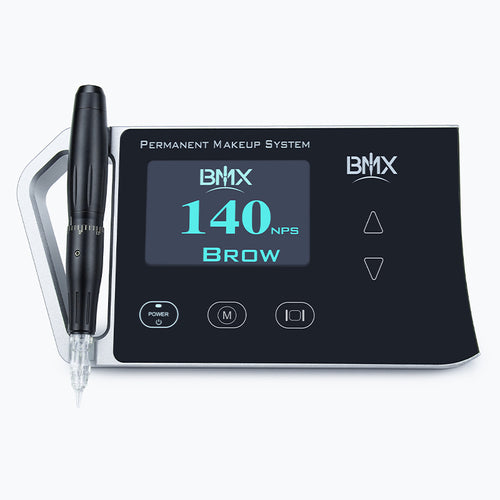
During the process, an artist uses a PMU machine to place PMU ink into the dermis, the second layer of your skin. Unlike a traditional tattoo, PMU is designed to be softer and more translucent. This means the final color you see is a combination of the ink and your natural skin tone.
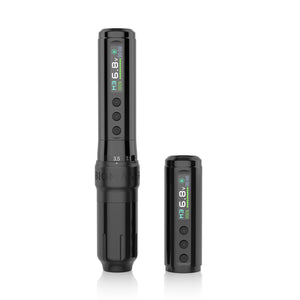
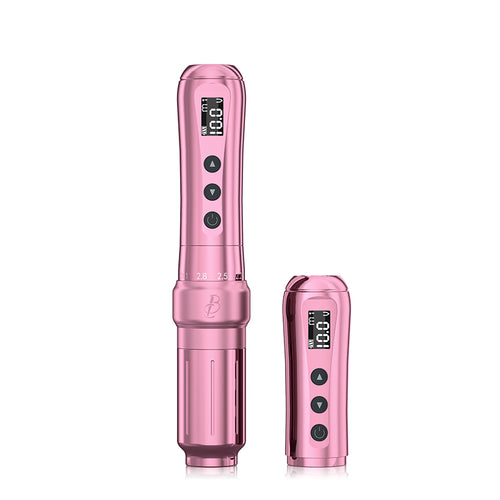
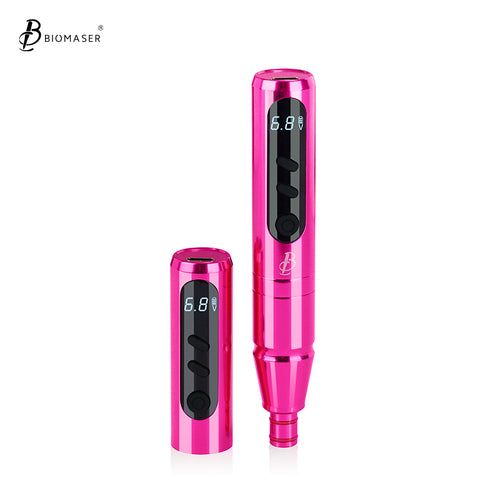
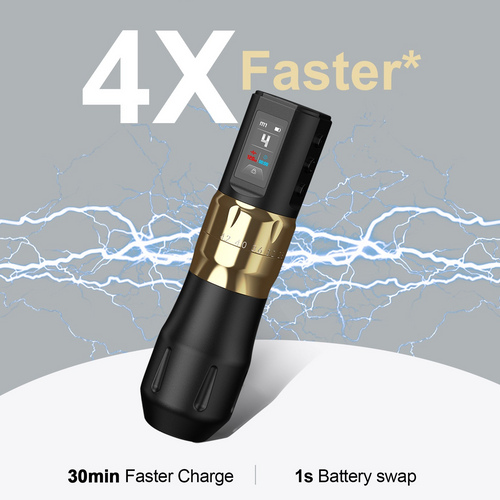
Biomaser Plenilune U1 Pro Wireless Tattoo & PMU Machine With Adjustable Stroke
You have to consider color theory. For example, if a spot has a cool or purple undertone, the artist might use a warm orange-based pigment to neutralize it. If the underlying skin pigment changes, perhaps you get a tan or your melasma flares up, the tattooed area may no longer match, potentially making the spot look ashy or muddy.
When Permanent Makeup Can Help With Hyperpigmentation
In the right hands and on the right candidate, permanent makeup offers life-changing results. Some areas of the body respond very predictably to the introduction of cosmetic pigments, leading to a much more even appearance.
Dark Lip Neutralization and Lip Blush
Lip neutralization is a specialized technique for dark or cool-toned lips. Instead of applying a target pink or red right away, the artist first uses warm tones like orange or peach to cancel out the blue or purple hues in the lips. This process usually takes two or three sessions. Each time, the lips heal a bit lighter and more even. Once the base tone is neutralized, a "lip blush" color can be added to give the lips a healthy, uniform glow.
Small, Stable Irregularities and Scars
If you have a small scar or a dark spot that hasn't changed in size or color for years, you might be a candidate for paramedical tattooing. This works best when the surrounding skin tone is stable. The artist carefully matches the PMU pigments to your natural skin. This is common for surgical scars or small patches of uneven tone caused by old injuries.
Camouflaging Hypopigmentation
For those with vitiligo or white scars, PMU can be a great tool. However, the condition must be "stable," meaning the white patches haven't grown or moved for at least a year. Filling in these white areas with skin-toned pigment can make them much less noticeable, though they will never perfectly mimic the way natural skin changes color in the sun.
When to Avoid Permanent Makeup for Pigmentation
The biggest risk of PMU is that the procedure itself involves "controlled trauma" to the skin. For certain skin types, any trauma can cause the body to overreact and produce even more unwanted pigment.
Active Melasma and Diffuse Discoloration
Melasma is often called a "mask of pregnancy" because it is heavily tied to hormones. Because it is so sensitive, the vibration and heat from a PMU machine can cause a melasma flare-up. Even if the color looks good initially, the melasma can shift or darken around the tattoo, leaving a ring-like effect or a patchy mess that is very difficult to fix.
Post-Inflammatory Hyperpigmentation (PIH)
Some people develop dark marks every time they get a scratch, a pimple, or a bug bite. This is called PIH. If you have this skin type, the tiny needle punctures from PMU could cause the entire treated area to turn much darker than it was before. For these individuals, the risk of making the problem worse usually outweighs the benefits.
The Struggle with Skin-Tone Matching
Human skin is not one solid color. It is a mix of reds, yellows, and browns that change depending on the light, your blood flow, and the season. PMU ink is static; it doesn't change. A "perfect match" in the winter might look like a bright white or greyish patch in the summer when your natural skin gets darker.
Who Is a Good Candidate vs Poor Candidate
A simple decision framework can help you determine if you should book an appointment or look into dermatological treatments instead.
You are likely a good candidate if:
- You want to even out the color of your lips and are okay with a multi-session process.
- You have stable scars or small spots that haven't changed in over a year.
- You do not have a history of keloid scarring or darkening after minor skin injuries.
- You understand that PMU is an improvement, not total perfection.
You should proceed with extreme caution (or avoid it) if:
- You have melasma that gets worse in the sun or during stress.
- You have large areas of facial hyperpigmentation.
- You always get dark spots after skin trauma (PIH).
- You want a "one-and-done" fix that requires no maintenance.
Protecting Your Results with Proper Maintenance
The way you treat your skin during the healing phase and beyond will determine whether the pigment stays beautiful or turns into a new problem.
Following your artist's PMU aftercare instructions is vital. This usually involves keeping the area clean and hydrated with a specific balm while avoiding picking at any flakes. Picking can cause more inflammation, which leads to more hyperpigmentation.

BIOMASER All PMU Foam Cleanse
Long-term, sun protection is your best friend. UV rays darken natural melanin and can cause PMU pigments to fade or change color prematurely. Wearing a high-SPF sunscreen every day will protect both your natural skin and your investment. If you use strong skincare ingredients like retinol or AHAs, keep them away from your tattooed areas, as they can cause the ink to fade faster.
FAQs: Permanent Makeup for Hyperpigmentation
Q1: Can permanent makeup completely cover my dark spots or melasma?
Usually, no. While it can soften the look of some spots, it is very difficult to hide active melasma. Because melasma is so reactive, the tattooing process often makes the patches darker or more uneven over time.
Q2: Is lip blush safe and effective for dark, hyperpigmented lips?
Yes, this is one of the most successful uses of PMU for pigmentation. By using "neutralizing" colors first, an artist can significantly brighten and even out the tone of dark lips. It requires patience and multiple sessions but offers great results.
Q3: I get dark marks easily after breakouts—am I a bad candidate?
If you have a strong history of post-inflammatory hyperpigmentation (PIH), you are a high-risk candidate. The needles can trigger the same darkening effect as an acne breakout. You should definitely do a patch test before committing to a full procedure.
