





Cross-Border Credential Recognition for PMU Practitioners Between the EU, UK and Ireland


Do not assume that a PMU certificate, past permission to practise, or a guest-artist invitation transfers across borders. Your training record, formal qualification recognition, local permission to work, premises status, insurance, and right to work or operate are separate questions.
For an EU destination, formal recognition may be relevant only if the destination regulates the profession in question. Where a qualification is treated as obtained outside the EU, the destination country applies its own national rules. Start by obtaining written confirmation for your exact service, location, working model, and proposed start date.
Start with the Destination's Name for Your Service

"Permanent makeup practitioner" may not be the term used by a regulator, local authority, insurer, or host studio. Your work may instead be described as cosmetic tattooing, micropigmentation, microblading, tattooing, or another local term. That classification matters more than the name printed on your certificate.
Within the EU, whether a profession is regulated varies by destination country. A regulated profession is generally one for which access to, or practice of, the work requires a specific qualification, examinations, or registration.
For a proposed EU destination, begin with the EU regulated-professions guidance and database. Search using:
- Country that awarded your qualification
- Country where you intend to work
- The local-language term for your service
A result is a starting point, not a licence to begin offering PMU appointments. Likewise, no result may indicate that the profession is not regulated at national level, but it is not conclusive proof that there are no local, premises, hygiene, insurance, or operating requirements.
Record the exact destination details in your mobility file:
- Country and, where relevant, nation, region, city, and local-authority area
- Service list: brows, lips, eyeliner, scalp micropigmentation, microblading, or other cosmetic tattoo work
- Working model: employee, self-employed practitioner, chair renter, visiting artist, pop-up provider, home studio, or studio owner
- Exact host-studio or premises address, if known
Separate Recognition From Evidence of Competence

Your certificate can be valuable evidence of your education and practical background without being a formal authorisation to practise in the destination.
| Question | What It Means for Your PMU Plan |
|---|---|
| Does the destination regulate this profession or activity? | If it does, you may need to follow a professional-qualification recognition route before practising. |
| Is your certificate evidence of competence? | Keep it ready for an authority, host studio, or insurer to assess, but do not treat it as permission by itself. |
| Does EU automatic recognition apply? | Do not assume so. The EU's automatic-recognition list covers specified professions including doctors, general-care nurses, midwives, dental practitioners, pharmacists, architects, and veterinary surgeons---not PMU practitioners. |
| Is your qualification treated as non-EU by the destination? | Recognition for work in an EU country is then subject to that destination country's national rules. |
This distinction is especially important when moving between the UK and an EU destination, including Ireland. Do not turn a general cross-border work arrangement, a prior course certificate, or an academy's marketing statement into a conclusion about recognition. Ask the destination authority how it treats your specific qualification and service category.
There is a limited EU route for some holders of non-EU qualifications that were first recognised by an EU country: after at least three years of work in that first-recognising EU country, the practitioner may apply in another EU country under the rules for EU-country qualifications. This is not a general shortcut for PMU certificates. You may need proof of the required work experience from the country that first recognised the qualification.
Treat Guest Work as a Real Compliance Decision

A weekend guest spot, chair rental, pop-up, or short contract is still professional practice. It is not automatically exempt because it is temporary.
Under EU temporary-services principles, a person generally does not need qualification recognition for temporary work in another EU country, except where the profession has health-and-safety implications. The available framework does not determine whether PMU, cosmetic tattooing, or micropigmentation falls into that category in any particular destination.
A destination may require a prior written declaration from a temporary provider. If temporary services continue, that declaration may also need annual renewal. In a regulated temporary-service profession involving health and safety that does not qualify for automatic recognition, the destination authority may check qualifications before practice and require formal authorisation first.
Before accepting a guest booking, obtain written answers to these questions:
- Is my proposed PMU service regulated in this location?
- Is a temporary-services declaration required before I work?
- Does the host studio's approval cover visiting practitioners?
- Do I need personal registration, authorisation, or a qualification assessment?
- Does the address require separate premises approval or inspection for my intended activity?
- Will the destination-market insurer cover me for the exact services, dates, and venue?
- Can I legally work or operate under my proposed employment or self-employment arrangement?
A host's invitation confirms commercial interest; it does not answer these compliance questions.
Build a Mobility File Before Contacting Authorities
Prepare one clear file rather than sending scattered screenshots and certificates. It makes it easier for an authority or insurer to identify what you are asking them to assess.
Include:
- Government-issued identity documents and any right-to-work evidence relevant to your route
- PMU, cosmetic tattoo, microblading, or micropigmentation certificates
- Detailed course syllabus, training dates, assessment method, and practical-hours records
- Evidence of supervised practical work, where available
- Translations where the destination asks for them
- Current CPD, hygiene, infection-control, first-aid, or other supporting records you hold
- A concise service menu and portfolio showing the services you intend to provide
- Proposed consent, aftercare, and infection-control procedures
- Insurance schedule and the insurer's written confirmation of the intended destination activity
- Host-studio or proposed-premises details, including address and working arrangement
Do not invent missing training hours or describe a course more broadly than its documentation supports. If the destination identifies a gap, ask whether it requires additional documents, supervised work, an assessment, or top-up training.
Contact the Right People in the Right Order
For an EU destination, a national professional-qualifications contact point can help explain the applicable rules when the database does not provide a clear answer. That contact point is useful guidance, but it does not replace a decision by the competent authority or local body responsible for your service or premises.
Use this contact sequence:
- Destination authority or local regulator: Ask how your exact PMU activity is classified and whether you need recognition, registration, authorisation, or a declaration.
- Professional-qualifications contact point, where relevant: Ask which recognition route applies to your qualification and whether your intended work is temporary or established practice.
- Host studio or premises authority: Confirm the status of the address and whether your working arrangement changes any approval requirement.
- Destination-market insurer: Request written confirmation that your policy covers your services, location, dates, and working model.
- Immigration or employment adviser, where relevant: Confirm your right to work or operate before advertising services.
Keep every reply with the date, sender, and exact question asked. If a formal recognition application is required, the relevant national authority must acknowledge receipt within one month and decide within three months after receiving certification papers, although it may request additional documents. Those timings do not tell you whether PMU recognition is required in the first place.
Possible destination requirements can extend beyond qualification documents. Depending on the profession and country, they may include a language test or membership of a professional association. Ask rather than assume.
Create a Country-and-Location Mobility Plan
Use this seven-step plan for a move, chair rental, guest booking, or studio launch:
- Define the destination location and every PMU service you plan to offer.
- Identify the local name and classification for the activity.
- Check whether a professional-recognition route is relevant for that destination.
- Assemble your training, practical experience, and supporting records.
- Obtain written clarification from the destination authority and, where applicable, the qualifications contact point.
- Confirm premises, host-studio, insurance, and right-to-work requirements separately.
- Date-stamp your confirmations and review them if the service list, address, working model, or launch date changes.
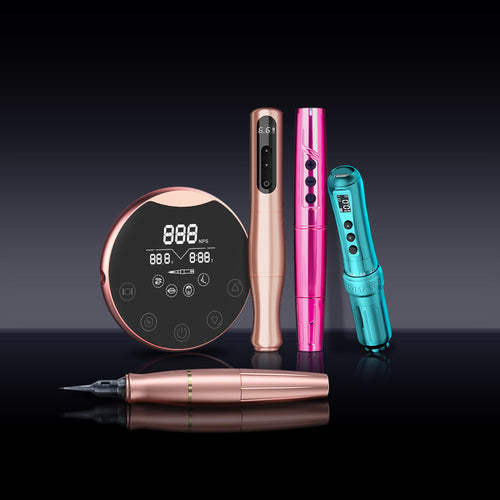
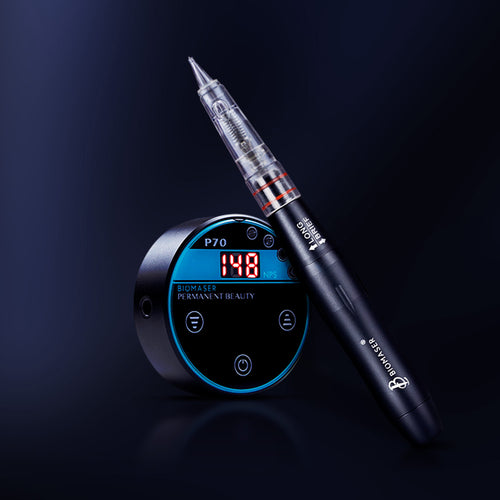
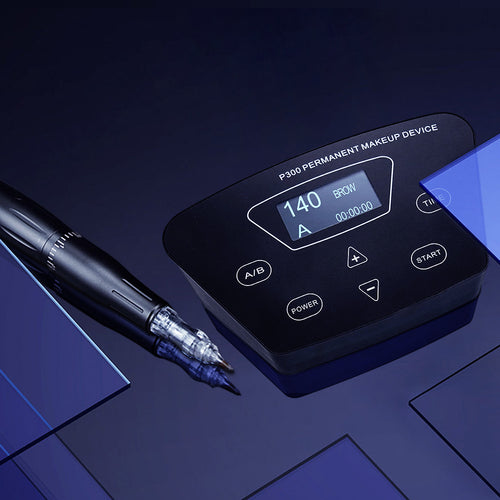
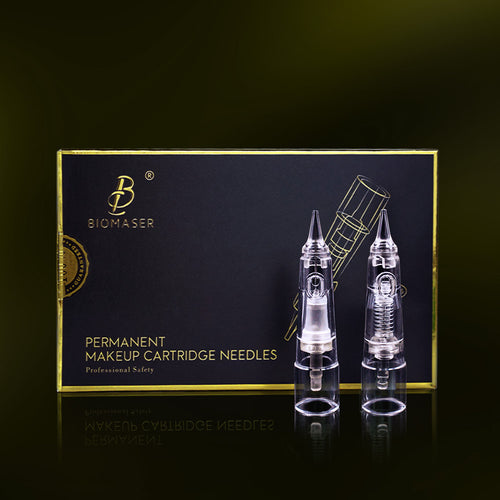
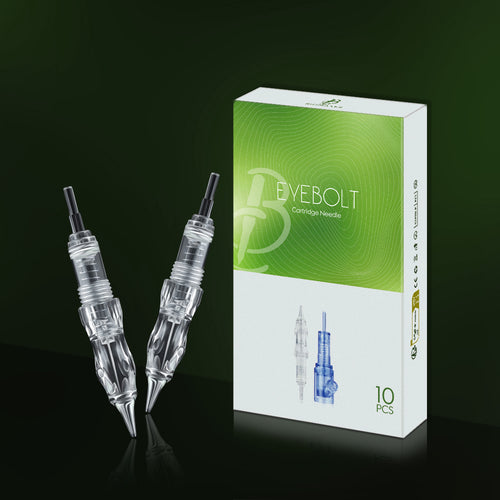
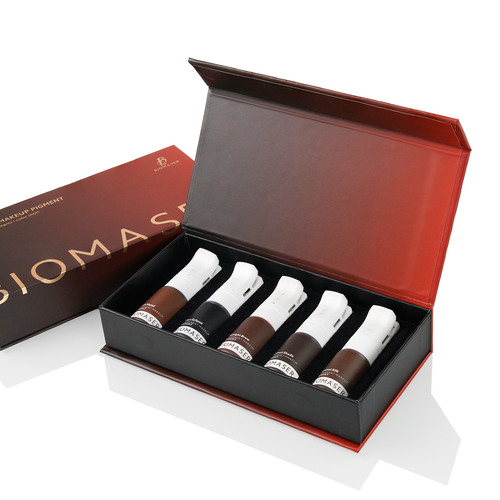
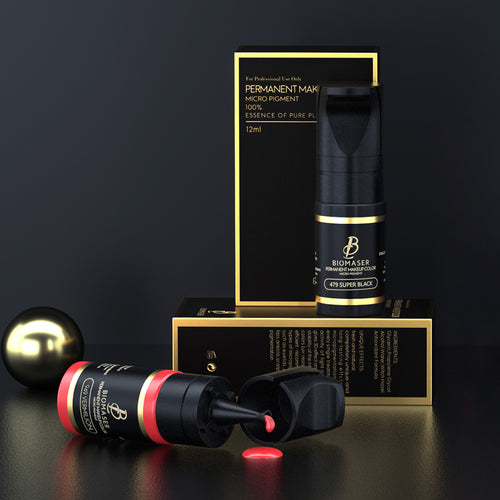
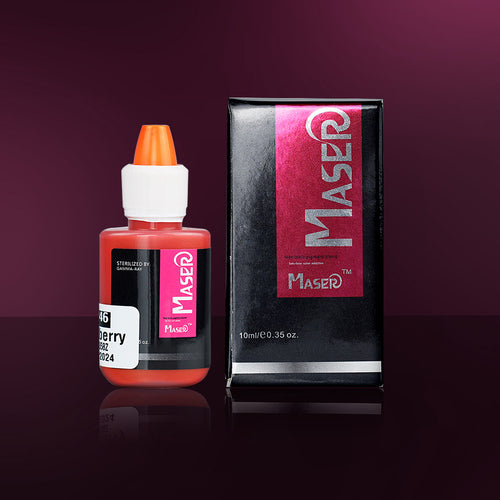
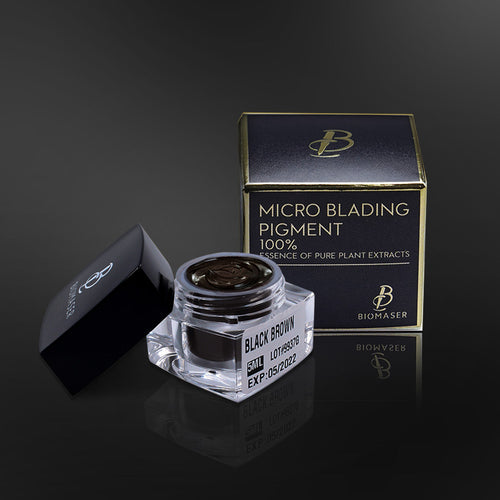
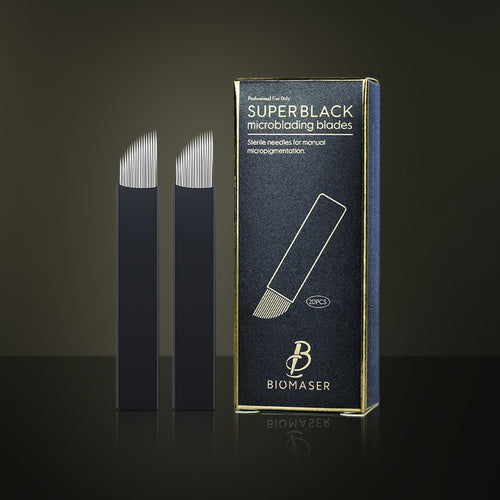
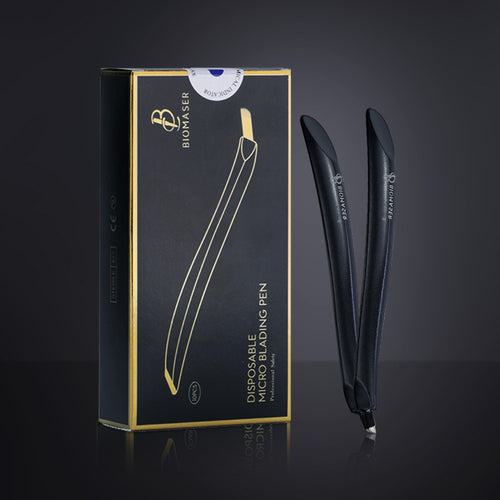
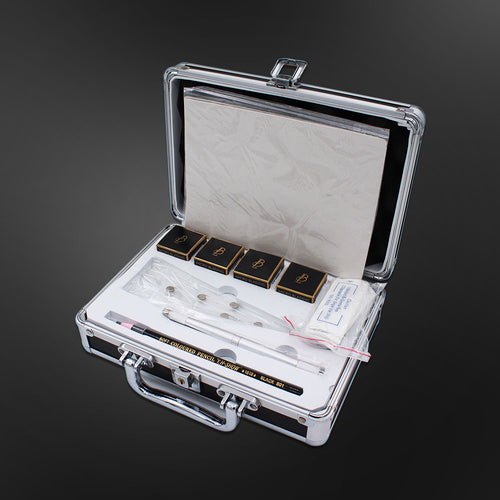
Once the legal and insurance route is confirmed, review your intended devices, pigments, needles or cartridges, barrier supplies, and hygiene consumables against the approved workflow and insurer requirements. A product listing---such as a PMU pigment and manual-tool kit---is not evidence of destination approval; retain and verify the documentation required for your own practice.
Do Not Book Clients Yet
Proceed only when you have written confirmation of the destination requirements, any required practitioner registration or premises approval, valid destination-appropriate insurance, and the right to work or operate under your chosen arrangement.
Until then, treat the move, guest spot, chair rental, or studio opening as paused for verification. Use the next BIOMASER resources to strengthen inspection-ready studio workflow, client documentation, and supply records only after your destination authority and insurer have confirmed what your practice requires.
