





Como o álcool e a cafeína afetam a cicatrização após PMU

The success of your permanent brows, lips, or eyeliner depends on how well your skin retains the pigment during PMU healing. Many people do not realize that routine daily habits can actively interfere with this recovery phase. Specifically, lifestyle factors like consuming alcohol and caffeine can change how your body heals. These two substances alter your blood flow, skin hydration, and physical comfort, which directly impacts your long-term results.
What Happens During the PMU Healing Process?
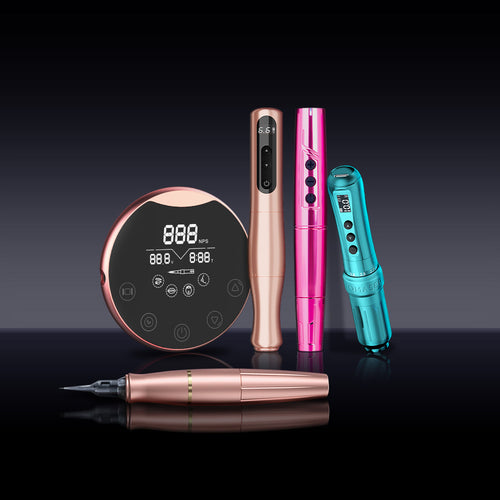
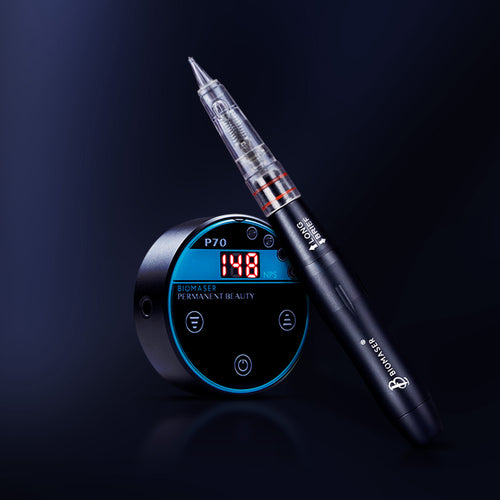
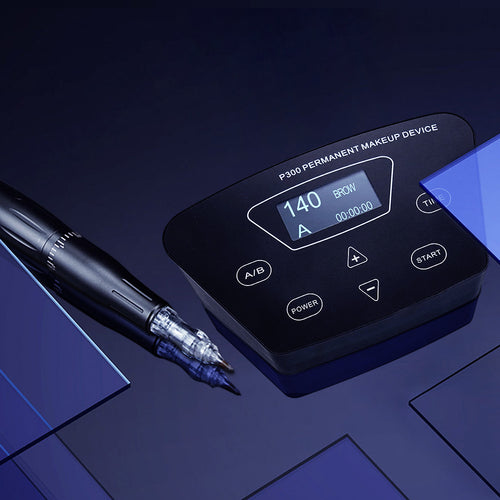
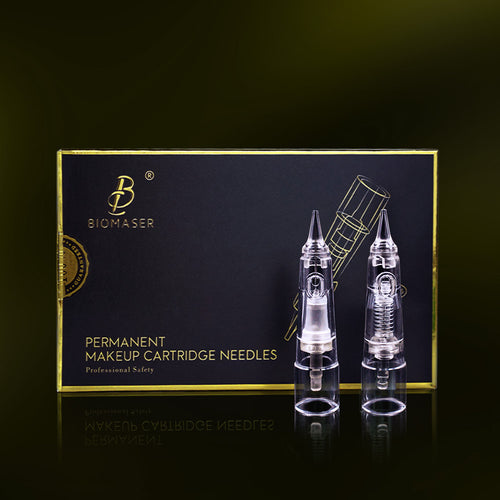
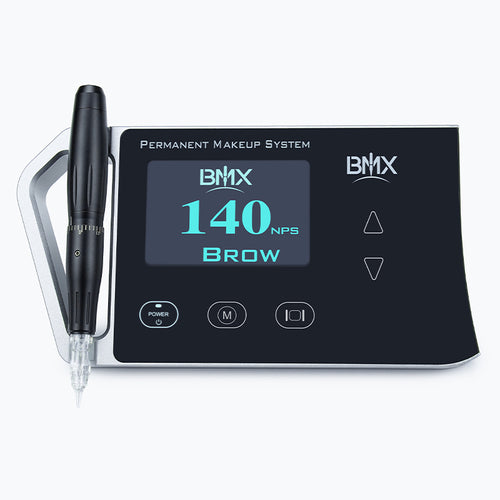
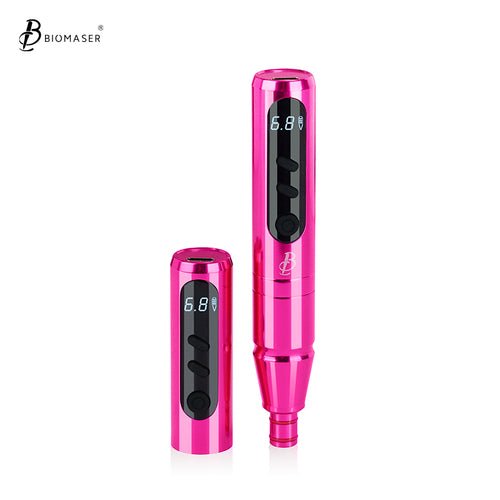
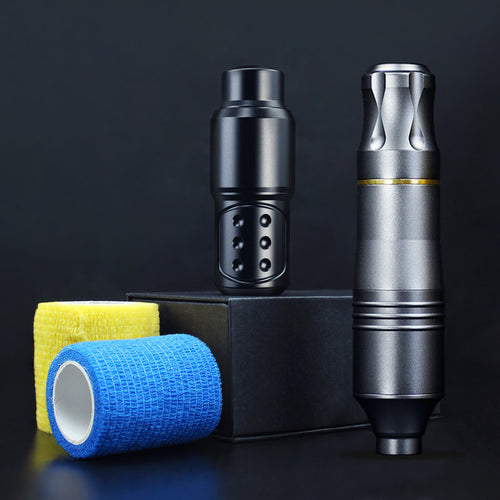
When you get permanent makeup, a specialized máquina de maquiagem permanente deposits pigment into the upper layers of your skin. This process creates hundreds of controlled micro-injuries in the treated area. Because the skin barrier is disrupted, your body treats the area like a minor wound and immediately starts A multi-stage healing response to repair the tissue.
During the first few days, you will experience initial redness, mild swelling, and tenderness as your body sends extra blood to the area. Soon after, the top layer of skin begins to dry out, leading to scabbing, flaking, or peeling. As the dead skin flakes away, the initial color will soften and look lighter. Over the next few weeks, the deep layers of skin finish healing, and the final color settles into its permanent shade.
Stable, uninterrupted healing is necessary for even color retention and long-lasting cosmetic results. If the healing process gets disrupted by external factors, the skin cannot hold the permanent makeup pigment properly. This leads to faded spots or uneven lines that require extensive correction later.
Why Aftercare Matters for PMU Results
There is a direct connection between your daily recovery routine and the final appearance of your brows, lips, or eyeliner. When you protect your healing skin, you allow the skin cells to close smoothly around the implanted particles. This keeps the lines crisp and the color vibrant, matching the original design created by your artist.
Neglecting your aftercare instructions often causes uneven healing, patchy pigment distribution, prolonged irritation, and A higher risk of localized infection. If your skin stays inflamed or peels too fast, it will pull the color out along with the scabs. This uneven loss of pigment means you will need additional touch-up appointments to fix the gaps, costing you more time and money.
Because your body's internal chemistry affects skin recovery, PMU artists provide strict rules about what you consume. This is why alcohol and caffeine are prominent topics in pre-care and aftercare sheets. Both substances change your internal circulation and fluid balance during the critical days before and after your session.
How Alcohol Affects PMU Healing and Pigment Retention
Alcohol acts as a natural blood thinner and expands your blood vessels, which increases blood flow throughout your body. When you have alcohol in your system during or right after the procedure, your skin becomes highly prone to bleeding. Even a small amount of extra bleeding makes it much harder for the artist to work on your skin.
Excess bleeding during the appointment dilutes the PMU pigments and pushes them out of the tiny punctures before they can settle. This prevents the skin from absorbing the color evenly. After the appointment, ongoing bleeding or oozing causes thick, heavy scabs to form over the area. Heavy scabbing is problematic because when those large scabs drop off, they usually pull the embedded color out with them.
Additionally, alcohol causes systemic dehydration and worsens swelling and redness in the treated skin. Dehydrated skin loses its elasticity and heals at a much slower rate, making the recovery period unpredictable and unstable. To prevent these complications, professional permanent makeup artists recommend avoiding all alcoholic beverages during the immediate preparation and recovery windows.
How Caffeine Affects PMU Healing and Client Comfort
Your morning coffee or energy drink can also interfere with your permanent makeup appointment. Caffeine is A strong stimulant that increases your heart rate, blood pressure, and overall physical sensitivity. When you consume caffeine before an appointment, it stimulates your central nervous system, making you more restless and jumpy. This makes it difficult to sit still during the precise movements of A PMU pen.
Like alcohol, caffeine can elevate your blood pressure enough to contribute to more bleeding during the procedure. It also heightens your nerve sensitivity, which means you might feel more pain or reactivity while the artist works. A less comfortable experience can lead to involuntary facial twitching, making it harder for the artist to achieve perfectly clean lines.
During recovery, caffeine can impact your hydration levels due to its mild diuretic properties. Proper skin moisture is a key factor in how comfortably your skin sheds its dry layers. While caffeine is not always as strictly banned as alcohol, limiting your intake around your appointment ensures a calmer experience and a more predictable recovery.

Pomada com vitaminas A e D para cuidados após PMU
Álcool vs. Cafeína: Qual tem o maior impacto?
While both substances can alter your healing results, they act on your body in different ways. Comparing their specific effects helps you prioritize your pre-care choices.
When evaluating bleeding, swelling, dehydration, and pigment retention, alcohol has A much larger and more damaging impact on PMU outcomes. Alcohol directly thins the blood for an extended period and creates a high risk of heavy fluid oozing. This fluid movement actively rejects the color from the skin, leading to patchy results.
A cafeína, por outro lado, afeta principalmente o seu conforto, limiar da dor e foco do sistema nervoso. Ela causa alterações leves na pressão arterial, mas não afina o sangue tão drasticamente quanto o álcool. Portanto, é menos provável que a cafeína arruine completamente a retenção do pigmento, embora ainda torne o processo mais difícil.
Both substances become highly problematic when consumed in large amounts or during the initial forty-eight hours of healing. Combining heavy drinking with high caffeine intake creates the worst possible environment for your new tattoo. The combination leads to extreme skin dryness, excessive swelling, and poor color lock-in.
Possíveis Sinais de que a Cicatrização Está Sendo Afetada
É útil saber como é uma recuperação anormal para que você possa identificar se fatores do estilo de vida estão prejudicando seus resultados. Observe estes indicadores específicos durante a sua recuperação.
- Sangramento maior do que o esperado: Sangramento perceptível ou secreção de líquido transparente durante ou imediatamente após o uso da máquina de maquiagem permanente.
- Aumento do inchaço e vermelhidão: A área tratada permanece muito inchada, vermelha intensa ou latejante por vários dias após a sessão.
- Crostas irregulares ou descamação prematura: Formação de crostas grossas e ressecadas sobre o desenho, ou descamação prematura das crostas antes que a pele por baixo esteja pronta.
- Resultados irregulares após a cicatrização: Espaços vazios significativos, linhas desbotadas ou áreas sem cor após a pele terminar de descamar.
- Recuperação geral mais lenta: A pele leva muito mais tempo do que os dez a quatorze dias padrão para cicatrizar e voltar ao normal.
How Long Should You Avoid Alcohol and Caffeine Before and After PMU?
A maioria dos tatuadores experientes recomenda que seus clientes evitem o consumo de álcool por pelo menos 24 to 48 hours before their appointment and another 24 to 48 hours afterward. This timeframe gives your liver enough time to process the alcohol and allows your blood-thinning effects to wear off completely. Keeping your blood normal during this four-day window protects the early clotting and healing phase.
Em relação à cafeína, é altamente recomendável evitar completamente café, bebidas energéticas e refrigerantes no dia da sessão..
Alguns tatuadores também sugerem reduzir o consumo de cafeína durante o primeiro ou segundo dia de recuperação, caso você tenha pele muito sensível. Essa breve pausa mantém sua pressão arterial baixa e previne sensibilidade excessiva da pele enquanto as microlesões cicatrizam.
The exact timing for these restrictions can vary based on the specific PMU service, your personal skin sensitivity, your medical history, and your artist's protocol. For instance, causam inchaço com facilidade e exigem cuidados mais rigorosos do que as sobrancelhas.
Sempre priorize a orientação personalizada do seu profissional em vez de sugestões genéricas da internet.

Biomaser Polish Lip Care para cuidados após a maquilhagem permanente dos lábios
Tips to Support Better PMU Healing
Participar ativamente e de forma positiva da sua recuperação diária acelera a reparação dos tecidos. Adote estes hábitos práticos para proteger o seu investimento em estética.
- Mantenha-se bem hidratado bebendo bastante água pura antes e depois da sua consulta agendada.
- Evite cutucar, coçar, esfregar ou limpar em excesso a área tratada enquanto ela estiver descamando.
- Follow every specific aftercare instruction and ointment protocol provided by your PMU artist.
- Evite completamente o álcool, limite a ingestão diária de cafeína e evite outros irritantes da pele durante o início da cicatrização.
- Protect the treated skin from heavy sweat, direct sun exposure, tanning beds, and unnecessary clothing friction.
Who Should Be Extra Careful?
Certain individuals have skin that reacts more intensely to trauma and substances. Knowing if you fall into a high-risk group helps you avoid poor healing results.
Clients with naturally sensitive skin ou conditions like rosaceA need to be extremely disciplined with their pre-care. Their skin already flushes and bleeds easily, so adding alcohol or caffeine can make the procedure very difficult.
People who bruise easily or take prescription blood thinners must also exercise extreme caution.
If you are getting A lip blush procedure, you must be especially careful. The lips are packed with blood vessels and swell much faster than the brows or eyelids. Consuming stimulants or alcohol before a lip treatment dramatically increases swelling, making it hard for the permanent makeup pigment to stay in the tissue.
Finally, anyone with a known history of slow wound healing, keloid scars, or strong inflammatory responses should follow instructions perfectly. If your body takes a long time to heal minor cuts, your permanent makeup will need a completely clean recovery environment to prevent scarring and patchy retention.
Protect Your Investment with Smart Healing Habits
Your new eyebrows, lips, or eyeliner require the right environment to lock in their color. Even with the best application equipment, your everyday choices control the final look. Passing on cocktails keeps your skin hydrated and prevents extra bleeding. Skipping your morning coffee keeps your nerves calm and your discomfort low during the session. Cutting out these two triggers for a few days gives your skin the perfect opportunity to heal beautifully with crisp, lasting lines.
FAQs About Alcohol, Caffeine, and PMU Healing
Q1. Can I drink alcohol after PMU?
It is best to avoid alcohol for 24 to 48 hours after your procedure. Alcohol thins your blood and dries out your skin, which can cause heavy scabbing and ruin your color retention.
Q2. Can I drink coffee before a PMU appointment?
Most artists recommend avoiding coffee and other caffeinated drinks on the day of your appointment. Caffeine can make you more sensitive to pain and cause you to bleed more during the treatment.
Q3. Does caffeine ruin PMU results?
Caffeine does not automatically ruin your results, but consuming it close to your appointment can cause higher sensitivity and minor bleeding, which makes it harder for the pigment to settle evenly.
Q4. How can I make my PMU heal better?
Você pode melhorar a cicatrização seguindo as instruções do seu tatuador, mantendo a área limpa, hidratando-se e evitando álcool, cafeína em excesso, transpiração excessiva e cutucar a pele descamada.
