




How to Safely Dispose of Used PMU Needles: Complete Sharps Safety Guide
Handling used PMU needles safely is a critical part of cosmetic tattooing. Because these sharp metal points touch blood, improper disposal causes needlestick injuries and spreads serious infections. Throwing them in standard trash bags puts clients, staff, and trash collectors at risk for deep punctures and serious infections. You must use a clean, daily workflow. Here is how to select puncture-proof boxes, store tools correctly, and empty your waste legally.
What Are PMU Sharps and Why Do They Require Special Disposal?
Modern cosmetic tattooing uses many tools that become hazardous immediately after touching skin. You must treat every item that can puncture flesh as biological waste. The most common hazardous items found in a professional permanent makeup studio include:
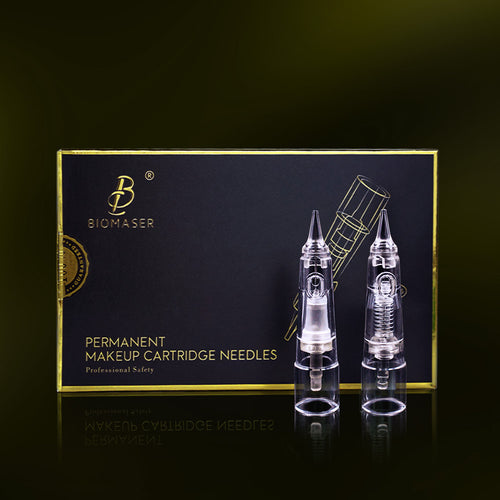
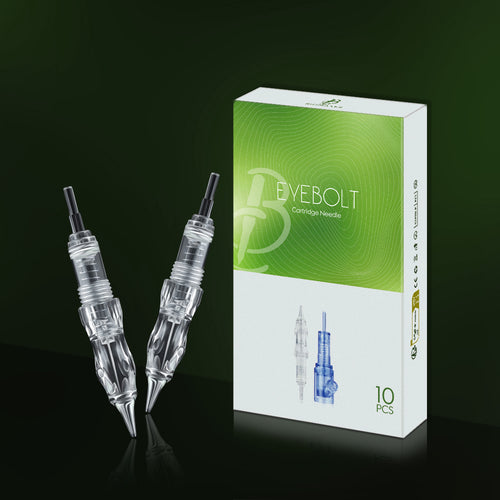
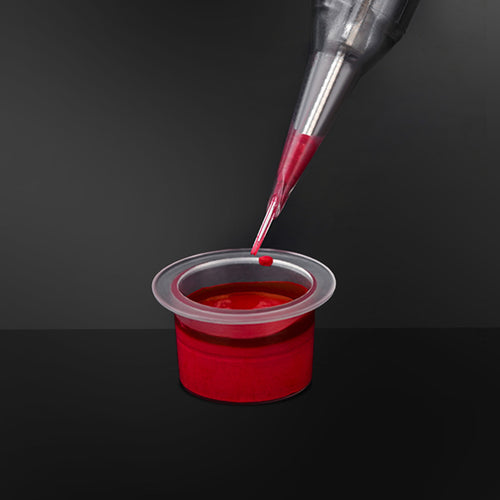
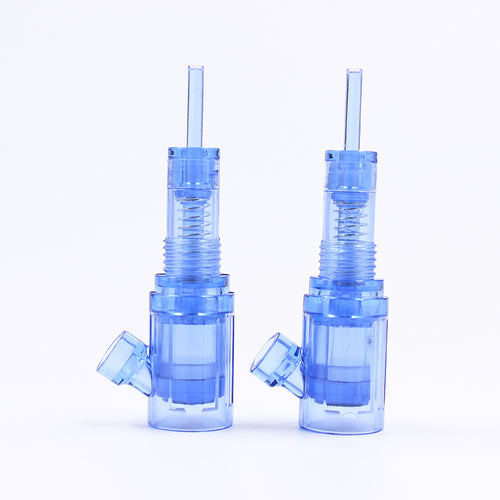
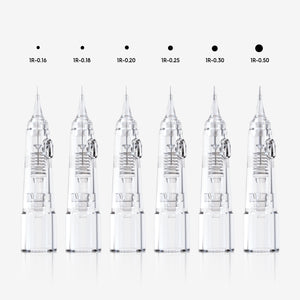
- PMU cartridges: Most modern machines utilize single-use PMU cartridge needles. These plastic casings house fine metal needles that collect fluid and blood inside the chamber during treatments.
- Traditional PMU needles: Older machine setups use standalone needles that connect directly to a needle bar. These bare metal tips stay fully exposed after you finish a procedure.
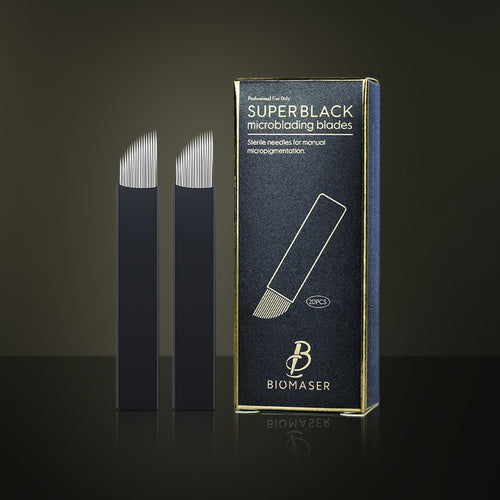
- Microblading blades: Manual eyebrow tattooing requires tiny, razor-sharp pins grouped together. These microblading blades slice skin to deposit pigment, making them highly dangerous tools after use.
- Other contaminated sharp instruments: This group includes any surgical blades used for dermaplaning before a procedure, scissors, or glass ampoules that break during skin prep.

Risks Associated with Improper Sharps Disposal
Tossing loose PMU needles into normal trash bags creates immediate hazards. Metal tips easily poke through plastic, creating serious health and safety threats.
- Needlestick injuries: Accidental pokes bypass the skin's natural defenses, passing fluids from the client into the injured person's bloodstream.
- Exposure to bloodborne pathogens: Viruses like Hepatitis B, Hepatitis C, and HIV can live in dried blood for weeks. A single prick can transmit these lifelong infections.
- Risks to employees, clients, and waste handlers: Exposed blades endanger your staff during cleaning, clients if a needle drops, and city sanitation workers handling garbage trucks miles away.
- Environmental concerns: Biological waste in open dumps stains the ecosystem. Rain washes pathogens into soil and water streams, harming wildlife and polluting local community resources.
Immediate Steps After Using a PMU Needle
Safe handling starts the exact second you finish a tattoo procedure.
Dispose of Needles Immediately After Use
The moment you finish tattooing a client, your cartridge for permanent makeup becomes a high-risk biohazard. You must drop the used tip directly into a specialized box without placing it down on your tray or counter first.
Leaving used needles on workstations creates a major distraction hazard. If you leave a bare blade on your tray while talking to a client or handling money, you might look away and brush your hand against the exposed tip later.
Best practices for minimizing accidental injuries center on a strict "one-touch" rule. Pick up the tool, complete the tattoo work, and move the tool directly from the client's skin into your safety container in one continuous motion.

What Not to Do with Used Needles
Many common accidents happen because artists try to manage their waste using unsafe habits. Avoid these dangerous actions to ensure your studio stays safe:
- Do not recap needles: Trying to push a plastic protective cap back onto a used needle is a leading cause of injuries. Your hand can slip, causing the sharp point to pierce your finger.
- Do not bend or break needles: Bending metal tips can snap the steel, creating flying metal shards that can strike your eyes or face. It also increases the chances of puncturing your gloves.
- Do not place sharps in regular trash bins: Loose needles must never enter standard waste baskets. They will puncture the bag, hidden from view, waiting to pierce the next person who carries the trash outside.
- Do not leave used cartridges unattended: Leaving a contaminated tool on a counter means a coworker or client might bump into it. Treat every used blade with total focus until it sits safely inside a locked container.
Choosing the Right Sharps Container
Storing dangerous waste requires specialized equipment built to withstand sharp metal points.
Key Features of a Compliant Sharps Container
You cannot use old soda bottles, milk jugs, or cardboard boxes to hold your used needles for permanent makeup. You must purchase official containers built specifically for medical waste isolation.
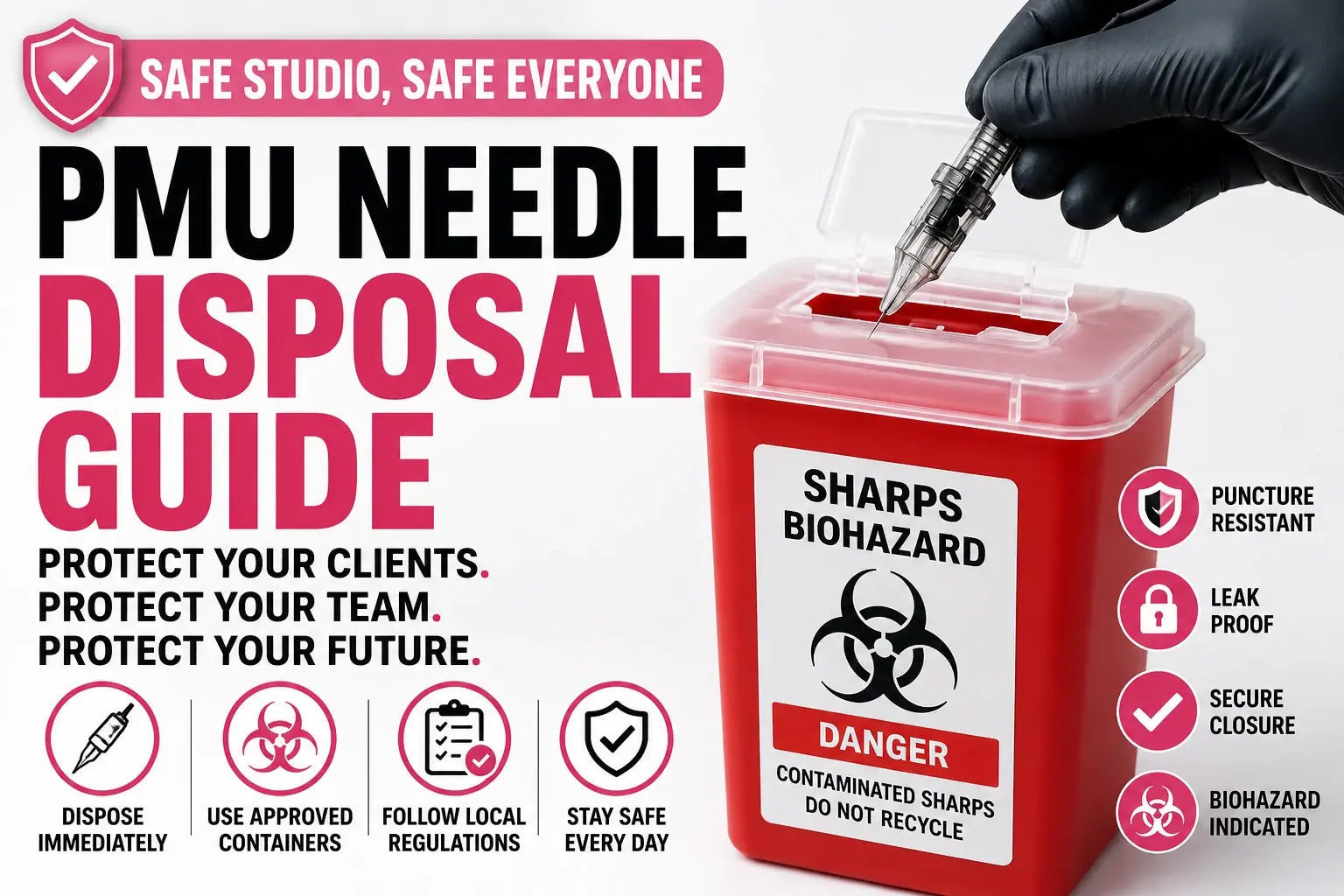
- Puncture-resistant construction is vital. These boxes use thick, high-density plastic that prevents sharp metal points from poking through the sides, even if the needles get pressed hard against the walls.
- A leak-resistant design keeps blood, ink, and fluids from dripping out of the bottom of the box. The seams are welded tight to ensure your tables stay dry and sterile.
- A secure locking mechanism ensures that once the container is full, you can seal the top permanently. The lid snaps shut with heavy tabs so nothing can spill out during transport to a waste site.
- Clearly labeled biohazard markings alert everyone to the danger inside. These bright red or yellow boxes feature the universal biohazard symbol and bold warning text, making them instantly recognizable from across the room.
Where to Place Sharps Containers in Your PMU Studio
The location of your safety box determines how well you follow your safety rules. Place the container within arm's reach of your main work chair so you do not have to walk across the room with an exposed needle.
This close setup ensures high accessibility during procedures, removing the need to carry used tools past your client's face or body. It minimizes the physical distance an open needle travels through the air.
Reducing handling risks means keeping the path between the client and the box completely clear. Maintaining a clean and organized workstation ensures you will not knock over pigment bottles or towels while reaching for the waste opening.
When to Replace a Sharps Container
Never fill a medical safety box completely to the top opening. Every approved container features a clear fill line printed on the outside, usually about three-quarters of the way up the box.
Recommended fill levels state that you must seal the container as soon as the waste reaches this line. Leaving room at the top prevents new needles from sticking out of the opening.
Signs that a container is full include visible piles of plastic cartridges near the lid or difficulty dropping items into the slot. If you have to push a needle down into the box with force, it is already too full.
Overfilling increases injury risk dramatically because loose needles can slide out of the top slot. Your fingers can easily get poked by old needles while you attempt to drop a new cartridge into an overpacked box.
How to Properly Dispose of Full Sharps Containers
Once your safety container reaches its fill limit, you must remove it from your studio using approved channels.
Local Regulations and Disposal Requirements
Waste management rules are not identical everywhere. Different states, counties, and cities write specific laws governing how small businesses handle biohazard items.
Disposal laws vary by location based on local landfill rules and population density. A method that is legal in a rural town might be highly illegal in a major metropolitan center.
Understanding local health and waste-management requirements keeps your business safe from fines.
Common Disposal Options for PMU Professionals
You have several legal choices for clearing out your sealed safety containers. Choose the method that best matches your studio budget and location:
- Licensed medical waste collection services: You can contract with a certified medical waste business. These companies drive to your studio on a schedule, collect your sealed boxes, and leave fresh ones behind.
- Approved sharps disposal programs: Many cities run community collection points where small business owners can drop off sealed hazard boxes for free or for a small fee.
- Healthcare facility or pharmacy drop-off locations: Some local hospitals, clinics, and pharmacies accept sealed safety containers from the public. Always call ahead to confirm they accept commercial beauty business waste.
- Mail-back disposal services where available: You can buy safety containers that include a pre-paid shipping box. Once the container is full, you seal it, place it in the box, and mail it directly to a licensed destruction facility.
Sharps Safety Best Practices for PMU Studios
Creating a safe workplace requires regular effort, continuous team communication, and accurate record-keeping.
Staff Training and Safety Protocols
- If you hire other artists or assistants, everyone must use the exact same safety steps. Write down your handling rules in a master studio manual that every team member reads during onboarding.
- Sharps handling procedures must be practiced step-by-step. Teach every worker how to load needles, how to hold tools safely, and how to drop them into containers without touching the plastic opening.
- Workplace safety education should happen at least once a year. Run a quick meeting to review the rules, check the locations of your safety boxes, and update team members on any new local waste laws.
- Incident reporting requirements ensure that if someone gets hurt, the event is recorded immediately. This tracking helps you find flaws in your setup and improves safety for the future.
Maintaining Compliance and Documentation
If a health inspector visits your permanent makeup studio, you must prove that you dispose of your waste legally. Keeping clean paperwork protects your business license from emergency suspension.
- Disposal records and waste manifests are receipts given to you by your waste service or mail-back program. Save these documents in a folder to prove exactly where your used needles went.
- Inspection readiness means your safety boxes are mounted correctly, labeled properly, and not overfilled. A clean studio tells inspectors that you respect the health laws of your community.
- Following local regulatory guidelines also means keeping your studio registration current. Many cities require cosmetic tattooing businesses to hold a specific medical waste generator permit.
Creating a Sharps Injury Response Plan
Accidents can happen even in highly organized studios. You must have a clear emergency plan posted on the wall so your team knows exactly what to do if a needle punctures their skin.
- Immediate first-aid measures must happen instantly. Wash the wound with warm water and soap for several minutes. Do not use harsh chemicals like bleach on the wound, but allow it to bleed freely under running water to flush out pathogens.
- Reporting procedures require the hurt artist to notify the studio owner right away. Write down the name of the client the needle was used on, the time of the event, and the exact tool style involved.
- Seeking medical evaluation when necessary is the final critical step. Go to an urgent care clinic or emergency room immediately. A doctor can prescribe preventative medications that stop viruses from multiplying if you face exposure.
Common Sharps Disposal Mistakes to Avoid
Learning what mistakes to avoid helps you spot hidden dangers in your daily routine.
Using Household Containers Instead of Approved Sharps Containers
Some artists try to save money by putting used needles into plastic coffee cans, milk jugs, or soda bottles. This is a major mistake because these plastics are thin and can break open easily. Standard household plastic degrades over time, allowing old needles to poke through the sides and injure people.
Overfilling Sharps Containers
Waiting too long to replace a full container creates a high-risk environment. When items pile up past the fill line, the plastic opening can jam. Forcing a new needle into an overpacked box brings your fingers directly into contact with old, exposed points hiding just inside the slot.
Mixing Sharps with General Waste
Tossing used needles into regular trash cans, even if they are wrapped in paper towels or tape, is highly dangerous. Cleaning staff or waste haulers will compress those bags, causing the hidden needles to pierce the plastic and push deep into their hands or legs.
Delaying Needle Disposal Until the End of the Day
Leaving a pile of used cartridges on your work tray until your final client leaves creates a cluttered, unsafe station. You might accidentally knock a needle onto the floor, pick it up by the wrong end, or forget about it completely while wiping down your tray with a towel.
Secure Your Studio by Disposing of PMU Needles Correctly
Isolating used permanent makeup needles preserves your studio's clean reputation and protects everyone from cross-contamination. True safety requires daily consistency. Drop PMU needles into approved containers immediately, follow local waste laws, and keep your team prepared.
FAQs
Q1: Can used PMU needles be thrown away in regular trash?
No. Used PMU needles are considered sharps waste and should be disposed of in an approved sharps container according to local regulations.
Q2: When should I replace my sharps container?
Most safety guidelines recommend replacing or sealing the container before it becomes completely full, typically when it reaches the designated fill line.
Q3: Can I reuse a sharps container?
In most cases, single-use sharps containers should not be reused once sealed. Always follow the manufacturer's instructions and local regulations.
Q4: What should I do if I accidentally suffer a needlestick injury?
Wash the affected area immediately, follow your workplace exposure protocol, report the incident, and seek medical evaluation as required.
