





How tattoo pricing usually works
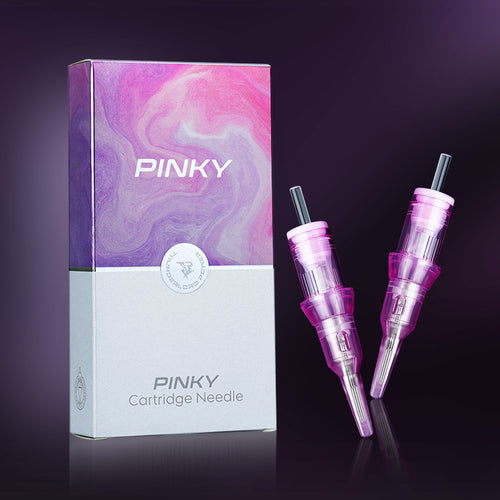
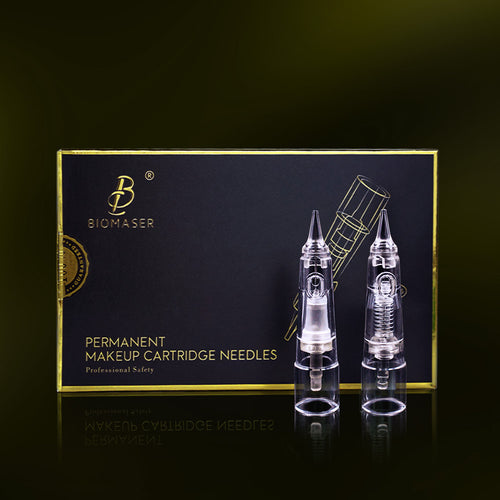
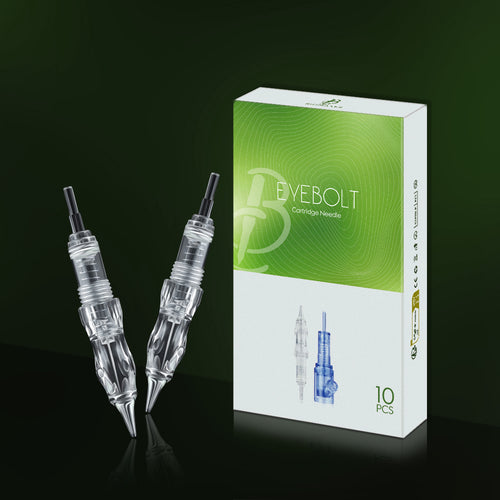
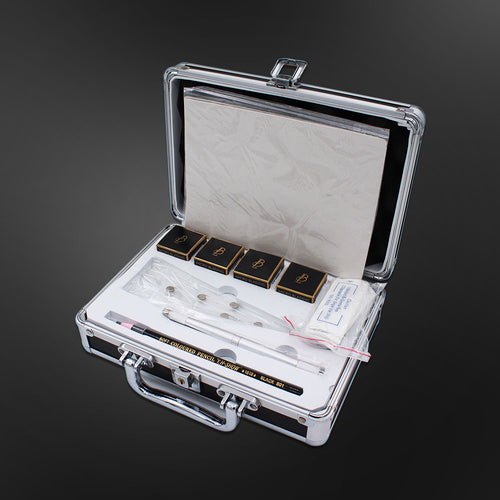
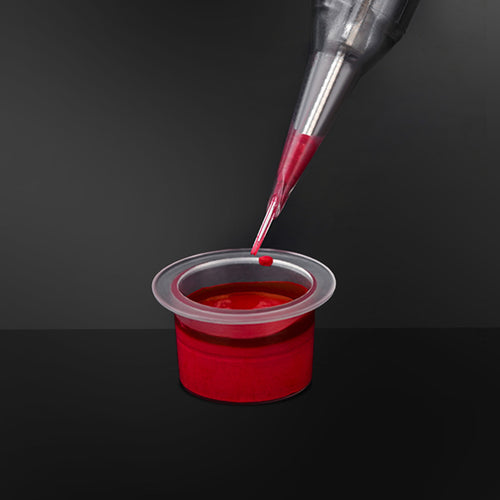
Tattoo studios commonly use hourly rates for complex work and flat rates for small flash designs. A minimum charge often applies even when the tattoo is tiny, because the artist still prepares sterile supplies, needles, ink caps, barriers, stencil material, and workstation cleanup.
The biggest cost drivers are size, detail level, artist demand, and location. Full color can increase cost because the artist may need more passes, more ink changes, and extra time to saturate the skin cleanly.
Planning note: Use the estimate as a negotiation-free planning
range. The final price should come from the artist after seeing your reference, placement, skin area, and desired size.
Budgeting tips before your consultation
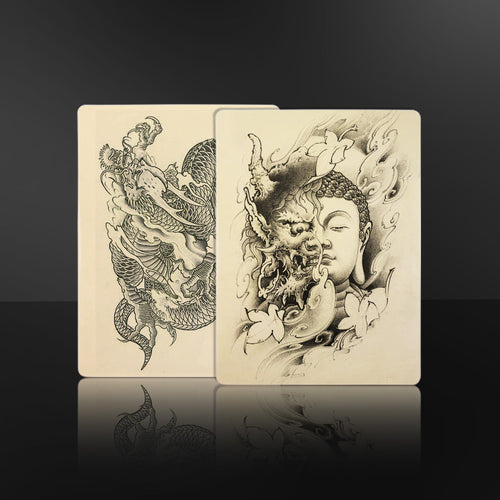
- Save reference images that show both the style and detail level you expect.
- Measure the approximate tattoo height and width, not just the body part.
- Ask whether the artist charges hourly, flat rate, or per session.
- Confirm the deposit policy, reschedule rules, and touch-up window.
- Budget for aftercare products and a 15-20% tip where tipping is customary.