




How to Choose a Qualified Permanent Makeup Artist


Key Takeaways
- Verify Credentials: Choose artists with proper certification, licensing, and ongoing education in permanent cosmetics.
- Study Healed Results: Prioritize real, healed photos over fresh, heavily edited social media posts.
- Prioritize Safety: Confirm strict hygiene protocols, including single-use needles and hospital-grade disinfectants.
- Invest in Quality: Avoid budget-driven choices, as corrective work often costs significantly more than initial quality services.
- Book a Consultation: Use pre-procedure meetings to discuss skin type, technique options, and aftercare plans.
Getting your brows, lips, or eyeliner tattooed changes your face for years. Because pigment goes directly into your skin, choosing the right artist is the most important step. A skilled professional keeps you safe, uses clean tools, and designs a shape that flatters your natural features. On the flip side, poor technique can cause scarring, infections, or color turning gray over time. Taking time to pick a trained specialist ensures smooth healing, great long-term color, and a hassle-free morning routine.
10 Things to Look for in a Qualified Cosmetic Tattooer
Evaluating key credentials helps you identify skilled technicians who consistently deliver great results. Focus on these ten critical traits during your search.
1. Verify Professional Training and Certifications
Ask your technician about their foundational education and advanced training certificates. Reputable specialists gladly display their credentials in their studio or website.
Certificates alone do not guarantee skill, as some short courses last only two days. Look for professionals who continually invest in advanced workshops to sharpen their skills.
2. Review Healed Results, Not Just Fresh Photos
Freshly applied pigment looks dark, sharp, and vibrant. Healed photos reveal actual skill, showing how well the skin retains color once inflammation subsides.
Healthy healed skin displays soft edges, crisp details, and smooth shading. Color should look uniform without patchy spots, thick scab scars, or harsh boundaries.
Consistent healed results indicate accurate needle depth. Technicians who post long-term client updates demonstrate confidence in their work.
3. Check Experience With Your Specific Procedure
Technicians often specialize in eyebrow microblading, lip blush, or eyeliner. Review their portfolio to confirm deep experience in the exact service you want.

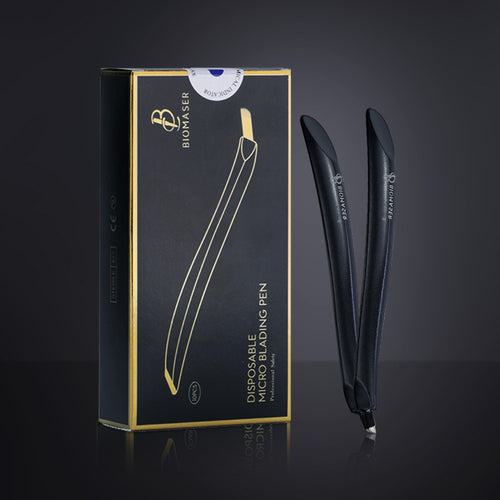
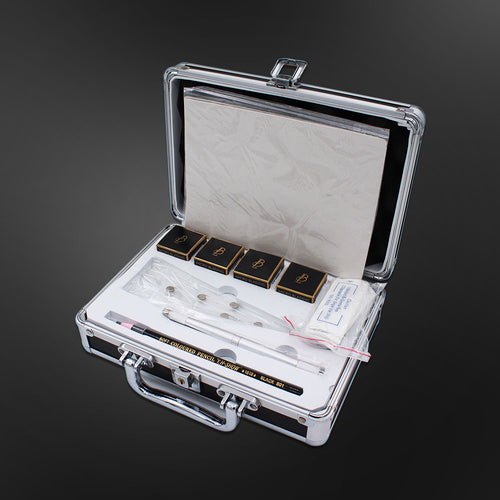
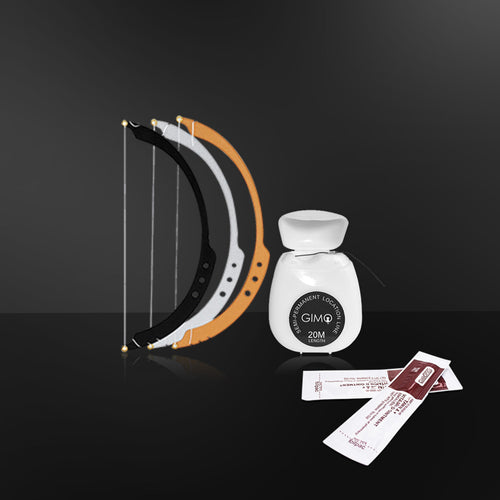
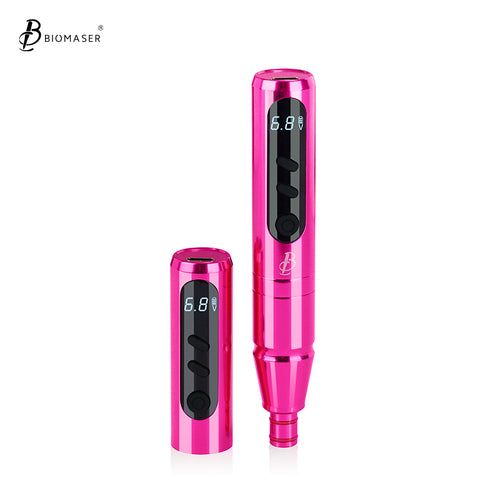
3 Heads Microblading Eyebrow Embroidery Hand Permanent Makeup Pen Tools
Specialists adapt their approach based on your unique skin type. For example, oily skin reacts differently to microblading strokes compared to dry skin types.
4. Evaluate Hygiene and Safety Standards
Your technician must use single-use, pre-sterilized needles opened right in front of you. All non-disposable equipment requires protective plastic barrier wrapping during the appointment.
Top studios use hospital-grade disinfectants to wipe down chairs, trays, and lights between clients. Proper cross-contamination prevention protects you from bloodborne pathogens.
5. Read Genuine Client Reviews
Look past star ratings and read detailed feedback on Google or third-party review sites. Pay attention to how clients describe their healing process and long-term customer care.
Notice how the studio handles occasional negative feedback. Professional artists address concerns calmly, offering fair solutions instead of deleting comments or acting defensive.
6. Schedule a Consultation Before Booking
Use an initial meeting to discuss your aesthetic goals, desired shape, and daily makeup routine. Clear communication ensures both of you share the same vision.
Your technician must review your medical background to spot potential issues. Autoimmune conditions, blood thinners, or active skin flare-ups require special precautions.
7. Assess Their Portfolio for Consistency
A strong portfolio showcases consistent quality across various ages, skin tones, and bone structures. Avoid artists who create the exact same brow shape for every face.
Watch out for heavy photo filters or digital smoothers. Authentic portfolios feature clear lighting, visible skin texture, and unedited details.
8. Ask About Pigments, Equipment, and Techniques
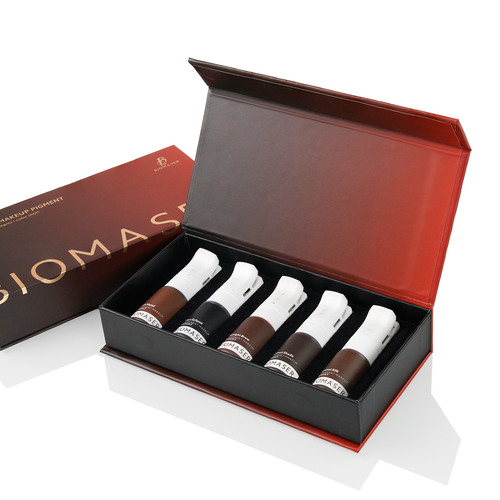
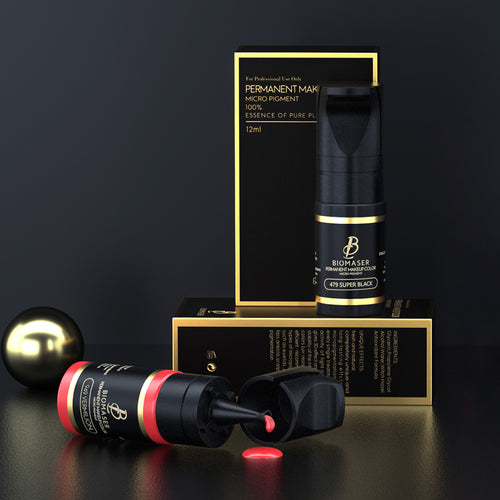
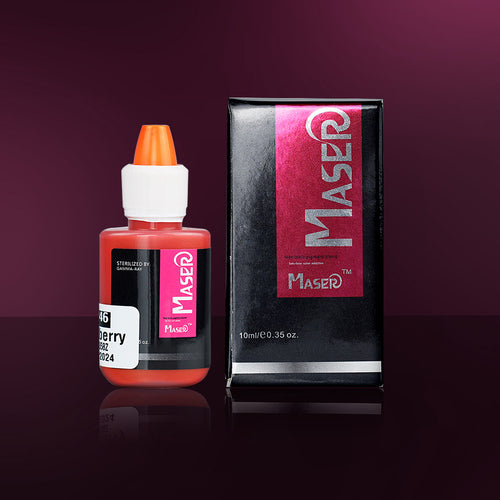
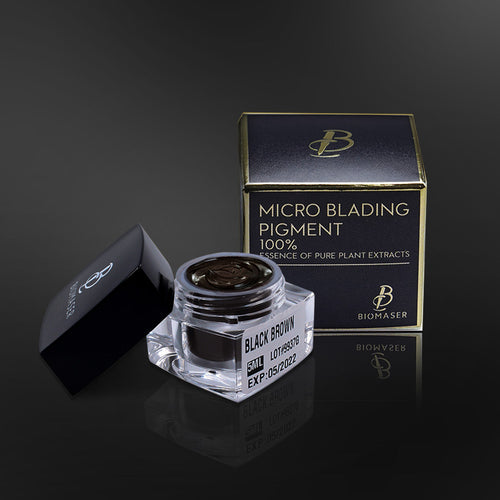
Inquire about the permanent makeup pigments used in the studio. High-grade formulas resist turning unnatural shades of pink or purple over time.
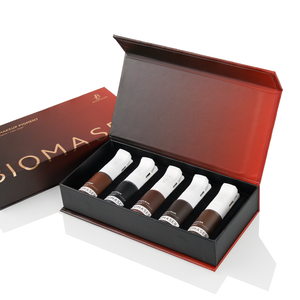
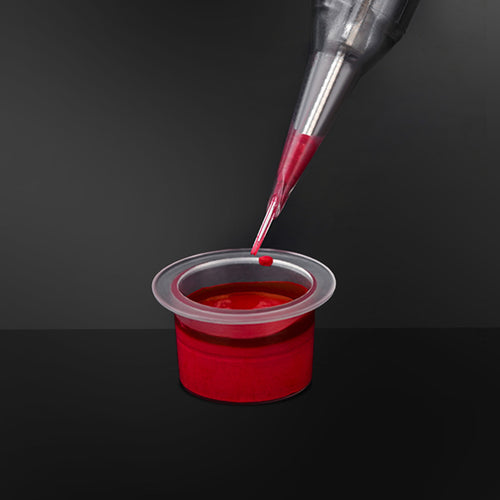
Biomaser Eyebrow & Eyeliner Pigment Collection
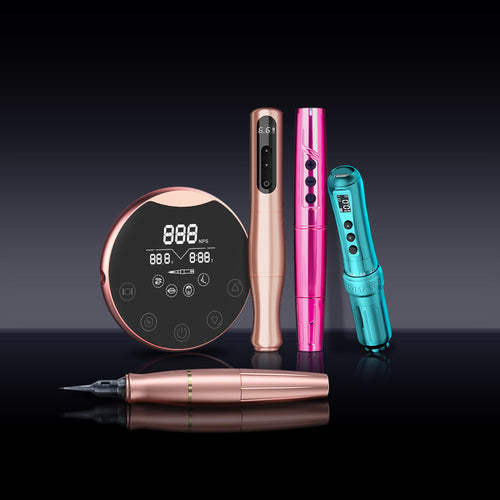
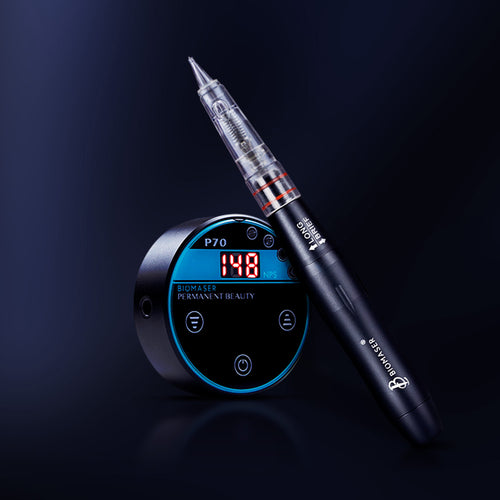
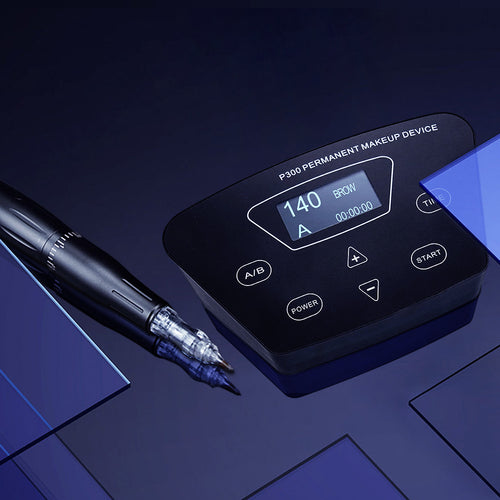
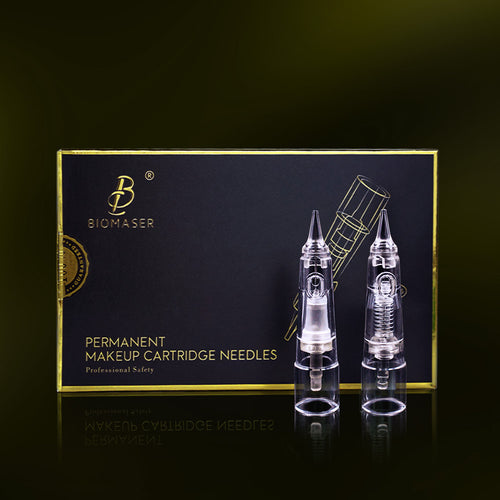
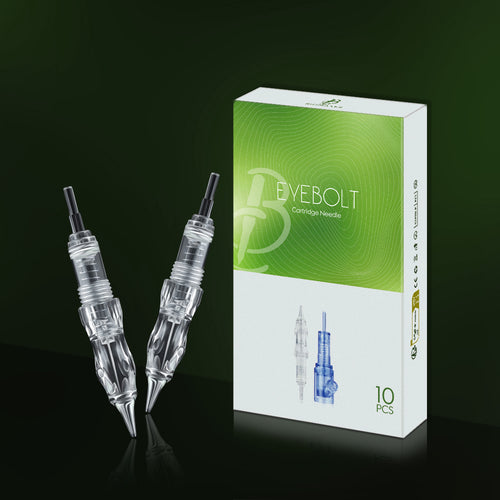
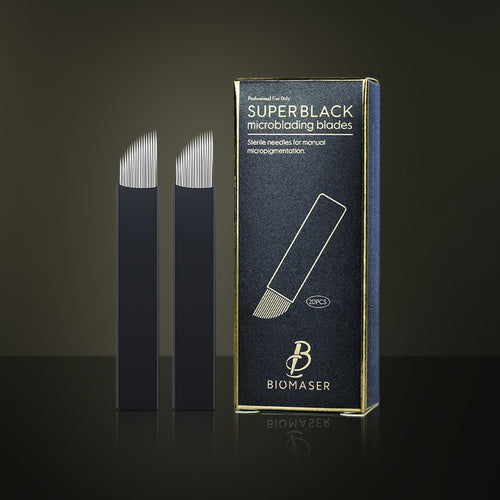
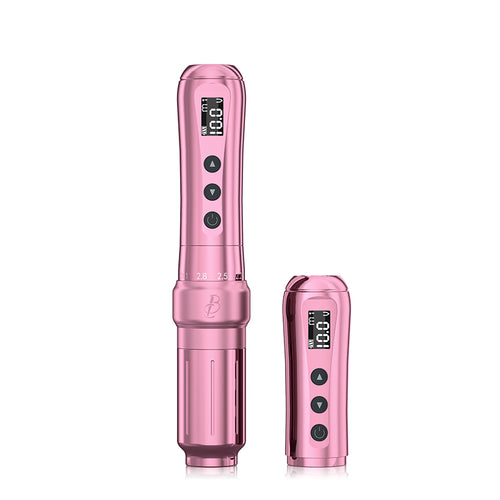
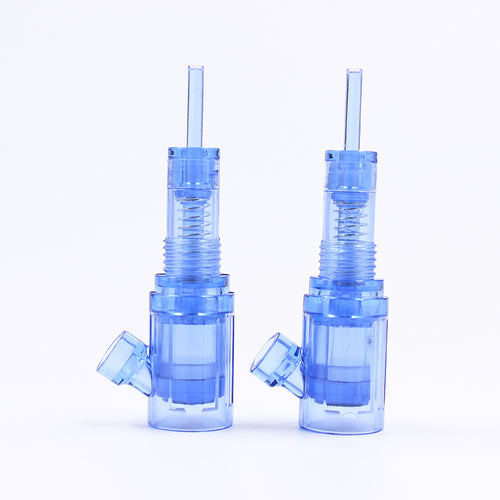
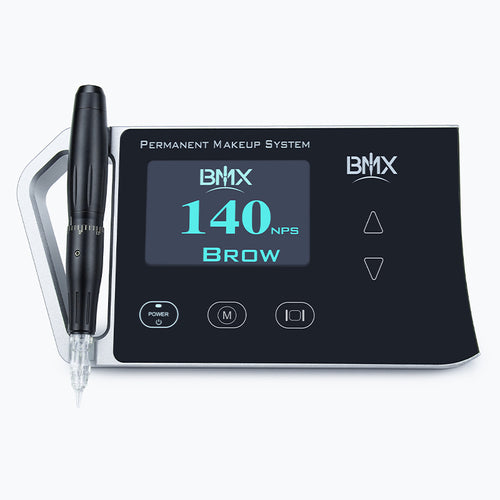
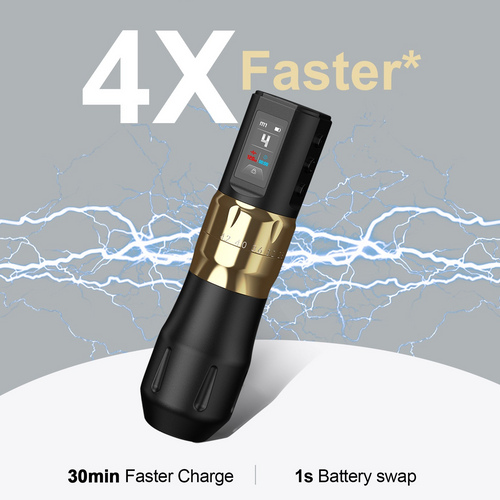
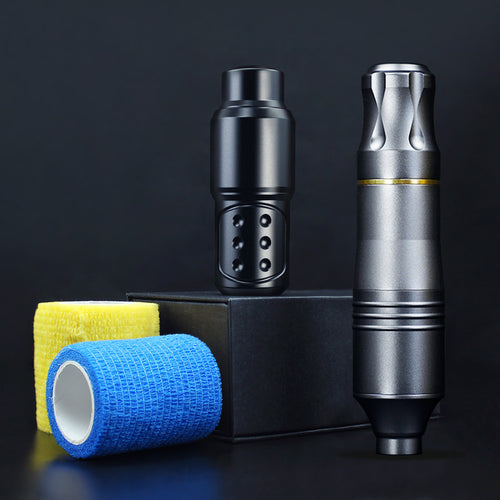
Ask about the permanent makeup machine and needle cartridges selected for your treatment. Modern equipment offers finer control, causing less tissue trauma.
9. Understand the Aftercare and Touch-Up Process
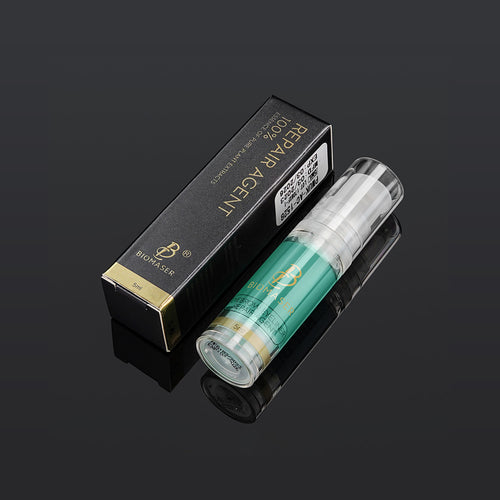
A reliable artist provides detailed, written permanent makeup aftercare instructions. Proper home care prevents infections and preserves color vibrancy during healing. Clients can also use PMU aftercare products to support the healing process after their procedure.
Inquire about the mandatory touch-up appointment held six to eight weeks later. This follow-up session fills light spots and perfects final shape details.
10. Don't Choose Based on Price Alone
Low prices often reflect cheap supplies, minimal training, or a lack of licensing. Fixing poorly done cosmetic tattoos often requires costly laser removal. Consider the fee an investment in your safety and confidence. Quality work costs more upfront but saves money and stress over time.
Red Flags That May Indicate an Unqualified Artist
Recognizing early warning signs keeps you safe from bad results and health hazards. Avoid providers who exhibit these major red flags.
No Healed Photos or Limited Portfolio
Artists who only post fresh procedures might be hiding poor retention results. If they cannot show healed work on various skin types, keep looking.
Poor Hygiene or Unclear Safety Practices
Dirty workspaces, unwrapped machines, or reused supplies pose serious health risks. Walk away immediately if a studio lacks basic cleanliness.
Unrealistic Promises or Guaranteed Results
Skin heals uniquely for everyone. Be cautious of providers promising permanent perfection without touch-ups, as skin changes naturally over time.
No Consultation or Rushed Booking Process
Skipping pre-procedure consultations shows a lack of client care. Quality artists take time to map shapes, discuss health histories, and set expectations.
Prices That Seem Too Good to Be True
Extremely cheap rates usually indicate cheap materials or lack of experience. Quality needles, stable pigments, and proper insurance cost real money.
Questions to Ask Before Booking Your Appointment
Preparing specific questions helps you gauge an artist's expertise and professional standards. Bring this checklist to your consultation.
Key Questions Checklist:
- Qualifications: Where did you complete fundamental training, and how many hours of supervised practice did you finish?
- Safety: Are your needles single-use, and do you hold current bloodborne pathogen certification?
- Expectations: How will this specific technique age on my particular skin type over the next two years?
- Aftercare: What products should I apply or avoid during the healing phase?
Choose Your Provider With Confidence
Finding a qualified permanent makeup professional requires patient research. Prioritize proper training, clean facilities, clear communication, and proven healed results over low prices or flashy social media pages. Investing time in research leads to safe, natural outcomes you will love every single day.
Common Questions About Permanent Makeup Artist
Q1. How do I know if a permanent makeup artist is qualified?
Look for verifiable training certificates, state licensing, bloodborne pathogen certification, and a strong portfolio filled with clear, healed photos.
Q2. Should I trust before-and-after photos on social media?
Look closely for heavy filters, blurred skin, or studio lighting changes. Trust artists who post close-ups and video clips of healed work alongside fresh photos.
Q3. What questions should I ask during a PMU consultation?
Ask about their training hours, pigment ingredients, hygiene practices, skin-type suitability, and what full healing entails for your specific procedure.
Q4. Is it worth paying more for an experienced permanent makeup artist?
Yes. Higher prices reflect proper safety protocols, high-grade equipment, extensive training, and reliable results that save you from costly correction work later.
