




Common Nano Brows Mistakes and How Artists Can Avoid Them

Key Takeaways
- Depth Control is Key:Implanting pigment too deep causes gray, blurry lines, while shallow work leads to poor retention.
- Proper Spacing Prevents Merging:Keep hair strokes spaced out to prevent them from blurring together as they heal.
- Skin Type Matters:Oily skin does not hold crisp strokes well, making powder or combo brows better alternatives.
- Master the Motion:Consistent machine speed and hand movement create clean, natural-looking results.
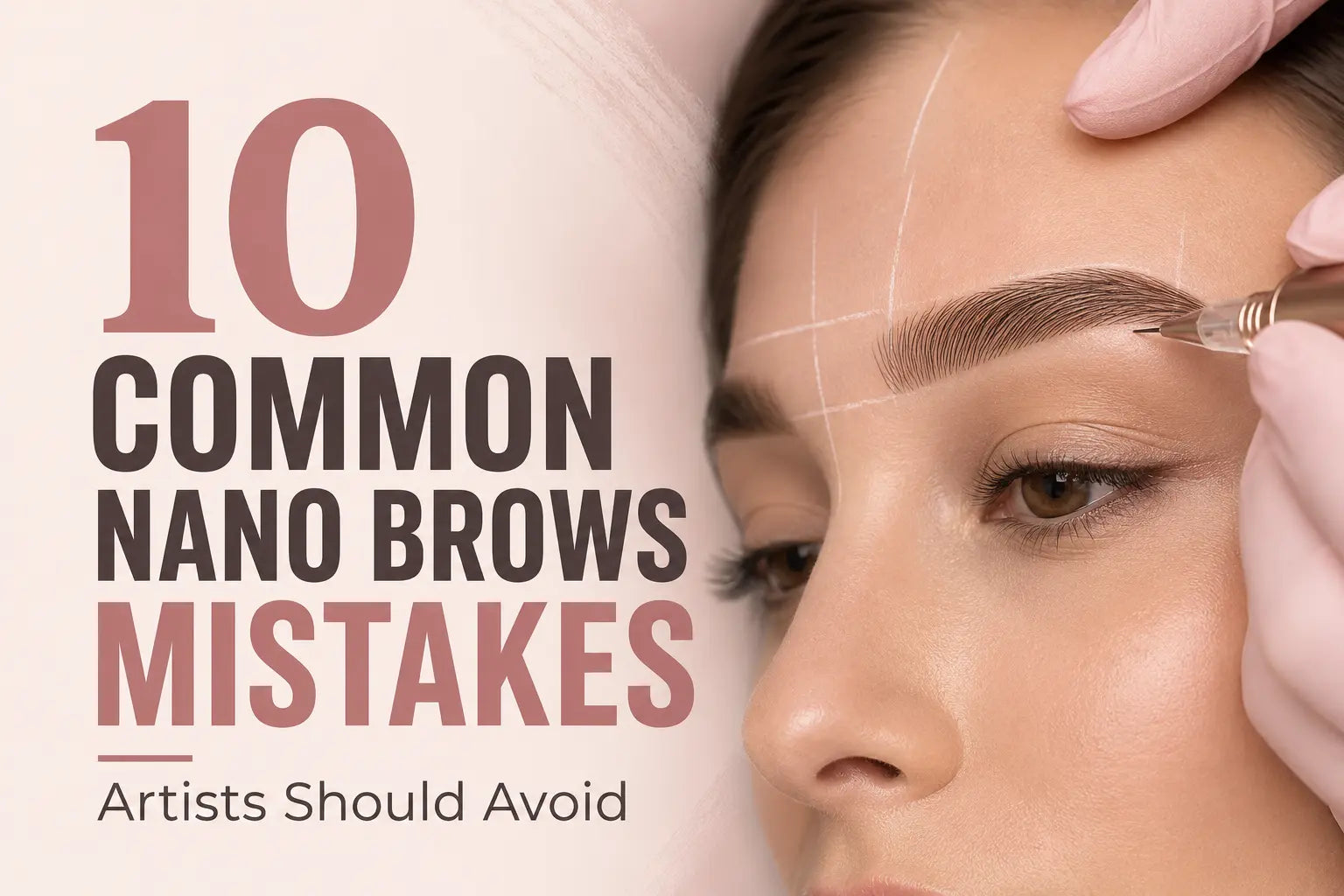
Nano brows produce incredibly natural-looking, long-lasting results, but they require precision, technical skill, and a deep understanding of skin behavior. Even experienced PMU artists can make mistakes that affect pigment retention, healed results, and client satisfaction. This text discusses the most common nano brows mistakes and offers practical tips to help artists improve their technique and achieve consistently beautiful outcomes.
What Makes Nano Brows More Challenging Than Other Brow Techniques?
Achieving pristine results with this advanced hair stroke technique requires a high level of control and specialized knowledge. Here is why this procedure is so difficult to master.
How Nano Brows Differ from Microblading
Microblading uses a manual hand tool with a blade to cut small lines into the skin. In contrast, nano brows use a digital PMU machine to deposit tiny dots of pigment that form a clean line. This method creates finer hair strokes and causes less skin trauma. Because the needle moves rapidly up and down, the artist must maintain high precision to keep the lines clean and smooth.
| Feature | Microblading | Nano Brows |
|---|---|---|
| Tool Used | Manual hand tool with a blade | Digital PMU machine |
| Skin Trauma | Higher (slices the skin) | Lower (deposits tiny dots) |
| Precision | Medium | Extremely High |
| Suitable Skin Types | Normal to dry skin only | Most skin types (with adjustments) |
Why Technique Matters More Than Equipment
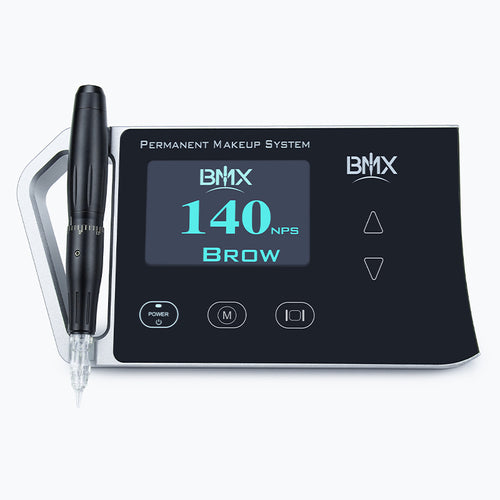
Some artists believe buying expensive tools will automatically improve their work. But machine settings alone cannot guarantee great results. Even the best nano brow machine paired with ultra-thin nano needle cartridges cannot fix poor hand posture. The artist must manage the needle depth, the entry angle, and the speed of their hand control to get crisp, healed results.
10 Common Nano Brows Mistakes Artists Make
Even skilled professionals can fall into habits that ruin healed results. Identifying these ten frequent errors helps artists adjust their daily habits and deliver better brow services.
Mistake 1: Implanting Pigment Too Deep
Going too deep is a frequent error. When the permanent makeup machine runs at high speeds, pushing too hard pushes pigment into the deep dermis layer of the skin. This causes blurred strokes and pigment migration. Deeply placed pigment also looks cold, leading to gray or blue healed brows.
Pro Tip: Artists can recognize the proper depth by listening to the machine, checking for minimal bleeding, and looking for a light bounce in the skin. If you see immediate graying, you are working too deep.
Mistake 2: Implanting Pigment Too Shallow
Working too shallow is the opposite problem. If the needle only reaches the dead epidermis layer, the body sheds the color during the skin cycle. This leads to poor pigment retention and patchy healing. Artists must find the right balance, placing the pigment exactly in the upper dermis so the color stays in place without spreading.
Mistake 3: Creating Hair Strokes That Are Too Close Together
Fresh hair strokes may look beautiful when they are tightly packed, but closely spaced strokes can heal into a blurred or merged appearance. Leaving adequate space between each line allows the strokes to heal naturally.
Mistake 4: Incorrect Hair Stroke Direction
A common mistake is drawing strokes in a generic pattern. If the artist ignores the natural hair growth patterns, the final look looks fake. Real brow hairs grow in different directions depending on the section of the brow. Creating a realistic flow from the brow head to the tail makes the tattoo blend seamlessly with the client's actual hair.
Mistake 5: Poor Brow Mapping
Mapping is the foundation of any brow procedure. Many artists over-rely on symmetry tools and try to make both brows identical. No face is perfectly symmetrical. Artists must adapt their designs to individual facial anatomy, bone structure, and muscle movements to create a flattering look.
Mistake 6: Choosing the Wrong Pigment Color
Picking the wrong shade leads to poor healed results. Artists must match the skin undertones—warm, cool, or neutral—with the right pigment. They must also consider existing old pigment and natural hair color. Ignoring these details leads to unwanted color shifts, like brows turning orange, red, or gray over time.
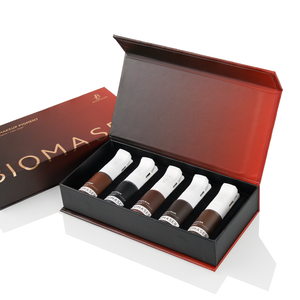
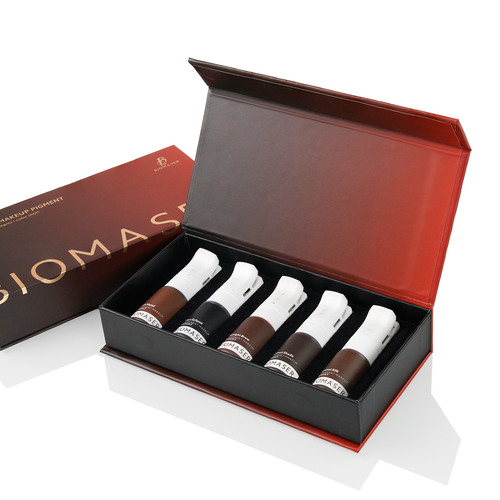
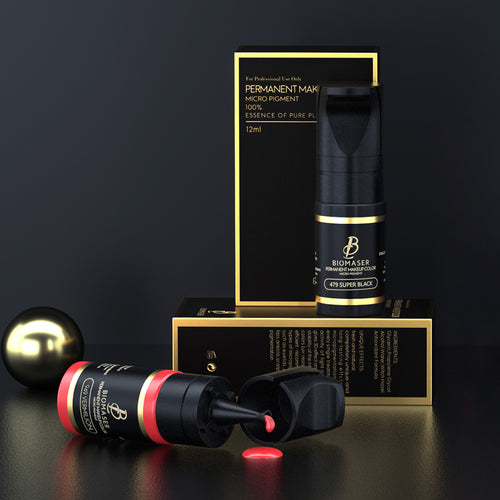
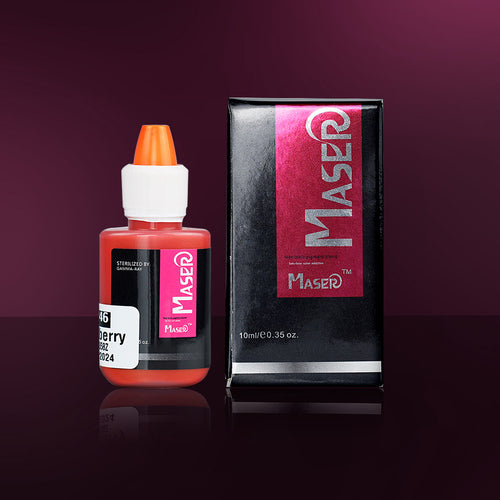
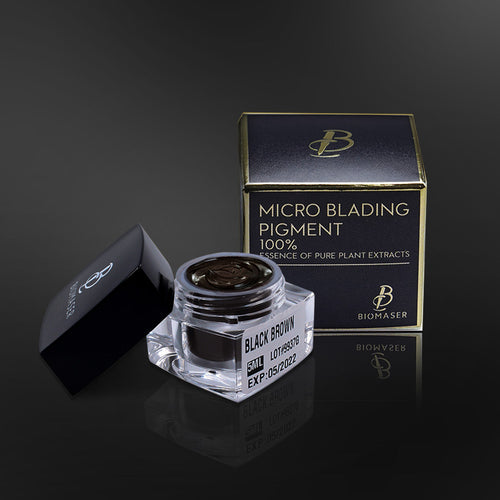
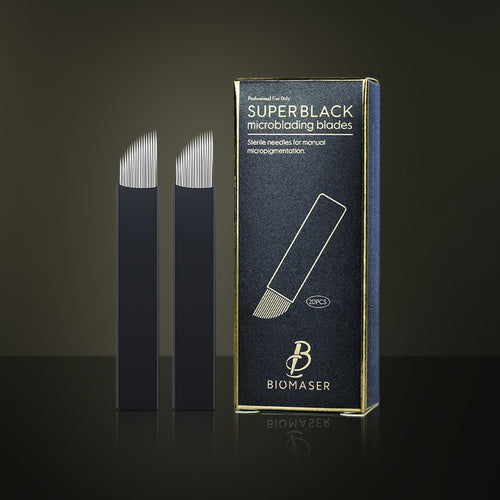
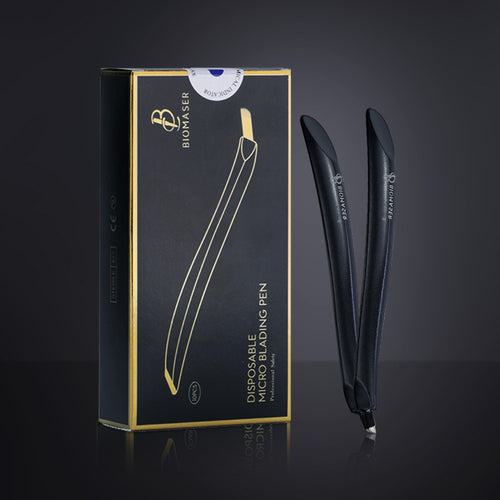
Biomaser Eyebrow & Eyeliner Pigment Collection
Mistake 7: Oversaturating the Skin
Applying too many passes in one area causes unnecessary damage. Oversaturation increases skin trauma and leads to a longer healing process. The skin can only hold a certain amount of pigment. Knowing when to stop prevents scarring and keeps the hair strokes looking soft and light.
Mistake 8: Ignoring Different Skin Types
Not all skin is the same. Oily skin does not hold crisp nano strokes as well as dry skin. Mature and sensitive skin requires a lighter touch because it is thinner and bruises easily. For clients with highly oily skin or large pores, recommending combo brows or powder brows is often a better choice.
Mistake 9: Incorrect Machine Settings and Needle Control
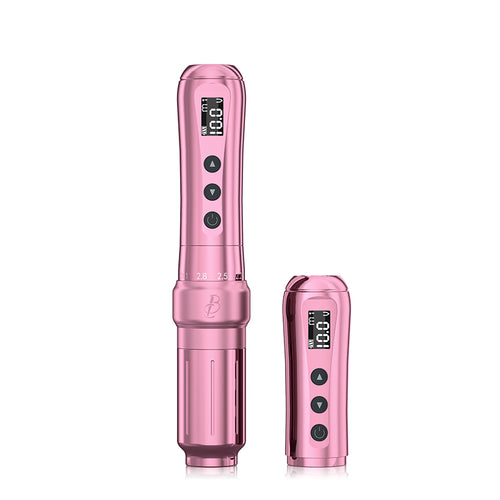
Using wrong voltage and speed adjustments can ruin a set of brows. If the voltage is too high and the hand moves too slowly, the machine creates a solid line instead of dotted strokes. Artists who use a wireless PMU machine or a traditional corded rotary PMU machine must maintain a proper machine angle—usually 90 degrees—to deposit the color cleanly.
Mistake 10: Poor Client Consultation and Aftercare Education
Technical skill is only half the battle. If artists do not set realistic expectations, clients may be unhappy with the normal healing process. Artists must identify medical contraindications prior to the session. Providing clear aftercare instructions ensures clients do not scratch, wet, or damage their healing brows.
How to Improve Your Nano Brows Technique
Improving your skills requires deliberate practice and a willingness to evaluate your own work. Use these strategies to elevate your technical execution and build a stronger business.
Practice on Latex Before Working on Clients
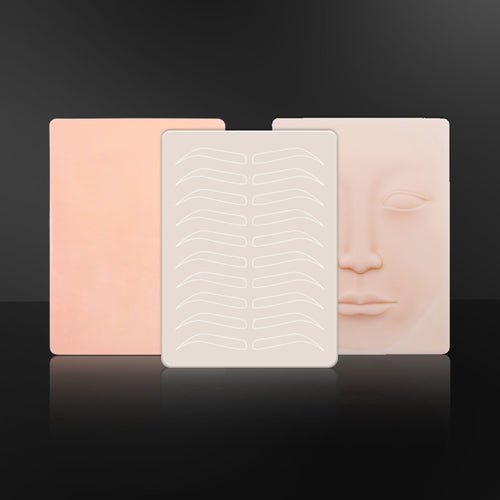
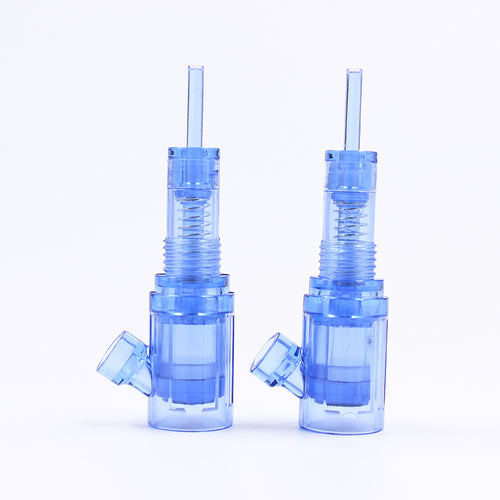
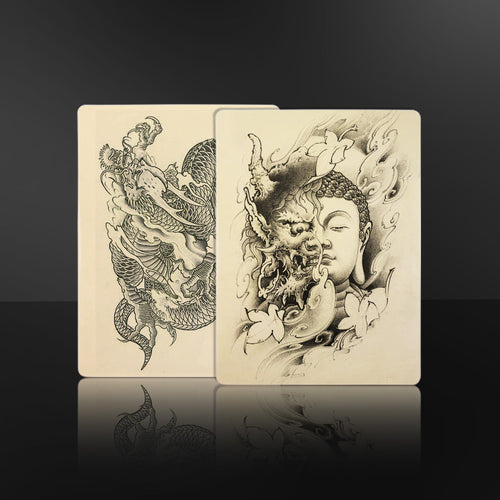
Practicing on synthetic skins helps build muscle memory. Hook up your PMU machine and test different PMU cartridge needles to see how they create lines. Regular practice helps you control your hand speed and maintain consistent depth without the pressure of working on a real face.
Focus on Healed Results Instead of Fresh Results
Freshly tattooed brows look great on social media, but healed work reflects your true skill. Requesting clients to return for touch-ups allows you to analyze how your work healed. Building a portfolio with long-term outcomes builds trust with future clients.
Keep Learning Through Advanced Training
The permanent makeup field changes quickly. Attending workshops and learning from experienced PMU educators helps you stay updated with evolving techniques. Continual training keeps your skills sharp and helps you correct bad habits early.
Best Practices for Consistent Nano Brows Results
Establishing a standard system for your appointments prevents mistakes and saves time. Follow these steps during every session to ensure your clients receive top-quality treatment.
Follow a Structured Workflow
A consistent workflow reduces errors. Follow these key steps for every appointment:
- Consultation: Understand the client's goals and check for contraindications.
- Brow Mapping: Design a shape that fits the client's unique bone structure.
- Pigment Selection: Choose a color that matches the skin undertone and natural brow hairs.
- Machine Setup: Set up your nano brows machine with the appropriate PMU needle cartridges.
- Implantation: Create precise, evenly spaced hair strokes at the correct dermal depth.
- Aftercare Guidance: Provide detailed verbal and written instructions for home care.
Create a Personalized Treatment Plan
Every client has unique needs. Customize your approach based on the client's skin type, age, and lifestyle. Take previous PMU work into account, as scarred or saturated skin requires different handling. Tailor the brow style to client preferences while keeping the final look natural.
Signs of Successful Nano Brows
Knowing what excellent work looks like helps you evaluate if your technique is producing quality results. Look for these specific markers immediately after the procedure and after the skin heals.
Immediately After the Procedure
Right after the service, the brows should display crisp, clean hairstrokes with minimal skin trauma. There should be little redness or swelling. The color saturation must look balanced, with no single stroke looking excessively dark or thick compared to the others.
After Healing
Healed nano brows should look soft and natural. The pigment retention should be even across both brows. Most importantly, the hair strokes must retain clear definition without excessive spreading or turning into a solid shade.
Create Flawless Healed Nano Brows
Great nano brows show their true quality weeks after the appointment. By paying close attention to your needle depth, stroke spacing, and skin analysis, you prevent messy healing and poor retention. Focus your energy on long-term results rather than instant photos. Your clients will love their soft, realistic brow hairs, and your reputation as a highly skilled PMU artist will grow.
Common Questions About Nano Brows Mistakes
Q1. What is the most common mistake in nano brows?
The most common mistake is implanting pigment too deeply, which can cause blurry strokes, color migration, and poor healed results.
Q2. Why do nano brows heal blurry instead of crisp?
Blurry healing can result from overly deep implantation, overcrowded hairstrokes, excessive saturation, or choosing the wrong technique for the client's skin type.
Q3. Are nano brows suitable for every skin type?
No. While nano brows work well for many skin types, some clients—especially those with very oily skin, significant scar tissue, or previous saturated brow tattoos—may achieve better results with combo or powder brows.
Q4. How can PMU artists improve their nano brows technique?
Regular practice, reviewing healed results, refining machine control, understanding skin anatomy, and continuing advanced education are the most effective ways to improve long-term results.
