





Hybrid Pigments Explained: The Best of Both Worlds or Just Hype?

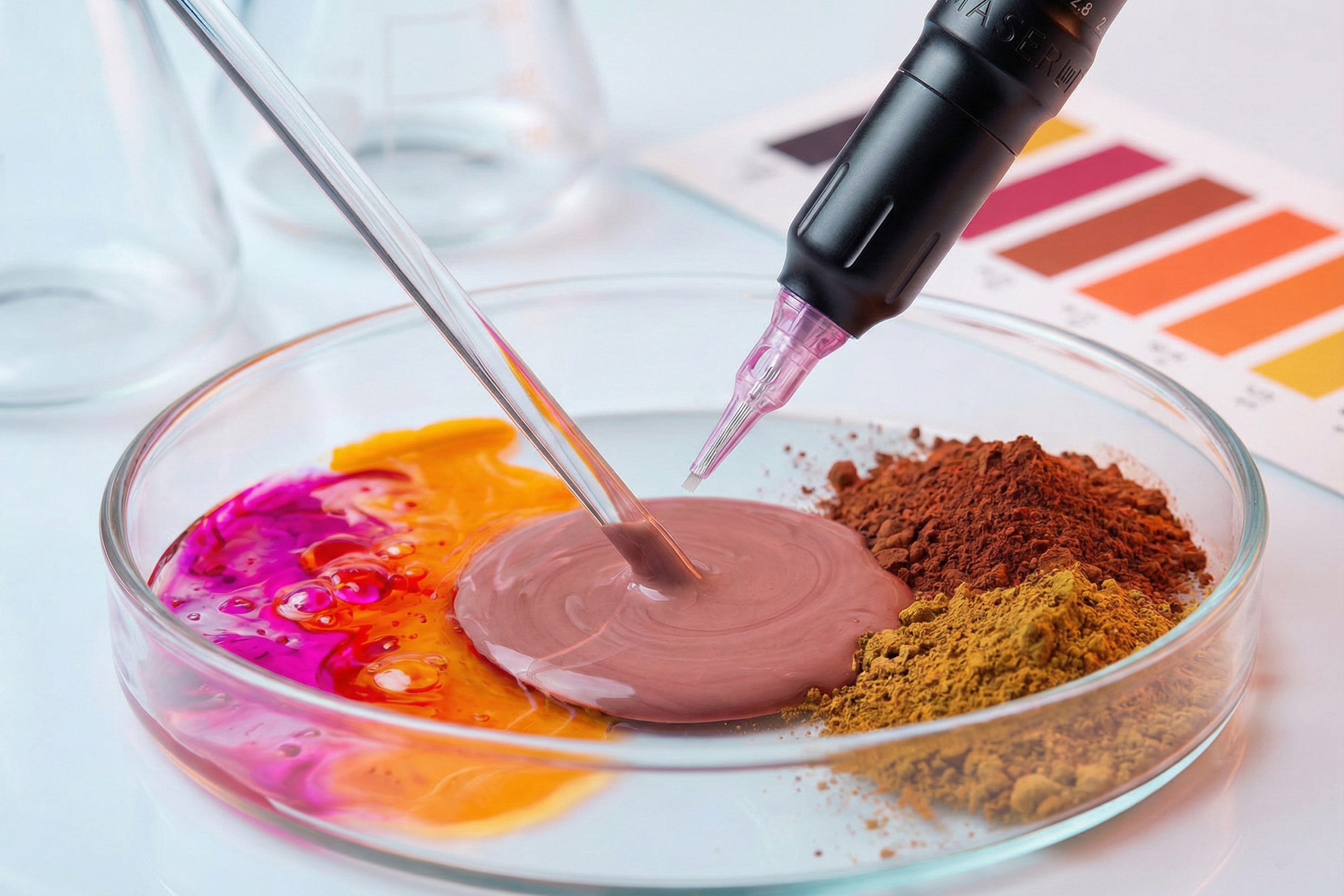
Selecting the right PMU pigments shapes results for years. The specific permanent makeup ink used determines how a tattoo looks today, how it heals tomorrow, and how easy it is to change years from now. Hybrid pigments in PMU are popular because they blend organic and inorganic chemistry for better retention. But what's the real difference between organic, inorganic, and hybrid pigments? This comparison breaks down each formula to help you pick the best PMU ink for your technique.
Comparing Organic, Inorganic, and Hybrid PMU Pigments
Different pigments act differently under the skin. Knowing the chemical basis of these colors will help you understand how they will fade or change over time and how much coverage they'll offer right after the initial procedure.
Simple Definitions for PMU Colors
- Organic pigments: These are carbon-based. They are famous for being bright, vivid, and highly saturated. They have small particles that stay very bold in the skin.
- Inorganic pigments: These are mineral-based, often using iron oxides. They are more muted and earthy. They provide great coverage and look very natural because they are opaque.
- Hybrid pigments: This isn't just mixing two inks in a cup. True hybrid pigments are scientifically formulated so the organic and inorganic elements bond together to prevent separation and uneven fading.

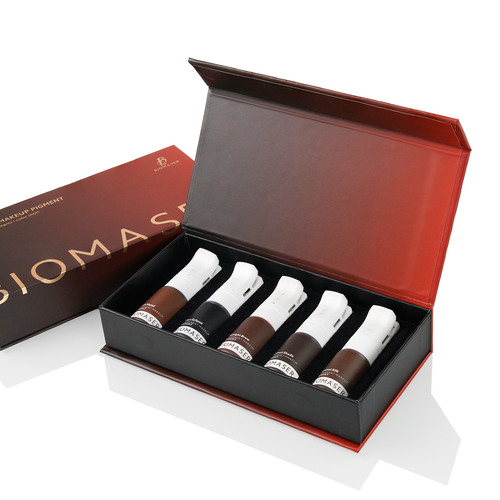
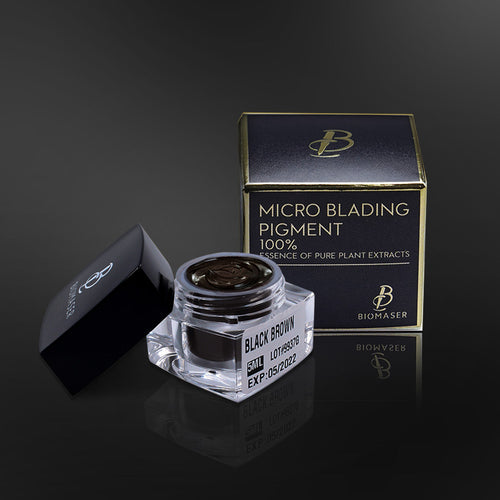
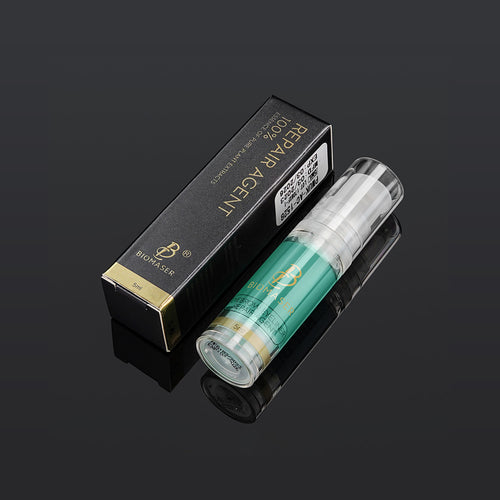
Biomaser Blend PMU Pigment - Brow & Eyeliner Ink for Light to Medium Skin Tones
Side-by-Side Comparison of Pigment Performance
| Factor | Organic Pigments | Inorganic Pigments | Hybrid Pigments |
| Fresh Color | Bright and saturated | Muted and earthy | Balanced and clean |
| Opacity | Usually lower/translucent | Usually higher/opaque | Medium to high |
| Healed Goal | Bold "makeup" look | Soft "powder" look | Modern "soft makeup" |
| Fade Path | May shift or fade soft | Can look dull over time | Designed for neutral fading |
| Implantation | Thin; needs precision | Thicker and creamier | Smooth; easy to use |
| Correction | Good for saturation | Good for neutralizing | Versatile for many tasks |
The Truth About the Hybrid Label
The word 'hybrid' is often used as a catch-all marketing term, but the actual ratio of ingredients is what defines the results. Not all hybrid pigments are created equal. One brand might be organic-dominant (e.g., 90% organic), offering high vibrancy but requiring lighter application, while another is inorganic-dominant (e.g., 90% inorganic), offering a softer, powder-like finish.
This ratio dictates how the pigment implants, heals, and fades. Instead of relying solely on the 'hybrid' label, savvy artists should check the CI (Color Index) numbers on the ingredient list to understand whether the formula leans more organic or inorganic."
The Pros and Cons of Using Hybrid Pigments
Like any tool, these colors have strengths and weaknesses that affect the final look on a client's face.
Pros of Hybrid Pigments
These formulas are popular because they perform well in several specific areas:
- Balanced Aesthetic: They create a look that is natural yet defined. This balance makes them a top choice for modern brow styles and soft PMU lip pigment applications.
- Versatile Palette: It is much easier to find nuanced neutrals for brows or trendy, soft tones for lips. The mix of ingredients allows for a wider variety of colors than traditional mineral lines.
- Workflow-Friendly: Many artists find these pigments more forgiving. They flow smoothly from the needle, which helps achieve even saturation during machine shading without overworking the skin.
Cons of Hybrid Pigments
On the other hand, you should keep these risks in mind:
- Unpredictable Fade Path: The organic and inorganic parts of the mix may leave the skin at different speeds. If the warm colors fade faster than the cool ones, the brows might look ashy or gray over time.
- Formula Differences: The word "hybrid" does not have a standard definition. One brand might use mostly organic dyes while another uses mostly minerals. This makes it hard to predict results when switching between different lines of permanent makeup ink.
- Correction Challenges: Planning for the future is vital. Because the ingredients are mixed, removing the color with a laser or saline can be harder. You must consider if the client wants touch-ups, color changes, or possible removal years from now.

How Long Do Hybrid Pigments Last in the Skin?
The lifespan of your work depends on how the skin interacts with the pigment's unique formulation. Since hybrid pigments blend smaller organic particles (for vibrancy) with larger inorganic particles (for opacity), they typically offer retention that lasts longer than pure inorganic colors but fades more softly and naturally than pure organic inks.
Factors Affecting Hybrid Pigment Longevity
- Skin Type: Oily skin generally metabolizes PMU pigments faster. While hybrids have excellent staying power, excess sebum production can cause the pigment to blur (crisp strokes become softer) or fade sooner than on dry-to-normal skin.
- Pigment Load: Quality matters. High-quality permanent makeup inks with a high pigment load (concentration) typically remain vibrant for 1 to 3 years. Lighter, more diluted shades (like blondes or soft lip blushes) naturally have less saturation and will require fresher touch-ups sooner.
- Sun Exposure: UV rays break down the chemical bonds in pigment molecules. Clients who skip daily SPF often experience faster fading and potentially unwanted color shifting (warming or cooling) as the pigment oxidizes.
- Application Depth: This is critical. Placing pigment too shallow results in early fallout as the epidermis regenerates. Placing it too deep (into the dermis) causes the "Tyndall Effect," making even warm hybrid colors look cool, gray, or blue permanently.
To sum up, hybrid pigments in PMU offer a perfect middle ground. They provide the retention clients want without the heavy, permanent look of traditional tattoos.
Are Hybrid Pigments Suitable for All PMU Procedures?
While these formulas are versatile, they are not a "one size fits all" solution.
1. Brows (Microblading & Machine Shading)
Suitability: ⭐⭐⭐⭐⭐ (Excellent)
Why: This is the #1 use case.
For Powder/Ombré Brows: Hybrids are perfect because they offer the "fluffy" pixelated look of inorganics but with the retention and vibrancy of organics.
For Microblading: They are often preferred over pure organics because they don't migrate (blur) as easily, keeping hairstrokes crisper.
Caveat: The artist needs to choose the right type of hybrid. A thinner hybrid is better for machine shading; a creamier hybrid is better for microblading.
2. Lip Blush
Suitability: ⭐⭐⭐⭐⭐ (Excellent - The Gold Standard)
Why: Lips need high vibrancy and translucency. Pure inorganics (iron oxides) often look too matte, earthy, or "lipstick-like" (heavy). Hybrids provide the bright pinks, corals, and reds that clients want, while still having enough opacity to cover natural lip melanin.
3. Eyeliner
Suitability: ⭐⭐⭐⭐ (Good, but caution needed)
Why: Eyeliner needs to be PITCH BLACK.
Carbon Black (Organic) is the darkest black.
Iron Oxide Black (Inorganic) is technically dark grey and fades quickly.
Hybrids: Most black eyeliners are technically hybrids (Carbon Black + Iron Oxide). The Carbon provides the darkness, and the Iron Oxide adds body/texture.
Risk: If the hybrid contains too much Titanium Dioxide (White) or large Iron Oxide particles, it can heal looking charcoal grey instead of jet black. For eyeliner, many artists still prefer high-carbon formulas (Organic-leaning).
4. Areola & Camouflage (Medical Tattooing)
Suitability: ⭐⭐⭐ (It depends)
Why: These procedures require massive opacity and skin-tone matching.
Pure Inorganics are traditionally preferred here because they are earthy, matte, and fade very naturally without shifting colors. Hybrids can be used, but if they are too high in organic content, they might look too "bright" or "shiny" for natural skin simulation. However, modern hybrids are increasingly used here too because they last longer than traditional minerals.
How to Select the Best Hybrid Pigment Line
When picking the best hybrid pigment line, you need a reliable way to verify that the permanent makeup ink is safe, consistent, and effective for your specific style.
Verify Transparency and Ingredients
Only buy from brands that provide clear ingredient lists and CI (Color Index) numbers. This documentation helps you avoid allergic reactions and predict how the color will age. Ensure the manufacturer maintains batch consistency so the "Medium Brown" you buy today matches the one you buy next year.
Review Healed Results on Different Skin
A pigment PMU might look great on dry skin but blur on oily skin. Check for photos of healed work on mature skin and across the full Fitzpatrick scale to ensure the color stays true and does not ash out.
Match the Formula with Use-case Correctly
For Brow Styles: If you want a "powder-soft" look, choose an inorganic-leaning hybrid. If the goal is a "makeup-defined" look with sharp borders, an organic-leaning hybrid works better.
For Lip Styles: When choosing PMU lip pigment, decide if the priority is soft tinting or bold vibrancy. Hybrids with more organic components offer the bright, long-lasting tones clients often request for lip blush.
Align Technique with Pigment Texture
Check the brand's advice on needle groupings and machine speeds. Some PMU pigments require specific dilution or layering steps to look their best. Ensure the formula works with your specific hand speed and machine power.
Plan for Long-Term Maintenance
Talk to your client about their long-term goals. Ask if they are open to future style changes or if they want maximum longevity. Their willingness to come in for regular maintenance helps you decide which hybrid balance is right for them.
Master Your Choice of Hybrid Pigments
Hybrid pigments offer a reliable middle ground, but it's the specific ratio of ingredients that's more important than whether it's labeled as hybrid. It's always very important to pick your PMU inks based on the client's skin type and to have a plan in mind for maintaining the color. By picking the right permanent makeup ink based on your client's needs, you can achieve stunning, predictable outcomes.
FAQs About PMU Pigments
Q1: Are hybrid pigments better than organic or inorganic?
They are not necessarily "better," but they are more versatile. They offer a compromise that works for a wide range of clients. However, a skilled artist might still prefer a pure inorganic pigment for a very elderly client with thin skin or a pure organic pigment for someone wanting a very bold, permanent eyeliner.
Q2: Do hybrid brow pigments turn ashy or gray?
Any pigment can turn ashy if it is placed too deep in the skin or if the cool tones stay in the skin longer than the warm tones. While many hybrids are designed to prevent this, the artist's technique and the client's skin undertones are the biggest factors in preventing gray brows.
Q3: Which skin types work best with hybrid pigments?
Hybrid formulas are generally very "friendly" to most skin types. They perform well on normal to dry skin. For extremely oily skin, some artists find that pigments with a higher inorganic content stay crisper, but a well-formulated hybrid can still produce beautiful results if the artist adjusts their technique.
